The Yamaha YPT-380 offers the best piano sound, touch response, and trusted value for most players.
You may want piano tone without buying a large acoustic piano or paying for costly lessons. A good keyboard can help you practice chords, learn songs, and enjoy realistic piano sound at home. I reviewed ten popular models, from simple kids’ keyboards to full 88-key digital pianos. My top choice is the Yamaha YPT-380 because it combines a strong grand piano voice, touch-sensitive keys, useful learning tools, and a trusted brand. Still, the right pick depends on your age, room, budget, and need for weighted keys.
See the differences between my top picks at a glance.
Yamaha YPT-380 61-Key Keyboard
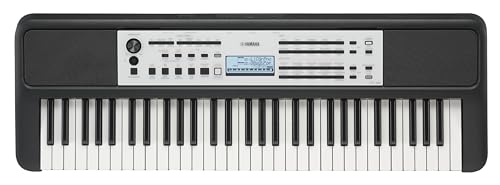
The Yamaha YPT-380 is the strongest all-around choice in this group. It has 61 touch-sensitive keys, so the sound can respond more like a real piano when you play softly or with more force. Its grand piano voice gives beginners a clear and pleasant starting tone. Yamaha also includes a power adapter, which makes home setup simple.
This keyboard suits adults, teens, and serious beginners who want more than a toy. It still remains portable and easy to place on a desk or stand. The keys are not fully weighted, so advanced classical players may want an 88-key digital piano instead. For most new players, however, it offers the best mix of piano sound, playability, and brand trust.
Pros:
- Touch-sensitive keys add better control
- Clear grand piano sound
- Portable 61-key layout
- Trusted Yamaha design
- Good fit for lessons and home practice
Cons:
- Keys are not weighted like an acoustic piano
- May need a separate stand or bench
- Less suitable for advanced two-hand classical pieces
What Amazon Buyers Are Saying
Buyer feedback commonly focuses on the pleasant piano tone, simple controls, and useful touch response. Many shoppers choose it for first lessons or casual home playing. As with many portable keyboards, some buyers may want a sturdier stand or a larger key range later. Check the current listing and recent reviews for package contents before ordering.
My Recommendation
I recommend the Yamaha YPT-380 for most people searching for the best keyboard for piano sound. It gives beginners room to grow without the bulk of a full digital piano.
UISCOM 88-Key Weighted Digital Piano

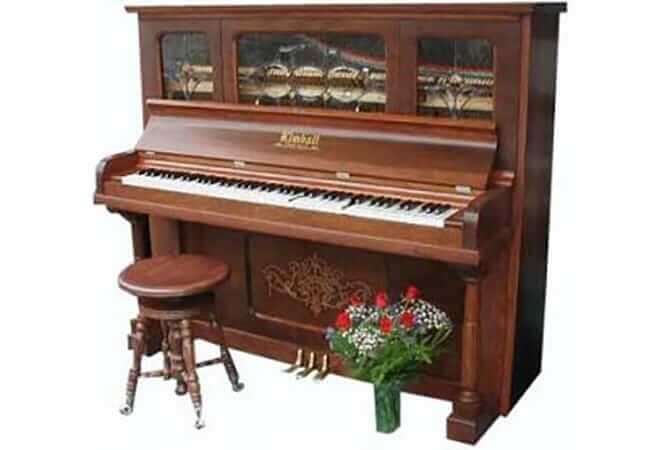
The UISCOM is the best match for a learner who wants a full piano layout. Its 88 weighted keys and progressive hammer-action design aim to give the hands a more piano-like feel. The wooden desk-style cabinet also looks more at home in a living room than a small plastic keyboard. A triple-pedal setup supports common piano techniques.
This model can help build better finger strength and hand control than a basic unweighted keyboard. It also includes MIDI functionality for connection with compatible music devices and apps. The larger cabinet takes more space, so measure your room before purchase. Buyers should also confirm the current setup instructions and included accessories on the product page.
Pros:
- Full 88-key range
- Weighted hammer-action feel
- Triple-pedal design
- Furniture-style appearance
- Useful choice for formal piano practice
Cons:
- Less portable than a 61-key keyboard
- Takes more room at home
- May be more piano than a young child needs
What Amazon Buyers Are Saying
Product feedback tends to center on the full-size design, weighted feel, and attractive home look. Buyers who want a true piano layout often value these points. Some shoppers may find assembly or placement less convenient than with a portable model. Read recent reviews closely for notes about shipping, setup, and long-term key response.
My Recommendation
I recommend the UISCOM for adults and students who want weighted keys at home. It is a better practice tool than a toy keyboard, but it is not the easiest model to move.
Kartier Piano MIDI Keyboard

The Kartier keyboard takes a modern approach to learning piano. Its light-up keys can guide beginners through songs, while Bluetooth and wired connections support phones, tablets, and computers. The listing also highlights more than 1,000 sounds and presets through its app-based system. That makes it appealing to players who enjoy technology as much as traditional practice.
This is more than a simple piano keyboard, but its best sound may depend on the connected app or device. It can support music making, sound exploration, and guided study. It may not feel like an acoustic piano if the keys are light and unweighted. I would choose it for app-led learning rather than strict classical training.
Pros:
- Light-up keys can aid visual learning
- Bluetooth and wired connection options
- Large sound and preset library
- Works with mobile and desktop learning tools
- Fun for new musicians and creators
Cons:
- App features may require setup
- Light keys may not build a true weighted-piano feel
- Sound quality can depend on the connected device
What Amazon Buyers Are Saying
Buyers commonly value the light-up learning system, sound variety, and connection choices. Tech-minded users often like the chance to explore many sounds from one compact instrument. The main point to check is app compatibility, since phones and operating systems can change. Review the current listing for supported devices before buying.
My Recommendation
The Kartier is worth considering if you want guided lessons and many sounds. It is not my first choice for realistic piano touch, but it is a flexible learning keyboard.
RockJam RJ5061 Beginner Keyboard Kit

The RockJam RJ5061 is a practical starter bundle for someone who wants the main accessories in one box. It includes a 61-key keyboard, stand, bench, and headphones. The pitch-bend control adds a little more creative range than a basic kids’ keyboard. Its LED panel and lesson support can make the first weeks of practice feel less confusing.
The included bench and headphones improve value because you may not need to buy them at once. The 61-key range works well for basic melodies, chords, and many beginner songs. The keys are not weighted, so this is still a starter keyboard rather than a full digital piano. It is a smart choice for families that want a ready-to-play setup.
Pros:
- Complete beginner bundle
- Includes stand and bench
- Headphones support quiet practice
- Pitch bend adds expression
- Lesson support helps new players start
Cons:
- Unweighted keys
- Bundle parts may feel basic
- Large setup is less portable than the keyboard alone
What Amazon Buyers Are Saying
Buyer comments often highlight the convenience of receiving a stand, seat, and headphones together. Families tend to like the simple setup and beginner focus. Some buyers may wish for stronger accessories or a more advanced key feel as skills improve. Check the latest reviews for assembly and accessory quality.
My Recommendation
I recommend the RJ5061 for a first-time player who wants a complete station. It gives better starter value than buying a bare keyboard, even though its piano feel remains basic.
JIKADA 61-Key Portable Keyboard

The JIKADA 61-key set focuses on convenience. It includes a stand, stool, headphones, microphone, LCD screen, and note stickers. Lighted keys and three teaching modes can help a new player connect notes with the keyboard. The built-in speakers make it easy to start playing without extra equipment.
This package can work well for a child, teen, or adult who wants an all-in-one learning setup. The 61-key layout gives more range than a small children’s keyboard. Still, the light keys and basic piano engine will not match a dedicated digital piano. I see it as a useful first instrument for casual practice and family use.
Pros:
- Many useful accessories included
- Lighted keys support early learning
- Three teaching modes
- Built-in speakers and headphones
- Stand and stool improve setup value
Cons:
- Not weighted
- Included stool and stand may be basic
- More accessories can mean more setup parts
What Amazon Buyers Are Saying
Feedback commonly points to the complete package and easy appeal for beginners. Buyers often like having a microphone, stand, and seat included. The main limitation to consider is long-term growth, since serious students may later want touch-sensitive or weighted keys. Read recent comments about the included accessories before ordering.
My Recommendation
The JIKADA is a good value if you need a complete beginner kit. I would choose it for casual learning, not for advanced piano training.
RockJam RJ361 61-Key Keyboard
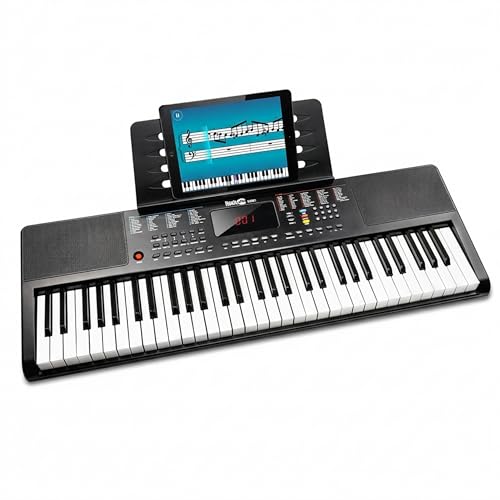
The RockJam RJ361 keeps the beginner experience simple. It offers 61 keys, 200 sounds, and 200 rhythms, so a new player can try piano, organ, strings, and rhythm styles. Note stickers can help children find notes during the first lessons. The included Simply Piano lesson support adds a clear path for practice.
This keyboard is compact enough for a bedroom, study, or small living space. Its sound selection adds fun, but the main piano voice remains the feature that matters most for basic study. It does not offer weighted keys or a full 88-key range. I like it for families that want an affordable first step before making a larger investment.
Pros:
- 200 sounds and 200 rhythms
- Compact 61-key design
- Note stickers aid beginners
- Lesson support adds structure
- Good choice for basic home practice
Cons:
- No weighted key action
- May feel limited for advanced students
- Accessory contents can vary by package
What Amazon Buyers Are Saying
Customers often like the sound variety, compact shape, and beginner lesson support. It appeals to buyers who want more functions than a toy but do not need a full digital piano. Some users may outgrow the unweighted keys as they improve. Confirm the current listing for included lesson access and accessories.
My Recommendation
The RJ361 is a sensible low-cost starter. It is best for basic practice, children, and casual players who want many sounds in a small body.
Kids 61-Key Electronic Piano

This 61-key kids’ keyboard targets young beginners who want a colorful and simple music toy. It includes a stand and microphone, along with 100 tones and 100 rhythms. The larger key count gives a child room to explore melodies and simple chords. Its design also makes it suitable as a first gift for a child who shows interest in music.
The keyboard offers more play options than a small 37-key model. It can encourage rhythm, singing, and early note practice. However, the basic sound engine and unweighted keys limit its use for serious piano study. I would place it in a playroom or family room rather than a formal lesson space.
Pros:
- 61 keys offer useful range
- Includes a microphone and stand
- 100 tones and 100 rhythms
- Fun for singing and creative play
- Affordable way to test a child’s interest
Cons:
- Not designed for advanced piano practice
- Keys are not weighted
- Young children may need help with setup
What Amazon Buyers Are Saying
Buyer interest centers on the gift value, microphone, and broad range of sounds. Parents often look for an easy instrument that feels more substantial than a toy. Some children may outgrow the basic features quickly. Check current customer photos and recent reviews for the stand and microphone experience.
My Recommendation
This is a reasonable first keyboard for a child. It is not the best keyboard for piano sound, but it offers strong play value for the price.
Soundo 37-Key Kids Piano

The Soundo 37-key keyboard is made for young children from about three to eight years old. It includes a detachable microphone, four tones, four rhythms, and ten demo songs. Record and playback features give children a simple way to hear their own music. USB or battery power also makes it flexible for home play.
The smaller size suits short arms and small hands better than a full keyboard. It is easy to move and can introduce rhythm, keys, and singing without pressure. Its limited tone and key range mean it will not support serious piano lessons for long. I see it as an early music toy with real keyboard functions.
Pros:
- Compact 37-key layout
- Designed for young children
- Detachable microphone included
- Record and playback function
- USB or battery power
Cons:
- Limited key range
- Only four tones and four rhythms
- Not suitable for formal piano training
What Amazon Buyers Are Saying
Families commonly look at this model for its small size, microphone, and easy play features. The record function can keep young children engaged. Because it is a small children’s keyboard, buyers should keep expectations realistic about speaker power and piano realism. Recent reviews can help confirm battery use and microphone performance.
My Recommendation
I recommend the Soundo for preschool music play. It is affordable and simple, but older beginners should move to a 61-key model.
Raimy 37-Key Kids Keyboard
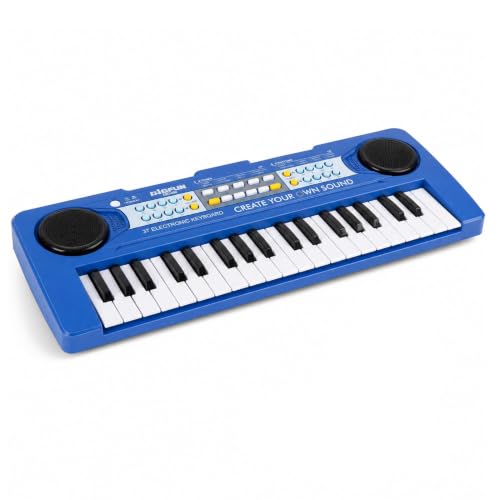
The Raimy is another compact keyboard made for children. Its 37 keys fit small hands, while dual speakers help children hear their playing. The included microphone adds a singing feature that can make practice feel like a game. Its portable design works well for bedrooms, playrooms, and visits to family.
This model focuses on fun rather than realistic piano technique. It can help a child learn that keys make different notes and that music follows a beat. The short key range will restrict songs as a child grows. For an early gift, though, it may offer a gentle and low-cost introduction.
Pros:
- Small layout for young hands
- Dual speakers
- Microphone supports singing play
- Easy to move
- Good entry price for early music fun
Cons:
- 37 keys limit song range
- Basic piano realism
- Children may outgrow it quickly
What Amazon Buyers Are Saying
Buyer interest usually centers on the compact size, microphone, and simple child-focused design. These features can help keep a young child involved. Parents should not expect the key feel or sound depth of an adult keyboard. Check current reviews for comments about speaker loudness and build quality.
My Recommendation
The Raimy is a suitable first music toy for a young child. Choose a larger keyboard if the child already takes lessons or shows strong interest in piano.
Kids 61-Key Musical Keyboard

This 61-key kids’ keyboard gives young players more room than a small 37-key model. It offers 16 tones, 10 rhythms, eight percussion sounds, and six demo songs. The microphone adds another way to play, sing, and perform. That feature mix makes it more of a beginner entertainment keyboard than a plain piano.
The broader layout can support simple songs for a longer time than a toddler keyboard. It remains portable and easy to use for family activities. Still, the product is aimed at children and does not replace a touch-sensitive digital piano. I would consider it when fun and variety matter more than exact piano technique.
Pros:
- 61 keys give children extra range
- 16 tones and 10 rhythms
- Includes percussion sounds
- Six demo songs encourage play
- Microphone supports performance
Cons:
- Basic key action
- Not ideal for serious lessons
- Sound quality may be simple
What Amazon Buyers Are Saying
Customers often focus on the number of sounds, demo songs, and microphone. These functions can make the keyboard a popular gift for children. The main concern is whether the child wants a toy-style experience or real piano study. Check current reviews for details on controls, power, and included parts.
My Recommendation
This model offers good play value for a child who wants a larger keyboard. Choose Yamaha or UISCOM instead if realistic piano sound is the main goal.
How to Choose the Best Keyboard for Piano Sound
Choosing the best keyboard for piano sound means looking past the number of tones and rhythms. A keyboard may list hundreds of sounds but still offer a weak piano feel. I suggest focusing on the points below before you buy.
1. Match the Key Action to Your Goal
Key action changes how a keyboard feels under your fingers. Light, unweighted keys work well for casual play, children, and portable use. Touch-sensitive keys respond to playing force and make piano music more expressive. Weighted or hammer-action keys feel closer to an acoustic piano and suit students who plan to study piano for years.
A 61-key keyboard works for many beginners. An 88-key model gives the full piano range and supports more advanced music. If you already take lessons, I would choose weighted 88 keys when your space and budget allow it.
2. Listen for a Strong Piano Voice
Look for a clear grand piano or acoustic piano voice. The sound should stay clean when you play low and high notes. Built-in speakers also matter. Small speakers may sound thin at high volume, while headphones can give you a clearer practice tone.
Do not judge a keyboard by its total sound count alone. A model with 100 useful sounds can beat one with 1,000 sounds if its main piano tone sounds more natural. Touch response, speaker quality, and the piano sample all affect your experience.
3. Compare Learning Tools, Space, and Value
Beginners may benefit from lighted keys, note stickers, lesson apps, demo songs, or recording tools. These features can help you practice, but they should not replace good technique. Also check whether the package includes a stand, bench, headphones, or power adapter.
Measure your space before buying. The UISCOM needs a permanent home, while the Yamaha YPT-380 and RockJam models are easier to move. Finally, check the current Amazon listing, warranty details, return terms, and recent buyer reviews. Product bundles can change over time.
Final Verdict: Which Should You Buy?
The Yamaha YPT-380 is my top pick and the best keyboard for piano sound for most beginners. Choose the UISCOM if weighted 88-key practice matters more than portability.
For children, RockJam and JIKADA offer useful starter bundles. Compare key action, piano tone, included gear, and room size before you buy.
FAQs Of best keyboard for piano sound
What is the best keyboard for piano sound?
The Yamaha YPT-380 is the best overall pick here because it combines a clear grand piano voice, touch-sensitive keys, portability, and trusted quality.
Are weighted keys important for learning piano?
Yes. Weighted keys feel more like an acoustic piano and help build control. They matter most for serious students and long-term piano practice.
Is a 61-key keyboard enough for beginners?
Yes. A 61-key keyboard works well for many beginner songs, chords, and lessons. Advanced players may need the full range of 88 keys.
Which keyboard is best for a child?
Small children may enjoy the Soundo or Raimy 37-key models. Older children may get more use from a 61-key JIKADA, RockJam, or Yamaha keyboard.
Can a keyboard sound like a real piano?
A good digital keyboard can provide a convincing piano voice, but the result depends on its sound engine, speakers, headphones, and key action.

Senior Music Reviewer
Alex Carter is a seasoned music reviewer with over a decade of experience in the world of sound and instruments. Passionate about helping musicians and enthusiasts make informed choices, he brings sharp insights and in-depth knowledge to every review. From classical instruments to modern gear, Alex combines technical expertise with a love for music to deliver content that resonates with readers.
As a Senior Music Reviewer and expert author on Tuneluma.com, Alex is dedicated to sharing honest evaluations, practical advice, and thoughtful commentary to guide readers in their musical journey.