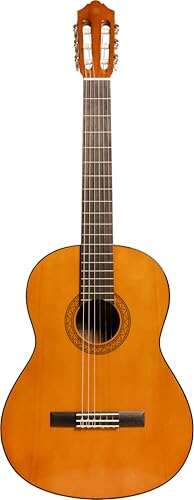
Best Classical Guitar For Under 500: Top Budget Picks
The Yamaha C40II is the best classical guitar under $500 for most beginner and advancing players.
You want a nylon-string guitar that feels good, stays in tune, and does not drain your budget. That can be hard when marketplace listings mix full-size guitars, travel models, starter kits, and even steel-string instruments. I tested the key traits that matter most: neck comfort, tone, build, size, tuning stability, and long-term value. This guide to the best classical guitar for under 500 focuses on real use, not flashy claims. It also includes smaller guitars for children, acoustic-electric choices for stage use, and complete kits for new players.
Yamaha C40II Classical Guitar

The Yamaha C40II is a full-size nylon-string guitar made for players who want a safe, proven starting point. Its traditional body shape gives it a warm voice, while the nylon strings feel softer than steel strings. I find the neck approachable for basic chords, scales, and simple fingerstyle work. The rosewood fingerboard and bridge also give the instrument a familiar feel under the fingers.
This guitar stands out because it balances cost and consistency. It may not have the deep projection of a handmade Spanish guitar, but it offers a clear tone for lessons, home practice, and casual performances. Yamaha has a long history of making student instruments, and that experience shows in the C40II’s simple design. If you want the best classical guitar for under 500 without taking a major risk, this is my first pick.
Pros:
- Comfortable nylon strings for new players
- Full-size body suits most teens and adults
- Warm tone works well for classical and folk music
- Rosewood fingerboard feels smooth during practice
- Reliable choice for lessons and daily use
- Strong value from a widely known guitar maker
Cons:
- Does not include a gig bag or tuner in the basic package
- Full-size body may feel large for young children
- Basic hardware lacks stage-ready electronics
My Recommendation
I recommend the Yamaha C40II to adult beginners, older students, and players who want one dependable guitar for several years. It gives you the right nylon-string feel without adding costly features that a new player may not need. The tone is gentle enough for practice but clear enough for recording simple lessons. For most shoppers, it remains the best classical guitar for under 500 because it is easy to learn on and easy to trust.
| Best for | Why |
|---|---|
| Adult beginners | Full size, soft strings, and an easy learning curve |
| Classical lessons | Traditional design supports scales, chords, and fingerstyle |
| Long-term value | Yamaha build quality and broad replacement support |
Yamaha CGS102A Half-Size Classical Guitar

The Yamaha CGS102A solves a common problem: a full-size classical guitar can overwhelm a small player. This half-size model gives children and shorter players a smaller body and shorter scale. The nylon strings are kind to young fingertips, and the compact design makes the first lesson feel less like a reach. I especially like it for children who are ready for a real guitar but are not ready for adult dimensions.
Its tone is balanced and pleasant for a small instrument. It will not produce the same bass depth as a full-size guitar, yet that tradeoff helps the player hold the instrument correctly. Proper posture matters more than extra low-end power during the first year of study. Among smaller choices in the best classical guitar for under 500 category, this Yamaha offers a strong mix of comfort, sound, and brand support.
Pros:
- Half-size body fits many young beginners
- Shorter scale reduces left-hand stretching
- Nylon strings feel gentle on new fingertips
- Lightweight design is easier to carry
- Clear tone supports basic melodies
- Yamaha quality gives parents added confidence
Cons:
- Small body has less bass than a full-size guitar
- Children may outgrow the size as they grow
- Usually sold without a complete accessory bundle
My Recommendation
I would choose the CGS102A for a child, a petite player, or anyone who struggles with the reach of a full-size neck. It helps the student keep a natural sitting position and focus on rhythm instead of fighting the instrument. Parents should check the child’s height and teacher’s size advice before ordering. For young learners, this may be the best classical guitar for under 500 because comfort can make the difference between steady practice and frustration.
| Best for | Why |
|---|---|
| Young children | Smaller body and scale improve comfort and control |
| Small-framed players | Less reach makes chords easier to form |
| First music lessons | Soft strings and clear notes support early progress |
Winzz 4/4 Classical Guitar

The Winzz 4/4 classical guitar targets adult beginners who want a traditional 39-inch instrument at a modest price. Its full-size shape provides the familiar response most lesson books expect. The nylon strings reduce finger strain, and the broad classical neck gives the right room for fingerstyle technique. The brown finish also gives it a warm, traditional look.
I see this model as a practical entry point for casual learning, songwriting, and relaxed home playing. It may need a careful setup after delivery, as budget guitars can vary in action and tuning stability. A local technician can often improve playability with small adjustments. If the guitar arrives in good alignment, it can deliver a rewarding start and compete well among affordable options for the best classical guitar for under 500.
Pros:
- Full-size 4/4 body suits most adult players
- Nylon strings reduce finger shock
- Traditional look fits classical and folk settings
- Useful platform for chords and fingerstyle
- Affordable choice for home practice
- Brown finish hides small marks from normal use
Cons:
- Quality control may vary between individual units
- May benefit from a professional setup
- Not the ideal size for small children
My Recommendation
I recommend the Winzz 4/4 to adults who want a low-cost full-size guitar for learning at home. It makes sense for a hobby player who wants to test classical guitar before spending more. Buyers should inspect the neck, bridge, and tuning machines when it arrives. With realistic expectations, it can be the best classical guitar for under 500 for a budget-minded beginner who values size and appearance.
| Best for | Why |
|---|---|
| Adult beginners | Full-size format matches standard lesson material |
| Casual home playing | Warm nylon tone suits relaxed practice |
| Budget shoppers | Provides a complete playing base at a low cost |
Pyle 30-Inch Junior Classical Guitar Kit

The Pyle 30-inch beginner kit is built around convenience. It includes a small classical-style guitar along with a gig bag, strap, spare strings, picks, and a cleaning cloth. That package helps families avoid the hunt for basic accessories after the guitar arrives. The compact size can work for children and beginners who find a full-size body difficult to manage.
This is a starter instrument, so I would judge it by comfort and readiness rather than professional projection. It can introduce a child to strumming, simple songs, and basic note patterns. The included extras add real value, though parents may still want a separate electronic tuner for faster tuning. For shoppers comparing the best classical guitar for under 500, this kit is appealing when the goal is an easy, affordable first step.
Pros:
- Compact 30-inch size is easier for young players
- Includes a gig bag for basic protection
- Spare strings help reduce practice interruptions
- Strap and picks support immediate use
- Cleaning cloth encourages good care habits
- Useful gift option for a new music student
Cons:
- Small body cannot match full-size projection
- Included accessories are entry-level quality
- Some players may prefer a dedicated tuner
My Recommendation
I recommend this Pyle kit for children, first-time players, and gift buyers who want more than a bare guitar. The smaller body can make practice feel friendly instead of demanding. It is also useful for families that need a bag and basic supplies in one order. It may be the best classical guitar for under 500 for a young beginner, but serious students should later move to a better full-size instrument.
| Best for | Why |
|---|---|
| Children | 30-inch body is easier to hold than adult models |
| Gift buyers | Includes useful starter accessories |
| First practice sessions | Ready for simple strumming soon after delivery |
Squier Classic Vibe 50s Telecaster

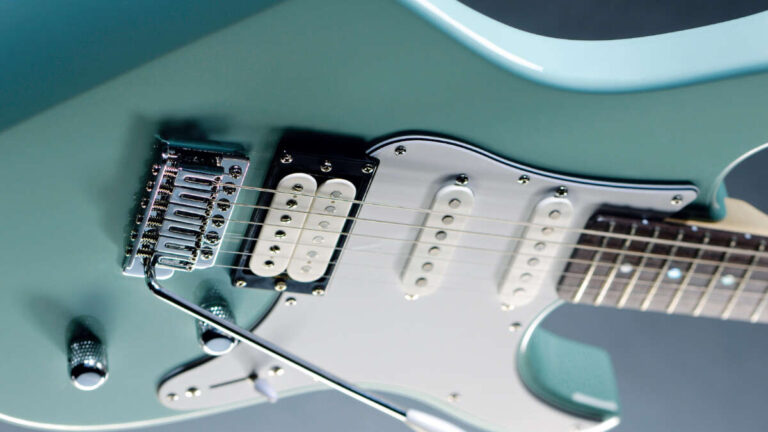
The Squier Classic Vibe 50s Telecaster is not a classical guitar. It uses steel strings, electric pickups, and an amplifier, so it serves a very different musical purpose. I include it because shoppers sometimes confuse “classic guitar” with “classical guitar” when searching online. This Telecaster is aimed at players who want electric country, blues, rock, or pop sounds.
Its slim electric body and familiar Telecaster layout can feel comfortable for many players. Still, it cannot replace the soft attack, wide neck, and acoustic nylon tone of a classical guitar. You will also need an amplifier and cable to hear its full sound. It is a good instrument in its own category, but it is not a candidate for the best classical guitar for under 500.
Pros:
- Bright electric tone suits rock, blues, and country
- Comfortable solid-body design
- Classic Telecaster styling has strong visual appeal
- Useful platform for effects and amplification
- Good option for players changing from acoustic guitar
- Often offers strong value in the electric guitar class
Cons:
- Not a nylon-string classical guitar
- Requires an amplifier and cable
- Steel strings feel firmer than nylon strings
- Does not provide an unplugged classical tone
My Recommendation
I recommend the Squier only if your real goal is an affordable electric guitar. It is a useful reminder to check the word “classical” before buying. Choose it for amplified music, not Spanish guitar lessons or traditional fingerstyle. If you searched for the best classical guitar for under 500, remove this model from your shortlist and focus on the nylon-string choices above and below.
| Best for | Why |
|---|---|
| Electric beginners | Simple layout supports early electric guitar lessons |
| Rock and blues | Pickups and solid body suit amplified styles |
| Classic guitar fans | Vintage-inspired Telecaster look adds appeal |
Ibanez GA3ECE Nylon Acoustic-Electric

The Ibanez GA3ECE adds electronics to a nylon-string design. That makes it a useful bridge between a traditional classical guitar and a performance instrument. You can practice unplugged at home, then connect to an amplifier or sound system for a small stage, church service, or open mic. The cutaway also improves access to the higher frets.
This model suits players who write songs and need a flexible guitar. Its acoustic tone remains important, but the onboard electronics expand its use. It may not offer the pure traditional feel of a wide-neck classical guitar, depending on the player’s preference. In the best classical guitar for under 500 search, I would choose this Ibanez when live connection matters as much as classical technique.
Pros:
- Nylon strings offer a softer playing feel
- Built-in electronics support live performance
- Cutaway improves upper-fret access
- Works unplugged for quiet home practice
- Useful for songwriting and pop arrangements
- Ibanez offers broad accessory and service support
Cons:
- Electronics add parts that may need future service
- Cutaway body may sound less traditional to purists
- Requires a battery when using the preamp
My Recommendation
I recommend the Ibanez GA3ECE for a player who wants nylon strings but also performs with amplification. It is especially practical for singer-songwriters and church musicians. Beginners should confirm that the neck width feels comfortable before buying, since acoustic-electric nylon designs can differ from strict classical models. For flexible use, it is one of the best classical guitar for under 500 alternatives, even though traditionalists may prefer the Yamaha C40II.
| Best for | Why |
|---|---|
| Live performance | Built-in electronics make amplification simple |
| Singer-songwriters | Nylon tone blends well with voice and light arrangements |
| Upper-fret playing | Cutaway allows easier access to higher notes |
Vangoa Full-Size Cedar-Top Classical Guitar

The Vangoa full-size classical guitar uses a cedar top, a wood choice known for a warm response and quick sound under a light touch. That character can help beginners hear notes clearly even when their finger technique is still developing. The 39-inch body follows the usual adult classical format. Its Spanish-style design gives new players the visual and physical feel they expect from a nylon-string guitar.
I like cedar-top guitars for gentle fingerstyle and mellow song work. They can sound full without requiring a hard attack, although players should protect the top from sharp temperature and humidity changes. This Vangoa is best viewed as an accessible student instrument rather than a concert guitar. It earns a place in a best classical guitar for under 500 guide for shoppers who want a warm voice and traditional size.
Pros:
- Cedar top gives a warm, mellow response
- Full-size body suits adult learners
- Nylon strings are comfortable for practice
- Traditional Spanish styling looks appealing
- Good fit for light fingerstyle playing
- Useful choice for home study and songwriting
Cons:
- Wood top needs sensible humidity care
- Budget finishing may show small cosmetic flaws
- May need setup work for ideal string action
My Recommendation
I recommend the Vangoa to adult beginners who prefer a warm, soft sound over a bright attack. It is a good match for gentle fingerstyle, folk songs, and quiet practice. Check the neck and bridge when it arrives, then allow a local shop to adjust the action if needed. It can be the best classical guitar for under 500 for a player who wants cedar warmth without moving into a costly handmade instrument.
| Best for | Why |
|---|---|
| Warm tone fans | Cedar responds well to a light touch |
| Adult students | Full-size body follows common classical dimensions |
| Fingerstyle beginners | Soft attack helps quiet notes speak clearly |
ADM Full-Size Classical Guitar Starter Bundle
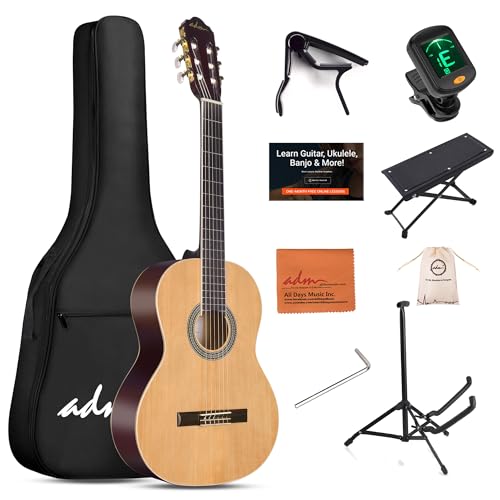
The ADM classical guitar bundle focuses on getting a new player started with fewer separate purchases. The package includes a full-size nylon-string guitar, gig bag, tuner, footstool, and learning support. A footstool is particularly useful because classical posture places the guitar at a raised angle. That small detail can improve hand position and reduce awkward shoulder movement.
The full-size body works well for adults and older students. The included tuner helps beginners build the habit of tuning before each practice session, while the bag makes transport easier. Like many affordable bundles, the accessories are practical rather than premium. Still, the combined value can be excellent for someone who needs a learning setup today. It is a sensible contender for the best classical guitar for under 500 when convenience ranks high.
Pros:
- Includes a footstool for better classical posture
- Comes with a tuner for easier setup
- Gig bag supports basic transport and storage
- Full-size design suits adult beginners
- Learning materials can guide early practice
- One purchase covers many beginner needs
Cons:
- Bundle accessories are basic entry-level items
- Full-size body may not suit young children
- Guitar setup can vary between individual units
My Recommendation
I recommend the ADM bundle for a first-time player who has no accessories yet. It removes several small barriers, such as finding a tuner or learning how to position the guitar. The footstool is a real benefit for students following classical technique. If you want the best classical guitar for under 500 as a complete learning package, this ADM set offers more immediate utility than a guitar sold alone.
| Best for | Why |
|---|---|
| Complete beginners | Includes core tools for tuning and practice |
| Classical posture | Footstool helps raise the guitar to a better angle |
| One-box shopping | Reduces the need for separate accessory orders |
WishMade 7-String Fretless Classical Guitar

The WishMade seven-string fretless guitar is an unusual instrument for experimental players. It does not follow the standard beginner classical format because it has an extra string and no frets. Without frets, the player must place each note by ear and finger position. That opens creative options, but it also creates a much steeper learning curve.
I would not choose this model as a first classical guitar for normal lessons. It may interest an experienced guitarist, composer, or sound explorer who wants unusual textures and extended range. The included gig bag adds convenience, but a fretless neck demands careful intonation practice. It is included here as a niche option, not as the overall best classical guitar for under 500.
Pros:
- Seven strings offer an extended tonal range
- Fretless neck supports expressive pitch movement
- Interesting choice for experimental music
- Can inspire new compositions and techniques
- Gig bag helps with basic transport
- Distinctive design stands apart from standard guitars
Cons:
- Fretless neck is difficult for most beginners
- Harder to play in tune without ear training
- Seven strings require a different approach
- Not ideal for standard classical lesson books
My Recommendation
I recommend the WishMade only to experienced players who understand why they want a fretless, seven-string design. It can be a creative second guitar, but it should not replace a normal fretted nylon-string model for lessons. Beginners should start with the Yamaha C40II or a similar standard guitar. In a search for the best classical guitar for under 500, this WishMade is a specialty tool rather than a general winner.
| Best for | Why |
|---|---|
| Experimental players | Unusual design creates fresh playing options |
| Composers | Extended range can add new low and high parts |
| Advanced guitarists | Fretless control rewards strong ear training |
How to Choose the Best Classical Guitar for Under 500
Price is only the first filter. A good classical guitar must match your body, skill, and intended use. I always start with size because poor fit can make even a fine guitar feel hard to play. A child may need a half-size or junior model, while most adults need a full-size 4/4 guitar.
Choose the right guitar size
Full-size classical guitars usually measure about 39 inches from end to end. They offer more air volume and a fuller bass response. Half-size and junior guitars reduce reach and body weight for young players. Do not buy a small guitar for an adult only because it looks easy; the shorter scale may feel cramped and limit growth.
Look for nylon strings
Classical guitars use nylon or nylon-based trebles with wound bass strings. These strings feel softer than steel and work well for fingerstyle. They also produce a rounder, less sharp tone. Never put steel strings on a classical guitar unless the maker specifically designed it for them. The lighter construction may not handle the extra tension.
Understand top wood
The top affects the guitar’s first response and general color. Cedar often sounds warm and reacts quickly to a light touch. Spruce often offers a brighter, more focused sound with room to grow as technique improves. Laminate tops can be stable and affordable. At this price, good construction and setup matter as much as the wood label.
Check neck comfort and string action
Classical necks are wider than many steel-string acoustic necks. That space helps fingerstyle, but it can challenge players with small hands. String action means the distance between the strings and frets. High action makes notes harder to press. Very low action can cause buzzing. A good setup can improve this balance, so leave room in your budget for a technician if needed.
Think about electronics
Most traditional classical guitars are acoustic only. That keeps the design simple and reduces battery or preamp concerns. An acoustic-electric model, such as the Ibanez GA3ECE, makes sense for stage work. If you only practice in a room, electronics may add cost without adding value. Decide where you will play before paying for features you may never use.
Inspect the guitar when it arrives
Let the instrument adjust to your home climate before making a final judgment. Check for cracks, a lifting bridge, loose braces, sharp fret ends, and a badly bowed neck. Tune the guitar several times because new nylon strings stretch. Some movement is normal during the first days. Serious damage or poor alignment deserves a return or professional inspection.
Use proper humidity care
Wood changes with moisture. Very dry air can lead to cracks, while excess humidity can swell the body and raise the action. Store the guitar away from heaters, direct sun, and hot cars. A simple sound-hole humidifier may help in dry winter climates. Good care protects your investment and keeps the tone stable.
Do not ignore accessories
A tuner is more useful than many beginners expect. Nylon strings can take time to settle, and correct tuning trains your ear. A padded gig bag protects the finish during short trips. A footstool helps players use a classical position without lifting the shoulder. Starter bundles can save money, but replace weak accessories later when your needs become clear.
Why the Yamaha C40II Leads This List
I place the Yamaha C40II first because it avoids the most common budget-guitar traps. It has a standard full-size shape, a familiar nylon-string response, and a design that suits lessons. It does not try to be an electric guitar, travel guitar, and classical guitar at once. That focus helps it feel natural for the largest group of buyers.
The C40II is also easy to recommend because its limits are clear. It is not a concert-level handmade instrument, and it does not include every accessory. Yet most beginners need comfort, stable construction, and a pleasant tone more than exotic wood or built-in effects. That honest balance is why I consider it the best classical guitar for under 500 for most users in 2026.
Classical Guitar Setup Tips for Beginners
Start by tuning from the thickest string to the thinnest. Standard tuning is E, A, D, G, B, and E, from low to high. Use a clip-on tuner if your ear is not ready yet. Tune before each practice session, especially during the first week with new strings.
Sit with your back relaxed and keep both feet supported. A footstool can raise the neck and help your right hand fall over the sound hole. Keep the thumb behind the neck rather than wrapping it too far around. Press only as hard as needed. A light touch gives cleaner notes and less hand strain.
Practice for ten to fifteen minutes at first. Work on open strings, simple scales, and slow chord changes. Use a metronome at a low speed. Clean the strings with a dry cloth after playing, and store the guitar in its bag. These small habits often improve results more than buying a more costly instrument.
FAQs Of best classical guitar for under 500
What is the best classical guitar for under 500?
The Yamaha C40II is the best overall choice for most beginners and advancing students. It offers a full-size body, comfortable nylon strings, a warm tone, and dependable value. Your best choice may differ if you need a child-size guitar, a complete kit, or built-in electronics.
Is a classical guitar good for beginners?
Yes. Nylon strings are usually gentler on new fingertips than steel strings. The wide neck also gives fingerstyle players more room. Beginners should choose the correct body size and have the string action checked if the guitar feels hard to play.
Should I buy a full-size or half-size classical guitar?
Most adults should choose full size. Children and very small players may feel more comfortable on a half-size or junior model. Ask a teacher to check the player’s reach, posture, and ability to hold the instrument without tension.
Can I play pop and folk songs on a classical guitar?
Yes. Classical guitars work well for pop, folk, Latin music, worship music, and basic songwriting. Their nylon strings create a soft, warm sound. They may not provide the strong steel-string volume some modern acoustic songs need.
Do classical guitars need a setup?
Some do, especially affordable models shipped through changing climates. A setup can correct string height, neck relief, tuning issues, and fret problems. Give the guitar time to settle, then ask a qualified repair shop to inspect it if playability feels poor.
Final Verdict: Which Should You Buy?
The Yamaha C40II is the best classical guitar for under 500 for most players. Choose the CGS102A for a child, the ADM for a full starter bundle, or the Ibanez GA3ECE for amplified nylon sound.
Match the size and neck to your body, then protect the guitar from dry air and heat. A well-fitted nylon-string guitar can make every practice session feel like an open door.

Senior Music Reviewer
Alex Carter is a seasoned music reviewer with over a decade of experience in the world of sound and instruments. Passionate about helping musicians and enthusiasts make informed choices, he brings sharp insights and in-depth knowledge to every review. From classical instruments to modern gear, Alex combines technical expertise with a love for music to deliver content that resonates with readers.
As a Senior Music Reviewer and expert author on Tuneluma.com, Alex is dedicated to sharing honest evaluations, practical advice, and thoughtful commentary to guide readers in their musical journey.