The best keyboard piano for FL Studio is the M-VAVE 25-key controller for hands-on beat making and easy MIDI control.
You open FL Studio with a melody in mind, but clicking notes with a mouse slows you down. A good keyboard piano lets you play chords, build bass lines, record soft or hard notes, and test sounds in real time. I reviewed compact MIDI controllers, full-size digital pianos, and beginner keyboard kits to find the best fit for different FL Studio users. My top picks focus on key response, USB-MIDI support, portability, useful controls, and value.
See the differences between my top picks at a glance.
| Keyboard | Keys | Best Use | FL Studio Advantage | Buy |
|---|---|---|---|---|
| M-VAVE MIDI Controller | 25 | Beat making | Pads, knobs, wireless use | View on Amazon |
| 25-Key MIDI Controller | 25 | Beginners | Arpeggiator and beat pads | View on Amazon |
| RockJam RJ5061 | 61 | First keyboard | Pitch bend and full starter kit | View on Amazon |
| 88-Key Semi-Weighted Piano | 88 | Piano players | Wide playing range and USB-MIDI | View on Amazon |
| Donner DEK-630 | 61 | Learning and home use | Lighted keys and many tones | View on Amazon |
M-VAVE 25-Key MIDI Keyboard Controller
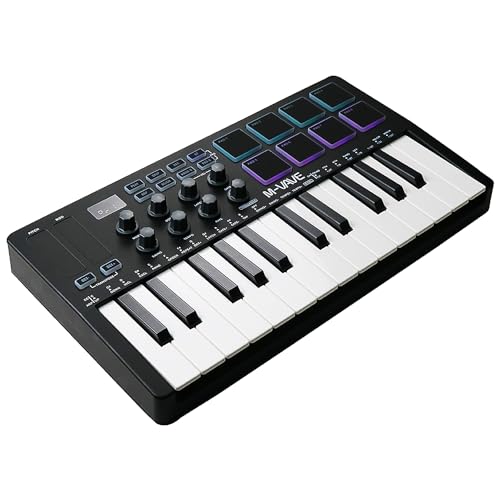
The M-VAVE 25-key controller suits producers who spend most of their time inside FL Studio. Its small key range saves desk space and leaves room for a mouse, audio interface, and laptop. The controller also adds eight backlit drum pads and eight knobs. That mix makes it more useful for beats than a basic piano-only keyboard.
The semi-weighted dynamic keybed gives you more control than a flat, non-sensitive pad. You can play a quiet note or strike a stronger note and shape the part in FL Studio. The product listing also presents wireless use, USB connection, and included software. I would still check your computer and device requirements before purchase, since wireless MIDI setup can vary.
Pros:
- Compact 25-key layout fits small desks
- Eight drum pads support beat programming
- Eight knobs offer hands-on control
- Dynamic keys allow more expressive playing
- USB and wireless options add setup flexibility
- Useful for drums, bass, chords, and leads
Cons:
- Two octaves limit wide piano parts
- Small controllers need octave changes for low bass notes
- Wireless features may need extra setup
What Amazon Buyers Are Saying
Buyer feedback for compact MIDI controllers often centers on easy desk placement, useful pads, and the value of having knobs at a low price. Some users like the quick connection for basic music work. Common concerns with this type of product include the small key range, the learning curve for software setup, and questions about wireless pairing. I recommend checking the latest listing reviews for the exact computer, phone, or tablet setup you plan to use.
My Recommendation
I recommend the M-VAVE to beat makers, home producers, and beginners who want more than piano keys. It is not the right pick for a player who needs a full piano range. For FL Studio, however, its pads and knobs make it one of the most practical small controllers in this group.
25-Key MIDI Keyboard With Arpeggiator

This 25-key MIDI keyboard targets new producers who want a simple way to enter notes into FL Studio. It includes velocity-sensitive keys, an arpeggiator, and a beat maker feature according to its product description. Those tools can help you create a pattern before you learn every piano scale. Its portable size also works well for a bedroom studio or laptop setup.
The short keybed makes it easy to play simple melodies and short chords. You can shift octaves when a sound falls outside the physical range. The arpeggiator can add motion to held notes, while the beat controls can help you sketch a drum idea. I see this as a starter controller rather than a complete replacement for a larger keyboard.
Pros:
- Beginner-friendly compact design
- Velocity-sensitive keys support expressive notes
- Built-in arpeggiator adds rhythmic patterns
- Beat maker features help start song ideas
- USB MIDI compatibility works with FL Studio
- Easy to carry between rooms or locations
Cons:
- Only 25 keys are available
- Limited physical controls compared with larger studio controllers
- May require software mapping for advanced FL Studio control
What Amazon Buyers Are Saying
Compact beginner controllers usually attract buyers who want a low-cost way to learn MIDI and make simple tracks. Users tend to value the small footprint and the extra rhythm features. The most likely complaints involve a short playing range and the time needed to map controls inside a DAW. Since software versions and included items can change, I suggest reading current Amazon reviews before ordering.
My Recommendation
This controller is worth considering if you want an affordable first step into FL Studio. It works best for melodies, simple chords, and early beat sketches. I would choose the M-VAVE instead if you want more physical knobs and drum pads.
88-Key Semi-Weighted Digital Piano

An 88-key piano is a strong choice for players who already think like pianists. This model includes semi-weighted keys, a sustain pedal, stand, carrying case, headphones, and power supply in the listed package. The full range lets you play low bass notes and high melodies without constant octave shifting. USB-MIDI compatibility also lets you use the keyboard as an input device in FL Studio.
The main strength here is the playing range. It feels closer to a traditional piano layout than a 25-key controller, even though semi-weighted keys do not equal a premium hammer-action digital piano. The sustain pedal helps with piano parts and long pads. Its larger body needs more room, so measure your desk or stand area before you buy.
Pros:
- Full 88-key range for piano-style playing
- Semi-weighted keys offer a more familiar piano feel
- USB-MIDI supports FL Studio note input
- Includes sustain pedal and power supply
- Stand, carrying case, and headphones add value
- Good fit for lessons and home composition
Cons:
- Less portable than a compact MIDI controller
- Needs more storage and floor space
- Does not focus on drum pads or DAW knobs
What Amazon Buyers Are Saying
Buyers looking at an 88-key bundle commonly focus on the included accessories, full key range, and usefulness for beginners. Many shoppers like getting a stand, pedal, and headphones together instead of buying them one at a time. Typical concerns for entry-level piano bundles include key feel, speaker quality, and packaging during delivery. I would use the current Amazon review photos and questions to judge the latest user experience.
My Recommendation
I recommend this model for a pianist who wants one keyboard for lessons, home playing, and FL Studio recording. It is not the best choice for finger-drumming or fast DAW control. If playing range matters more than knobs, this is one of the better keyboard piano options in the review.
61-Key Portable Keyboard Piano

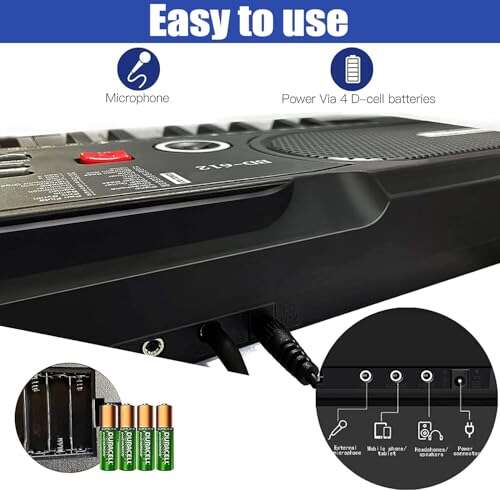
This 61-key keyboard piano gives beginners more room than a mini controller without the size of an 88-key model. The built-in speaker and microphone make it useful away from a computer. For FL Studio, its main role is note entry through a compatible MIDI connection or setup. It can also work as a simple practice keyboard when your computer is off.
A 61-key layout supports basic two-hand parts and many beginner songs. It also gives you enough range for chords, bass, and melody in one session. The product is aimed at new players, so I would not expect the deep DAW controls found on a dedicated production controller. It is a better match for someone who wants a general keyboard first and a studio tool second.
Pros:
- 61 keys provide a useful middle ground
- Built-in speaker supports standalone practice
- Built-in microphone adds extra home-use value
- Portable size suits beginners and families
- Can support basic FL Studio MIDI work
- More playable range than a 25-key controller
Cons:
- Few dedicated controls for FL Studio mixing
- Key action may feel basic to experienced pianists
- Exact MIDI functions should be checked before purchase
What Amazon Buyers Are Saying
Beginner keyboard buyers often mention the speaker, easy layout, and useful 61-key range as reasons to choose this type of model. Families may also like the simple format for first lessons. Common concerns can include sound quality, power needs, and how well the keyboard works with a specific computer. Read current listing details carefully because included cables and MIDI support can differ between versions.
My Recommendation
I recommend this keyboard for a beginner who wants to learn piano and try FL Studio. It offers a useful balance between size and range. Choose a dedicated MIDI controller instead if your main goal is production, beat pads, and fast plugin control.
Rock And Roll It Studio Piano
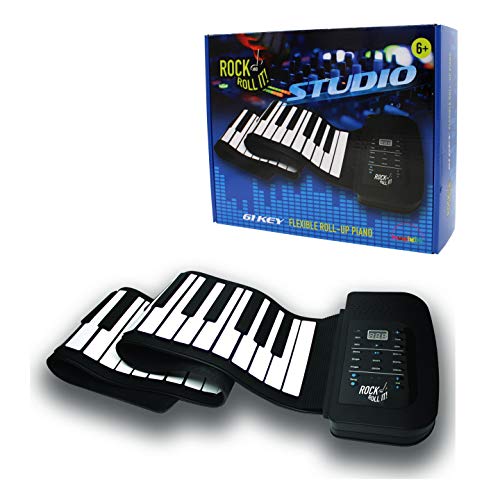
The Rock And Roll It Studio Piano takes a very different approach. It uses a flexible, roll-up 61-key design with a built-in speaker and USB MIDI connection. You can store it in a small space or carry it for travel. That makes it appealing to students, children, casual players, and producers who need a light backup keyboard.
In FL Studio, this product can provide basic note input when connected correctly. Its flexible surface does not feel like a standard piano keybed, so it cannot replace a solid controller for serious performance. Still, it can help you test melodies, practice note positions, or make music in places where a normal keyboard would be too large.
Pros:
- Roll-up design saves storage space
- 61 keys offer a broad note range
- USB MIDI supports computer music use
- Built-in speaker allows simple standalone play
- Lightweight format works well for travel
- Suitable as a backup or casual keyboard
Cons:
- Flexible keys do not feel like piano keys
- Less suitable for precise expressive performance
- May need careful placement on a flat surface
What Amazon Buyers Are Saying
Buyers who choose roll-up pianos usually value portability, storage, and the fun factor. Users often understand that the soft surface feels different from a regular keyboard. The main concerns tend to involve key response, sound limits, and the need for a firm surface. I would buy this for convenience, not for advanced piano technique or professional FL Studio recording.
My Recommendation
This is worth buying when portability matters most. It is a fun secondary keyboard and a practical travel option. I would not select it as the best keyboard piano for FL Studio if you need natural key control or consistent velocity.
Second 88-Key Semi-Weighted Piano Bundle
This 88-key digital piano bundle is aimed at beginners and adults who want a complete setup. The listed package includes semi-weighted keys, a sustain pedal, power supply, stand, carrying case, headphones, and USB-MIDI compatibility. That gives you a broad piano range for both practice and music production. You can use the keyboard alone or connect it to FL Studio for virtual instruments.
The full-size layout helps you build better piano habits than a mini controller. It also suits players who use wide chords or bass notes. On the studio side, it focuses more on playing than on beat pads, knobs, or mixer controls. Before buying, compare the current Amazon listing with your needs, since package details and seller information can change.
Pros:
- Complete 88-key range
- Semi-weighted design adds physical response
- USB-MIDI connection supports FL Studio
- Includes pedal, stand, case, and headphones
- Useful for lessons and home recording
- Good choice for two-hand arrangements
Cons:
- Large footprint needs a proper stand or desk
- No strong focus on pad-based beat production
- Entry-level key action may not satisfy advanced pianists
What Amazon Buyers Are Saying
Customers shopping for this kind of bundle often like the number of accessories included. A package can reduce the cost and effort of building a basic home setup. Buyers may also discuss key feel, stand stability, and headphone or pedal performance. I would pay close attention to recent verified-purchase comments about delivery and assembly.
My Recommendation
This keyboard makes sense for a beginner who wants a home piano and MIDI input in one purchase. It gives you more range than any compact controller here. I recommend it for piano-first users, but producers who need quick drum programming should choose a controller with pads.
RockJam RJ5061 61-Key Keyboard Kit

The RockJam RJ5061 is a complete beginner keyboard kit. It includes 61 keys, a stand, bench, headphones, pitch bend, LED panel, note stickers, and access to Simply Piano lessons as listed. This setup removes many extra purchases for a new player. It can also serve as a basic MIDI keyboard for FL Studio when the connection and software support match your setup.
Pitch bend adds a useful performance option for synth leads and guitar-style sounds. The 61-key layout gives beginners enough space for many songs without taking up as much room as an 88-key piano. The learning accessories make it more appealing for students than for advanced producers. I see it as a keyboard-and-learning package with some studio value.
Pros:
- 61 keys offer a practical beginner range
- Stand, bench, and headphones add convenience
- Pitch bend supports expressive synth parts
- LED panel makes controls easier to read
- Note stickers can help early learners
- Learning access supports structured practice
Cons:
- Not designed around deep DAW control
- May be more equipment than a producer needs
- Check exact MIDI connection needs before buying
What Amazon Buyers Are Saying
Beginner kit buyers often appreciate receiving the bench, stand, headphones, and learning tools together. Families may find the package easier than choosing each part separately. Common concerns with full kits include stand assembly, accessory quality, and the difference between a learning keyboard and a weighted piano. Review the latest buyer photos and questions if you need a specific cable or computer connection.
My Recommendation
I recommend the RJ5061 for a new player who wants lessons and a ready-to-use setup. It is not my first choice for a serious FL Studio workstation, but pitch bend and 61 keys make it capable for basic recording. It offers strong value when the included kit matters.
Third 88-Key Electric Piano

This 88-key electric piano follows the same piano-first idea as the other full-size bundle. It offers semi-weighted keys, a sustain pedal, power supply, stand, carrying case, headphones, and USB-MIDI compatibility in its listed features. The full range gives you freedom to play piano parts without moving octaves. That matters when you record a natural performance into FL Studio.
For a home studio, the keyboard can act as both a practice instrument and a MIDI input device. The included case may help if you move between rooms or lessons. It does not replace a production controller with transport buttons, pads, and assignable knobs. Choose it when playing feel and range matter more than fast beat control.
Pros:
- Full 88-key layout supports advanced arrangements
- Semi-weighted keys suit piano practice
- USB-MIDI allows computer music use
- Pedal and headphones are included
- Stand and case make the bundle useful
- Works for lessons, practice, and composition
Cons:
- Large and less convenient for small desks
- Few dedicated FL Studio production controls
- Key feel may not match a higher-end digital piano
What Amazon Buyers Are Saying
Reviews for full-size beginner pianos usually focus on the value of the complete package and the benefit of having 88 keys. Some buyers also discuss assembly, key response, sound, and accessory quality. The most useful feedback will come from customers who connect the piano to a computer. I suggest checking the latest listing questions before assuming every FL Studio function works automatically.
My Recommendation
This is a solid piano-first option for home musicians who also want MIDI recording. It is worth buying if you need the full range and included accessories. For a small production desk, I would choose the M-VAVE or another compact controller instead.
AiJoy Foldable 88-Key Piano

The AiJoy piano takes the full 88-key concept and adds a foldable design. Its magnetic connection, portable format, sustain pedal, and piano bag make it easy to store. This can help students or apartment users who want a full range without leaving a large keyboard set up all day. Its color options also make it stand out from standard black controllers.
For FL Studio, the main benefit is the full playing range in a portable body. You can record piano parts, chord progressions, and bass lines without repeated octave changes. A foldable keyboard may feel different from a rigid digital piano, so I would test your expectations. It is a space-saving choice, not a replacement for a studio controller with many assignable controls.
Pros:
- 88 keys provide a full piano range
- Foldable design saves storage space
- Magnetic connection supports its portable format
- Includes sustain pedal and carrying bag
- Useful for small homes and travel
- Can support piano-based MIDI composition
Cons:
- Foldable construction may feel less rigid
- Few knobs, pads, or transport controls
- Check MIDI details for your exact FL Studio setup
What Amazon Buyers Are Saying
Portable 88-key buyers often like the storage benefit and the ability to carry a larger keyboard. The usual trade-off involves key feel, stability, and setup time. Some shoppers also ask about power and computer connections. I recommend checking current reviews for comments from users who tested the keyboard with a DAW rather than relying only on the product title.
My Recommendation
I recommend AiJoy for a learner or casual producer who needs 88 keys but has limited space. It offers more range than a mini controller and stores more easily than a fixed digital piano. Choose a rigid keyboard if you plan to play hard or record demanding piano performances.
Donner DEK-630 61-Key Keyboard

The Donner DEK-630 is a feature-rich 61-key beginner kit. Its listed features include lighted keys, an LCD display, 300 tones, 256 rhythms, a Z-stand, bench, and learning modes. That makes it more than a basic MIDI input device. It can help a new player learn, practice, and explore sounds before connecting to FL Studio.
The 61-key range works well for melodies, chords, and many two-hand exercises. Lighted keys may help beginners follow lessons, while the large tone and rhythm selection adds variety for standalone use. In FL Studio, the keyboard’s value depends on its actual MIDI connection and mapping options. I would verify those details before buying if computer production is your main goal.
Pros:
- 61 keys balance range and size
- Lighted keys support beginner learning
- LCD display makes settings easier to view
- Many tones and rhythms offer creative variety
- Z-stand and bench create a ready setup
- Learning modes suit first-time players
Cons:
- Many built-in features may distract studio-only users
- Not a dedicated pad-and-knob MIDI controller
- Large kit needs more room than a mini keyboard
What Amazon Buyers Are Saying
Buyers of complete beginner keyboards often praise the stand, bench, lighted keys, and number of sounds. These features can make practice feel more engaging. Common concerns may include assembly, speaker output, and whether the keyboard includes the exact computer cable needed. I recommend checking recent customer questions about FL Studio before ordering.
My Recommendation
The Donner DEK-630 is a good value for a beginner who wants a full learning station. It is less focused than a production controller, but it offers plenty to explore. Choose it when piano learning and standalone sounds matter as much as MIDI recording.
How to Choose the Best Keyboard Piano for FL Studio
Choosing the best keyboard piano for FL Studio starts with your workflow. A piano player needs range and comfortable keys. A beat maker may care more about pads, knobs, and compact size. I would also confirm the connection type, key response, and included accessories before placing an order.
1. Match the Key Count to Your Music
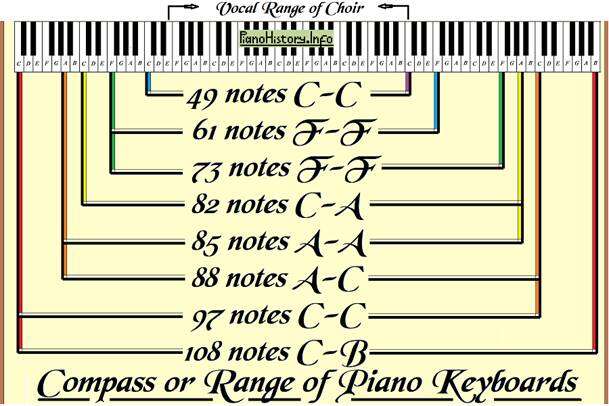
A 25-key controller works well for short melodies, bass lines, and drum patterns. It also leaves more room for a mouse and audio interface. A 61-key keyboard gives you more space for chords and two-hand parts. An 88-key model suits piano players who want the full range and fewer octave changes.
Key count does not decide quality by itself. A small controller with useful pads can be better for beat production than a large keyboard with no studio controls. Think about how you write songs in FL Studio. If you use the Piano Roll for most notes, a compact controller may be enough.
2. Check MIDI, Keys, and FL Studio Control
FL Studio receives MIDI notes from a compatible keyboard. USB-MIDI makes the setup simple in many cases, but you still need to select the device inside FL Studio and map controls when required. Look for velocity-sensitive keys if you want soft and strong notes to sound different. This adds life to piano, pad, bass, and synth parts.
Knobs can control volume, filter cutoff, or plugin settings. Drum pads help you tap kick, snare, and hi-hat parts. Pitch bend can add movement to synth sounds. A standard digital piano may play beautifully but offer fewer hands-on production controls. Choose the features you will use every time you make music.
3. Compare Feel, Space, and Total Value
Weighted or semi-weighted keys usually feel closer to a piano than light, flat keys. They can also make the keyboard heavier and less portable. A foldable or roll-up keyboard saves space but may not offer the same stable feel as a rigid model. Try to balance comfort with the room you have.
Also count the real value of the package. A stand, bench, pedal, case, and headphones can save money for a beginner. A producer may get more value from pads, knobs, and software than from a bench. Read the current Amazon listing and review details because package contents can change over time.
Final Verdict: Which Should You Buy?
The M-VAVE 25-key controller is my top pick for the best keyboard piano for FL Studio. Its pads, knobs, compact size, and dynamic keys support real production work.
Choose an 88-key bundle if piano range matters most. For beat makers, the M-VAVE gives the best balance of control, portability, and value.
FAQs Of best keyboard piano for FL Studio
What is the best keyboard piano for FL Studio?
The M-VAVE 25-key MIDI controller is my top pick for most FL Studio producers because it combines dynamic keys, drum pads, knobs, and a compact design.
Can I use an 88-key digital piano with FL Studio?
Yes. An 88-key piano with USB-MIDI compatibility can send notes to FL Studio. You may need to select the device and map controls inside the software.
Are 25 keys enough for FL Studio?
Yes, 25 keys are enough for melodies, bass lines, short chords, and beat work. You may need octave buttons for wide piano arrangements.
Do I need weighted keys for music production?
No. Weighted keys help piano players, but many producers prefer lighter keys because they are fast and easy to play. Velocity response matters more than weight for many FL Studio tasks.
What should I check before buying a MIDI keyboard for FL Studio?
Check USB-MIDI support, key response, key count, control mapping, computer compatibility, power needs, and the accessories included in the current listing.

Senior Music Reviewer
Alex Carter is a seasoned music reviewer with over a decade of experience in the world of sound and instruments. Passionate about helping musicians and enthusiasts make informed choices, he brings sharp insights and in-depth knowledge to every review. From classical instruments to modern gear, Alex combines technical expertise with a love for music to deliver content that resonates with readers.
As a Senior Music Reviewer and expert author on Tuneluma.com, Alex is dedicated to sharing honest evaluations, practical advice, and thoughtful commentary to guide readers in their musical journey.