Introduction
In the United States, a used violin can be worth anywhere from about $50 to more than $50,000, depending on its age, maker, condition, sound, history, and market demand. Most ordinary student violins sell for $100 to $800, while good intermediate and professional instruments often bring $1,000 to $10,000 or more.
The label inside the violin does not prove its value. A violin marked “Stradivarius,” for example, is usually a copy unless an expert confirms otherwise. The best way to estimate value is to combine the violin’s physical condition, documented history, quality, playability, and recent U.S. sales of similar instruments.
This guide explains how much different types of used violins are worth, how to check one at home, when to seek an appraisal, and how to avoid common pricing mistakes.


Used violin value at a glance
The table below gives broad U.S. resale estimates for complete violins in usable condition. These are general ranges, not guaranteed prices. A violin with a strong maker, excellent condition, or verified history may fall outside them.
| Used violin type | Typical U.S. value |
|---|---|
| Basic student violin, older or worn | $50–$200 |
| Decent student violin with case and bow | $150–$600 |
| Better student or advancing-player violin | $500–$1,500 |
| Intermediate violin by a known workshop or maker | $1,000–$5,000 |
| Professional violin by a respected modern maker | $3,000–$20,000+ |
| Older European workshop violin | $1,000–$15,000+ |
| Verified fine antique violin | $10,000–$100,000+ |
| Important historical or master-made violin | $100,000 to several million dollars |
These ranges overlap because the category alone does not set the price. A well-made 20-year-old violin may be worth more than a poorly repaired 100-year-old violin.
A dealer may offer less than the expected retail price because the dealer must inspect, repair, market, and guarantee the instrument. A private sale may bring more, but it also carries greater risk for both buyer and seller.

What determines how much a used violin is worth?
A used violin’s value comes from several factors working together. The most important are the maker, condition, sound, authenticity, age, and sales channel.
Maker and workshop
The maker is often the strongest value factor. Violins made by recognized makers, respected workshops, or established American and European schools usually have a clearer market than anonymous instruments.
Names associated with famous makers are often copied. A printed or handwritten label may identify a model, not the actual maker. Some labels say “made after” or “copy of,” which means the violin was modeled on another instrument.
A label can support research, but it does not authenticate a violin. Authentication may require an examination of:
- The label and its paper
- The wood and construction
- The varnish
- The scroll and f-holes
- Repairs and alterations
- The instrument’s documented ownership history
Condition
Condition can change value by thousands of dollars. Small cosmetic marks may have little effect, while structural damage can make a violin expensive to repair or difficult to sell.
Important condition issues include:
- Open seams
- Cracks in the top, back, or ribs
- A sound-post crack
- A bass-bar crack
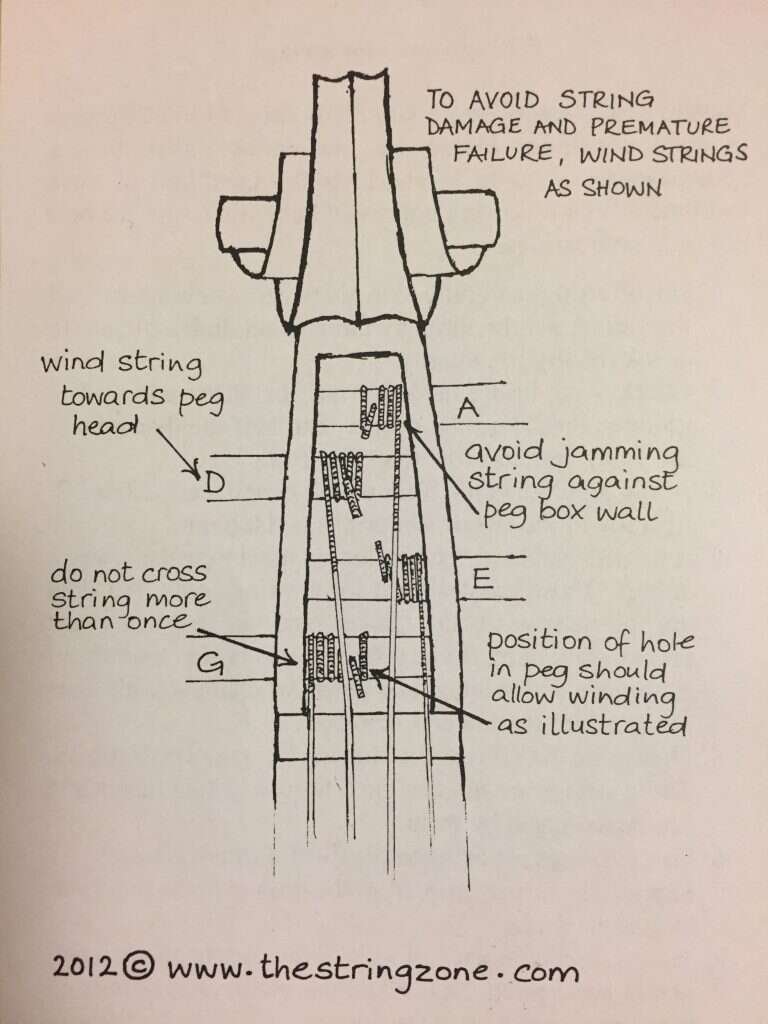
- A damaged neck or pegbox
- A neck that has shifted or come loose
- Warped ribs
- excessive wear to the fingerboard
- Poor repairs
- Missing varnish
- Woodworm damage
- A bridge that is too low, too high, or badly cut
A repaired crack is not always a serious problem. A clean, professional repair may be stable and accepted by the market. An unrepaired crack, badly repaired damage, or a crack in a high-stress area is more concerning.


Sound and playability
Sound affects what players are willing to pay. A violin that responds well, stays in tune, and produces a useful tone may be more valuable than a similar-looking instrument with weak or uneven sound.
Sound is also subjective. One player may prefer a bright, focused tone, while another may want a warm, dark sound. That is why a price estimate based only on photographs is limited.
Playability depends on setup as well as the violin itself. A good setup may include:
- A properly fitted bridge
- Correct sound-post placement
- Well-shaped pegs
- A level fingerboard
- Suitable string height
- Working fine tuners
- Good strings
A violin that sounds poor because of a bad setup may improve after professional adjustment. A violin with major structural problems may not.
Age
Age alone does not make a violin valuable. Many old violins are common student or workshop instruments. Some newer violins by respected makers are worth more than much older anonymous instruments.
Age matters most when it connects with:
- A documented maker
- A recognized regional school
- Good preservation
- Stable repairs
- Desirable tonal qualities
- A reliable ownership history
Provenance and authenticity
Provenance means a documented history of ownership or origin. A receipt from a respected dealer, an old appraisal, auction records, or papers from a recognized expert can support value.
Provenance does not replace examination. A document may describe a violin incorrectly, may apply to another instrument, or may reflect an old opinion that the market no longer accepts.
Bow, case, and accessories
A violin outfit may include a bow, case, shoulder rest, mute, rosin, and extra strings. These items affect the total selling price, but they should be valued separately.
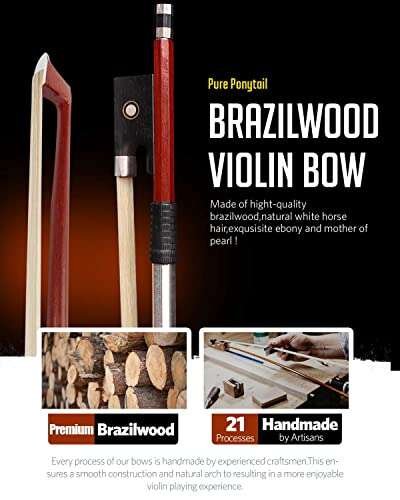
A good pernambuco or carbon-fiber bow can be worth more than the violin. A valuable bow may have its own maker, certificate, and repair history.
A basic case may add little value. A strong, modern case can make the outfit more useful, but it usually does not add its full purchase price to the violin’s resale value.

Used violin price ranges by player level
The player level gives a useful starting point, but it is not a formal grading system. Many brands use different model names, and sellers sometimes call a basic instrument “professional” without evidence.
Beginner and student violins: about $50 to $800
Most beginner violins fall into this range on the used U.S. market. Very basic instruments may sell for $50 to $200, especially if they need new strings, bridge work, or repairs.
A better student outfit may sell for $200 to $800 when it has:


- A reliable brand or workshop
- A straight neck
- No major cracks
- A usable bow
- A serviceable case
- A recent professional setup
Local school programs and private teachers often know which student instruments hold value. A familiar brand with available replacement parts may be easier to sell than an anonymous violin.
Intermediate violins: about $800 to $5,000
Intermediate instruments are made for players who need better response, projection, and tonal range. Some are produced by large workshops, while others come from individual makers.
Prices vary widely because “intermediate” is not a controlled term. A $1,500 violin from a respected workshop may be a sensible purchase, while a poorly made violin advertised at the same price may not be.
For this category, compare:
- Recent dealer prices
- Auction results for the same model
- The cost of needed repairs
- The violin’s sound in person
- Whether the instrument has a recognized maker or workshop
Professional violins: about $3,000 to $20,000 or more
Professional violins may be made by respected modern makers, established workshops, or known historical makers. Their value depends strongly on reputation and documentation.
A professional violin should not be priced only by its age or appearance. A certificate from a recognized specialist, a clear sales history, and a direct comparison with similar instruments can make a major difference.
At this level, buyers commonly expect a qualified inspection. A seller may need to provide condition details, repair records, and information about the bow and case.
Antique and historically important violins
Some antique violins sell for a few thousand dollars. Others sell for tens or hundreds of thousands. A small group of important instruments reaches much higher prices through major auction houses and specialist dealers.
These instruments require special care because value can depend on:
- Attribution to a specific maker
- Date and place of manufacture
- Originality
- Restorations
- Ownership history
- Certificates from respected specialists
- Institutional or collector demand
Do not assume that a violin is valuable because it looks old. Artificial aging, dark varnish, worn edges, and old-looking labels are common in inexpensive copies.

How to estimate the value of a used violin
You can make a useful first estimate by following a consistent process. This will not replace an expert appraisal, but it can help you decide whether professional advice is worthwhile.
1. Identify the violin
Record every visible detail:
- Brand name
- Maker’s name
- Label wording
- Model number
- Serial number
- Country of origin
- Date shown on the label
- Any stamp on the bridge, button, or tailpiece
- Bow markings
- Case markings
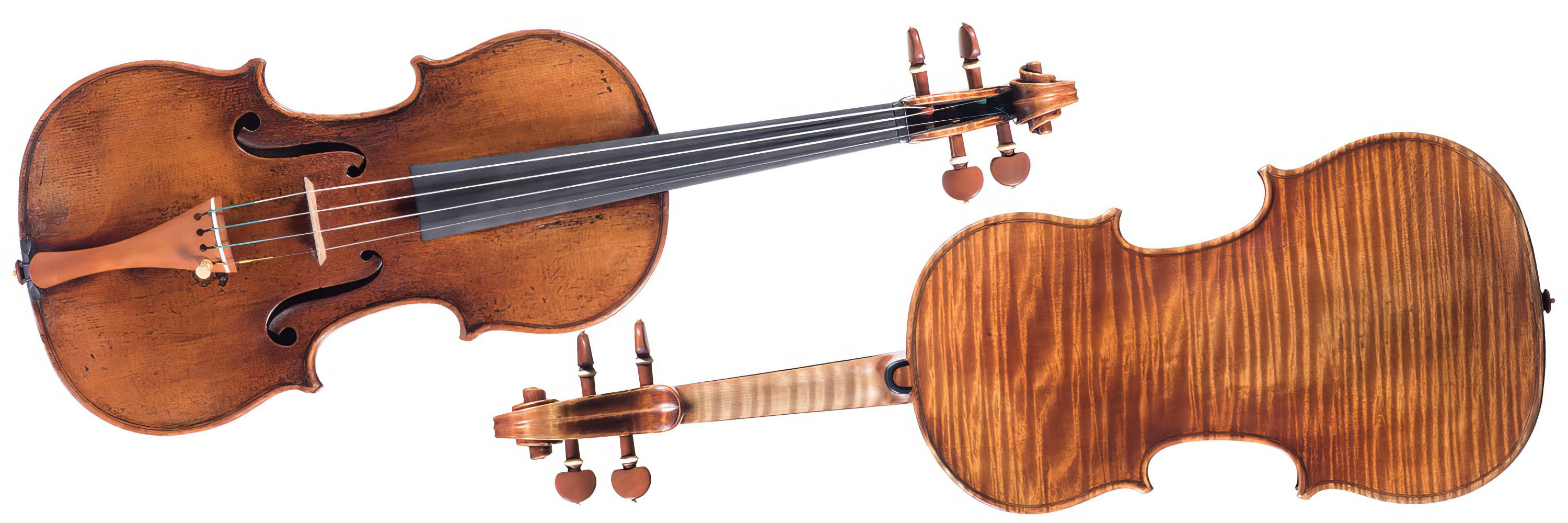
Take clear photographs of the front, back, sides, scroll, label, bridge, and any damage. Good photographs help a dealer decide whether an in-person inspection is worthwhile.
2. Inspect the structure
Look in strong natural light. Check for:


- Cracks
- Open seams
- Gaps around the ribs
- A loose neck
- A leaning bridge
- A missing sound post
- Loose purfling
- Damaged corners
- A warped fingerboard
- Pegs that slip
- A tailpiece that is cracked
Do not force tight pegs, move the bridge aggressively, or glue a crack yourself. Incorrect repairs can reduce value and create more damage.
3. Check whether it can be played
If the violin is safe and set up, have an experienced player test it. Listen for:
- Easy response
- Even volume across the strings
- Clear notes in higher positions
- Excessive buzzing
- Rattling
- Weak projection
- Unusual wolf tones
- Difficulty tuning
A violin that has not been played for years may need professional setup before its sound can be judged fairly.
4. Research comparable sales
Look for the same maker, model, or workshop in:
- U.S. violin dealers’ archives
- Auction-house results
- Specialist violin marketplaces
- Published price guides
- Regional music stores
Compare instruments with similar condition and documentation. Do not compare a dealer’s retail price with an auction result without adjusting for the difference in service, warranty, commission, and buyer expectations.
5. Subtract repair costs
A violin that appears to be worth $1,000 may have a lower net value if it needs $600 in repairs. Use this simple estimate:
Estimated net value = likely selling price − necessary repair and selling costs
For example, if similar violins sell for $1,200 and the instrument needs $300 in setup work plus $100 in selling costs, the estimated net value may be about $800.
This is a hypothetical calculation, not a guaranteed result. Repairs can uncover additional problems, and the selling price may change with the market.
6. Get more than one opinion for valuable instruments
For a violin that may be worth more than a basic student instrument, contact at least two qualified U.S. dealers, appraisers, or violin specialists. Ask whether the estimate is:
- An insurance value
- A retail replacement value
- A private-sale estimate
- An auction estimate
- A dealer purchase offer
These values are not interchangeable. An insurance replacement value is often higher than the amount you would receive from a quick sale.

How much is a violin worth with its bow and case?
A violin outfit is worth the combined value of its useful parts, but not every accessory adds the same amount.
The bow
The bow may be worth almost nothing if it is a basic student bow with damage. A well-made bow by a recognized maker can be worth hundreds, thousands, or much more.
Inspect the bow for:


- A maker’s stamp
- Pernambuco or another wood type
- Straightness
- A secure head
- Good hair
- A working frog
- A functioning screw
- Repairs to the stick or head
A bow with a clear certificate and known maker should be evaluated separately from the violin.
The case
A case may add modest value if it is clean, safe, and in good condition. A damaged case may reduce the appeal of the complete outfit.
Check the case for:
- Working latches
- Strong hinges
- Dry or cracked interior lining
- Mold
- Water damage
- A secure neck support
- Space for the bow
Do not assume an expensive-looking case proves that the violin is valuable.
Strings and accessories
New strings can make a violin easier to sell, but their retail cost rarely transfers dollar for dollar to resale value. Rosin, shoulder rests, mutes, and spare strings generally add convenience more than major value.

Where to sell a used violin in the United States
The best selling method depends on the instrument’s value and your need for speed.
Local violin shop or specialist dealer
A specialist dealer offers the safest path for many mid-range and valuable violins. The dealer can inspect the instrument, identify repairs, and find an appropriate buyer.
The trade-off is price. A dealer’s offer may be lower than a private-sale price because the dealer takes on costs and risk.
Auction house
An auction may suit an antique violin, a documented maker, or an unusual instrument. Auction houses can reach specialist buyers, but fees, reserves, shipping, and uncertain final prices matter.
Ask for a written explanation of:
- Seller’s commission
- Buyer’s premium
- Insurance
- Photography and catalog fees
- Shipping
- Reserve fees
- Payment timing
- What happens if the violin does not sell
Private sale
A private sale may produce a higher price for a common student or intermediate violin. It also requires accurate descriptions and careful handling.
List known flaws. Include clear photographs. Let a buyer inspect the violin or use a trusted third party. Avoid shipping an expensive violin without suitable insurance and a written agreement.
Consignment
With consignment, a shop displays and sells the violin for you. You receive the sale price minus an agreed commission and possibly repair or storage costs.
Get the terms in writing before leaving the instrument. Confirm the insurance value, sale period, commission, repair approval process, and payment date.


Online marketplaces
Online marketplaces can work for lower-value instruments, but they create authentication and shipping risks. A listing that says “old Italian violin” does not establish an Italian origin or high value.
For a valuable violin, online sales should include documentation, detailed condition reports, secure shipping, and a clear return policy.
Common mistakes that lower a violin’s value
Several mistakes appear often in private sales and family discoveries.
Trusting the label alone
A label is evidence to examine, not proof of identity. Copies of famous instruments are common and can be well made, but they are not worth the same as the original maker’s work.
Treating age as proof of value
An old violin may be common, damaged, or heavily altered. Age becomes more useful when supported by construction details, condition, provenance, and specialist opinion.
Cleaning or refinishing the violin
Do not use furniture polish, alcohol, household cleaner, or abrasive cloths. Violin varnish can be delicate. Removing original varnish may reduce value and cause permanent damage.
A luthier, meaning a professional who makes or repairs string instruments, should handle cleaning and varnish work.
Repairing cracks at home
Household glue can make a professional repair harder and may permanently reduce value. Store the violin in a stable indoor environment and seek advice before attempting any repair.
Using one appraisal for every purpose
An insurance appraisal, tax valuation, donation valuation, auction estimate, and dealer offer answer different questions. Always ask what type of value the document represents.
Pricing from an asking price
A seller’s listing shows what someone hopes to receive. A completed sale gives stronger evidence. When possible, compare actual auction results or confirmed dealer sales.

When should you get a professional violin appraisal?
Get a professional opinion when the violin may be valuable, has serious damage, comes from an estate, or has a credible history.
A specialist appraisal is especially useful when:
- The label names a famous maker
- The violin appears to be from the 18th or 19th century
- The bow has a recognized maker’s stamp
- The instrument has old certificates or receipts
- The violin has major cracks or repairs
- You need insurance coverage
- You plan to donate, sell, or divide an estate
- Multiple people have an interest in the instrument
Look for an appraiser who regularly handles violins rather than a general antiques dealer. Ask about qualifications, fees, conflicts of interest, and whether the appraiser buys instruments they value.
For a very valuable violin, an appraisal may include written photographs, measurements, condition details, attribution, and a stated valuation purpose.

Key takeaways
- A used violin in the U.S. may be worth $50 to more than $50,000, with rare historic instruments far above that range.
- Most ordinary student violins sell for roughly $100 to $800.
- The maker, condition, sound, authenticity, and documentation matter more than age alone.
- A label does not prove that a violin was made by the named maker.
- The bow may have a separate and sometimes higher value than the violin.
- Dealer offers are usually lower than retail prices because dealers take on repair, marketing, and resale costs.
- Never clean, refinish, glue, or alter a potentially valuable violin before getting professional advice.
- For valuable or unusual instruments, obtain an opinion from a qualified violin specialist.
Frequently asked questions
Is a violin from the 1800s automatically valuable?
No. Many 19th-century violins are common workshop instruments or copies. Age can support value, but the maker, condition, sound, and documentation are usually more important.
How can I tell if my violin is a real Stradivarius?
You cannot confirm that from the label alone. Genuine Stradivari violins are rare and require specialist examination, detailed comparison, and reliable documentation. Most instruments with a Stradivarius label are copies made after the original.
Does a repaired crack ruin a violin’s value?
Not always. A clean, stable repair may be accepted by buyers. The location, size, quality, and visibility of the repair matter. Sound-post cracks, bass-bar cracks, and poorly repaired damage can have a larger effect.
Is a violin appraisal free?
Some dealers offer an informal opinion at no charge, especially when they may purchase or consign the instrument. A written appraisal for insurance, estate, or legal use usually has a fee.
Should I sell the violin with the bow and case?
Usually, yes, if they are part of the original outfit. However, a valuable bow should be evaluated separately. Selling the bow with the violin without identifying it may cause you to lose money.
What is the fastest way to find a used violin’s value?
Photograph the violin, label, scroll, bridge, bow, and damage. Then contact a reputable U.S. violin shop or specialist dealer. Provide the instrument’s history and ask whether the estimate is for retail, auction, private sale, or dealer purchase.
Conclusion
The answer to “how much is a used violin worth?” depends less on appearance and age than on verified identity, condition, sound, and market evidence. A basic student violin may be worth only a few hundred dollars, while a documented professional or historic instrument can be worth many thousands or far more.
Start with a careful inspection and comparable U.S. sales. If the violin appears old, unusual, or well documented, stop before making repairs and arrange an evaluation with a qualified violin specialist. That small step can prevent damage and give you a much more reliable estimate.

Senior Music Reviewer
Alex Carter is a seasoned music reviewer with over a decade of experience in the world of sound and instruments. Passionate about helping musicians and enthusiasts make informed choices, he brings sharp insights and in-depth knowledge to every review. From classical instruments to modern gear, Alex combines technical expertise with a love for music to deliver content that resonates with readers.
As a Senior Music Reviewer and expert author on Tuneluma.com, Alex is dedicated to sharing honest evaluations, practical advice, and thoughtful commentary to guide readers in their musical journey.