A new violin usually costs $150 to $1,000 for a beginner model, $1,000 to $5,000 for an intermediate instrument, and $5,000 or more for an advanced or professional violin. A complete beginner outfit may cost less because it includes a bow and case, while a high-end violin may be sold by itself.
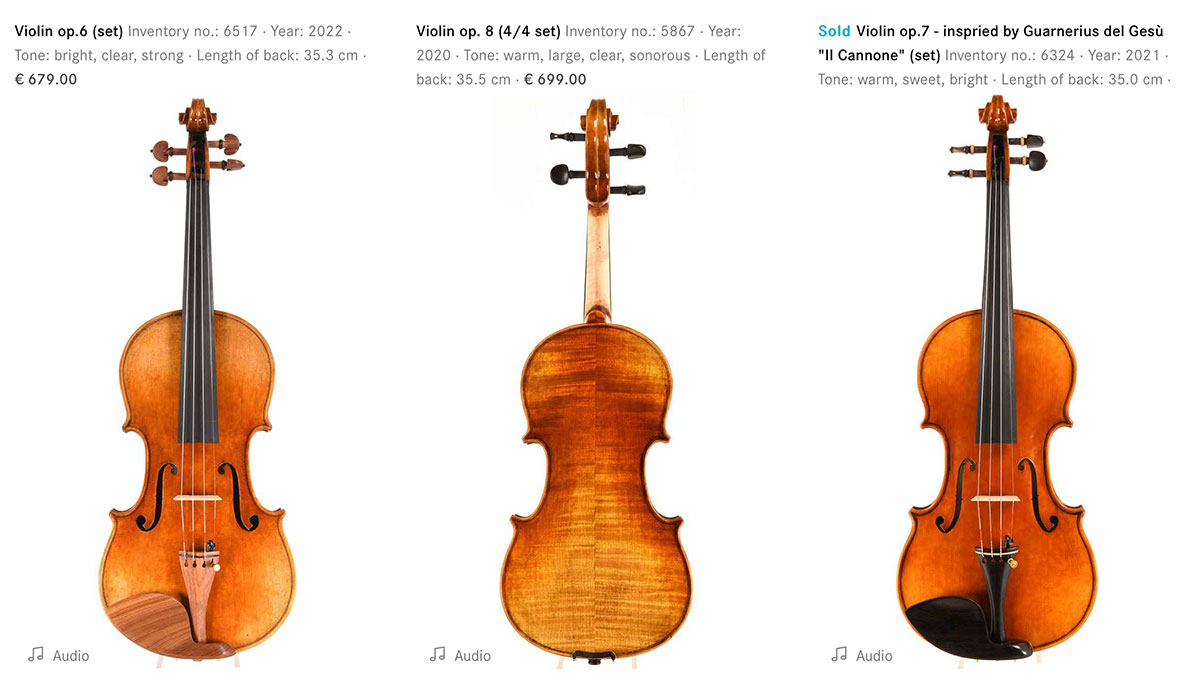
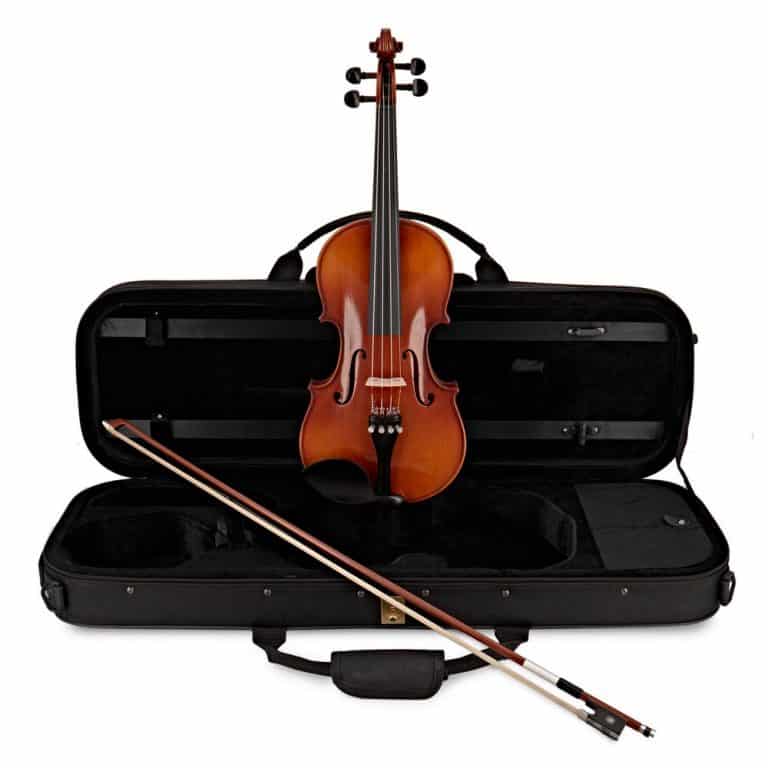
For most students in the United States, a realistic starting budget is $300 to $800 for a properly set-up violin outfit. The price depends on the violin’s materials, workmanship, setup, brand, size, accessories, and the player’s skill level.
Prices change by seller and season. Use the ranges in this guide for planning, not as fixed quotes.
New Violin Price Ranges in the U.S.
The table below shows common U.S. price ranges for a new violin. These are broad retail estimates for standard-size violins and do not include sales tax unless stated.
| Violin type | Typical price for the instrument or outfit | Best for |
|---|---|---|
| Toy or very low-cost violin | Under $150 | Display, very casual use, or short-term trial |
| Entry-level student violin outfit | $150–$400 | New beginners |
| Better student violin outfit | $400–$1,000 | Students taking regular lessons |
| Intermediate violin | $1,000–$5,000 | Advancing students and serious hobbyists |
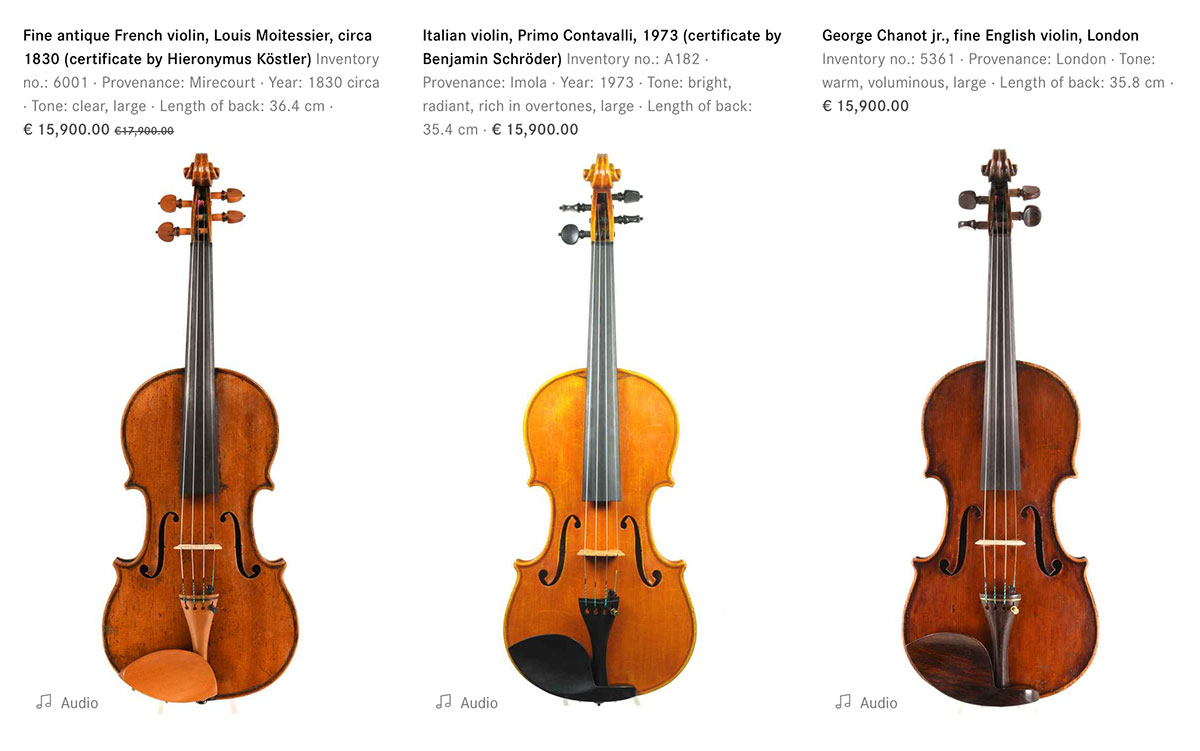
| Advanced violin | $5,000–$15,000 | Conservatory students and skilled performers |
| Professional workshop violin | $10,000–$50,000+ | Professional players and advanced collectors |
| Master-made or historic violin | $50,000 to several million dollars | Specialists, collectors, and major performers |
These ranges overlap because price does not follow one universal quality scale. A well-set-up $500 violin can be easier to play than a poorly set-up $1,000 violin.
What most beginners should expect to pay
A beginner who wants a reliable instrument should usually plan for $300 to $800. This range often includes:
- A violin
- A bow
- A lightweight case
- Rosin
- A shoulder rest or basic accessories
- Initial adjustment by the seller
Some low-cost outfits include every accessory but use weak materials or receive little setup work. A slightly more expensive violin from a specialist shop may offer better tuning stability, smoother strings, and easier bow response.
What intermediate players should expect to pay
Intermediate violins often cost $1,000 to $5,000. They may provide:
- More consistent tone across the strings
- Better projection
- More refined wood and varnish work
- Higher-quality fittings
- More careful bridge, soundpost, and fingerboard work
- Greater room for musical growth
At this level, buying by price alone becomes risky. A player should try several violins or work with a teacher, luthier, or reputable violin shop.
What professional violins cost
Professional instruments can start around $5,000 to $15,000, while fine workshop and master-made violins may cost much more. The price may reflect the maker’s reputation, wood quality, workmanship, tone, condition, provenance, and demand.
A high price does not guarantee that every player will prefer the violin. Tone is personal. A professional player may choose a less expensive violin because its sound and response suit their technique.
What Makes a New Violin More Expensive?
The main price drivers are construction, setup, materials, maker reputation, and performance. These factors affect how the violin feels in the hand and how easily it produces a clear sound.
Materials and construction
Most modern violins use spruce for the top and maple for the back, ribs, and neck. Better instruments may use carefully aged wood with suitable grain and density.
Wood alone does not determine quality. The arching, thickness, carving, varnish, and assembly also matter. Poor work in any of these areas can limit the violin, even when attractive wood is used.
Setup
Setup is one of the most important differences between cheap and useful violins.
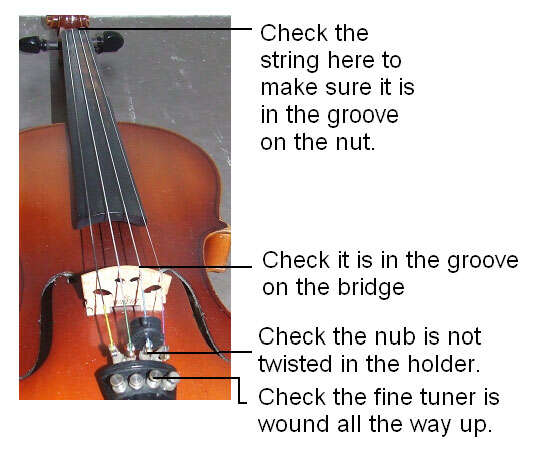
A violin setup may include:
- Cutting and fitting the bridge
- Positioning the soundpost
- Shaping the nut
- Checking fingerboard alignment
- Installing suitable strings
- Adjusting the pegs and fine tuners
- Checking the tailpiece and chin rest
A violin with good setup should tune more easily, respond to the bow, and feel comfortable under the fingers. A poor setup can make a beginner believe they lack ability when the instrument is the real problem.
Strings and fittings
Factory outfits often use basic strings and fittings to keep the price low. Better strings can improve response and tone, but they also add cost.
Common replacement items include:
- Violin strings: about $30–$150 or more per set
- Bow: about $50–$2,000 or more
- Case: about $50–$500
- Shoulder rest: about $20–$100
- Rosin: about $5–$30
Premium ebony fittings, quality pegs, and a well-made tailpiece can improve comfort and function. They do not automatically make the violin sound better.
Maker and brand
A known workshop or maker may charge more because of consistent production, service, demand, and resale value. Brand reputation can help you compare instruments, but it should not replace an actual playing test.
For a beginner, a reliable setup and return policy usually matter more than a famous name.
Size
Full-size violins are generally used by older children, teenagers, and adults. Smaller violins, such as 1/16, 1/10, 1/8, 1/4, 1/2, and 3/4 sizes, may cost slightly less or about the same as full-size models.
Do not choose a size only because it is cheaper. The wrong size can make playing uncomfortable and may affect technique.

A Practical Budget for Buying a New Violin
A useful budget includes more than the price on the tag. Use the following example to estimate the first-year cost.
Example beginner budget
This is a hypothetical U.S. budget for an adult beginner or older student:
| Item | Estimated cost |
|---|---|
| Student violin outfit | $400 |
| Improved shoulder rest | $35 |
| Music stand | $30 |
| Extra set of strings | $60 |
| Tuner or clip-on tuner | $15 |
| First setup or adjustment | $75 |
| Estimated subtotal | $615 |
Sales tax may add to the total. Lessons are separate and can become the largest ongoing cost.
A child may also need a smaller violin, and that instrument may need to be exchanged for a larger size as the child grows. Renting can reduce that risk.
Low-budget buying plan
If your budget is under $250, consider these options:
- Rent from a violin shop.
- Buy a used instrument from a specialist seller.
- Look for a student outfit with a return period.
- Ask a teacher to inspect the violin before the return window closes.
Be careful with extremely cheap online outfits. Some arrive with uncut bridges, stiff pegs, poor strings, or warped parts. Repairing these problems may cost more than the instrument.
Mid-range buying plan
With $300 to $1,000, you can often find a practical student violin. Focus on:
- A clear return policy
- A documented setup
- A shop that serves string players
- A bow that grips the string without excessive bouncing
- Pegs that turn smoothly and hold
- No open seams or cracks
This is the most useful price range for many first-time buyers.
Higher-budget buying plan
If you can spend more than $1,000, try several violins in person when possible. Ask the seller whether you can take instruments home for a supervised trial.
At this level, compare:
- Tone on every string
- Response at soft and loud volume
- Comfort in first and higher positions
- Ease of tuning
- Bow response
- Sound projection
- Repair and return terms
The best choice is usually the instrument that supports your playing, not the one with the highest price.

Hidden Costs of Owning a Violin
The purchase price is only the first cost. Most violin owners also pay for strings, maintenance, repairs, and lessons.
Routine replacement costs
Strings gradually lose brightness and response. How often they need replacement depends on playing time, sweat, string type, and personal preference. A frequent player may replace them several times per year.
Other small costs include:
- Rosin
- Replacement fine tuners
- Bridge adjustments
- Cleaning cloths
- Case humidification supplies in dry climates
- Music and sheet music
Do not apply household cleaners, furniture polish, or oil to a violin. These products can damage varnish. Ask a violin shop about safe cleaning.
Professional maintenance
A violin may need professional attention when:
- The bridge leans forward
- The pegs slip or become difficult to turn
- The strings sit too high or too low
- The sound changes suddenly
- A seam opens
- The instrument develops a crack
- The fingerboard feels loose
- The tailpiece or fine tuner rattles
A basic adjustment may cost less than major repair, but prices vary by region and shop. Crack repair and structural work can become expensive.
Insurance and transport
A valuable violin may need separate musical-instrument insurance. Homeowners or renters insurance may have limits, deductibles, or exclusions for professional use and accidental damage.
Keep the violin away from:
- Direct sunlight
- Radiators and heaters
- Hot cars
- Very dry or very damp places
- Loose objects inside the case
Sudden temperature and humidity changes can damage wood and glue.

Should You Buy or Rent a Violin?
Renting is often the better first step for a child or a new player who is unsure about continuing. Buying may make more sense when the player is committed and knows the right size and level.
Renting
A U.S. violin rental may cost roughly $15 to $50 per month, depending on the shop, instrument, insurance, and rental plan. Some rental programs apply part of the payments toward a future purchase.
Renting can help when:
- A child may soon need a larger size
- The student has not yet started lessons
- You want shop support
- Your budget is limited
- You want to test the instrument before buying
Read the rental agreement. Check who pays for damage, whether strings are included, and whether the rental can be exchanged for another size.
Buying new
Buying new gives you ownership and may provide a warranty or return period. It can be a good fit when:
- The player knows the correct size
- Lessons are already planned
- The instrument will be used for several years
- A teacher approves the choice
- The seller provides setup and service
Buying used
A used violin can offer more value, but condition matters. Examine it with a teacher or luthier before paying.
Look for:
- Open seams
- Repaired or unrepaired cracks
- A badly warped bridge
- Loose purfling
- Pegs that do not hold
- A fingerboard that needs replacement
- A soundpost that has fallen
- Unclear ownership or altered labels
A label inside the violin is not proof of the maker. Many labels name the model or an old maker whose design was copied.
How to Tell If a New Violin Is Worth the Price
Price is only useful when the instrument works well. Use this simple inspection process before buying.
1. Check the seller
Choose a shop or seller that clearly states:
- The violin was professionally set up
- The return period
- The warranty terms
- What repairs are covered
- Whether trial instruments can be compared
- Whether the shop offers future adjustments
A clear return policy reduces the risk of buying an unsuitable instrument online.
2. Inspect the physical condition
Check the violin under good light. Look for:
- Cracks in the top, back, and ribs
- Open seams
- A bridge that is centered and upright
- A straight neck
- Smooth peg movement
- Secure chin rest hardware
- No buzzing from loose parts
A small issue may be repairable, but the seller should disclose it.
3. Play each string
Play open strings and simple scales. Listen for:
- A clear sound
- Even response
- Excessive scratching
- Strong buzzing
- Weak or dead notes
- Large differences in volume between strings
Beginners may not know what to listen for. A teacher can hear problems that are hard to notice at first.
4. Test the bow
A bow should not feel badly warped or excessively loose. The hair should grip the string with normal bow pressure.
Do not tighten the bow hair too far. The stick should still curve inward toward the hair. Loosen the bow after playing.
5. Compare at least two instruments
If possible, compare several violins at the same price. Ask someone else to play them while you listen from a few feet away.
The violin that sounds impressive under your ear may not project well to a listener. Comparing instruments in the same room gives you a more useful baseline.

Common Mistakes When Buying a New Violin
The most common mistake is choosing the cheapest complete outfit without checking setup or return terms.
Other mistakes include:
- Buying the wrong size
- Treating a famous label as proof of quality
- Assuming a higher price guarantees better tone
- Buying without a usable bow
- Ignoring the cost of strings and maintenance
- Purchasing from a seller with no return policy
- Asking a beginner to judge professional-level tone alone
- Leaving the violin in a hot car
- Using household polish on the varnish
A cheap violin can be a poor value if it needs immediate bridge, peg, and string work. A rental or slightly more expensive student instrument may cost less over the first year.

Key Takeaways
- A new beginner violin outfit in the United States usually costs $150 to $1,000.
- A practical budget for many beginners is $300 to $800.
- Intermediate violins often cost $1,000 to $5,000.
- Advanced and professional violins can cost $5,000 to $50,000 or more.
- Setup, playability, and return support matter as much as the label.
- Renting may be the best choice for young students or uncertain beginners.
- Budget for strings, maintenance, lessons, and sales tax.
- Have a teacher or violin specialist inspect an expensive instrument.
Frequently Asked Questions
Is a $100 violin good enough for a beginner?
Sometimes, but many violins near $100 have poor setup or weak parts. They may be difficult to tune and hard to play. A rental or a properly set-up violin in the $300–$800 range is often a safer choice for serious study.
How much does a full violin outfit cost?
A complete beginner outfit commonly costs $150 to $1,000. It may include the violin, bow, case, rosin, and shoulder rest. Check the listing carefully because some outfits leave out the shoulder rest or include very basic accessories.
Do expensive violins sound better?
Not always. More expensive violins may offer better materials, workmanship, projection, or consistency, but tone is subjective. A player should compare instruments and consider comfort, response, and sound rather than relying on price.
Is it cheaper to rent or buy a violin?
Renting is often cheaper at the beginning because it spreads the cost and may include exchanges or service. Buying can cost less over several years if the player remains committed and uses the instrument for a long time.
How much should I spend on a child’s first violin?
For a child, start by checking the correct size and the rental terms. A monthly rental can be practical because the child may need a larger violin later. If buying, choose a properly set-up student instrument with a good exchange or return policy rather than simply choosing the lowest price.
Does a violin come with a bow?
Many beginner outfits include a bow, but standalone violins often do not. Always confirm what the price includes. A poor bow can make a decent violin feel difficult to play.
Can I buy a violin online?
Yes, but buy from a seller with a clear trial and return policy. The instrument should arrive set up and ready to play. Avoid removing tags or altering the bridge until you know you will keep it, because changes may affect the return.
Conclusion: What Should You Budget for a New Violin?
For most beginners in the United States, plan on $300 to $800 for a new, properly set-up violin outfit. If the player is young or uncertain about continuing, compare that cost with a reputable rental program.
For an advancing student, a budget of $1,000 to $5,000 opens the door to more responsive instruments. At every level, prioritize correct size, setup, playability, and seller support over a famous name or attractive finish.
The best next step is to ask a teacher or violin specialist to compare two or three instruments before you buy.

Senior Music Reviewer
Alex Carter is a seasoned music reviewer with over a decade of experience in the world of sound and instruments. Passionate about helping musicians and enthusiasts make informed choices, he brings sharp insights and in-depth knowledge to every review. From classical instruments to modern gear, Alex combines technical expertise with a love for music to deliver content that resonates with readers.
As a Senior Music Reviewer and expert author on Tuneluma.com, Alex is dedicated to sharing honest evaluations, practical advice, and thoughtful commentary to guide readers in their musical journey.