In the United States, a violin bow is not made to cut like a knife. Still, it can cause a cut, puncture, or splinter injury if it breaks, has a sharp damaged part, or is used with force. The risk is usually low during normal playing, but the tip, frog, metal fittings, and broken wood can hurt skin or eyes.
A violin bow can also injure someone if it is waved, thrown, or used as a pointed object. Treat an open wound, eye injury, or deep puncture as a medical concern.

Can a violin bow really cut you?
Yes. A violin bow can cut or puncture skin, but the most likely injury is a small scrape, splinter, or puncture rather than a clean knife-like cut.
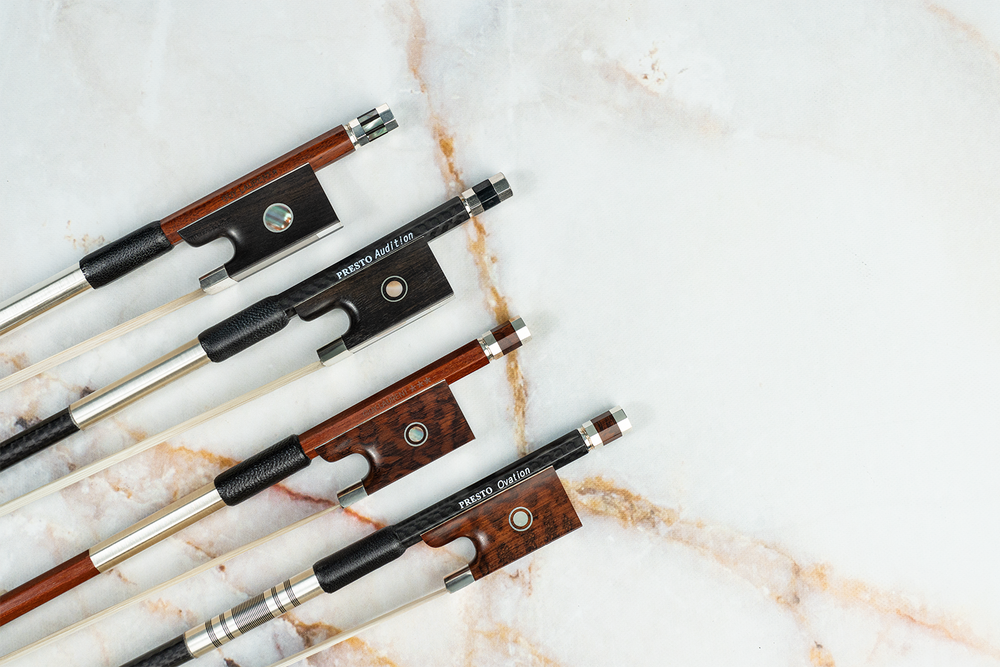
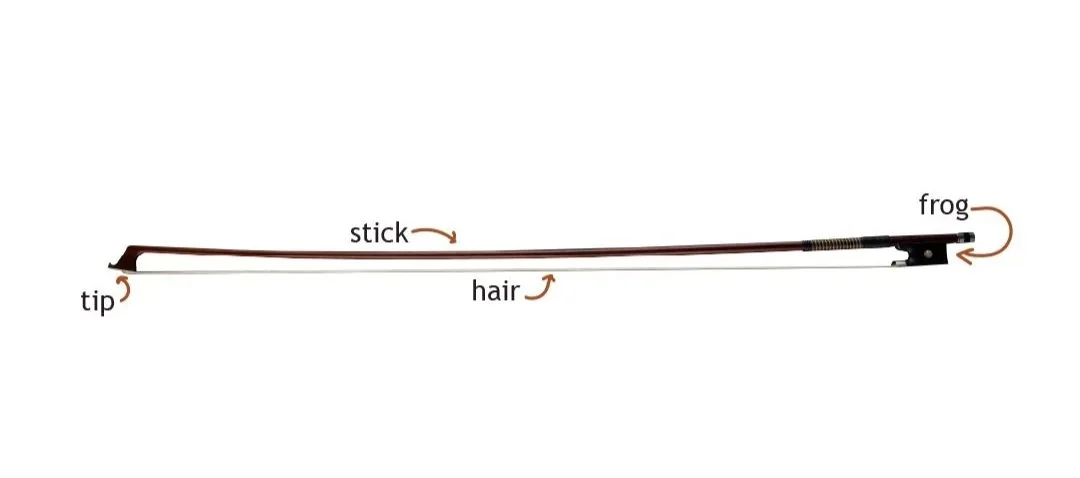
A bow has several parts that may cause injury:
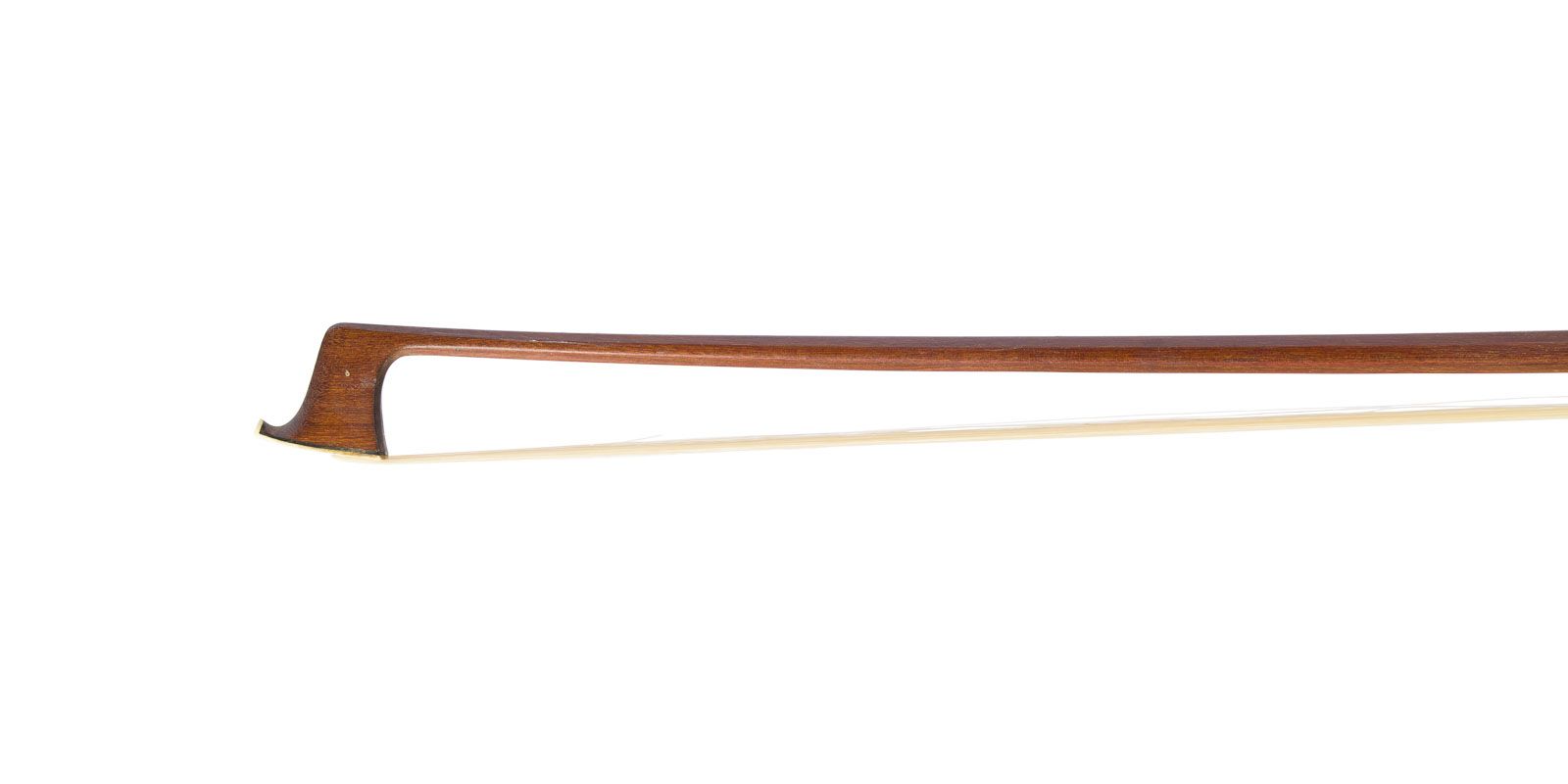
- The tip: The pointed end can poke skin, an eye, or another soft area.
- The stick: A wooden bow may splinter when it cracks or breaks.
- The frog: This is the part held near the hand. Its edges, fittings, or metal parts may scratch.
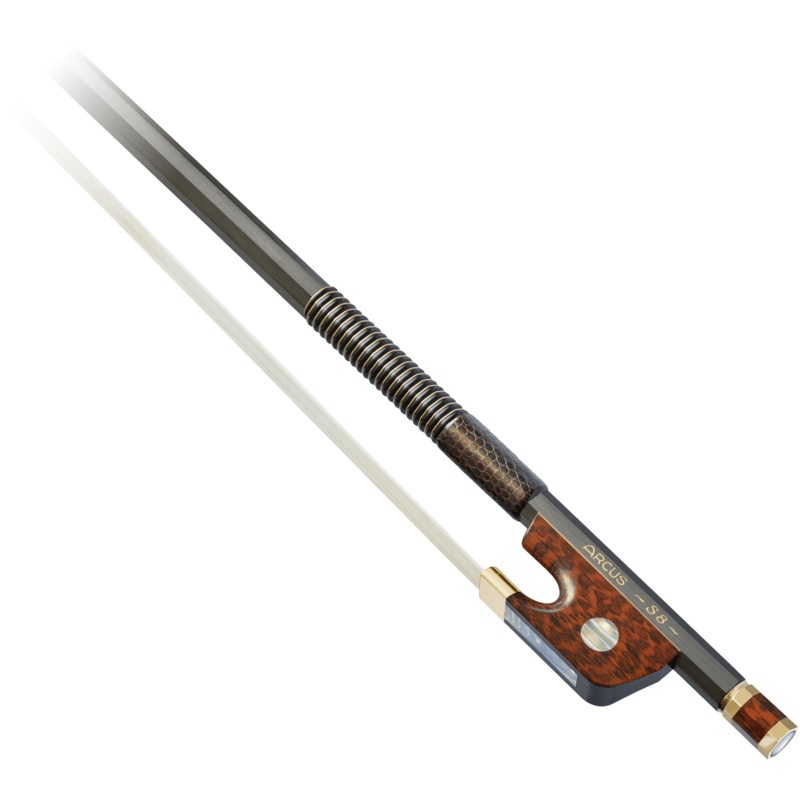
- The winding: Metal or synthetic winding can become rough or sharp if it loosens.
- The screw and button: These parts can pinch or scratch during handling.
- The hair: Bow hair is not normally sharp enough to cut skin, but broken or dirty hair may irritate the skin.
- Carbon-fiber damage: A broken carbon-fiber bow can have rough or pointed fragments.
Normal bowing places the bow across the strings. It does not normally create enough contact with skin to cut someone. Most injuries happen during accidents, rough play, rushed handling, repairs, or contact with a broken bow.
The bow tip deserves extra care. It is narrow and often firm enough to cause a puncture if someone thrusts it forward or falls onto it.

Which violin bow parts are most dangerous?
The tip and broken stick pose the greatest risk of a cut or puncture. The frog and fittings can cause smaller scrapes, while the bow hair is rarely the source of a serious cut.
| Bow part | Likely injury | Risk during normal playing |
|---|---|---|
| Tip | Puncture, eye injury, skin wound | Low |
| Wooden stick | Splinter, cut, impact injury | Low |
| Carbon-fiber stick | Abrasion or sharp fragment after breakage | Low |
| Frog | Scratch, pinch, impact | Very low |
| Metal winding | Scratch or small cut if loose | Very low |
| Bow hair | Skin irritation or minor snap | Very low |
| Screw and button | Pinch or scratch | Very low |
A damaged bow may become less predictable. For example, a crack near the tip can produce a sharp edge. A loose winding can expose rough wire. A broken bow may also snap back or fall apart when tension is released.
Do not run your fingers along a cracked bow to find the damaged area. Place it in a case or on a stable surface, keep children away, and ask a qualified violin repair professional to inspect it.
Can violin bow hair cut skin?
Usually, no. horsehair or synthetic bow hair is thin and strong, but it is not normally used as a cutting edge. It may still cause a small sting, skin irritation, or a minor scratch if it breaks under tension.
The larger concern is the bow itself. A bow under tension can move suddenly if the hair, screw, or stick fails. That is why you should loosen the bow hair after playing and avoid tightening a bow that shows cracks or damage.
Can a violin bow hurt your eye?
Yes. Even a light bow can cause a serious eye injury if the tip strikes the eye. A poke may damage the cornea, the clear front surface of the eye, or deeper structures.
Keep the bow pointed away from faces. When carrying it, hold it securely and avoid swinging it near other people. Do not allow children to play with a bow as a toy or sword.
What should you do if a violin bow cuts you?
For a minor cut, wash your hands, control bleeding, rinse the wound, and cover it. For a deep puncture, heavy bleeding, an eye injury, or a wound from a dirty or broken bow, seek medical care.
For a small surface cut
- Put the bow down. Move away from the damaged or sharp part.
- Wash your hands with soap and clean water.
- Apply gentle pressure with clean gauze or a clean cloth.
- Rinse the wound with clean running water once bleeding is controlled.
- Clean the surrounding skin with soap. Keep soap out of the wound.
- Cover it with a sterile bandage or clean dressing.
- Watch for infection over the next few days.
Do not pour hydrogen peroxide, rubbing alcohol, or bleach into a wound. These products can irritate tissue and slow healing. Do not blow on the wound or use an unclean cloth.
For a puncture wound
A puncture may look small but extend deeper than it appears. Do not dig into the wound, pull out a deeply embedded fragment, or push the tip farther into the skin.
Get medical advice if the wound is deep, dirty, painful, near a joint, on the hand, or caused by a broken bow. A clinician may need to check for retained material, tendon damage, nerve damage, or infection.
The MedlinePlus guidance on puncture wounds explains why these injuries can need professional care even when the opening is small.
For heavy bleeding
Call 911 in the United States if bleeding is severe, does not stop after firm direct pressure, or appears to spurt. Apply steady pressure with clean gauze or cloth.
If blood soaks through, add another layer on top. Do not remove the first layer. If the injury involves an arm or leg and bleeding is life-threatening, follow the 911 dispatcher’s instructions about emergency bleeding control.
For an eye injury
Treat a bow strike to the eye as urgent. Do not rub or press the eye. Do not try to remove an object stuck in the eye.
Cover the injured eye loosely with a clean shield or dressing, avoid food and drink if surgery may be needed, and seek emergency medical care. Call 911 if there is major bleeding, loss of vision, severe pain, or a penetrating injury.
Check tetanus protection
A puncture or dirty wound may require a tetanus booster. The need depends on the wound and your vaccination history. The Centers for Disease Control and Prevention advises clinicians to assess both the wound type and the person’s vaccine record.
If you do not know when your last tetanus shot was, contact a health care professional. Do not guess when the wound is deep, dirty, or punctured.

When should you see a doctor?
Seek prompt medical care if the violin bow injury has any of these signs:
- Bleeding continues after 10 minutes of firm pressure.
- The wound is deep, gaping, or near the eye.
- A piece of wood, carbon fiber, metal, or hair remains inside.
- You cannot fully move or feel the injured finger, hand, arm, or leg.
- The injury causes numbness, weakness, severe pain, or swelling.
- The wound is over a joint or tendon.
- The bow struck the eye, face, throat, or neck.
- Redness, warmth, pus, fever, or worsening pain develops later.
- Your tetanus vaccination status is unknown or not current.
Call 911 for uncontrolled bleeding, trouble breathing, fainting, confusion, major eye trauma, or a suspected injury to the neck.
A pharmacist, urgent care clinician, or primary care office may help with a small wound and tetanus questions. Use an emergency department for deep wounds, severe bleeding, eye injuries, or possible foreign objects.
How can you prevent a violin bow injury?
The best prevention is simple handling and early repair. A violin bow should not be used as a toy, pointer, or weapon.
Follow these habits:
- Keep the bow pointed down or toward open space when carrying it.
- Never swing it near another person’s face.
- Loosen the bow hair after each playing session.
- Store the bow in a fitted case.
- Keep the case closed when the bow is not in use.
- Inspect the stick, tip, frog, winding, and screw for cracks or loose parts.
- Stop using the bow if it feels unstable, makes a new noise, or shows a split.
- Do not try to glue or sand a structural crack yourself.
- Have a violin repair professional inspect damaged bows.
- Teach children that a bow is a fragile music tool, not a toy.
A loose hair or broken hair does not always mean the bow is unsafe. A crack in the stick, a damaged tip, or a loose metal part needs more caution. When in doubt, stop playing until the bow has been checked.
What if a violin bow breaks while you are playing?
If a bow breaks, stop playing and move your hands away from the broken area. Do not keep tightening or loosening the screw if the stick is cracked.
Place the bow in its case only if you can do so without touching a sharp fragment. Otherwise, set it on a stable surface and keep people away. Use gloves only if they are readily available and do not cause you to handle the broken piece more forcefully.
Take clear photos from a safe distance and contact a violin shop or bow repair specialist. A professional can determine whether the damage is repairable and whether the bow has internal weakness.
Do not use a damaged bow because it still produces sound. Continued tension can worsen a crack and increase the chance of a sudden break.
Key takeaways
- A violin bow can cut or puncture you, but this is uncommon during normal playing.
- The tip, cracked stick, broken wood, and rough metal parts create the main risks.
- A bow strike to the eye needs urgent medical attention.
- Clean small wounds, apply pressure, and cover them.
- Seek care for deep punctures, retained fragments, serious bleeding, loss of movement, or infection signs.
- Loosen the bow after playing and stop using it if it is cracked or unstable.
FAQs
Can a violin bow be used as a weapon?
It can cause injury if someone swings or thrusts it, but it is a fragile musical tool and should never be used as a weapon. The pointed tip can cause a puncture, and the stick can break into sharp fragments.
Is a violin bow sharper than a knife?
No. A violin bow is not designed with a blade and is not normally sharper than a knife. Its tip or broken parts can still puncture or scratch skin.
Can a violin bow cause a serious injury?
Yes, although serious injuries are uncommon. A bow can cause a deep puncture, eye trauma, splinter injury, or severe bleeding if it breaks or is used with force.
Should I use a bow with a small crack?
No. Even a small crack may spread under bow tension. Stop using it and have it examined by a qualified violin repair professional.
Do I need a tetanus shot after a violin bow cut?
Possibly. The answer depends on the wound and your vaccination history. A puncture or dirty wound can require a booster, especially when your last tetanus vaccine is unknown or was not recent. Contact a health professional for individual guidance.
Conclusion
A violin bow can cut you, but ordinary playing is not usually dangerous. The main hazards are the pointed tip, cracked wood, broken carbon fiber, loose metal fittings, and careless handling.
Check the bow before use, loosen it after playing, and store it safely. If an injury is deep, dirty, severe, or near the eye, get medical help rather than treating it as a simple scratch.

Senior Music Reviewer
Alex Carter is a seasoned music reviewer with over a decade of experience in the world of sound and instruments. Passionate about helping musicians and enthusiasts make informed choices, he brings sharp insights and in-depth knowledge to every review. From classical instruments to modern gear, Alex combines technical expertise with a love for music to deliver content that resonates with readers.
As a Senior Music Reviewer and expert author on Tuneluma.com, Alex is dedicated to sharing honest evaluations, practical advice, and thoughtful commentary to guide readers in their musical journey.