A gravity blast is a fast drumming technique used mainly in extreme metal, death metal, grindcore, and hardcore. It lets one hand produce two rapid snare hits from one main downward motion. The drummer uses the stick’s rebound, the snare rim, and a relaxed hand motion to create a dense burst of sound.
The term can mean slightly different things from drummer to drummer. In most cases, it describes a freehand-style blast beat rather than a separate bass drum pattern. The feet may play steady double-bass notes while the hands create the gravity-blast effect on the snare.

How Does a Gravity Blast Work?
A gravity blast works by turning one stick motion into two hits. The first hit comes from the stick striking the snare. The second comes from the stick bouncing off the rim or head as the hand changes direction.
The motion is small. The drummer does not lift the arm high for every note. Instead, the hand stays loose and lets the stick rebound. This saves energy and allows fast, even notes.
A basic gravity-blast motion often looks like this:
- The stick moves down and hits the snare.
- The stick rebounds from the head or rim.
- The hand guides the stick upward.
- The stick makes a second hit during that return motion.
- The hand drops again to begin the next pair.
This creates two notes from one full hand cycle.
The name “gravity blast” comes from the use of the stick’s natural drop and rebound. Gravity helps start the stroke, but the technique is not completely passive. The drummer still controls the grip, rebound, timing, and sound.
Is it the same as a freehand technique?
A gravity blast is closely related to the freehand technique. Both methods use a single hand motion to create two or more rapid hits. Some players use the terms as synonyms. Others use “gravity blast” for a specific version that uses the snare rim to help produce the second stroke.
Because drumming terms are not always standardized, lesson videos may show similar motions under different names. The sound, hand path, and rim use matter more than the label.
What does it sound like?
A gravity blast can sound like a tight stream of snare notes:
“one-and, two-and, three-and, four-and”
When played with fast bass drum notes, it can create the continuous wall of sound heard in many extreme-metal recordings.
The tone depends on where the stick lands. A hit on the snare head produces a fuller sound. A rim-assisted hit may sound sharper and more metallic. Some drummers mix head and rim contact to make the pattern easier to play.

Gravity Blast vs. Other Blast Beats
A gravity blast is one way to perform a blast beat. It is not a single fixed pattern. The main difference is how the drummer produces the hand notes.
A blast beat usually combines:
- Fast snare or hand notes
- Fast bass drum notes
- A steady cymbal pattern
- A strong, even pulse
The hand technique may change while the basic blast-beat role stays the same.
| Technique | Main hand method | Common feature |
|---|---|---|
| traditional blast beat | Alternating hands | Snare and cymbal may alternate |
| Hammer blast | Repeated hand strokes with a hammer-like motion | Often uses strong, direct strokes |
| Bomb blast | Snare and bass drum align closely | Creates a heavy, unified impact |
| Hyperblast | Very fast, often continuous notes | Common in technical and extreme metal |
| Gravity blast | Rebound and freehand motion | One hand can create two fast hits per cycle |
These labels vary by player, scene, and instructor. They should not be treated as strict scientific categories.
Gravity blast vs. double strokes
A double stroke uses two hits from one hand or stick motion. A gravity blast also produces paired hits, but its motion often relies more heavily on a rim or rebound point.
The difference is easiest to hear and feel:
- A normal double stroke may use finger control and wrist rebound.
- A gravity blast often uses a larger drop-and-return motion.
- A gravity blast may include a rim contact.
- A double stroke can work on many drums and surfaces.
- A gravity blast is most often associated with the snare in blast-beat playing.
A strong drummer can use both methods. The best choice depends on speed, volume, comfort, and the sound needed.
Gravity blast vs. blast doubles
A blast double often means that the hands play two snare hits for each cymbal hit or bass drum unit. The exact pattern differs across styles.
A gravity blast can help play blast doubles, but the terms describe different things:
- “Blast double” usually describes a rhythmic pattern.
- “Gravity blast” usually describes a hand technique.
That distinction helps explain why two drummers may play the same pattern with different motions.

How to Play a Gravity Blast
Start slowly. The goal is not raw speed. The goal is a relaxed motion that produces two clean hits.
1. Set up the snare
Place the snare at a height that lets your forearm stay relaxed. Keep the drum close enough that you do not need to reach.
Many drummers use a slight angle toward the player. This can make rim-assisted strokes easier. Do not force the drum into one position. Small changes in height and angle can affect comfort.
Use a stick that feels easy to control. A very heavy stick may add volume but can increase fatigue. A very light stick may feel fast but may produce a thin sound.
2. Hold the stick loosely
Use a matched grip if that feels natural. Keep the thumb and first finger as the main control points, but do not pinch the stick.
The other fingers should support the stick. They should not lock the hand in place. A loose grip helps the stick rebound.
A useful test is to play slow single strokes. If the stick stops after each hit, your grip may be too tight.
3. Practice the two-hit motion
Begin with one hand on the snare. Play two hits from one down-and-up motion:
Down: hit one.
Up: hit two.
Keep the stroke small. Let the stick bounce. Do not slap the drum with the whole arm.
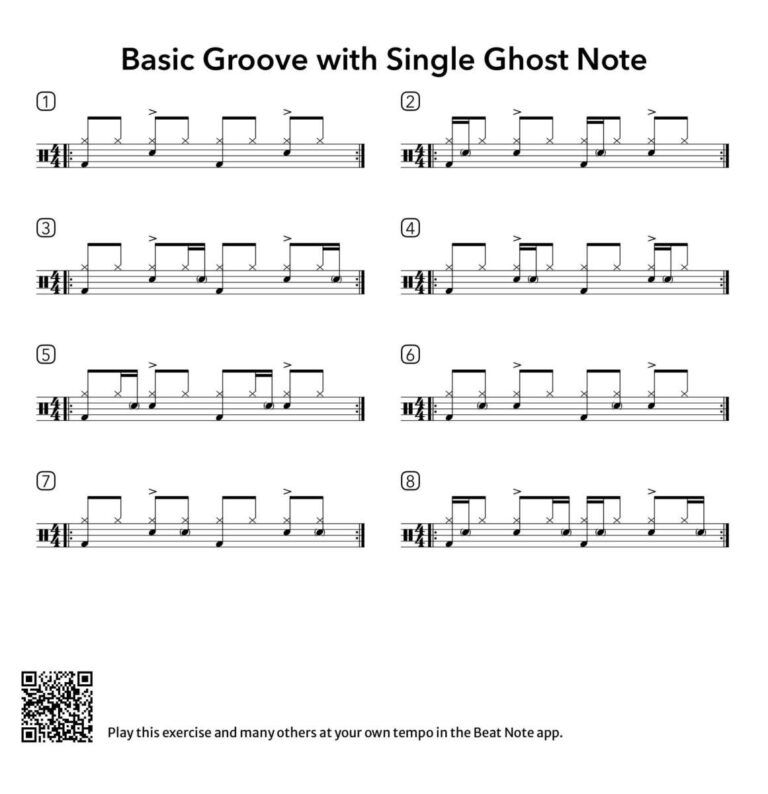
Practice this rhythm:
1-and 2-and 3-and 4-and
R-R   R-R   R-R   R-R
Here, each pair comes from one hand cycle.
Start at a slow tempo, such as 60 beats per minute. Raise the speed only when both hits sound even.
4. Add the rim carefully
If your chosen version uses the rim, let the stick touch the rim during the rebound. The rim should help redirect the stick. It should not receive a hard blow from a locked wrist.
The exact contact point depends on your drum, stick angle, and technique. A slight change can make the motion feel much easier.
Practice near the center of the drum first. Then test a small rim-assisted motion. Keep the volume controlled.
5. Add the cymbal
Once the snare motion feels stable, add a cymbal pattern. Many players use the other hand for steady eighth notes or sixteenth notes.
For example:
Cymbal:  x---x---x---x---
Snare:   R-R-R-R-R-R-R-R-
This is only a practice model. Real blast beats use many patterns.
Keep the cymbal hand calm. If the cymbal hand becomes tense, the whole pattern may slow down.
6. Add the bass drum
Add the bass drum last. Begin with simple quarter notes. Then move to eighth notes and sixteenth notes.
A basic practice pattern could look like this:
Cymbal:  x-x-x-x-x-x-x-x-
Snare:   R-R-R-R-R-R-R-R-
Bass:    K-K-K-K-K-K-K-K-
The “R” represents the right-hand pair. “K” represents a kick note.
Do not rush to full-speed double bass. If the feet become uneven, remove the bass drum and rebuild the hands first.

A Safe Gravity-Blast Practice Routine
Gravity blasts can place repeated stress on the wrist, fingers, forearm, and shoulder. A short, controlled routine is safer and more useful than long sessions played with tension.
Warm up for five minutes
Use slow singles, doubles, and light wrist circles. Keep the volume low. The warm-up should make the joints feel ready, not tired.
Avoid aggressive stretching. Do not force the wrist into painful positions.
Use short speed intervals
Try this sequence:
- Play for 20 seconds at a comfortable speed.
- Rest for 20 seconds.
- Repeat four times.
- Increase the tempo slightly only if the hits stay even.
- End the exercise when tension rises.
A metronome can help. Move up in small steps, such as 3 to 5 beats per minute. Do not chase a speed that causes the stick to bounce out of control.
Watch for signs of good technique
A healthy motion usually has these signs:
- Both hits sound close in volume.
- The hand stays loose.
- The wrist does not collapse.
- The shoulders remain down.
- The motion feels small.
- You can stop without pain.
- Your timing stays steady at a slow tempo.
Speed is not the first measure of success. Control is.
Stop for pain
Stop playing if you feel sharp pain, numbness, tingling, burning, or loss of strength. These signs are different from normal effort or mild muscle fatigue.
If symptoms continue away from the kit or return each time you play, seek advice from a qualified health professional. A drum lesson may fix a technique problem, but it cannot diagnose an injury.

Common Gravity-Blast Mistakes
Most problems come from too much force, too much motion, or poor timing. The fix is often simpler than the mistake.
Using the whole arm
Large arm strokes waste energy. They also make fast playing hard to control.
Fix: Keep the elbow quiet and use a small wrist-and-finger motion. Let the stick rebound.
Gripping too tightly
A tight grip blocks rebound. It can also make the forearm tire quickly.
Fix: Hold the stick firmly enough to control it, but allow it to move after the first hit.
Hitting the rim too hard
The rim should guide the motion, not absorb a heavy strike. Hard rim hits can create excess noise and may damage sticks or rims over time.
Fix: Use a light contact point and adjust the stick angle. The second note should come from redirection, not force.
Practicing too fast
Fast practice can hide uneven notes. It can also teach the wrong motion.
Fix: Slow down until the two hits match. Record yourself if possible and listen for gaps.
Ignoring the feet
The hand pattern may feel easy alone but fall apart when the bass drum joins.
Fix: Add the feet in stages. Start with one kick per beat, then one kick per hand pair, then faster patterns.
Chasing volume
A gravity blast does not need maximum force. Loud playing often creates more tension.
Fix: Practice at a medium volume. Build power later with controlled strokes and proper amplification.
Changing the pattern without noticing
Some players accidentally turn a gravity blast into uneven doubles. The notes may sound fast but lack a stable pulse.
Fix: Use a metronome and count aloud. Make the main beats clear before adding speed.

A Simple Progress Plan
Use this four-stage plan for steady improvement.
| Stage | Exercise | Move on when… |
|---|---|---|
| 1 | One-hand pairs on the snare | Both hits sound even |
| 2 | One hand plus a steady cymbal | The cymbal does not disturb the hand |
| 3 | Add slow kick notes | The pulse stays stable |
| 4 | Raise speed in small steps | You stay relaxed and accurate |
A sample weekly plan might use three or four short sessions. Each session can last 10 to 20 minutes for this technique. More time is not always better.
Record one slow take and one faster take. Compare the spacing between notes, the sound of each hit, and your level of tension.

Does Drum Setup Affect a Gravity Blast?
Yes. Drum setup can change how easy the motion feels, although setup cannot replace good technique.
The snare height matters first. If it is too low, your wrist may bend sharply. If it is too high, your shoulders may lift.
The snare angle also affects rim contact. A small tilt may help the stick move across the rim. Too much tilt can make the sound uneven.
Your cymbal height matters as well. A cymbal placed too high may make the upper hand work harder. Keep it within a comfortable reach.
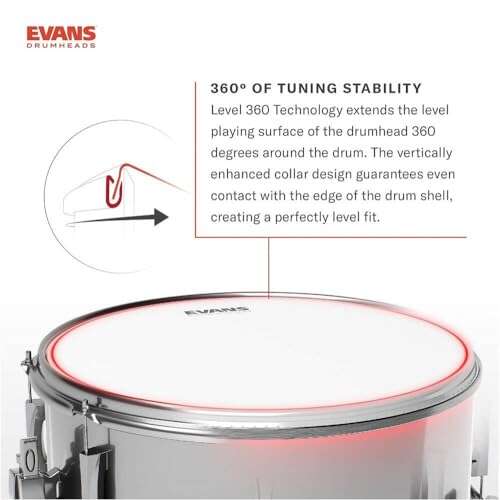
The drumhead and stick also change rebound. A tightly tuned head may return the stick more quickly. A loose head may feel softer and require more control. These are general effects, not fixed rules, because drum types and playing styles vary.
Use setup changes to solve comfort or control problems. Do not use them to force speed before your motion is ready.

Who Should Learn a Gravity Blast?
Gravity blasts are useful for drummers who want fast, compact snare patterns. They are common in extreme metal, grindcore, death metal, black metal, and some forms of hardcore.
You do not need to master them to play blast beats. Traditional alternating strokes may offer better volume, clarity, or control for some patterns.
Gravity blasts may suit you if:
- You want to reduce large arm movement.
- You need rapid paired snare notes.
- You enjoy technical metal styles.
- You can practice with a relaxed grip.
- You want another option for fast hand patterns.
They may not be the best choice for every musical setting. A band may need a broad, loud snare sound rather than a compact rim-assisted texture.
The deciding factor is the musical job. Use the technique because it produces the timing and tone you need, not because it has a faster-sounding name.

Frequently Asked Questions
Is a gravity blast hard to learn?
The first motion can feel unusual. The main challenge is making both hits even while staying relaxed. Most players benefit from learning slow pairs before adding cymbals and bass drum.
Can beginners learn gravity blasts?
Yes, but beginners should first build basic single strokes, doubles, grip control, and timing. A short gravity-blast exercise can be added once those skills feel stable.
Does a gravity blast use the rim?
Often, yes. Many versions use the rim to redirect the stick. Other players use a rebound motion on the snare head and still call it a gravity blast. The term is not fully standardized.
Can I play a gravity blast with either hand?
Yes. The dominant hand may feel easier at first, but practicing both hands can improve balance. Start with the hand that gives you the clearest sound, then work on the other hand at a slower tempo.
Is a gravity blast faster than a normal double stroke?
Not automatically. It may help some drummers produce fast pairs with less arm motion. Speed still depends on timing, relaxation, rebound, coordination, and practice.

Key Takeaways
- A gravity blast is a fast hand technique used in many extreme-metal styles.
- One hand creates two rapid snare hits from a single main motion.
- Rebound, hand control, and sometimes rim contact create the second hit.
- It is related to freehand playing and double strokes but is not identical to either.
- Start with slow, even pairs before adding cymbals and bass drum.
- Keep the grip loose and the motion small.
- Stop if you feel pain, numbness, tingling, or loss of strength.
- The technique is useful, but it is not required for every blast beat or style.
Conclusion
A gravity blast is best understood as a compact, rebound-based way to play rapid snare notes. Its value comes from efficiency and control, not from using force.
Start with one hand, two even hits, and a slow metronome. Add rim contact only when the basic motion feels natural. Then bring in cymbals and bass drum one part at a time.
The cleanest gravity blast is usually the one that feels calm. Build that calm motion first, and speed can follow.

Senior Music Reviewer
Alex Carter is a seasoned music reviewer with over a decade of experience in the world of sound and instruments. Passionate about helping musicians and enthusiasts make informed choices, he brings sharp insights and in-depth knowledge to every review. From classical instruments to modern gear, Alex combines technical expertise with a love for music to deliver content that resonates with readers.
As a Senior Music Reviewer and expert author on Tuneluma.com, Alex is dedicated to sharing honest evaluations, practical advice, and thoughtful commentary to guide readers in their musical journey.