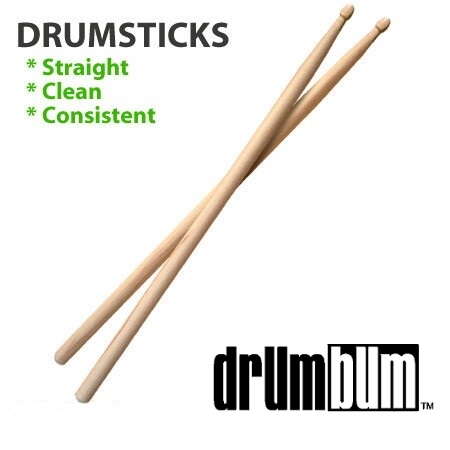
How Much Are Drum Sticks: A Complete Price Guide
Most drum sticks cost $10 to $20 per pair, while specialty models can cost $25 or more.
If you are wondering how much are drum sticks, the answer depends on the wood, size, brand, tip, and playing style. This guide breaks down real-world prices, explains what you get at each level, and shares practical tips to help you buy the right pair without wasting money.
How Much Are Drum Sticks at Different Price Levels?
The price of drum sticks can range from about $5 to more than $30 per pair. Most beginners and working drummers will find good options between $10 and $20.
Here is a simple price guide:
• $5 to $9 per pair: Basic wood sticks, beginner models, and some budget brands
• $10 to $16 per pair: Reliable sticks for practice, lessons, school bands, and regular playing
• $17 to $25 per pair: Premium hickory, maple, oak, signature, or specialty sticks
• $26 to $40 or more per pair: Carbon fiber, hybrid, custom, marching, or highly specialized sticks
• $30 to $100 per bundle: Multi-packs that contain three to six pairs
Prices can change based on the store, finish, shipping cost, and sales tax. A pair marked at $12 online may cost closer to $16 after shipping, so compare the final price rather than only the listed price.
For most players, spending around $12 to $18 is a sensible choice. This range offers strong quality without making every broken stick feel like an expensive loss.

What Affects the Price of Drum Sticks?
Several features affect how much are drum sticks. The most important factors are the material, size, tip design, brand, and special construction.
Wood type
Hickory is the most common drumstick wood. It absorbs shock well and offers a good mix of strength, weight, and comfort. Many popular 5A and 5B models use hickory and cost about $10 to $18 per pair.
Maple is lighter than hickory. It can feel fast and comfortable, especially for softer music, jazz, or players who prefer a larger stick with less weight. Maple sticks often cost about $12 to $20.
Oak is dense and firm. It can last a long time for some players, but it also feels heavier and transfers more vibration to the hands. Oak models usually cost around $12 to $22.
Carbon fiber and synthetic sticks often cost more. They may resist dents and moisture better than wood, but they do not feel exactly like traditional sticks. A synthetic pair can cost $20 to $35 or more.
Stick size
Size affects both price and performance. Common sizes include:
• 7A: Thin and light, often used for jazz, pop, and quiet playing
• 5A: A versatile medium size for beginners, rock, pop, worship, and general use
• 5B: Thicker and heavier, useful for rock, hard-hitting practice, and louder music
• 2B: Large and heavy, often chosen for powerful playing or marching work
A standard size usually costs less than a limited-edition or signature model. However, size alone does not determine the price. A basic 5A and a premium 5A may look similar but use different wood grades or manufacturing methods.
Tip material and shape
Wood tips are common and provide a warm, natural sound. Nylon tips tend to produce a brighter attack and may last longer on cymbals.
Tip shapes also change the sound:
• Acorn tips create a broad, rich tone
• Barrel tips give a focused and strong sound
• Teardrop tips offer a balanced mix of warmth and clarity
• Round tips produce an even, clean cymbal sound
Nylon-tip sticks can cost slightly more than plain wood-tip models. The difference is often only a few dollars, but the sound can be noticeable.
Brand and signature models
Well-known brands charge more because of quality control, research, artist partnerships, and consistent sizing. Signature sticks connected to famous drummers may cost $2 to $8 more than similar standard models.
That extra cost is not always necessary. A regular 5A from a trusted brand may perform just as well as a signature version if both have similar dimensions and wood.
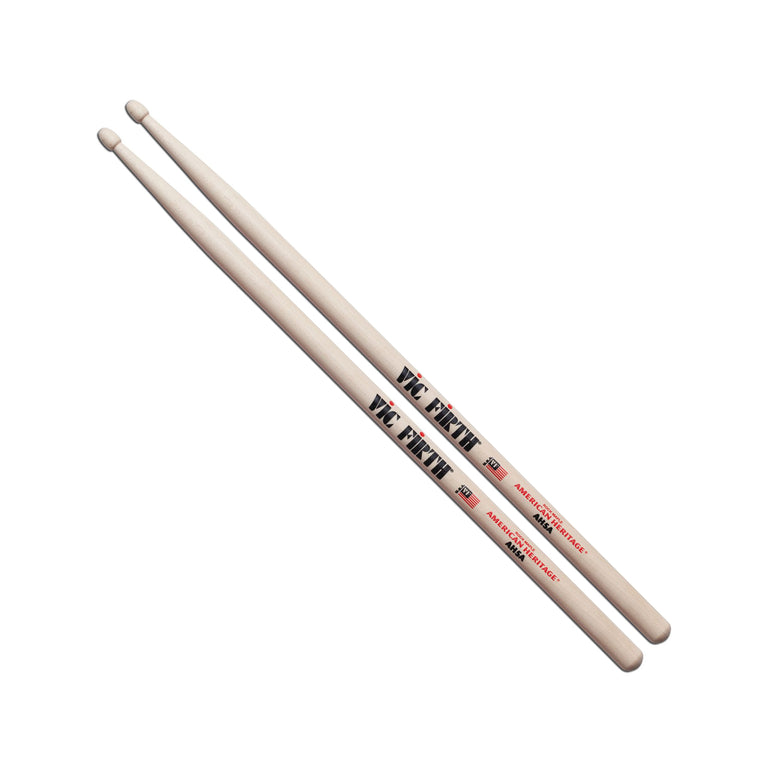
How Much Are Drum Sticks for Beginners?
For a beginner, how much are drum sticks should not be the only question. Comfort, balance, size, and durability matter more than choosing the cheapest pair.
A beginner can usually start with one pair of hickory 5A sticks for about $10 to $15. This size is a safe middle ground because it is not too thin, heavy, long, or short.
A beginner pack may include:
• Two or three pairs of sticks
• A carrying case
• Practice pads or accessories
• Different sizes for testing
These sets can cost $20 to $45. They may offer good value, but check the included brands and sizes. A cheap pack with poor-quality sticks can become frustrating if the sticks are badly balanced or break quickly.
For children, 7A or smaller sticks may be easier to control. For a student who plays loud rock or school percussion, 5A or 5B sticks may work better. The best choice should match the player’s hands, strength, and music.
One mistake I often see is buying the thickest sticks because they seem stronger. Heavy sticks can tire a new player and encourage hard gripping. A relaxed grip and steady technique usually help sticks last longer than simply buying a larger size.

How Much Are Drum Sticks for Professional Players?
Professional drummers may spend $15 to $30 per pair, depending on their needs. Touring players often buy several pairs at once because sticks can crack, chip, or disappear during travel.
Professional models may offer:
• Tighter weight matching
• More consistent balance
• Better wood grading
• Special finishes
• Custom dimensions
• Artist-approved designs
The price of drum sticks for professionals can rise further for carbon fiber, marching, orchestral, or custom products. Some musicians prefer these options because consistency matters during recording sessions and live shows.
Still, expensive does not mean indestructible. A premium hickory stick can break when it hits a rim at the wrong angle. A lower-priced stick can last for weeks if the player uses good technique and does not strike hardware unnecessarily.
For studio work, many drummers keep several pairs of the same model. This helps maintain a consistent sound from one take to the next. It also prevents a session from stopping because one stick breaks.
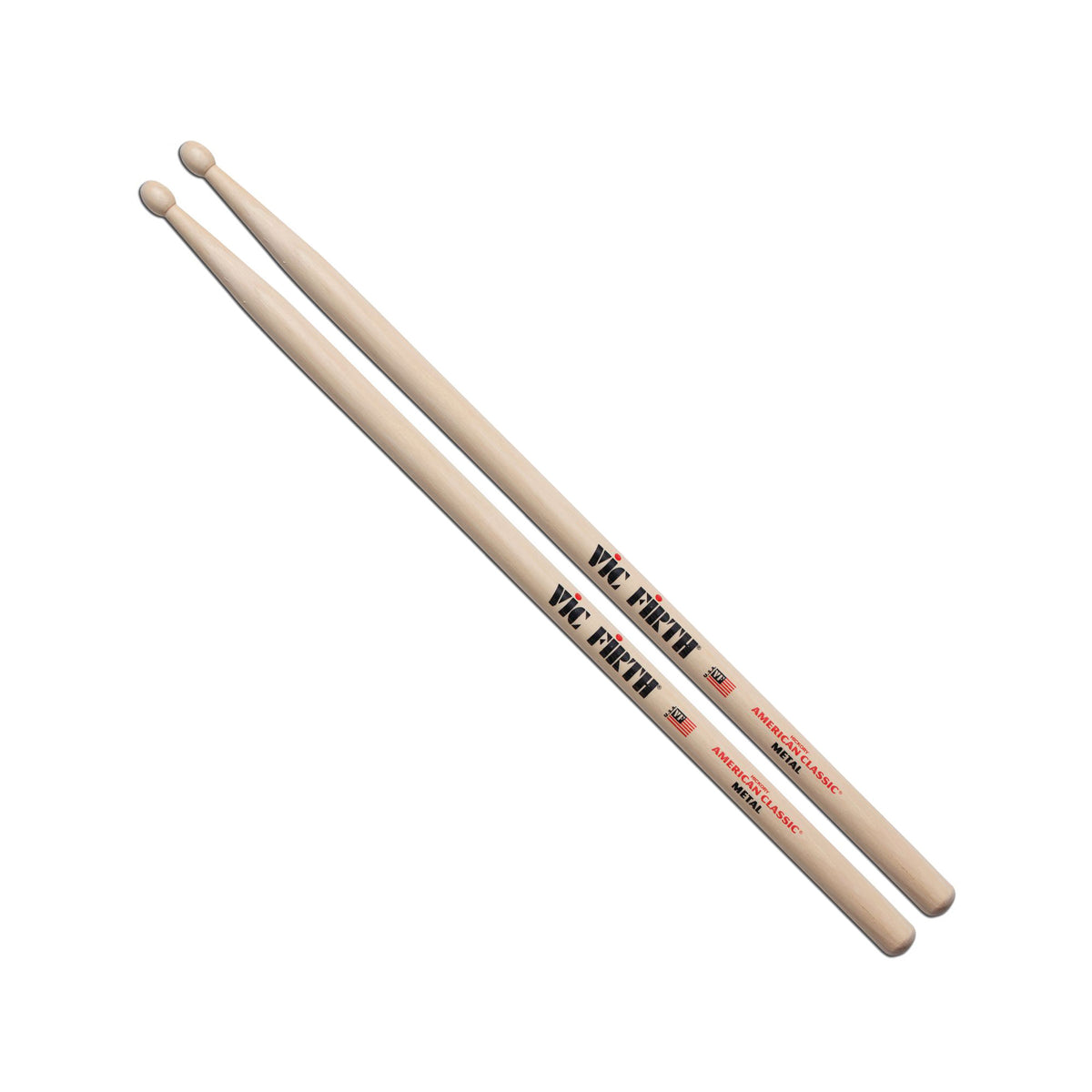
How Much Are Drum Sticks in Bulk?
Buying in bulk can lower the cost per pair. A three-pair pack may cost $25 to $45, while a six-pair pack may cost $45 to $90.
A bulk purchase makes sense when:
• You already know the exact model you like
• You practice often
• You play live shows
• You teach or manage a school drum room
• You regularly break or lose sticks
Before buying a large pack, inspect the retailer’s return policy. Wood sticks can vary slightly in weight and balance, even within the same model. Some players enjoy this natural difference, while others want closely matched pairs.
Calculate the real savings with this simple formula:
Cost per pair = Total pack price ÷ Number of pairs
For example, a $48 pack with four pairs costs $12 per pair. If the same sticks cost $15 when purchased separately, the bundle saves $3 per pair.
A bulk pack is not a good deal if half the sticks are the wrong size. I recommend buying one or two pairs first. Test them for comfort, sound, and durability before ordering a full case.

Are Expensive Drum Sticks Worth It?
Expensive drum sticks can be worth the cost, but only when their features solve a real problem. A premium pair may offer better balance, a more comfortable finish, or greater consistency.
However, higher prices do not guarantee longer life. The lifespan of a stick depends on:
• Playing force
• Rimshot use
• Cymbal angle
• Practice time
• Drum and cymbal setup
• Stick material
• Personal technique
If you play softly and use a standard setup, a $12 pair may work as well as a $22 pair. If you tour, record, or need matching weight, the extra cost may be easier to justify.
A useful test is to compare two pairs with similar size and material. Notice how they feel during warmups, rolls, rimshots, and cymbal patterns. If the more expensive pair does not feel better or last longer, it may not provide good value for you.
Do not confuse cosmetic flaws with serious defects. Small grain marks are normal in natural wood. Avoid sticks with deep cracks, severe bends, loose tips, or rough splinters.

How to Choose Drum Sticks Without Overspending
Knowing how much are drum sticks is helpful, but choosing the right pair requires a few practical steps.
1. Start with the music you play
Use lighter sticks for jazz, acoustic music, and quiet practice. Choose medium sticks for general playing. Use thicker sticks for loud rock, marching, or powerful practice.
2. Check the size
Look for the number and letter printed on the stick. The number generally relates to diameter, while the letter reflects the traditional style or use. These labels are not perfectly identical across every brand, so compare actual measurements when possible.
3. Choose the right wood
Hickory is the safest starting point for most players. Maple feels light and quick. Oak feels dense and strong. Synthetic sticks can suit players who want a different feel or greater resistance to moisture.
4. Hold the pair before buying
If possible, roll each stick on a flat surface. A badly bent stick may wobble. Hold both sticks together and check whether they feel close in weight.
5. Consider the tip
Choose wood for a warmer sound and nylon for a brighter sound. Tip shape also affects cymbal response, so listen to recordings or test the sticks in person.
6. Buy from a trusted seller
A reliable music store can help you compare models and return defective products. Online shops are convenient, but read current reviews and confirm the exact size, material, and quantity.
7. Avoid false savings
The cheapest pair is not always the lowest-cost option. If a $7 pair breaks after one rehearsal and a $14 pair lasts a month, the more expensive pair may be the better value.

How Long Do Drum Sticks Last?
There is no fixed answer because playing habits vary. A beginner who practices lightly may use one pair for several weeks or months. A hard-hitting rock drummer may wear out a pair in one rehearsal.
Inspect your sticks before every session. Replace them when you see:
• Deep grooves
• Splits or cracks
• Sharp splinters
• Loose tips
• Major dents
• A strong bend
• Noticeably uneven weight
A worn stick can change your sound and may hurt your hand if it breaks suddenly. Do not wait for a stick to split during a performance.
Store sticks in a dry place away from extreme heat and moisture. Do not leave them in a hot car. Wood expands and contracts, and sudden changes can increase the chance of warping.
Good technique also protects your sticks. Keep your cymbals at a reasonable angle and avoid hitting the metal edge straight on. Use rebound instead of squeezing the stick and forcing every stroke.

Frequently Asked Questions About How Much Are Drum Sticks
How much are drum sticks for beginners?
Most beginner drum sticks cost $10 to $15 per pair. A hickory 5A pair is a dependable starting choice for many new players.
Why are some drum sticks so expensive?
Premium drum sticks may use higher-grade wood, tighter weight matching, special finishes, or synthetic materials. Signature and custom models may also cost more because of design and artist partnerships.
Are cheap drum sticks good?
Some inexpensive drum sticks are perfectly useful for practice and lessons. Check for straightness, smooth surfaces, secure tips, and a comfortable balance before buying.
How many pairs of drum sticks should I buy?
Start with two pairs if you practice often or perform. Keeping a spare pair in your bag can prevent a broken stick from ending a rehearsal or show.
Are nylon-tip drum sticks better than wood-tip sticks?
Neither is always better. Nylon tips often sound brighter and may resist tip wear, while wood tips usually provide a warmer and more natural tone.
What is the most common drumstick size?
The 5A is one of the most common sizes because it offers a useful balance of comfort, control, volume, and versatility. It works well for many styles, including pop, rock, worship, and beginner practice.
Do drum sticks come in sets?
Yes. Drum sticks are sold as individual pairs, multi-packs, and sometimes complete percussion kits. Always confirm the number of pairs because some listings show several sticks but include only one pair.
Conclusion
So, how much are drum sticks? Most players can expect to pay $10 to $20 per pair, while specialty and professional models may cost $25 to $40 or more. Hickory 5A sticks are a reliable starting point, but the best choice depends on your music, grip, volume, and comfort.
Focus on value rather than the lowest price. Try one or two pairs, inspect them for balance and defects, and keep a spare pair ready for practice or performance. Compare current prices at trusted music retailers, test different sizes, and share your favorite drumstick model in the comments.

Senior Music Reviewer
Alex Carter is a seasoned music reviewer with over a decade of experience in the world of sound and instruments. Passionate about helping musicians and enthusiasts make informed choices, he brings sharp insights and in-depth knowledge to every review. From classical instruments to modern gear, Alex combines technical expertise with a love for music to deliver content that resonates with readers.
As a Senior Music Reviewer and expert author on Tuneluma.com, Alex is dedicated to sharing honest evaluations, practical advice, and thoughtful commentary to guide readers in their musical journey.