What Is A Drum Skin: Types, Uses, And Care Guide
A drum skin is the thin vibrating surface stretched over a drum shell to create its sound.
A drum skin, also called a drumhead, is the part of a drum that turns a player’s hit into sound. Its material, thickness, size, tension, and coating all shape the drum’s pitch, volume, attack, and feel. Whether you play a drum set, snare drum, bass drum, hand drum, or traditional drum, understanding the drum skin helps you choose the right sound and care for it properly.
What Is a Drum Skin?
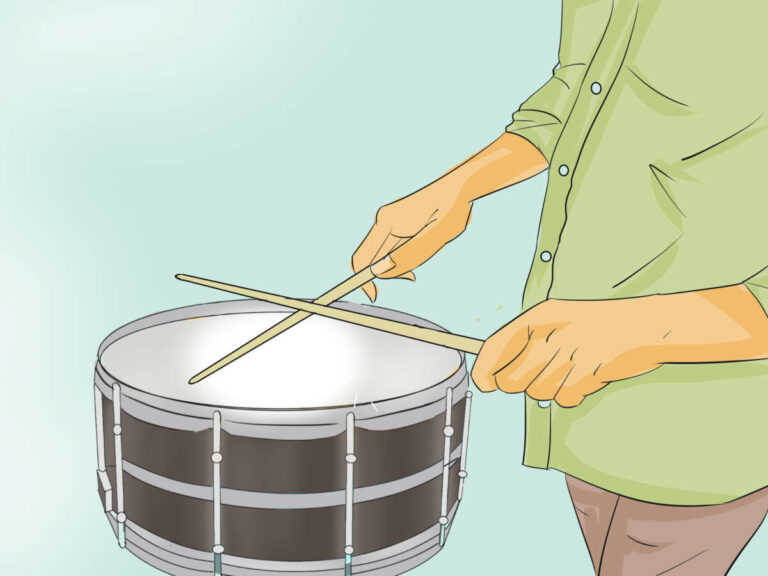
A drum skin is a flexible membrane stretched across one or both ends of a drum shell. When a stick, mallet, hand, or brush strikes it, the surface moves up and down. This movement pushes the air around it and creates sound waves.
Modern drum skins are usually made from plastic film. Older and traditional drums often use animal hide, such as calfskin, goatskin, or cowhide. Both types work on the same basic idea: a tight membrane vibrates over a hollow shell.
The term “drum skin” can mean either of these materials. In modern music stores, “drumhead” is more common. However, many players still say drum skin, especially when discussing hand drums and traditional instruments.
A drum skin has several jobs:
• It creates the main sound of the drum.
• It controls pitch through tension.
• It affects tone, sustain, attack, and volume.
• It transfers energy into the drum shell.
• It gives the player a responsive surface to strike.
Think of a drum skin as the voice of the drum. The shell gives that voice shape, but the skin makes it speak.
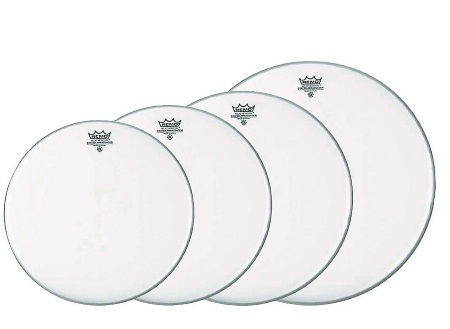
How Does a Drum Skin Work?
When you hit a drum skin, it bends and vibrates. The vibration spreads from the point of impact across the surface. It then moves the air inside the shell and produces the sound you hear.
The shell also affects the sound. A deep shell may create a fuller tone, while a shallow shell may produce a sharper response. Still, the drum skin has a major effect on the final result.
Three main factors control how a drum skin behaves:
Tension
Higher tension usually creates a higher pitch and a brighter response. Lower tension gives a deeper, looser, and often more open sound.
A snare drum often uses fairly high tension for a crisp attack. A bass drum usually uses lower tension for a deep and powerful tone.
Thickness
Thin drum skins respond quickly and can produce more overtones. They often feel sensitive under light playing.
Thicker drum skins tend to sound stronger and more controlled. They can handle harder playing and may last longer, but they can feel less delicate.
Construction
Some drum skins have one layer of film. Others use two layers. A single-ply head often sounds open and lively. A two-ply head usually sounds darker, thicker, and more controlled.
In my experience, beginners often blame the drum shell when the real issue is poor tuning or the wrong drumhead type. A good shell can sound dull with an old, uneven head. A basic shell can sound much better with a fresh, well-tuned drum skin.
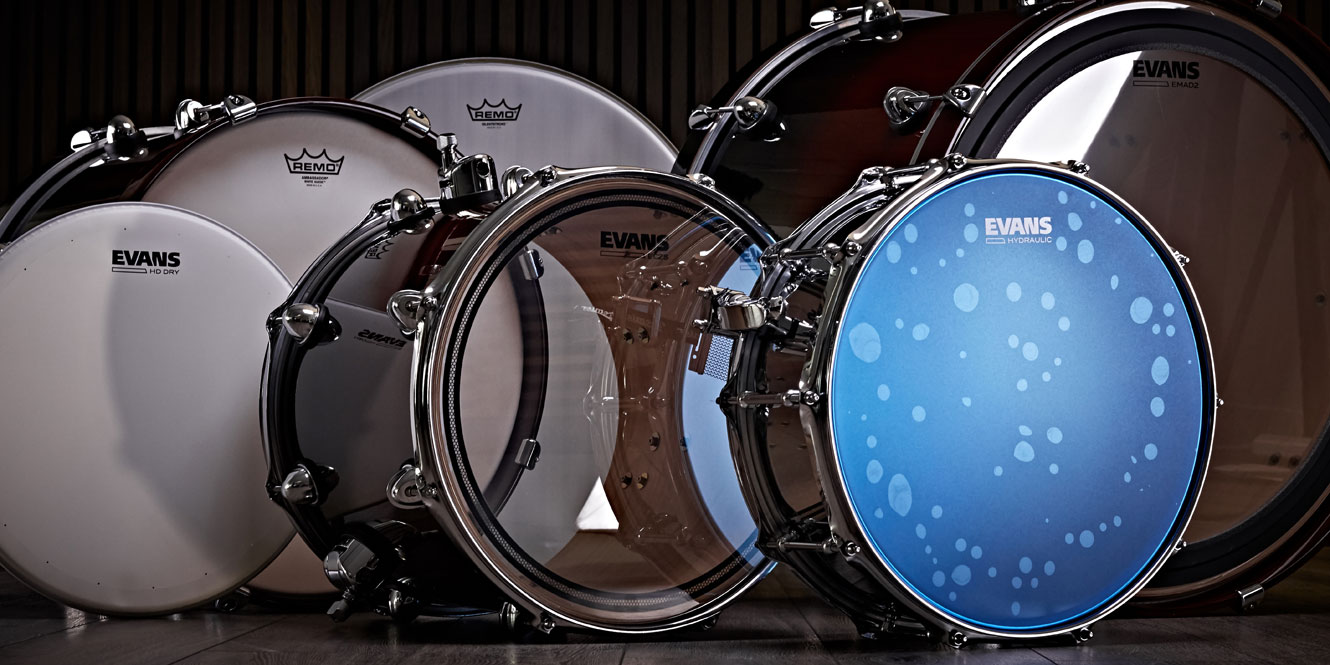
Types of Drum skins
drum skins come in many styles. Each one suits a different instrument, playing method, and musical goal.
Single-Ply Drum Skins
A single-ply drum skin uses one thin layer of plastic film. It offers quick response and strong sensitivity.
Single-ply heads are common on toms and resonant drum sides. They work well for players who want:
• Bright tone
• Clear attack
• Long sustain
• Strong response from light strokes
The main drawback is that thin heads may dent or wear faster under heavy playing.
Two-Ply Drum Skins
A two-ply drum skin has two layers of film. It is more durable and often creates a deeper, more focused sound.
Two-ply heads are useful for rock, metal, and other styles that involve strong hits. They can reduce unwanted overtones, but they may not respond as quickly as a thin head.
Coated Drum Skins
A coated drum skin has a thin textured layer on its surface. The coating can soften the sound and make the head suitable for brushes.
Coated heads often produce:
• A warmer tone
• Less high-frequency ring
• Better brush texture
• A softer, more classic sound
The coating can wear away over time, especially where sticks or brushes hit most often.
Clear Drum Skins
A clear drum skin has a smooth, transparent surface. It often gives a bright, open, and lively sound.
Clear heads are popular for toms and some bass drums. They are not usually the first choice for brush playing because the smooth surface does not create the same brush sound as a coated head.
Hydraulic Drum Skins
A hydraulic drum skin uses two layers with a thin layer of oil between them. It produces a short, fat, and controlled tone.
These heads can help players reduce ringing in a difficult room. They may sound too muted for people who want a wide, open tone.
Mesh Drum Skins
A mesh drum skin is made from woven material rather than solid plastic film. It creates very little acoustic volume.
Mesh heads are common on electronic drum kits. They feel more like an acoustic head than a hard rubber pad, but they do not create the same natural tone without electronic triggers and sound modules.
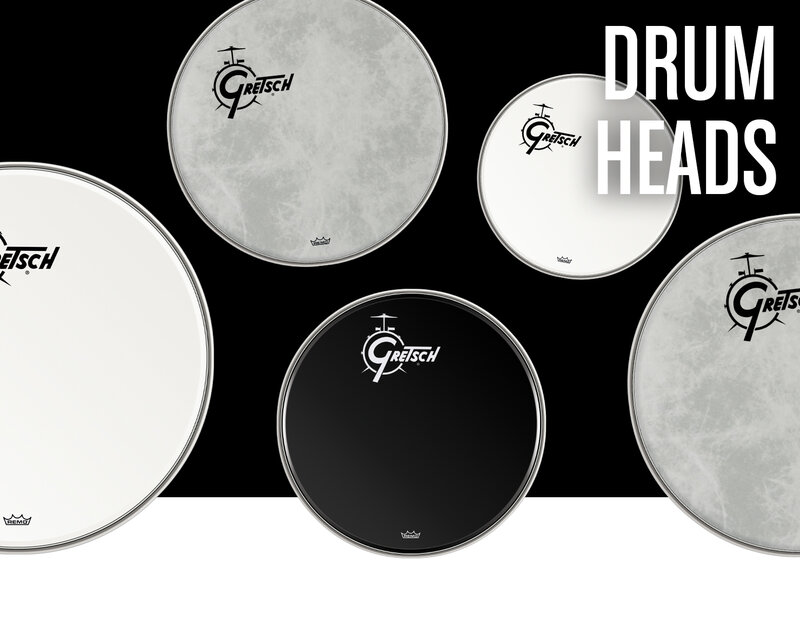 skins”
style=”max-width: 100%; height: auto; border: 2px solid black; border-radius: 10px; display: block; margin: 0 auto;”
loading=”lazy”
/>
Natural Hide and Synthetic Drum Skins
Natural hide drum skins come from animal material. Makers clean, stretch, and dry the hide before fitting it to a drum.
Hide heads are common on instruments such as:
• Frame drums
• Djembe drums
• Bodhráns
• Congas
• Traditional ceremonial drums
Natural hide can produce rich changes in tone. It may become loose in damp weather and tight in dry weather. This means the player must understand how temperature and humidity affect tuning.
Synthetic drum skins use plastic or woven materials. They offer more stable performance in changing weather. They are also easier to produce in consistent sizes and thicknesses.
Neither material is perfect for every player. Natural hide may offer a more organic feel, while synthetic material may provide easier care and reliable tuning.
A key limitation is that sound descriptions are not absolute. A coated head from one brand may sound different from another head with the same basic design. The shell, rim, tuning method, room, sticks, and playing style all matter.

What Is the Difference Between a Batter Head and a Resonant Head?
A batter head is the drum skin that the player strikes. A resonant head is the lower or opposite head that vibrates in response.