What Are Drum Cymbals Made Of: Materials Explained
Drum cymbals are mainly made of copper-based alloys, especially bronze, brass, or specialized metal blends.
If you have ever wondered what are drum cymbals made of, the answer involves more than one type of metal. The alloy, casting method, hammering, lathing, thickness, and heat treatment all shape a cymbal’s sound. This guide explains the materials used in drum cymbals, why manufacturers choose them, and how each choice affects tone, volume, durability, and price.

What Are Drum Cymbals Made Of?
Most professional drum cymbals are made of bronze. Bronze is a metal alloy that combines copper with tin. Some cymbals also use brass, which combines copper with zinc, while modern designs may include nickel, silver, or other small amounts of metal.
The most common cymbal materials include:
• B20 bronze, made with about 80% copper and 20% tin
• B8 bronze, made with about 92% copper and 8% tin
• B10 and B12 bronze, which contain 10% or 12% tin
• Brass, usually made from copper and zinc
• Nickel silver, a copper, nickel, and zinc alloy used in some specialty cymbals
The numbers in names such as B8 and B20 refer to the approximate amount of tin in the bronze. More tin can change the alloy’s hardness, color, response, and tonal complexity.
When people ask what are drum cymbals made of, bronze is usually the most important answer. However, the metal alone does not create the final sound. Two cymbals made from the same alloy can sound very different because of their size, weight, shape, hammer marks, and surface finish.

Why Bronze Is Used for Cymbals
Bronze has several qualities that make it useful for musical instruments. It is strong enough to handle repeated impacts, yet flexible enough to vibrate when struck. It also produces a rich mix of fundamental tones and overtones.
A cymbal must respond quickly when a drumstick hits it. The metal needs to bend and vibrate without breaking under normal playing conditions. Bronze offers a useful balance between strength, resonance, and workability.
Bronze also reacts well to traditional cymbal-making methods. Manufacturers can cast it, roll it, hammer it, heat it, and shape it into precise profiles. These processes allow makers to control the cymbal’s pitch, sustain, attack, and volume.
A simple way to understand this is to compare a cymbal with a bell. Both need a metal that can vibrate clearly. A poor material may sound dull or harsh, while a well-made bronze alloy can create a broad, musical tone.
The answer to what are drum cymbals made of also explains why cymbals age in a special way. Bronze can develop a darker surface over time as it reacts with air, moisture, fingerprints, and other materials. This patina may change the appearance and, in some cases, slightly affect the sound.

B20 Bronze Cymbals
B20 bronze is often considered the traditional alloy for high-end cymbals. It contains roughly 80% copper and 20% tin, though the exact formula can vary by manufacturer.
B20 is known for a complex and colorful sound. It can produce warm low tones, bright high overtones, and a smooth response. Many professional crash, ride, and hi-hat cymbals use this alloy.
Common traits of B20 cymbals include:
• Rich and complex overtones
• Wide dynamic response
• Warm, full crashes
• Clear but developed ride sounds
• Strong bell definition
• High production cost
B20 is not automatically better for every drummer. Its complex tone may become too busy in a loud rock band or a small rehearsal room. A player who needs a sharp, cutting sound may prefer a brighter B8 cymbal.
The manufacturing process also matters. A hand-hammered B20 cymbal can sound very different from a machine-hammered B20 model. This is why alloy names should guide your choice, not make the choice for you.
When learning what are drum cymbals made of, many players assume B20 always means superior quality. A better view is that B20 offers a broad tonal palette. Whether that palette suits you depends on your music, touch, room, and taste.

B8 Bronze Cymbals
B8 bronze contains about 92% copper and 8% tin. It is often associated with bright, focused, and powerful cymbal sounds.
B8 cymbals usually have a more direct tone than B20 models. They can cut through electric guitars, amplified bass, and loud stages. This makes them popular for rock, pop, marching applications, and entry-level drum sets.
Typical B8 characteristics include:
• Bright attack
• Strong projection
• Clear high frequencies
• Fast response
• Focused sustain
• Often lower manufacturing costs
B8 cymbals can be excellent tools in the right setting. They are not simply cheap versions of professional cymbals. Some respected cymbal lines use B8 bronze because its sound fits modern music.
One practical lesson is to judge a cymbal in the setting where you will play it. A B8 crash may sound sharp when played alone but sit perfectly inside a loud band. A darker B20 crash may sound beautiful in a quiet room but disappear behind amplified instruments.
So, what are drum cymbals made of when they sound bright and cutting? Often, the answer is B8 bronze, although thickness, shape, and finish remain equally important.
B10, B12, and Other Bronze Alloys
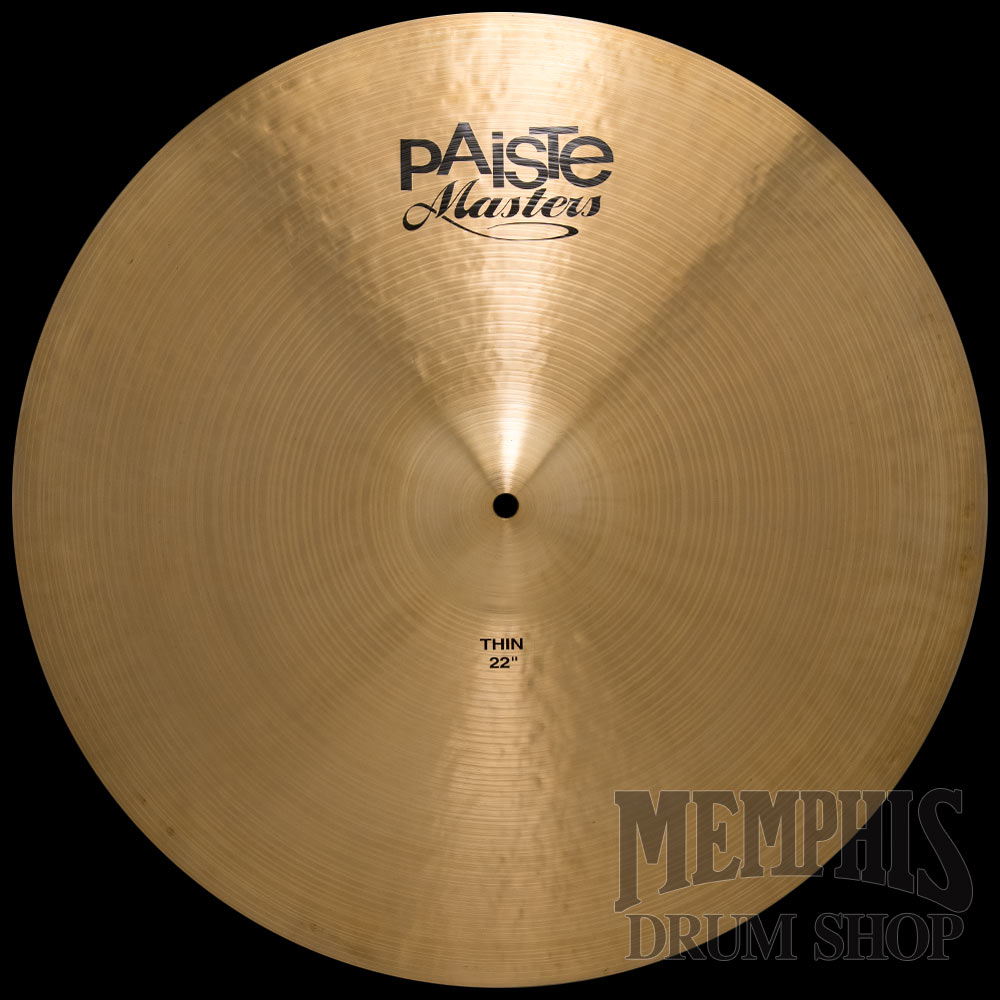
B10 and B12 bronze sit between B8 and B20 in tin content. B10 contains about 10% tin, while B12 contains about 12%. These alloys can offer a middle ground between bright projection and richer tonal depth.
Their sound depends on the complete design. A thin B10 cymbal may sound soft and complex, while a thick B12 cymbal may sound loud and focused. Alloy content is only one part of the design.
Some manufacturers use proprietary bronze blends. These formulas may include small amounts of metals such as silver, nickel, phosphorus, or iron. The exact formula may be part of a company’s production method and may not be fully disclosed.
The most useful points to remember are:
• B8 often gives a bright, direct sound
• B10 and B12 can provide balanced tone and projection
• B20 often produces complex, warm, and responsive tones
• Proprietary alloys may combine features from several bronze types
When asking what are drum cymbals made of, do not focus only on the label. Listen to the cymbal, inspect its weight and profile, and consider how it responds to your playing style.

Are Drum Cymbals Made of Brass?
Some drum cymbals are made of brass. Brass combines copper and zinc instead of copper and tin. It is easier and less expensive to produce than many bronze alloys.
Brass cymbals are common in beginner drum sets, practice kits, school programs, and low-cost percussion packages. They often produce a bright, simple sound with limited tonal depth.
Brass cymbals may have these qualities:
• Lower production cost
• Bright initial attack