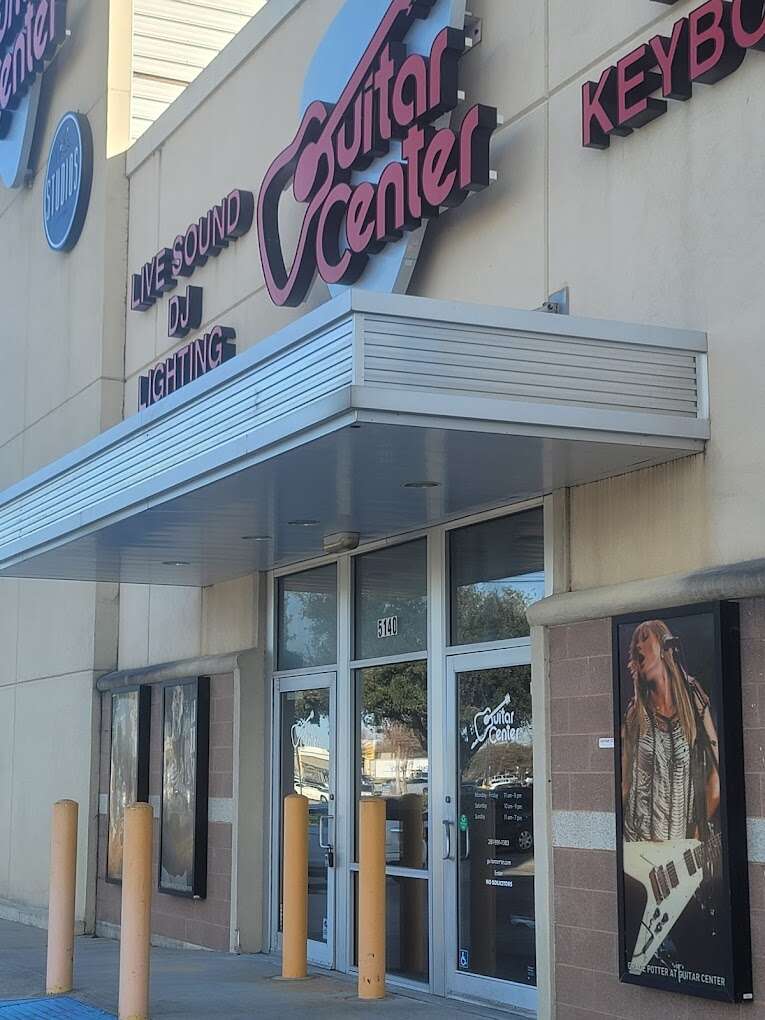
Does Guitar Center Do Repairs: Services And Costs
Yes, Guitar Center does repairs, including setups, restringing, electronics, fretwork, and many instrument services.
If your guitar buzzes, your amp cuts out, or your bass needs a setup, Guitar Center may be able to help. Its repair services vary by store, instrument, and problem, so knowing what to expect can save time and money. This guide explains Guitar Center repairs, common services, costs, timing, and better alternatives for complex work.
Does Guitar Center Do Repairs?
Yes, Guitar Center does repairs at many of its US stores. Most locations offer help with guitars, basses, amplifiers, keyboards, drums, and other musical equipment.
However, not every store has the same repair technician or equipment. A large store may handle advanced repairs in-house, while a smaller location may accept the item and send it to a regional repair center.
Common services include:
• Guitar and bass setups
• String changes and restringing
• Pickup and electronic repairs
• Jack, switch, and potentiometer replacement
• Fret leveling and fret replacement
• Nut and saddle work
• Neck adjustments
• Bridge and hardware repairs
• Acoustic guitar repairs
• Amp troubleshooting and repair
• Drumhead changes and basic drum service
• Keyboard and electronic instrument service in select locations
The best first step is to call your local store. Ask whether it handles your exact instrument and problem. This prevents a wasted trip, especially if you need work on a vintage guitar, tube amplifier, or rare instrument.

What Types of Guitar Repairs Does Guitar Center Offer?
Guitar Center repairs cover many common problems. The exact service list depends on the store, the technician’s skills, and the condition of the instrument.
Guitar setups
A setup adjusts the guitar so it plays and sounds better. A technician may adjust the truss rod, bridge, string height, pickup height, and intonation.
A setup can help with:
• High action
• Fret buzz
• Poor tuning stability
• Uneven intonation
• Stiff playing feel
• Strings that sit too close or too far from the fretboard
A setup is not the same as a major repair. It fine-tunes the instrument, much like an alignment service for a car.
Restringing
Guitar Center can usually replace strings on electric, acoustic, and bass guitars. This service may include tuning and a basic inspection.
Some players change strings at home. Still, professional restringing helps if you use a floating tremolo bridge, restring a 12-string guitar, or need a fast turnaround before a show.
Fret and fingerboard work
Many Guitar Center stores offer fret repairs, though advanced work may require a specialist. Possible services include fret dressing, fret leveling, fret replacement, and fingerboard conditioning.
Fret work can solve sharp fret ends, dead notes, buzzing, and uneven notes. It requires precision, so ask who will perform the work and whether the store sends complex jobs to another facility.
Pickup and electronic repairs
Guitar Center may repair or replace pickups, output jacks, switches, pots, capacitors, and wiring. These repairs can fix weak sound, crackling controls, intermittent output, or complete signal loss.
Bring any wiring diagram or replacement parts if you have them. Some technicians can install customer-supplied parts, but policies may differ.
Structural repairs
Cracks, broken headstocks, loose bridges, and major neck damage need special care. Guitar Center may accept the instrument for evaluation, but not every store performs this work on-site.
For expensive, vintage, or collectible guitars, a dedicated luthier may be the safer choice. Structural repairs can affect value, finish, tone, and long-term stability.

Does Guitar Center Repair Amplifiers and Other Gear?
Guitar Center does repair some amplifiers and electronic gear, but service availability can vary more than it does for guitars.
Technicians may diagnose issues such as:
• No sound
• Humming or buzzing
• Crackling controls
• Blown fuses
• Intermittent power
• Faulty input or output jacks
• Damaged speakers
• Weak or distorted signal
Tube amplifiers need extra caution. They contain high voltages that can remain dangerous even after the amp is unplugged. Never open a tube amp unless you have proper training.
Some repairs may be handled by an authorized service center. This is common when the equipment is under warranty or requires brand-specific parts. Ask whether the work is performed locally or shipped elsewhere.
Guitar Center may also help with selected repairs for keyboards, electronic drums, PA equipment, and DJ gear. These services are not guaranteed at every store, so call before visiting.

How Much Do Guitar Center Repairs Cost?
Guitar Center repair prices vary by location, instrument, parts, and labor time. A simple restring or setup usually costs much less than fretwork, structural repair, or amplifier service.
Typical price factors include:
• Type of instrument
• Nature of the problem
• Labor time
• Replacement parts
• Shipping or outside service fees
• Finish or cosmetic work
• Rush service requests
A basic guitar setup may be reasonably priced, while a full fret job or broken headstock repair can cost much more. Some repairs require an inspection before the store can provide a firm estimate.
Before approving work, ask these questions:
- What is the total estimated cost?
- Is the inspection fee refundable or separate?
- Are parts included?
- Will the store contact me if the price changes?
- How long will the repair take?
- Will the work be done in-store or shipped out?
- Is there a warranty on the repair?
Get the estimate in writing when possible. A clear estimate helps you compare the repair cost with the instrument’s current value.

How Long Do Guitar Center Repairs Take?
Repair times depend on the service and the store’s workload. A restring may take a short time, while a setup may take several days. Major repairs can take weeks or longer.
Busy seasons can extend the wait. Repair departments often become crowded before school music programs, summer tours, and holiday events.
Ask for a realistic completion date rather than a general promise. If you need the instrument for a performance, allow extra time for testing and possible adjustments.
When you pick up the instrument, test it before leaving:
• Play every fret
• Check tuning and intonation
• Test every pickup and control
• Try the output jack
• Listen for buzzes and rattles
• Inspect the finish and hardware
• Confirm that the strings and parts match your request
This simple check can catch a problem while the repair ticket is still open.

What Should You Bring to Guitar Center for a Repair?
Bring the complete instrument and any related parts. For example, bring the guitar’s case, tremolo arm, unusual tuning hardware, or special power supply if the repair involves those items.
You should also bring:
• A clear description of the problem
• The strings and tuning you normally use
• Photos of existing damage
• Proof of purchase if warranty service may apply
• The power cable or adapter for electronic gear
• Any replacement parts you want installed
Describe the problem in practical terms. Instead of saying, “It sounds bad,” explain that the B string buzzes at the seventh fret or that the signal cuts out when you move the cable.
That detail helps the technician reproduce the issue. Intermittent faults can be hard to find, so recording a short video may also help.

Is Guitar Center Good for Guitar Repairs?
Guitar Center can be a good choice for routine repairs and maintenance. Its main advantages are convenience, store access, and the ability to combine repairs with strings, accessories, or other gear.
Guitar Center repairs may work well for:
• Standard setups
• String changes
• Pickup installation
• Jack replacement
• Basic electronic problems
• Routine maintenance
• Common hardware adjustments
A local independent luthier may be better for delicate or high-value work. This includes vintage instruments, complex finish repairs, broken headstocks, neck resets, and rare acoustic guitars.
The technician matters more than the store sign. Ask about the person doing the work, their experience with your instrument, and examples of similar repairs.
A useful rule is simple: use a general repair department for common maintenance, and use a specialist when the instrument is valuable, fragile, or unusual.

Guitar Center Repairs Compared With an Independent Luthier
Both options have benefits. Your decision should depend on the repair, budget, time, and value of the instrument.
Advantages of Guitar Center
• Convenient store locations
• Easy drop-off and pickup
• Access to common parts
• Helpful for routine maintenance
• Possible support for several types of gear
• Suitable for many beginner and intermediate instruments
Advantages of an independent luthier
• More personal communication
• Specialized knowledge
• Stronger focus on hand-built and vintage instruments
• Better choice for complex woodwork
• Often more control over detailed cosmetic repairs
An independent luthier may have a longer waitlist. Guitar Center may be easier to access, especially when you need a basic repair quickly.