What Is A Good Acoustic Guitar: Buying Guide
A good acoustic guitar feels comfortable, stays in tune, sounds balanced, and suits your playing style and budget.
The best choice is not always the most expensive guitar. After years of comparing body shapes, tonewoods, necks, and setups, I’ve found that a good acoustic guitar is one that feels natural in your hands and inspires you to play. This guide explains what to look for, which features matter most, and how to avoid common buying mistakes.
What Is a Good Acoustic Guitar?
A good acoustic guitar produces a clear, balanced sound and feels comfortable to play. It should hold its tuning, respond well to a light touch, and show solid build quality. For many players, a good acoustic guitar also offers reliable value without making basic repairs difficult or costly.
The right guitar depends on your goals. A beginner may need a comfortable neck and forgiving strings. A singer-songwriter may want strong midrange sound for vocals. A fingerstyle player may prefer a smaller body with rich detail, while a flatpicker may need more volume and projection.
The key features of a good acoustic guitar include:
• A stable neck with comfortable action
• Accurate frets that play notes in tune
• A well-fitted bridge and bridge pins
• Smooth tuning machines
• A balanced tone across the strings
• Good resonance without unwanted buzzing
• A body size that fits your posture
• Materials that match your budget and needs
A high price can improve materials and craftsmanship, but it does not guarantee the right fit. A well-set-up $500 guitar may feel better than a poorly adjusted $1,500 guitar.

Sound Quality and Tone
Sound is often the first reason people fall in love with an acoustic guitar. A good acoustic guitar should produce clear bass, warm mids, and bright but controlled treble. These parts should work together instead of one range overpowering the rest.
A guitar with too much bass may sound powerful alone but become muddy when played with other instruments. A guitar with excessive treble may sound sharp or thin. The ideal balance depends on your style, voice, and playing technique.
Listen for these qualities when testing a guitar:
• Clear notes that do not fade too quickly
• Strong but controlled bass
• Smooth high notes without harshness
• Similar volume across all six strings
• Good sustain after each note or chord
• Natural response when you play softly and loudly
The guitar’s top usually has the greatest effect on its voice. Spruce is common because it offers strong projection and a wide dynamic range. Cedar often sounds warm and responds well to gentle fingerpicking. Mahogany can produce a focused, woody tone with strong midrange.
The back and sides also shape the sound. Rosewood often adds deep bass and sparkling overtones. Mahogany tends to sound direct and balanced. Maple usually offers a clear, dry tone with less lingering resonance.
Tonewood names alone do not tell the whole story. Body shape, bracing, finish, neck design, bridge placement, and setup all affect the final sound. Two guitars made from the same wood can sound very different.

Playability Matters More Than Price
A good acoustic guitar should feel easy to play. If the strings sit too high above the fretboard, your fingers may hurt and chords may sound out of tune. If the strings sit too low, the guitar may produce fret buzz.
This string height is called action. The best action depends on your style, but it should allow clean notes without requiring too much pressure. A professional setup can often improve a decent guitar more than an expensive upgrade.
Check the neck carefully. It should look mostly straight, with a small amount of natural relief. A slight curve is normal. A sharp bend, twisted neck, or raised fretboard can signal a serious problem.
When you try a good acoustic guitar, play:
• Open chords near the nut
• Barre chords around the fifth and seventh frets
• Single notes on every string
• Hammer-ons and pull-offs
• A few loud strums
• Soft fingerpicked patterns
Watch for buzzing, dead notes, stiff tuning, or uncomfortable fret edges. Run your hand along the neck sides. The frets should feel smooth, not sharp or rough.
One lesson I learned early is that a guitar can look perfect and still feel wrong. A glossy finish and attractive wood cannot replace a comfortable neck. Your hands are the final judge.
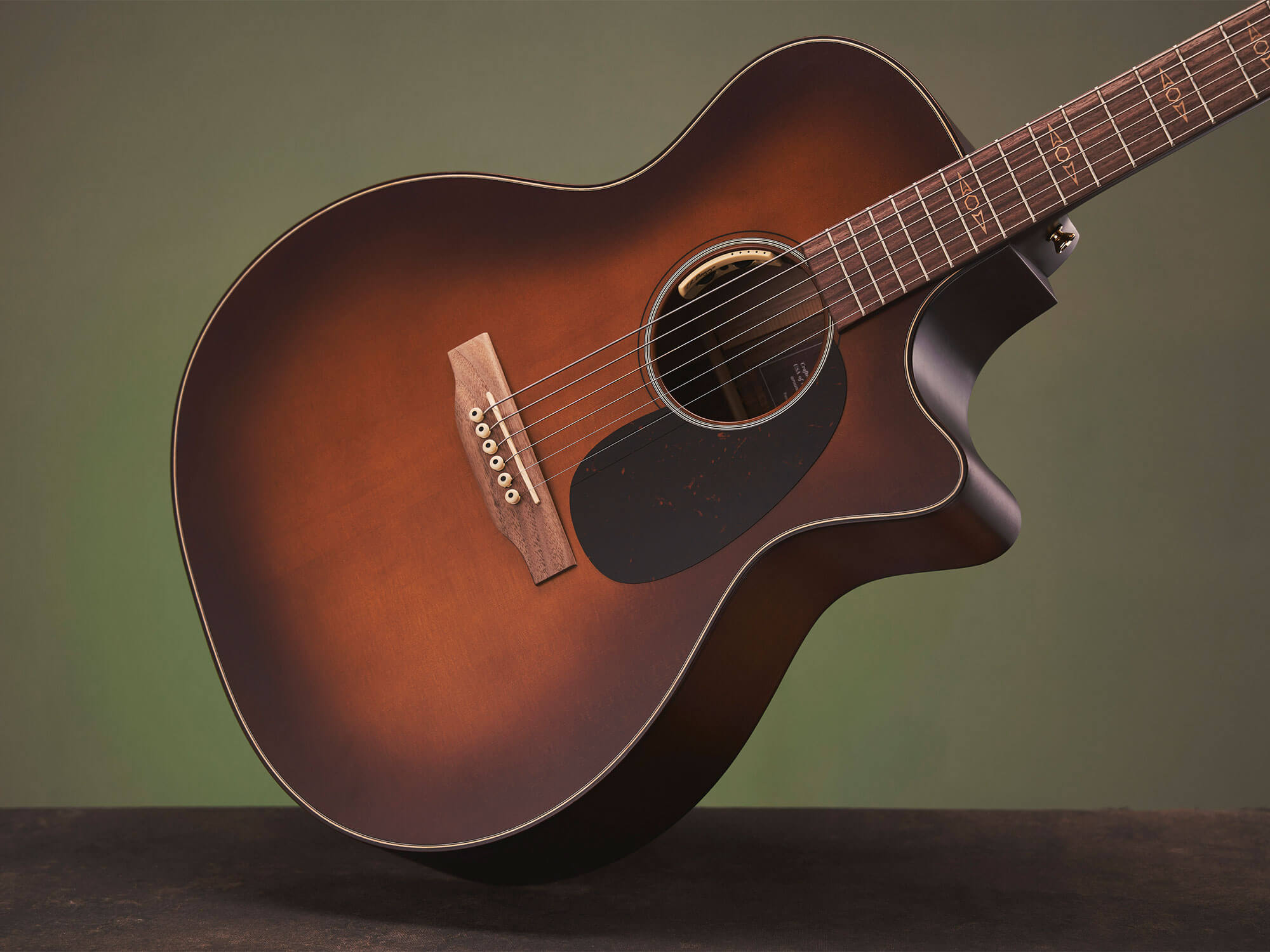
Body Shapes and Their Uses
The body shape affects volume, comfort, bass response, and projection. Choosing the right shape is one of the most important steps in finding a good acoustic guitar.
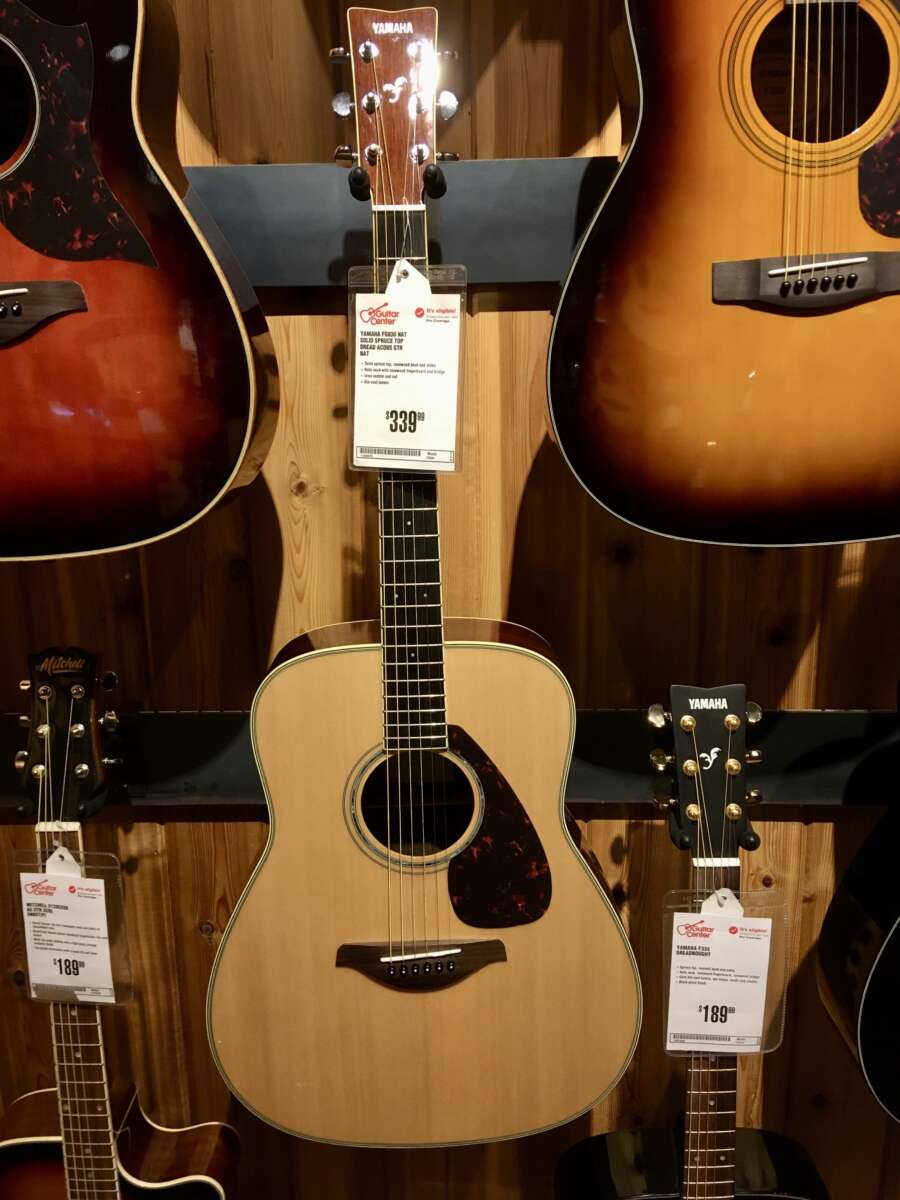
Dreadnought
The dreadnought is large and powerful. It usually delivers strong bass and high volume, which makes it popular with strummers, bluegrass players, and performers.
Its larger body may feel uncomfortable for smaller players. It can also overpower a soft singing voice if the bass response is very strong.
Concert and Grand Concert
These smaller bodies are comfortable and balanced. They often offer clear mids and a quick response, making them useful for beginners, fingerstyle players, and people with smaller frames.
They may not produce as much low-end power as a dreadnought. Still, many players prefer their comfort and clarity.
Auditorium and Grand Auditorium
These shapes provide a useful middle ground. They often have enough bass for strumming and enough balance for fingerpicking.
A grand auditorium can be a good acoustic guitar choice for players who use several techniques. It is also a popular shape for live performers.
Parlor
Parlor guitars have small bodies and a vintage feel. They often produce focused mids and work well for blues, folk, and intimate songwriting.
Their limited low-end response may not suit players who want a large, booming sound. Their smaller size, however, can make long practice sessions easier.
Travel and Mini Guitars
Travel guitars are compact and easy to carry. They are useful for road trips, students, and casual practice.
They may have less volume and bass than full-size guitars. A travel guitar can still be a good acoustic guitar when portability matters most.
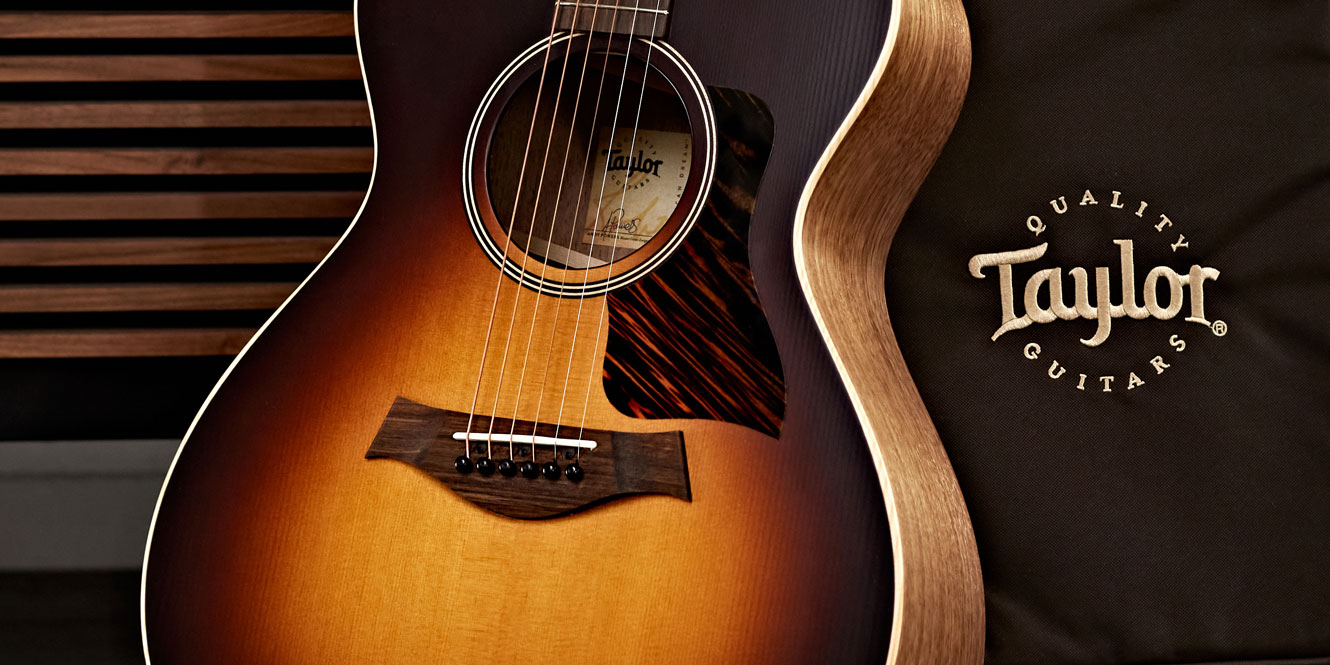
Acoustic Guitar Materials
The materials used in a guitar influence its tone, strength, weight, and price. Understanding these materials helps you compare instruments more clearly.
Solid Wood Tops
A solid wood top is made from one piece or matched pieces of solid wood. It often develops a richer and more open tone as it vibrates over time.
Solid tops can be more sensitive to changes in humidity. They also usually cost more than laminate models.
Laminate Wood
Laminate wood uses thin layers pressed together. It is often more resistant to changes in temperature and humidity.
A laminate guitar may not offer the same tonal complexity as a solid-top instrument, but it can provide excellent durability and value. For many beginners, a solid spruce top with laminate back and sides is a smart choice.
Neck Wood
Mahogany and maple are common neck materials. The neck should feel stable and smooth, no matter which wood the maker uses.
The neck’s shape matters more than its color. A comfortable neck profile reduces hand strain and helps you practice longer.
Fretboard and Bridge Materials
Rosewood, ebony, and engineered materials are common for fretboards and bridges. A good fretboard should have clean fretwork and a smooth surface.
The material itself is less important than accurate construction. A well-made fretboard with polished frets will usually feel better than a poorly finished premium wood.

Build Quality and Craftsmanship
A good acoustic guitar should show careful construction. Small flaws may not affect sound, but major problems can affect tuning, comfort, and long-term value.
Inspect the guitar under bright light. Look inside the soundhole and examine the braces, bridge, and top. You do not need to be an expert luthier. You only need to look for obvious issues.
Check for:
• Cracks in the top, back, or sides
• A lifting bridge
• Loose internal braces
• Uneven binding
• Poorly fitted tuning machines
• Sharp fret ends
• A warped neck
• Large gaps around the bridge or neck joint
Small finish marks are often harmless. Structural damage is different. A crack near the bridge, neck joint, or soundhole deserves professional inspection.
The bridge should sit firmly against the top. The bridge pins should fit without wobbling. The saddle should not lean sharply forward or appear too low.
Do not judge quality only by appearance. Some affordable guitars have plain finishes but excellent construction. Others look luxurious while hiding weak hardware or poor setup work.

How Much Should a Good Acoustic Guitar Cost?
A good acoustic guitar can cost anywhere from about $150 to several thousand dollars. The best price depends on your needs, skill level, and long-term plans.
Here is a simple guide:
• Under $250: Suitable for basic practice, but inspect playability carefully
• $250 to $600: Strong value for many beginners and developing players
• $600 to $1,200: Better materials, finish work, and tonal detail
• $1,200 to $3,000: Professional features and more refined construction
• Above $3,000: Premium materials, custom work, and brand or builder value
Prices vary by region, brand, materials, and market conditions. A used guitar can offer excellent value, but it needs a careful inspection.
Remember to include extra costs. You may need a case, tuner, strap, picks, strings, humidifier, and professional setup. A setup may cost less than a new guitar but make a major difference in comfort.
My practical advice is simple: spend enough to get reliable construction and good playability. Do not spend extra money on decoration if the guitar does not feel comfortable.