How Great Is Our God Chords Piano: Easy Piano Guide
How Great Is Our God piano chords are easy to learn, with C, F, G, and Am forming the core progression.
Learning how great is our god chords piano can be a rewarding first step into modern worship music. The song has a simple structure, a strong melody, and a warm sound that works for beginners, church pianists, and experienced players. This guide explains the main chords, useful voicings, rhythm patterns, transposition tips, and common mistakes so you can play with confidence.
How Great Is Our God Piano Chords in the Key of C
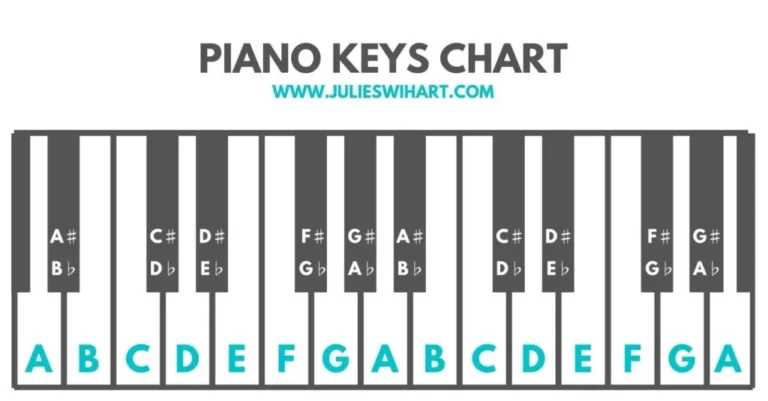
The most beginner-friendly key for how great is our god chords piano is C major. It uses familiar white keys and avoids difficult sharps or flats.
Here is a simple chord set:
| Chord | Notes |
|---|---|
| C | C, E, G |
| F | F, A, C |
| G | G, B, D |
| Am | A, C, E |
| Em | E, G, B |
| Dm | D, F, A |
The main progression often centers on C, F, G, and Am. Some arrangements also use Em and Dm to add movement between sections.
A simple practice progression is:
C     F     C     G
C     F     C     G
Am    F     C     G
This pattern is not the only way to play the song. Worship leaders may change the key, shorten sections, or use different chord movements. Always compare your arrangement with the version you plan to perform.

Basic Chord Progression and Song Structure
Many versions of how great is our god chords piano follow a repeating four-chord pattern. The repetition makes the song easy to remember and helps the congregation sing along.
A common structure may look like this:
- Intro
- Verse
- Chorus
- Verse or instrumental section
- Chorus
- Bridge
- Final chorus
The exact progression can vary. A pianist may play the verse with fewer chords, then add fuller voicings during the chorus.
For a simple arrangement, try this approach:
Verse:
C     F     C     G

Chorus:
C     F     C     G
Am    F     C     G

Bridge:
Am    G     F     C
Am    G     F
Treat these patterns as a practical framework rather than a fixed official chart. Chord sheets can differ because live recordings and published arrangements may use different keys or transitions.
The key lesson is to listen for the bass movement. If the chord feels right but the song still sounds flat, your left hand may need a stronger bass pattern or your right hand may need a higher voicing.
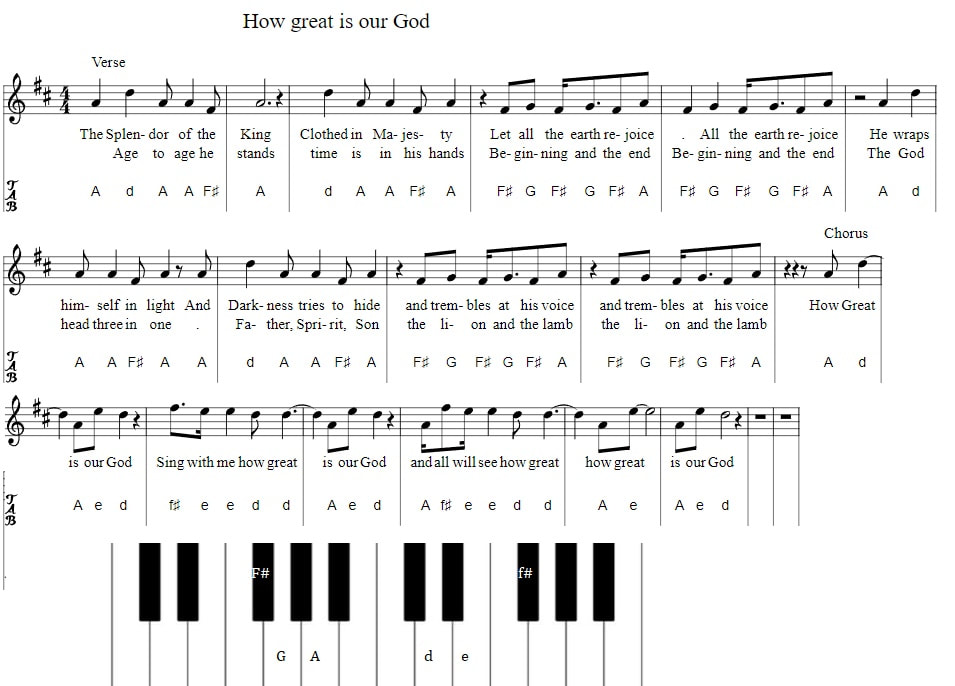
Easy Piano Chords for Beginners
If you are new to piano, start with basic triads. A triad has three notes. Play each chord with your right hand using this relaxed shape:
• C major: C with the thumb, E with the middle finger, and G with the little finger
• F major: F with the thumb, A with the middle finger, and C with the little finger
• G major: G with the thumb, B with the middle finger, and D with the little finger
• A minor: A with the thumb, C with the middle finger, and E with the little finger
Keep your wrist loose. Do not press down with stiff fingers. The goal is a smooth sound, not force.
Your left hand can play single bass notes:
Left hand:  C   F   C   G
Right hand: C   F   C   G
Once that feels easy, play the root note with your left hand and the full chord with your right hand. This creates a wider sound without making the arrangement hard.
A common beginner mistake is changing chords too late. Practice the change before the next beat arrives. Slow practice builds control faster than rushed repetition.
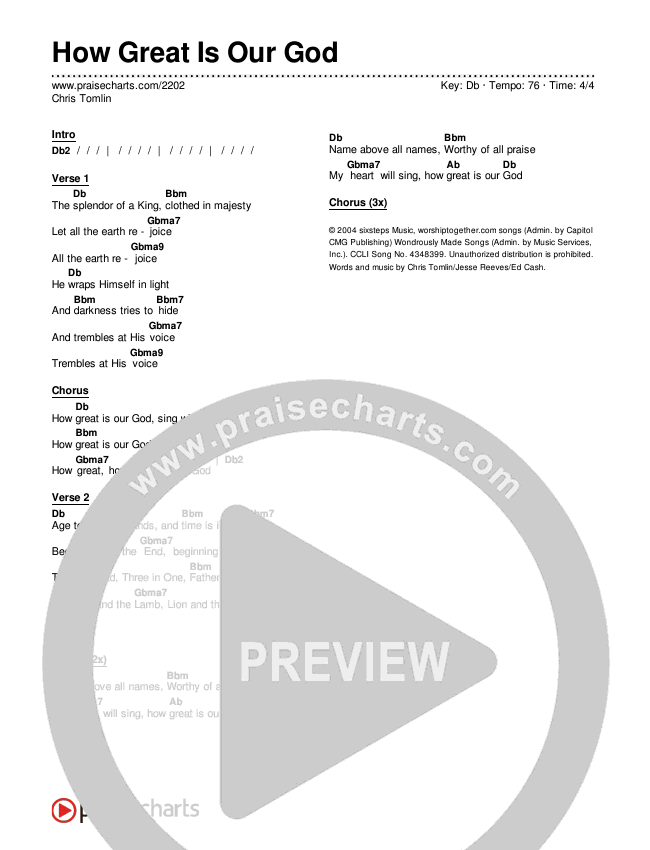
How to Use Chord Inversions
Chord inversions help you move between chords without jumping across the keyboard. An inversion uses the same notes but places them in a different order.
For example:
• C major: C, E, G
• C first inversion: E, G, C
• C second inversion: G, C, E
Try these smooth shapes:
C:  G C E
F:  A C F
G:  G B D
Am: A C E
These shapes keep the right hand in a small area. That makes the music sound connected and reduces unnecessary movement.
When I work through a worship arrangement, I usually look for the nearest inversion first. This simple habit often makes a bigger difference than adding complex chords. A clean transition can sound more professional than a difficult chord played with poor timing.
Do not change every chord into an inversion at once. Choose one progression, such as C to F to G, and practice it slowly until your hand remembers the path.

Left-Hand Patterns for a Fuller Sound
The left hand gives the song its foundation. Beginners can start with whole notes, while more advanced players can use octaves or broken patterns.
Whole-note pattern
Play one bass note for each chord:
C F C G
Hold each note for the full measure. This is ideal for learning the chord changes.
Quarter-note pattern
Play the bass note four times per measure:
C C C C
F F F F
C C C C
G G G G
Keep the volume gentle. Repeated bass notes can become heavy if played too strongly.
Octave pattern
Play the root note in two registers:
C–C F–F C–C G–G
Use this pattern during a chorus or final section. It adds energy while keeping the harmony simple.
Broken-chord pattern
Play the notes of the chord one at a time. For C major, you might play:
C G E G
This pattern creates a flowing worship sound. It also helps you develop even timing and finger control.

Playing How Great Is Our God Piano Chords in Other Keys
The original recording and many live performances may use keys that differ from beginner charts. The best key depends on the singer’s range and the group’s needs.
Here are common chord families for the same basic pattern:
| Key | Main chords |
|---|---|
| C | C, F, G, Am |
| D | D, G, A, Bm |
| E | E, A, B, C#m |
| G | G, C, D, Em |
| A | A, D, E, F#m |
If the song feels too low, move it up. If the melody strains your voice, move it down. A transpose feature on a digital keyboard can help you test keys, but learning the new chord shapes is better for long-term skill.
For beginners, C and G are often comfortable starting points. For many singers, D or E may feel more natural. Do not assume the recorded key is the best key for your voice or church group.
A useful method is to sing the highest note of the chorus. If that note feels tight, lower the key. If the melody sits too low and loses energy, raise it.
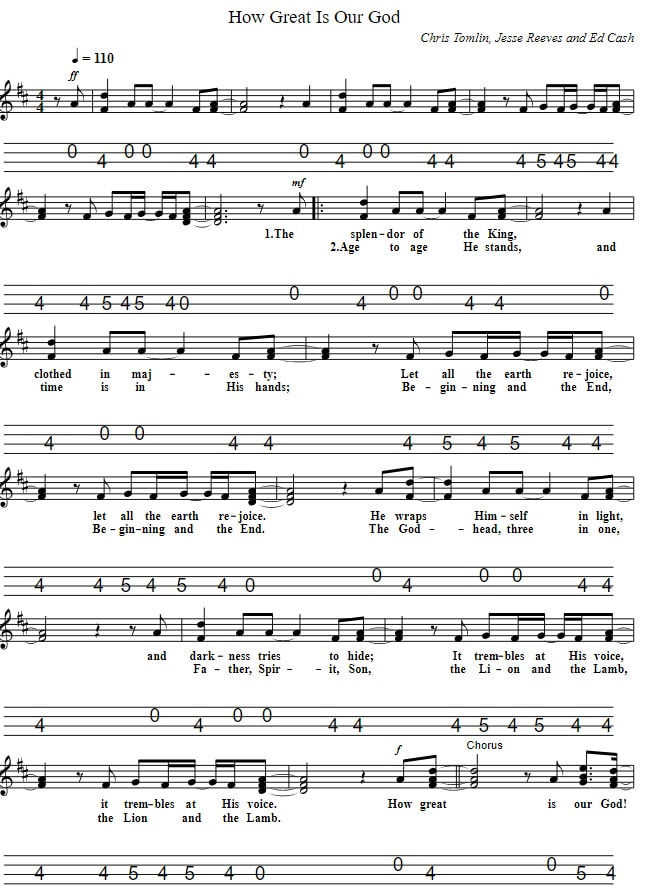
Worship Piano Rhythm and Dynamics
Good worship piano is not only about correct chords. It is also about space, timing, and dynamics.
Start softly during the verse. Use simple block chords and leave room for the singer. Build the sound during the chorus by adding bass notes, wider voicings, or a gentle rhythmic pattern.
Try this dynamic plan:
• Verse: soft chords with light pedal
• First chorus: steady block chords
• Instrumental section: broken chords or a simple melody
• Final chorus: fuller voicings and stronger bass
Avoid playing every moment at full volume. A song needs contrast. Silence can work like a breath between phrases.
Use the sustain pedal with care. Change the pedal when the harmony changes. If you hold it too long, the chords may blur together and make the song sound muddy.