How Much Do Piano Tuners Make: Salary Guide
Piano tuners typically make $40,000 to $70,000 a year, with experienced professionals earning more.
How much do piano tuners make depends on skill, location, workload, and business model. A tuner who works for an employer may earn a steady wage, while an independent technician can charge per visit and build a much larger income. This guide explains piano tuner salaries, service fees, career costs, and the steps that can lead to higher pay.

How much do piano tuners make on average?
In the United States, piano tuners often earn between $40,000 and $70,000 per year. New technicians may earn less while they build speed, skill, and a customer base. Experienced piano technicians with strong business skills can earn $80,000 or more.
The answer to how much do piano tuners make is not one fixed number. Most tuners work in one of three ways:
• As an employee for a music store, school, university, concert hall, or piano company
• As an independent contractor who accepts jobs from stores, dealers, and private clients
• As a self-employed piano technician who runs a full service business
Independent tuners often have a higher income ceiling. They may charge $100 to $250 for a standard tuning, depending on the market and the piano’s condition. However, their gross revenue is not the same as take-home pay.
Business costs can include:
• Travel and fuel
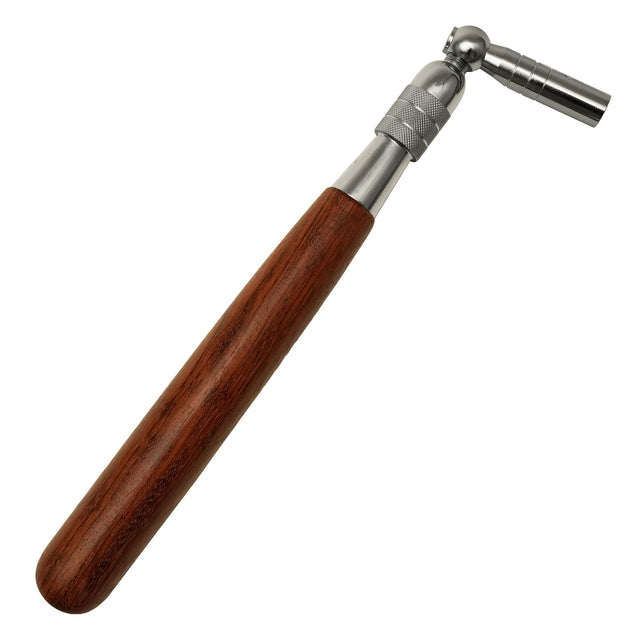
• Piano tuning tools
• Insurance
• Scheduling software
• Advertising
• Taxes
• Repairs and replacement parts
• Training and professional memberships
For example, a technician who completes four $150 appointments per day, four days a week, could produce about $2,400 in weekly revenue. That does not mean the technician takes home $2,400. Travel time, cancellations, tools, taxes, and other costs reduce the final profit.

Piano tuner salary by experience level
Experience has a major effect on earnings. Piano tuning looks simple from the outside, but each piano has its own history, design, and problems. A beginner may need much more time to complete the same job as a skilled technician.
Entry-level piano tuner salary
A new piano tuner may earn about $30,000 to $45,000 per year. Some beginners work under an experienced technician or take a job with a piano store while they learn.
At this stage, the focus is usually on accuracy and speed. A beginner must learn how to:
• Tune each note to the correct pitch
• Recognize loose pins and damaged strings
• Use tuning tools safely
• Communicate with piano owners
• Estimate repair time
Training can take months or years. Tuning one piano is not enough to build true skill. A technician must work on many brands, ages, and conditions.
Mid-career piano tuner salary
A technician with several years of experience may earn $45,000 to $70,000 per year. Many professionals reach this level after building repeat business and learning basic repairs.
A mid-career tuner may also offer extra services. These can include pitch correction, regulation, voicing, string replacement, and minor action repairs. Such work can increase the average invoice.
Experienced piano technician salary
Highly skilled piano technicians may earn $70,000 to $100,000 or more. The highest earners often serve wealthy private clients, concert venues, universities, recording studios, churches, and piano dealers.
Some technicians specialize in high-end grand pianos. Others work with concert artists or prepare pianos for competitions. These roles demand excellent ears, careful hands, and strong knowledge of piano design.
A professional who has a trusted name can also charge more. In this field, reputation works like a well-tuned instrument: small improvements create a noticeable difference.

How much do piano tuners charge per visit?
Most piano tuners charge by the service, not by the hour. A standard tuning often costs between $100 and $250 in the United States.
The price can rise when the piano needs extra work. Common factors include:
• The piano has not been tuned for several years
• The pitch is far below standard
• Strings are broken or rusty
• Tuning pins are loose
• The piano needs regulation or voicing
• The client lives far outside the technician’s normal service area
• The appointment is urgent
A basic tuning may take one to two hours. A neglected piano may take longer and may need more than one visit. A technician should explain this before starting work.
Many tuners use a minimum service fee. This protects them from losing money on travel, short appointments, or difficult jobs. Some also charge extra for emergency visits, weekend work, or concert preparation.
When asking how much do piano tuners make, it helps to look at both price and volume. A $150 tuning sounds profitable, but a tuner may complete only three appointments in a day after driving between homes.

What affects a piano tuner’s income?
Several factors influence how much do piano tuners make. Two technicians with similar skills can earn very different amounts because they work in different markets or use different business plans.
Location
Large cities often have higher service prices. They may also have more pianos, music schools, churches, and professional musicians.
However, city work can bring higher costs. Parking, traffic, rent, and travel time can reduce profit. A technician in a smaller town may charge less but complete more jobs with shorter drives.
Type of clients
Private homeowners provide steady work, especially around holidays, moves, and family events. Professional clients may pay more but often expect very high precision.
Useful client groups include:
• Piano owners
• Piano stores
• Schools and universities
• Churches
• Concert halls
• Recording studios
• Music teachers
• Moving companies
• Piano restoration shops
A balanced client list can protect a technician from slow seasons.
Services offered
Tuning is only one part of piano care. Technicians who learn repairs can increase their income without needing many more customers.
Popular services include:
• Pitch raising
• Piano regulation
• Voicing
• Action repair
• Damper repair
• String replacement
• Cleaning
• Humidity control advice
• Piano inspection before purchase
A piano inspection can be valuable for buyers. It may help them avoid purchasing an instrument with expensive hidden problems.
Reputation
Reviews and referrals matter greatly. Many piano owners prefer a technician recommended by a teacher, church, friend, or local music store.
Reliable communication also affects income. A tuner who arrives on time, explains the work, and treats the home with care is more likely to receive repeat business.

How self-employed piano tuners increase their earnings
Self-employed technicians can earn more than salaried workers, but they also carry more risk. They must find clients, manage schedules, collect payments, and handle taxes.
A practical growth plan may include these steps:
-
Set a clear service area. Limit long drives unless the fee covers travel.
-
Create simple prices. List tuning, pitch correction, repairs, and inspections.
-
Build a professional website. Include services, service areas, reviews, and contact details.
-
Ask for referrals. Teachers and piano stores can become strong sources of work.
-
Track every expense. Fuel, tools, insurance, and phone costs affect profit.
-
Schedule nearby appointments together. This reduces wasted travel time.
-
Send reminders. Regular clients may need tuning once or twice a year.
-
Learn related repairs. Extra skills can raise the value of each visit.
A common mistake is setting prices too low. New tuners may worry that clients will reject a fair rate. Yet low prices can create heavy workloads and weak profits. It is better to offer clear value than to compete only on cost.

How much do piano tuners make after business expenses?
Gross income shows the money a tuner collects. Net income shows what remains after business expenses. This difference is important when comparing self-employed and employed work.
Suppose a technician produces $85,000 in yearly revenue. Business expenses might include:
• $8,000 for fuel and vehicle costs
• $3,000 for tools and equipment
• $2,000 for insurance and memberships
• $2,000 for advertising and software
• $5,000 for repairs, supplies, and other costs
That leaves about $65,000 before personal income taxes. The exact numbers vary, but the example shows why revenue and salary are not identical.
Self-employed workers must also plan for taxes. They may need to make estimated tax payments and pay both employer and employee portions of certain payroll taxes. A tax professional can help with deductions and record keeping.
Employees may earn less in gross pay but receive benefits such as health insurance, paid time off, retirement plans, or mileage reimbursement. Therefore, the best job depends on the full compensation package, not salary alone.

Is piano tuning a good career?
Piano tuning can be a good career for people who enjoy music, detailed work, and one-on-one service. It offers flexible scheduling and the chance to work in many settings.
The work also has challenges. A technician may lift heavy equipment, travel in bad weather, and work inside homes with difficult conditions. Some pianos are stressful to tune because of broken parts, unstable pitch, or years of neglect.
The career may suit you if you:
• Have a strong interest in sound
• Enjoy careful hand work
• Can work alone
• Like solving technical problems
• Communicate well with customers
• Can manage a small business
• Have patience and good hearing
You do not need to be a concert pianist to become a piano tuner. Musical knowledge helps, but technical training and repeated practice are more important. Good technicians learn to listen, measure, adjust, and check their work.
Professional training can come through apprenticeships, trade programs, manufacturer education, or specialized piano technology schools. Membership in a professional organization may also provide education and networking, though membership does not guarantee a certain income.
How to become a piano tuner
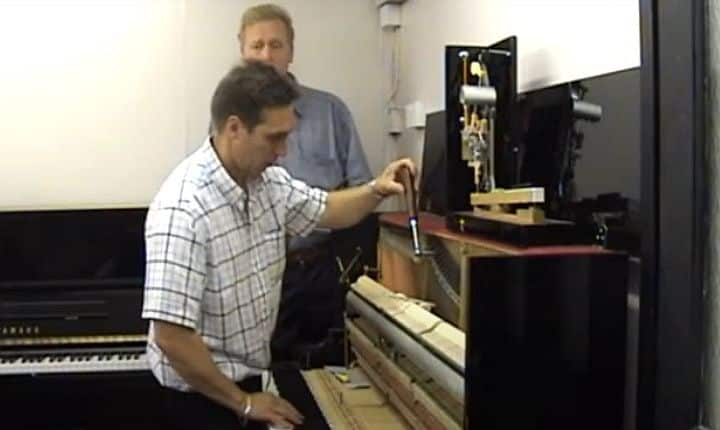
Becoming a piano tuner usually requires practical training. Many people begin by studying basic piano construction and learning how tuning tools work.
A simple career path looks like this:
-
Study piano parts and basic acoustics.
-
Buy a reliable tuning kit.
-
Practice under supervision.
-
Work on different piano brands and models.
-
Learn pitch correction and basic repairs.
-
Develop a pricing and scheduling system.
-
Build relationships with teachers and piano stores.
-
Collect reviews after providing excellent service.
Early practice should focus on accuracy rather than speed. Moving too quickly can damage strings or create unstable tuning. One lesson I would stress to anyone entering this field is to avoid treating every piano as if it were the same. Age, humidity, design, and past repairs all change the correct approach.
A new technician should also avoid promising that every piano can be made perfect in one visit. Honest expectations build trust. If a piano needs repairs first, explain why and provide options.
Ways piano tuners can earn more money
The answer to how much do piano tuners make often improves when technicians add value. More income does not always require working longer hours.
Here are practical ways to grow earnings:
Offer maintenance plans
A yearly or twice-yearly maintenance plan can create repeat income. Clients also benefit because regular tuning helps prevent large pitch changes.
Serve institutions
Schools, churches, and performance venues may have several pianos. One contract can provide more stable work than many individual appointments.
Add piano inspections
Buyers often want an expert opinion before purchasing a used piano. An inspection can reveal repair costs and help the buyer negotiate a fair price.
Learn grand piano work
Grand pianos may require more time and advanced skills. Technicians who can regulate and voice grand pianos may qualify for higher-paying work.
Improve scheduling
Route planning can save hours each week. Grouping appointments by neighborhood may increase the number of profitable visits without extending the workday.
Build referral partnerships
Music teachers, piano movers, real estate agents, and piano retailers can refer clients. A simple referral relationship can be more effective than expensive advertising.
Use transparent pricing
Customers appreciate knowing what a service includes. Clear prices reduce disputes and help a technician appear professional.
How much do piano tuners make compared with related music careers?
Piano tuner income can compare favorably with other music-related careers, especially for people who value steady local service work. Unlike performers, tuners do not depend on auditions, tours, or ticket sales.
Their income may be similar to or higher than some entry-level music jobs. However, comparisons are difficult because hours, benefits, education, and self-employment costs differ.
A piano tuner may have:
• More control over working hours
• Lower formal education costs than some music careers
• A local customer base
• Opportunities for repeat work
• Physical travel and tool expenses
• Less predictable income during the first few years
The strongest comparison is based on net income and lifestyle. A technician earning $60,000 with flexible hours may prefer that arrangement to a higher-paying job with long commutes and less control.
Common mistakes that reduce piano tuner income
Some mistakes can keep a capable technician from earning well. Most involve business planning rather than tuning skill.
One mistake is ignoring travel time. A tuner may accept a low-fee job far away and lose money before the appointment begins. Another is failing to charge for difficult work, such as pitch correction or broken strings.
Other problems include:
• Forgetting to collect payment promptly
• Failing to track expenses
• Buying low-quality tools
• Taking every client without checking location
• Not setting cancellation rules
• Avoiding repairs and advanced training
• Giving unclear estimates
• Neglecting online reviews
A practical lesson is to review your numbers every month. Count appointments, gross revenue, travel time, expenses, cancellations, and repeat clients. These figures show whether the business is truly growing.
How much do piano tuners make: key facts to remember
The most useful answer to how much do piano tuners make includes both income range and working conditions.
• Many piano tuners earn about $40,000 to $70,000 per year.
• New technicians may earn closer to $30,000 to $45,000.
• Experienced specialists may earn $70,000 to $100,000 or more.
• Standard tuning prices often range from $100 to $250.
• Self-employed technicians have higher earning potential but more expenses.
• Location, reputation, speed, and repair skills strongly affect income.
• Net profit matters more than gross sales.
• Repeat clients and institutional contracts can make income more stable.
Salary estimates vary by region and data source. Public employment data may group piano tuners with broader repair or musical instrument occupations. Private business income can also change from month to month. Treat these figures as practical ranges, not guarantees.
Frequently Asked Questions About How Much Do Piano Tuners Make
How much do piano tuners make per hour?
Piano tuners may generate the equivalent of $25 to $75 or more per working hour before expenses. The true hourly profit is lower when travel, scheduling, taxes, tools, and unpaid administrative work are included.
Can a piano tuner make $100,000 a year?
Yes, an experienced piano tuner can reach $100,000 in gross or net business income in a strong market. This usually requires high service volume, premium clients, advanced repairs, efficient scheduling, or a small team.
How much does a piano tuner charge for a standard tuning?
A standard piano tuning often costs $100 to $250 in the United States. Prices vary based on location, piano condition, travel distance, and whether the instrument needs pitch correction.
Is piano tuning a profitable business?
Piano tuning can be profitable when the technician controls travel time, tracks expenses, and builds repeat business. Profit becomes stronger when the tuner offers repairs, inspections, regulation, or contracts for schools and venues.
How long does it take to become a piano tuner?
Basic tuning skills may take several months to develop, but professional confidence often takes years of regular practice. Training should include many piano types, pitch correction, repair work, customer service, and business management.
Do piano tuners need a college degree?
A college degree is usually not required. Apprenticeships, trade programs, practical training, and supervised experience are common ways to enter the profession.
Conclusion
So, how much do piano tuners make? Most earn about $40,000 to $70,000 per year, while skilled and well-established technicians can earn much more. The biggest factors are location, service prices, repeat customers, repair skills, and control of business expenses.
Piano tuning can offer flexible work and a lasting career, but success takes patience and careful planning. If you are considering this path, speak with local technicians, compare training options, and study the demand in your area. Start building your skills one piano at a time, and explore trusted industry resources before making your next move.

Senior Music Reviewer
Alex Carter is a seasoned music reviewer with over a decade of experience in the world of sound and instruments. Passionate about helping musicians and enthusiasts make informed choices, he brings sharp insights and in-depth knowledge to every review. From classical instruments to modern gear, Alex combines technical expertise with a love for music to deliver content that resonates with readers.
As a Senior Music Reviewer and expert author on Tuneluma.com, Alex is dedicated to sharing honest evaluations, practical advice, and thoughtful commentary to guide readers in their musical journey.