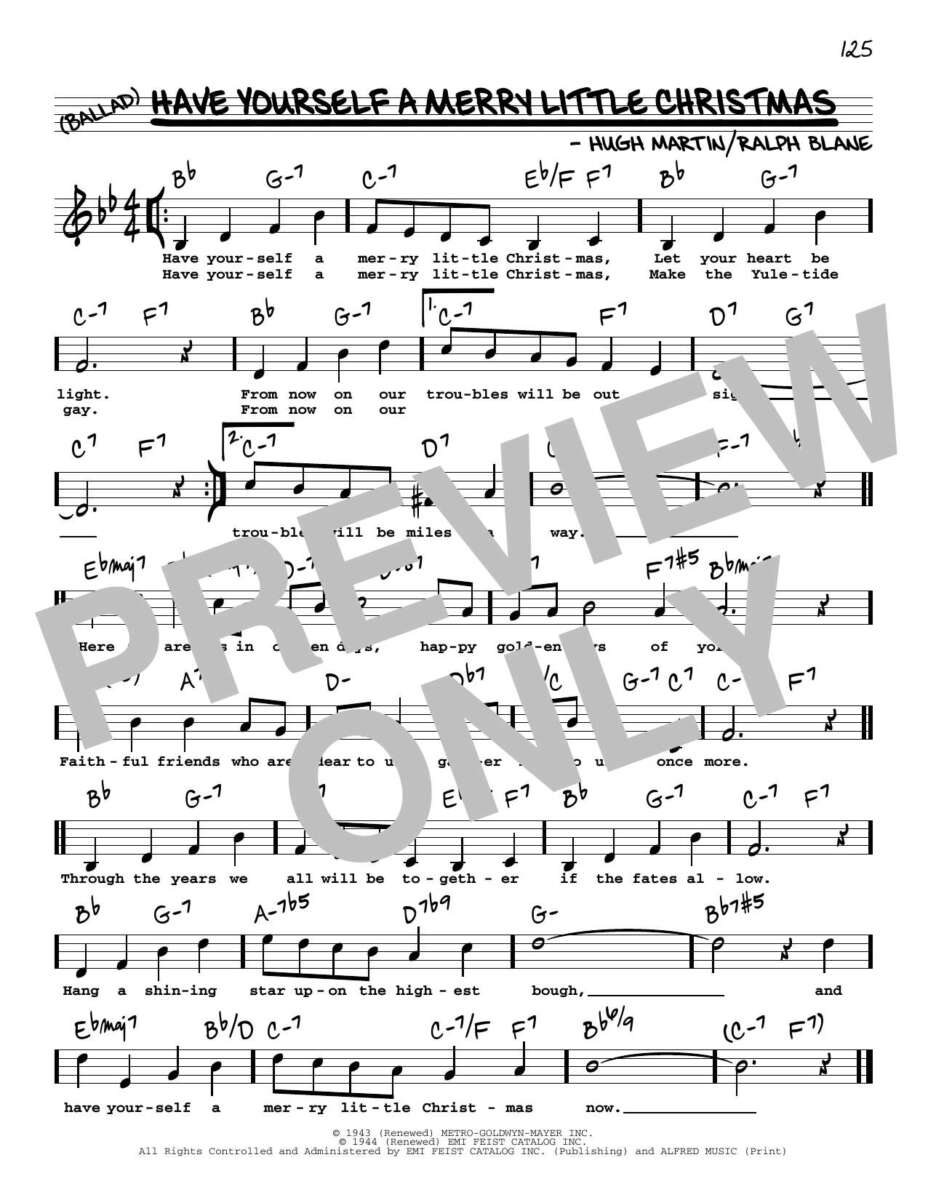
Have Yourself A Merry Little Christmas Chords Piano: Easy
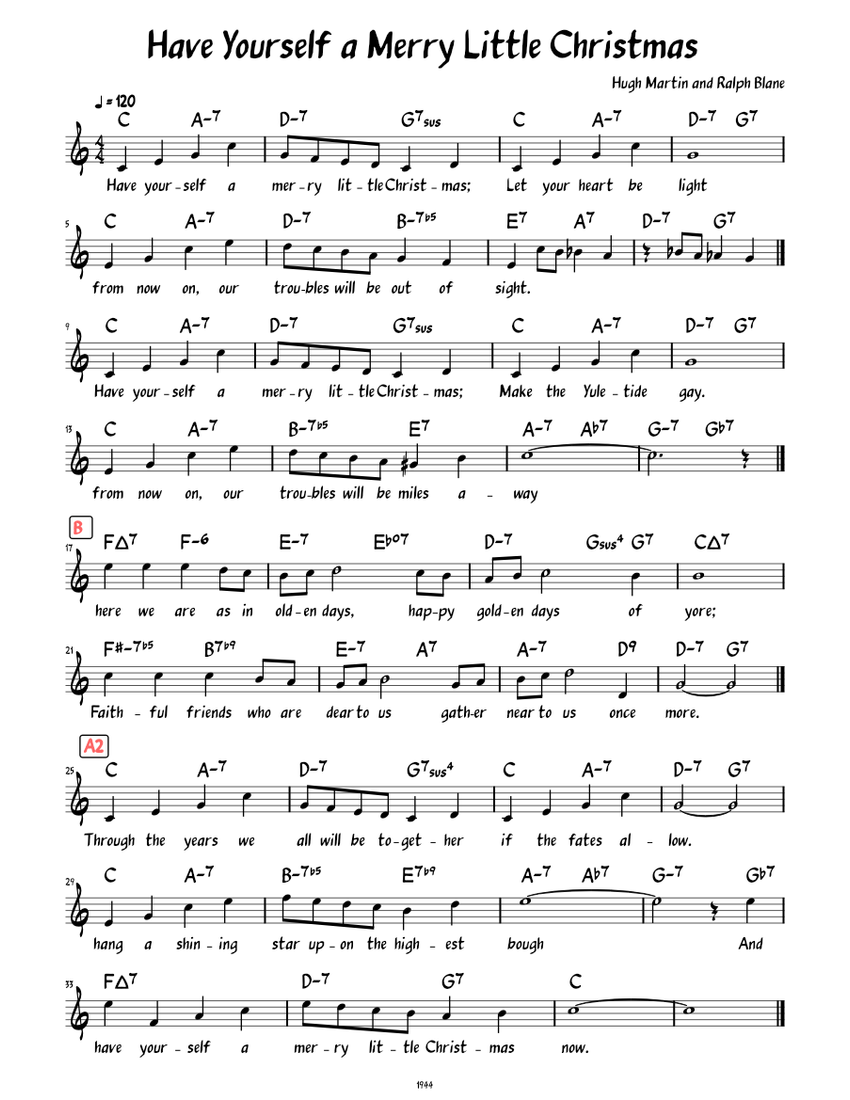
The best starting point for “Have Yourself a Merry Little Christmas” piano chords is a simple, slow progression in C major.
“Have Yourself a Merry Little Christmas” is a gentle holiday ballad with rich harmony and a warm jazz-pop feel. The right piano chords can sound beautiful with just a few triads, yet the song also rewards players who explore seventh chords, passing bass notes, and tasteful inversions. This guide explains the main chord patterns, easy voicings, rhythm ideas, practice steps, and common mistakes so you can play the song with confidence.

Have Yourself a Merry Little Christmas Piano Chords in an Easy Key
The key of C major is a useful place to learn the song because it has no sharps or flats. The basic chords are easy to find, and the melody sits comfortably under many singers.
A simplified chord set for “Have Yourself a Merry Little Christmas” in C major includes:
• C major: C–E–G
• A minor: A–C–E
• D minor: D–F–A
• G major: G–B–D
• E minor: E–G–B
• F major: F–A–C
• D7: D–F♯–A–C
• G7: G–B–D–F
• A7: A–C♯–E–G
The seventh chords add the song’s nostalgic color. If you are new to piano, begin with the plain major and minor chords. Add the seventh notes after your hands feel relaxed.
A simple opening-style progression can be practiced as:
C | Am | Dm7 | G7
Then try:
C | Am | Dm7 G7 | C
This is a learning pattern rather than a complete licensed transcription. Exact chords may vary by arrangement, recording, key, and melody note.

A Practical Chord Chart for Beginners
The following chord roadmap gives you a useful foundation for learning “Have Yourself a Merry Little Christmas” piano chords. Play each chord for four slow beats at first.
Main chord family in C
| Chord | Notes | Basic purpose |
|---|---|---|
| C | C–E–G | Home chord |
| Am | A–C–E | Soft minor color |
| Dm7 | D–F–A–C | Warm movement |
| G7 | G–B–D–F | Pulls back to C |
| F | F–A–C | Broad, warm sound |
| Em7 | E–G–B–D | Smooth passing color |
| A7 | A–C♯–E–G | Leads toward D minor |
| D7 | D–F♯–A–C | Stronger push toward G |
One useful practice loop is:
C | Am | Dm7 | G7
Repeat it slowly. Listen for how G7 creates tension and how C releases it. This tension and release is one reason the song feels both wistful and comforting.
Another helpful loop is:
F | Em7 | Dm7 | G7
This line moves downward in a smooth way. Keep the notes close together instead of jumping to a new position each time.
For a fuller sound, try this left-hand and right-hand split:
• Left hand: Play the root note.
• Right hand: Play the chord.
• Example: Left hand C with right-hand C–E–G.
• Next: Left hand A with right-hand A–C–E.
Once this feels easy, use the left hand to play roots in octaves. Keep the octave soft so it supports the singer or melody instead of overpowering it.

How to Use Seventh Chords and Richer Harmony
The charm of “Have Yourself a Merry Little Christmas” piano chords comes from gentle harmonic color. Seventh chords help create that color without making the arrangement too hard.
A major seventh chord uses the root, third, fifth, and seventh. For example:
Cmaj7 = C–E–G–B
A minor seventh chord uses:
Am7 = A–C–E–G
A dominant seventh chord uses:
G7 = G–B–D–F
Try replacing basic chords with these options:
• C becomes Cmaj7.
• Am becomes Am7.
• Dm becomes Dm7.
• F becomes Fmaj7.
• G becomes G7.
The difference is subtle but important. Plain triads sound clear and direct. Seventh chords sound softer, older, and more polished.
Do not add every extra note at once. Too many changes can make the arrangement cloudy. Start with Cmaj7 and Dm7, then add Am7 and Fmaj7 when the chord changes feel steady.
A useful beginner voicing is:
• Left hand: Root note.
• Right hand: Third, seventh, and one color tone.
For Cmaj7, play C in the left hand and E–G–B in the right hand. For G7, play G in the left hand and F–B–D in the right hand. These compact shapes make the changes smooth.
Piano Voicings That Sound Smooth
Good voicings make “Have Yourself a Merry Little Christmas” piano chords sound connected. The goal is to move each finger as little as possible.
For example, compare these two changes:
C = C–E–GG7 = G–B–D–F
This works, but the hand must move quite far. Instead, try:
C = C–E–G–BG7 = B–D–F–G
The second shape keeps B and G close. This creates a smooth transition and gives the song a more professional sound.
Here are simple right-hand shapes:
• Cmaj7: E–G–B
• Am7: G–A–C–E
• Dm7: F–A–C
• G7: F–B–D
• Fmaj7: E–A–C
• Em7: G–B–D
The left hand can play only the root at first. Later, use roots and fifths:
• C and G for C
• A and E for Am
• D and A for Dm7
• G and D for G7
Avoid playing low chords too heavily. Low notes contain many overtones, so thick voicings can sound muddy. Keep the left hand simple and let the right hand provide the color.
Rhythm and Accompaniment Patterns
The song works best with a slow, relaxed pulse. It should feel like a calm conversation, not a march.
Start with this basic pattern in 4/4 time:
- Play the left-hand root on beat 1.
- Play the right-hand chord on beat 1.
- Repeat the right-hand chord softly on beat 3.
Count:
1 2 3 4
Play the chord on beats 1 and 3. This is simple, steady, and easy to sing over.
For a more flowing style, use broken chords:
• Play the left-hand root.
• Play the right-hand notes from low to high.
• Let the notes ring together.
• Repeat the pattern once per measure.
An arpeggio pattern might use:
Root – fifth – third – fifth
For C, that could be:
C – G – E – G
For Am, try:
A – E – C – E
Use the sustain pedal with care. Change the pedal when the chord changes. If you hold one pedal through several chords, the harmony may blur.
A gentle rubato can sound lovely in this song. Rubato means making small timing changes for expression. Keep the main pulse clear, then slow slightly at the end of a phrase.
How to Practice the Song Step by Step
Learning “Have Yourself a Merry Little Christmas” piano chords becomes easier when you separate the skills.
Step 1: Learn the chord shapes
Play each chord slowly. Name the notes as you play them. This helps you understand the keyboard rather than relying only on muscle memory.
Step 2: Practice the chord changes
Use two-chord pairs:
• C to Am
• Am to Dm7
• Dm7 to G7
• G7 to C
• F to Em7
• Em7 to Dm7
Repeat each pair ten times. Keep your wrist loose and avoid lifting your fingers too high.
Step 3: Add a steady pulse
Play one chord per measure. Count aloud if needed. A slow tempo around 60 to 72 beats per minute is a good starting range.
Step 4: Add the melody
Once the chords are secure, play the melody with your right hand and use simple left-hand roots. Do not try to play a complex arrangement immediately.
Step 5: Add expression
Shape each phrase. Play the opening softly, build toward the emotional center, and relax at the end. The song should breathe.
A common practice mistake is trying to play the full song at performance speed too soon. Slow practice is not a lesser version of real practice. It is where accuracy, timing, and touch are built.
Transposing Have Yourself a Merry Little Christmas Piano Chords
You may need another key if the original key does not fit your voice. Transposing means moving every chord and melody note by the same interval.
Common piano keys include:
• C major for easy reading
• G major for a bright, comfortable range
• F major for a warmer vocal range
• D major for some singers and instrumentalists
If you move from C major to G major, the main chord relationships change like this:
• C becomes G
• Am becomes Em
• Dm becomes Am
• G7 becomes D7
• F becomes C
• Em becomes Bm
The chord pattern stays the same. Only the pitch changes.
Many digital pianos and keyboards offer a transpose button. It can help you find a comfortable vocal key, but use it as a tool rather than a substitute for learning. Understanding the chord relationships will help you play with other musicians.
Always test the key with the singer. A key that feels easy on piano may still sit too high or too low for the voice.
Common Mistakes to Avoid
Even simple “Have Yourself a Merry Little Christmas” piano chords can sound awkward if the technique is rushed.
• Playing every chord at the same volume: Use softer accompaniment and bring out the melody.
• Holding the sustain pedal too long: Change the pedal with each new harmony.
• Using large left-hand chords: Low, wide voicings often sound muddy.
• Ignoring chord inversions: Inversions reduce hand movement and make changes smoother.
• Adding too many seventh chords: Color is useful, but clarity comes first.
• Playing too fast: The song needs space and calm.
• Copying one recording exactly: Different recordings use different keys, tempos, and harmonies.
The song is often performed in a traditional pop or jazz-ballad style. That means the chord symbols may not tell the whole story. A lead sheet gives the harmony, but the pianist still chooses the voicing, rhythm, dynamics, and pedal use.
For an exact commercial arrangement, use authorized sheet music or a licensed lead sheet. Simplified chord guides are excellent for learning, but they may not match every professional recording note for note.
How to Make the Arrangement Sound More Professional
A polished arrangement does not require difficult chords. It requires control.
Begin with a clear melody. If you sing while playing, keep the accompaniment light. If another person sings, listen closely and leave room for the voice.
Use these techniques:
• Play the melody slightly louder than the inner chord notes.
• Use inversions so the top note moves smoothly.
• Add a short passing chord only when it supports the melody.
• Leave small gaps between phrases.
• Use a gentle crescendo toward an emotional high point.
• End with a soft, well-balanced final chord.
For a more modern sound, try slash chords such as:
C/G
This means playing a C chord with G as the lowest note. Slash chords can create a smooth bass line without changing the basic harmony.
For example, a descending bass idea may use:
C | C/B | Am | Am/G
These shapes can sound elegant, but they are optional. If the bass line distracts from the melody, return to simple root notes.
A Simple 15-Minute Practice Routine
A short daily routine can produce better results than one long, tense session.
-
Spend three minutes playing the C major scale slowly.
-
Spend four minutes practicing the main chord pairs.
-
Spend four minutes playing the chord loop with a metronome.
-
Spend two minutes adding the melody.
-
Spend two minutes playing freely and focusing on expression.
Record yourself once or twice. Listening back can reveal rushed chord changes, uneven volume, or too much pedal. This type of feedback is useful because players often hear the music differently while they are performing it.
If your hands feel tense, stop and reset. Lower your shoulders, loosen your fingers, and slow down. Comfortable technique is more important than speed.
Frequently Asked Questions About Have Yourself a Merry Little Christmas Piano Chords
What key is easiest for playing “Have Yourself a Merry Little Christmas” on piano?
C major is often the easiest starting key because it uses only white keys. However, the best key depends on the singer’s vocal range and the arrangement you want to play.
What are the basic “Have Yourself a Merry Little Christmas” piano chords?
A beginner version commonly uses C, Am, Dm, G7, F, and Em. Adding chords such as Cmaj7, Am7, and Dm7 creates a richer holiday sound.
Can a beginner play this song on piano?
Yes. A beginner can start with block chords and a simple left-hand root pattern. Add inversions, seventh chords, and melody notes only after the basic progression feels comfortable.
How can I make the piano chords sound more like a jazz arrangement?
Use seventh chords, close inversions, gentle syncopation, and a walking or descending bass line. Keep the voicings light, because too many low notes can make the arrangement unclear.
Should I use the sustain pedal with these piano chords?
Yes, but change it when the harmony changes. Clear pedal use lets the chords ring while preventing unwanted overlap.
Why do different chord charts show different chords?
Arrangements may use different keys, substitutions, inversions, and passing chords. A simplified chart may also reduce the harmony for beginners, while a professional arrangement may include more detail.
Can I transpose the song for singing?
Yes. Move every chord by the same number of half steps until the melody fits the singer comfortably. Test the new key before practicing the full arrangement.
Conclusion
“Have Yourself a Merry Little Christmas” piano chords are a wonderful way to practice chord changes, seventh chords, inversions, expression, and soft accompaniment. Start with a simple progression in C major, keep the rhythm slow, and add richer voicings only when the basic harmony feels secure.
The most important lesson is to let the song breathe. Play fewer notes, listen to the melody, and use touch and timing to create warmth. Practice the chord loop today, then build your own arrangement with a licensed lead sheet or authorized music resource.

Senior Music Reviewer
Alex Carter is a seasoned music reviewer with over a decade of experience in the world of sound and instruments. Passionate about helping musicians and enthusiasts make informed choices, he brings sharp insights and in-depth knowledge to every review. From classical instruments to modern gear, Alex combines technical expertise with a love for music to deliver content that resonates with readers.
As a Senior Music Reviewer and expert author on Tuneluma.com, Alex is dedicated to sharing honest evaluations, practical advice, and thoughtful commentary to guide readers in their musical journey.