Best Bass Guitar Strings For Jazz: Top Picks For Warm Tone
The best bass guitar strings for jazz balance warm tone, smooth feel, clear notes, and lasting tuning stability.
You know the feeling: your bass sounds too sharp during a walking line, your fingers stick during slides, or fret noise distracts from a soft jazz groove. The right strings can fix much of that. I tested the key traits that matter for jazz, including warmth, attack, comfort, sustain, scale fit, and long-term value. This guide compares roundwound, flatwound, coated, and acoustic bass strings so you can choose with confidence.
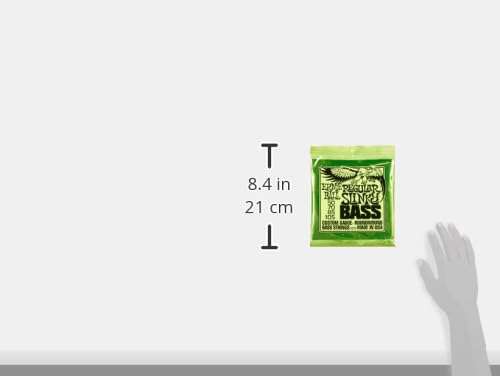
Ernie Ball Regular Slinky Nickel Bass Strings

Ernie Ball Regular Slinky strings use a nickel-plated steel wrap around a hex steel core. The 50-105 gauge gives a full feel without becoming overly stiff. They produce a strong midrange, clear attack, and useful sustain. For a jazz player who wants one set that can cover classic lines and modern fusion, this is a safe starting point.
These are roundwound strings, so they sound brighter than traditional flats. I like them for players who use a pick, slap lightly, or need extra note detail in a busy band. They also work well on passive Jazz Bass pickups, where a little added bite can help each note speak. Their familiar tension makes setup changes fairly simple on most long-scale four-string basses.
Pros:
- Balanced nickel tone with clear mids
- Useful 50-105 gauge for full bass response
- Good sustain for jazz fusion and modern styles
- Comfortable feel for many playing techniques
- Widely available and easy to replace
- Works well with passive and active basses
Cons:
- Brighter and rougher than flatwound strings
- Finger noise may show during quiet passages
- May need more frequent changes than flats
My Recommendation
I recommend these to jazz players who do not want an overly dark sound. They suit bassists who move between straight-ahead jazz, blues, rock, and fusion. The regular gauge adds body to low notes while keeping the set responsive for walking lines. In my view, this is one of the best bass guitar strings for jazz when versatility matters most.
| Best for | Why |
|---|---|
| Modern jazz | Roundwound clarity keeps complex lines distinct. |
| Players using one bass for many styles | The nickel tone works across jazz, blues, rock, and funk. |
| Fuller four-string tone | The 50-105 gauge gives solid low-end weight. |
Ernie Ball Super Slinky Nickel Bass Strings

The Super Slinky set uses a lighter 45-100 gauge. That lighter tension feels quick under the fingers and makes bends, slides, and vibrato easy. Nickel-plated steel gives the strings a bright but controlled voice. The result is a flexible set for players who value touch and speed.
I find this gauge especially useful on short-scale basses, older instruments, and basses with a naturally thick neck feel. It does not push the fundamental quite as hard as the regular set, but it responds quickly to a light touch. Jazz players who use delicate dynamics can bring out a soft, singing quality. A clean amplifier setting helps keep the top end smooth rather than harsh.
Pros:
- Light tension feels easy during long sessions
- Responsive for slides, vibrato, and bends
- Clear note attack for modern jazz lines
- Good choice for smaller hands or older players
- Nickel wrap feels smoother than many steel sets
- Useful for bassists who change styles often
Cons:
- Less low-end weight than a 50-105 set
- Can feel too loose with heavy picking
- Roundwound texture creates more finger noise than flats
My Recommendation
This set is best for jazz bassists who prefer a light, fast feel. It also suits players who use a short-scale instrument or need less resistance under the fretting hand. I would choose it for soft swing, fusion, and melodic playing where touch matters more than maximum punch. It is among the best bass guitar strings for jazz if comfort ranks above vintage darkness.
| Best for | Why |
|---|---|
| Light-touch players | The 45-100 gauge responds to gentle finger pressure. |
| Short-scale basses | Lower tension can make a compact bass feel lively. |
| Fast slides and vibrato | The flexible design supports expressive movement. |
Fender 9050 Stainless Flatwound Bass Strings
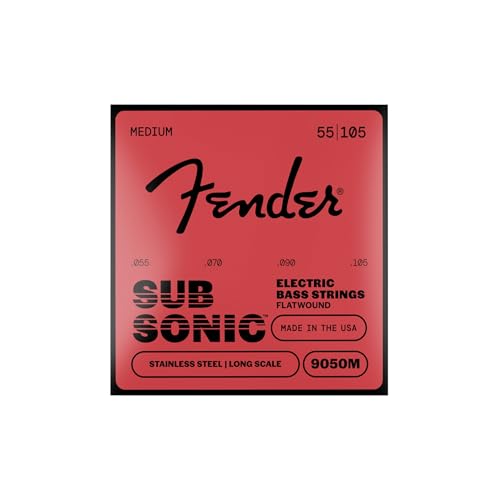
The Fender 9050M set uses stainless steel flatwound construction and a medium 55-105 gauge. Flatwounds have a smooth surface that reduces finger noise and gives each note a round, focused edge. Stainless steel adds more presence than many nickel flats. These qualities make the set a strong match for traditional jazz, soul, blues, and vintage R&B.
The 55 gauge G string gives the set a firm feel, while the 105 E string delivers dependable bottom-end support. I like this balance when a bass needs to sit behind a piano or horn without taking over the mix. The smooth surface also helps during long walking lines. Allow some playing time for the tone to settle, since flatwounds often become richer and more even as they age.
Pros:
- Smooth surface reduces finger and fret noise
- Warm, focused tone suits traditional jazz
- Stainless steel adds useful clarity to flatwounds
- Firm medium tension supports strong right-hand control
- Excellent fit for fretless and fretted basses
- Long usable life compared with many roundwounds
Cons:
- May feel stiff to players used to light strings
- Less upper-end sparkle than roundwounds
- Initial break-in may take some patience
My Recommendation
I recommend the Fender 9050M for players chasing a classic jazz bass voice with a little extra edge. It is also a smart choice for fretless bass because the smooth wrap can help reduce wear and unwanted scrape. Players who want a steady, supportive fundamental will appreciate the medium gauge. For many traditional setups, these are the best bass guitar strings for jazz at an accessible price.
| Best for | Why |
|---|---|
| Traditional jazz | Flatwound construction creates a warm and controlled voice. |
| Fretless bass | The smooth surface helps limit finger noise and wear. |
| Vintage tone with clarity | Stainless steel keeps the sound from becoming too dull. |
Rotosound RS77S Monel Short-Scale Flats

The Rotosound RS77S is a short-scale set with Monel flatwound construction. Its 40-50-75-90 gauges feel lighter than many standard jazz sets. Monel has a distinctive smooth, dry character that sits nicely in a small combo. These strings can make a short-scale bass sound thick without adding excessive brightness.
Short-scale players must check their instrument before ordering, because excess winding length can create problems at the tuning post. Once fitted correctly, the set feels supple and musical. The light gauges support easy fretting and relaxed vibrato. I hear a woody midrange that works especially well with upright-inspired jazz parts and old-school grooves.
Pros:
- Designed for short-scale basses
- Light gauges feel relaxed and easy to fret
- Monel flats offer a distinct vintage voice
- Smooth feel supports quiet, clean slides
- Strong choice for upright-style electric bass parts
- Warm midrange sits well in small ensembles
Cons:
- Not suitable for most long-scale basses
- Light 90 gauge E string may lack force for some players
- Monel tone may seem unusual at first
My Recommendation
Choose the RS77S if you own a short-scale bass and want a warm jazz sound without heavy string tension. It is best for players who value comfort, vintage color, and a soft attack. I would not use it as a universal set because scale length is critical. For the right compact instrument, it can be one of the best bass guitar strings for jazz available.
| Best for | Why |
|---|---|
| Short-scale bass owners | The winding length matches compact instruments. |
| Vintage jazz tone | Monel flats give a dry, woody and rounded sound. |
| Easy fretting | The light gauges reduce hand fatigue. |
Thomastik-Infeld Jazz Flatwound Bass Strings

Thomastik-Infeld JF strings are made for players who want a rich, traditional jazz sound with a lighter touch. The listed set runs from 43 to 100, which is fairly light for a flatwound set. That combination gives a soft feel while keeping the tone deep and musical. The smooth surface also helps notes glide beneath the fingers.
These strings excel when the bass must sound warm but not lifeless. I hear a clear fundamental, gentle highs, and a controlled attack that supports walking lines. They can also flatter hollow-body and short-scale-style instruments, though you should confirm the correct scale and winding length. The price is higher than many mainstream sets, but the refined feel can justify it for serious jazz work.
Pros:
- Rich, traditional jazz tone
- Light tension feels smooth and comfortable
- Excellent note-to-note balance
- Very low finger noise during slides
- Refined response for walking bass
- Long service life with careful use
Cons:
- Higher price than basic flatwound sets
- May feel too soft for aggressive players
- Requires careful scale-length selection
My Recommendation
I recommend Thomastik-Infeld strings to jazz players who care deeply about touch and tone. They are especially suited to acoustic-volume combos, hollow-body basses, and classic walking lines. The light feel helps players shape dynamics without fighting the instrument. If budget allows, these are strong candidates for the best bass guitar strings for jazz.
| Best for | Why |
|---|---|
| Traditional jazz professionals | The tone stays warm, clear, and controlled. |
| Light-touch technique | Lower tension responds well to gentle playing. |
| Low-noise performance | The smooth surface keeps slides quiet. |
Ernie Ball Earthwood Acoustic Bass Strings
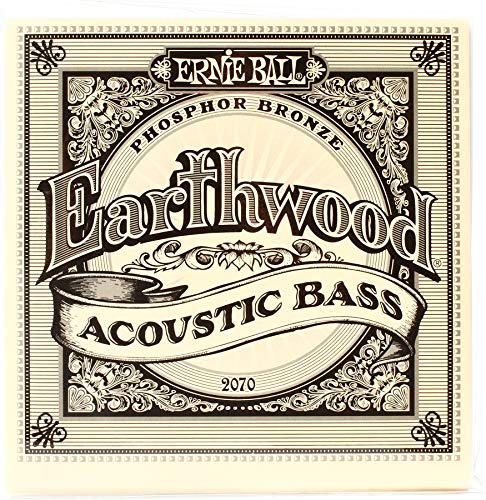
Ernie Ball Earthwood strings use a phosphor bronze wrap and a 45-95 gauge. They are intended for acoustic bass guitar, not a standard electric jazz bass. Their tone is bright, open, and resonant, with a strong upper-mid presence. That voice can work well when an acoustic bass needs to cut through a small unplugged session.
I include this set because some jazz players use acoustic bass guitars for coffeehouse shows, rehearsals, and recording. The lighter gauge feels easy, but the brighter wrap can reveal more pick and finger detail. These strings are not the usual choice for a warm electric jazz tone. Confirm your bass design, bridge, scale, and manufacturer requirements before installing them.
Pros:
- Bright, lively acoustic bass tone
- Phosphor bronze adds harmonic detail
- Light 45-95 gauge feels comfortable
- Useful for unplugged jazz settings
- Clear attack helps the bass project
- Good option for acoustic bass guitar owners
Cons:
- Not intended for most electric basses
- Too bright for classic warm jazz in some rigs
- May show finger noise more than flats
My Recommendation
Choose Earthwood strings only if you play an acoustic bass guitar. They suit jazz duos, small unplugged groups, and players who want a clear acoustic voice. I would not place them first for a standard electric Jazz Bass because their bronze tone differs from the classic electric sound. Still, they can be the best bass guitar strings for jazz when projection and acoustic color matter.
| Best for | Why |
|---|---|
| Acoustic bass guitar | The phosphor bronze wrap supports acoustic projection. |
| Unplugged jazz duos | Bright harmonics help the instrument carry. |
| Players wanting sparkle | The tone has more top-end detail than flatwounds. |
D’Addario ECB81 Chromes Bass Strings

D’Addario ECB81 Chromes are light flatwound strings in a 45-100 long-scale set. The polished stainless steel surface feels smooth and reduces unwanted finger sound. They deliver a warm fundamental with enough attack for clear walking lines. This balance explains why Chromes remain a common choice for jazz, blues, and Motown-style bass.
The light gauge gives them a more flexible feel than many medium flats. They are easy to bend slightly and comfortable for long rehearsals. I find the tone controlled rather than dull, especially when the bass uses fresh electronics and a moderate amount of treble. As with any flatwound set, they may need a short adjustment period after installation.
Pros:
- Polished surface feels smooth under the fingers
- Warm tone with clear note definition
- Light 45-100 tension suits many players
- Long-scale fit works with common four-string basses
- Excellent for walking lines and vintage grooves
- Good balance of comfort and value
Cons:
- Less bright than roundwound strings
- May feel too polished for players wanting grit
- Long-scale users must still check winding length
My Recommendation
Chromes are one of my safest recommendations for a first flatwound set. They suit new jazz players because the tone is warm, useful, and not overly extreme. Experienced bassists can also use them for soul, blues, pop, and studio work. If you want dependable best bass guitar strings for jazz without a premium price, ECB81 is a practical pick.
| Best for | Why |
|---|---|
| First-time flatwound buyers | The tone offers warmth without losing note clarity. |
| Walking bass | The polished wrap supports smooth, even movement. |
| Studio and cover work | The balanced voice fits many recorded styles. |
Ernie Ball Regular Slinky Flatwound Strings

Ernie Ball Regular Slinky flats use a 50-105 gauge for a firm, full feel. Their flat surface helps produce a smooth attack and low handling noise. The sound leans warm, focused, and supportive rather than sharp or aggressive. This makes the set a strong match for traditional jazz and old-school soul.
The regular gauge gives the low E string enough weight for players with a firm right hand. It also keeps the bass stable during standard tuning and moderate alternate tunings. I like these strings when I want a clear fundamental but do not need lots of sparkling treble. They offer an affordable route into the flatwound sound.
Pros:
- Warm and focused jazz voice
- Smooth feel reduces sliding noise
- 50-105 gauge gives strong low-end support
- Good value for a regular flatwound set
- Suitable for vintage and modern bass designs
- Comfortable for repeated walking patterns
Cons:
- Firm tension may tire light-touch players
- Less high-end detail than nickel rounds
- Can require setup changes on some basses
My Recommendation
I recommend this set for players who want a classic, substantial flatwound feel at a reasonable cost. It is especially useful for bassists who play hard with the fingers and need the E string to stay solid. The tone works beautifully under horns, piano, and vocals. These are among the best bass guitar strings for jazz if you want warmth, strength, and value together.
| Best for | Why |
|---|---|
| Firm right-hand players | The medium gauge handles stronger attack well. |
| Classic jazz and soul | The flat surface creates a round, focused voice. |
| Budget-minded musicians | The set offers a trusted flatwound tone at a fair cost. |
D’Addario NYXL 5-String Bass Strings

D’Addario NYXL strings are designed for five-string basses and use a 45-130 gauge. They are roundwound strings with a bright, strong attack and a firm low B. The material and construction aim to improve tuning stability and break resistance. For jazz fusion, gospel, modern jazz, and low-register work, that extra range can be useful.
This is not a vintage flatwound set, but it serves players who need a modern and articulate sound. The low B remains more focused when the bass and kick drum share space. I would pair it with a warm amplifier or roll back some treble for a smoother jazz mix. Check your scale length and nut width before buying, since five-string basses vary greatly.
Pros:
- Designed specifically for five-string basses
- Strong and controlled low B response
- Clear attack helps complex lines speak
- Good tuning stability for demanding gigs
- Useful for modern jazz and fusion
- Firm feel supports alternate tunings
Cons:
- Too bright for players seeking pure vintage jazz tone
- Not compatible with four-string basses
- 45-130 tension may feel heavy to some players
My Recommendation
Choose NYXL if you play a five-string bass and need a clear, dependable low B. It suits contemporary jazz players who use extended harmony, looping, fusion, or amplified ensembles. Traditional jazz players may prefer flats, but modern players will value the definition. For a five-string setup, this can be the best bass guitar strings for jazz when range and stability lead the decision.
| Best for | Why |
|---|---|
| Five-string jazz bass | The set includes the correct low-B string and matching gauges. |
| Modern jazz and fusion | Roundwound clarity keeps fast lines distinct. |
| Alternate tunings | The firm construction supports stable pitch and tension. |
Fixto Coated 4-String Bass Strings

Fixto coated strings come in a common 45-105 four-string gauge. The coating is intended to slow the effect of sweat, dirt, and skin oils. That can help players who perform often or live in a humid area. Their roundwound design gives a clear, modern sound with more top-end detail than traditional flats.
Coated strings can feel different from uncoated strings, so I suggest giving them a few practice sessions before judging them. They may feel slick to some players and slightly textured to others. The 45-105 gauge offers a familiar middle ground for many basses. They are a practical option when long string life matters more than a fully vintage jazz character.
Pros:
- Coating helps resist sweat and grime
- 45-105 gauge suits many four-string basses
- Clear roundwound tone supports modern jazz
- Useful for frequent gigging and travel
- May reduce the need for constant string changes
- Accessible option for players on a budget
Cons:
- Coated feel may not suit every player
- Less warm than traditional flatwounds
- Long-term coating durability can vary with use
My Recommendation
Fixto is best for working bassists who want a four-string set that can handle regular practice and gigs. It also suits players whose hands cause ordinary strings to lose brightness quickly. I would choose it for modern jazz, pop-jazz, and cover-band work rather than strict vintage sessions. Among the best bass guitar strings for jazz, this set stands out for practical coated protection.
| Best for | Why |
|---|---|
| Frequent performers | The coating helps protect the strings from daily wear. |
| Humid environments | Added protection can slow grime and corrosion. |
| Modern four-string jazz | The roundwound tone offers clear note detail. |
How to Choose Jazz Bass Strings
Jazz does not have one single bass tone. A player using a hollow-body bass may want a soft, woody voice. A fusion bassist may need sharp attack and strong sustain. Start with the sound in your head, then choose the string construction that moves you closest to it.
Flatwound or Roundwound?
Flatwound strings usually give the warmest and smoothest jazz tone. Their surface reduces finger noise and makes slides feel quiet. They work well for walking bass, vintage jazz, blues, soul, and fretless instruments. The trade-off is less treble and a slower response to aggressive picking.
Roundwound strings offer more brightness, sustain, and harmonic detail. They suit modern jazz, fusion, funk, and players who need a note to cut through a large band. Nickel-plated steel rounds often provide a gentler sound than stainless steel. If your bass already sounds bright, flats may create a better balance.
Why String Gauge Matters
Gauge affects tension, feel, pitch stability, and low-end weight. A 45-100 set feels lighter and can help with bends and vibrato. A 50-105 set gives a fuller feel and stronger fundamental. Heavier sets can sound powerful, but they may need a truss rod or intonation check after installation.
Do not choose gauge by sound alone. Consider your hand strength, tuning, scale length, and playing attack. If you switch from rounds to flats, the change in tension and neck relief may be large. Tune the new set carefully and let it settle before making final setup changes.
Scale Length and String Fit
Always check whether your bass is short scale, medium scale, long scale, or extra long scale. Short-scale strings can leave too much winding on a long-scale instrument. Long-scale strings may not fit correctly on a short-scale bass. The wrong length can create poor tuning, weak bends, or an unsafe fit at the tuner.
Five-string basses also need a dedicated five-string set. Do not try to combine random single strings unless you understand gauge and tension. The low B needs the right core and winding length to stay focused. Product packaging and the bass maker’s specifications are the best places to confirm compatibility.
Nickel, Stainless Steel, and Monel
Nickel-plated steel is a popular middle choice. It gives clear mids and a balanced top end. Stainless steel usually sounds brighter and more aggressive, which can help modern players but may be too sharp for mellow jazz. Monel has a distinct dry and earthy sound that many vintage-minded players enjoy.
How Long Do Jazz Bass Strings Last?
Flatwounds can last for months or even years, depending on sweat, practice time, and tone preference. Roundwounds usually lose brightness sooner because dirt collects between the windings. Coated strings can extend the fresh feel for some players. There is no fixed schedule, so change strings when tuning, intonation, feel, or note clarity begins to suffer.
Care Tips for Longer String Life
Wash and dry your hands before playing. Wipe the strings with a clean, dry cloth after each session. Avoid household cleaners, which can damage coatings and finishes. Store the bass in a stable room, and keep it away from extreme heat and moisture.
I also recommend checking the bridge and nut when changing string types. A flatwound set may sit differently from a roundwound set. If notes buzz or the action changes, a qualified repair technician can correct the setup. Good maintenance helps even the best bass guitar strings for jazz perform at their full potential.
FAQs Of best bass guitar strings for jazz
Are flatwound strings best for jazz bass?
Flatwounds are often the first choice for traditional jazz because they sound warm, smooth, and quiet. However, roundwounds work better for modern jazz, fusion, and players who need extra attack. Your bass, amplifier, and technique also shape the final sound.
What string gauge is best for jazz bass?
A 45-100 or 50-105 set works well for many four-string basses. Lighter gauges feel easier, while heavier gauges add firmness and low-end weight. Always confirm the scale length and your bass manufacturer’s recommendations.
Can I use flatwound strings on a fretless bass?
Yes. Flatwounds are a common choice for fretless bass because they reduce finger noise and can help limit wear on the fingerboard. Check the setup after installation, since string tension and height may change.
Do jazz bass strings need a long break-in period?
Flatwounds often need more playing time than roundwounds before their tone settles. Some players like their initial brightness, while others prefer the deeper sound that develops later. Stretch new strings gently, tune often, and avoid pulling them too hard.
Are coated strings good for jazz?
Coated strings can be useful for modern jazz and frequent gigging. They help resist sweat and dirt, but their feel may differ from ordinary strings. For a classic jazz sound, many players still prefer uncoated flatwounds.
Final Verdict: Which Should You Buy?
For most traditional jazz players, I recommend Thomastik-Infeld flatwounds for their rich tone and easy feel. D’Addario Chromes offer the best value, while Fender 9050M delivers strong vintage character. Modern players may prefer Ernie Ball nickel rounds or NYXL five-string sets.
The best bass guitar strings for jazz should match your bass, scale, hands, and style. Choose warmth for classic walking lines, clarity for fusion, and light tension for comfort.

Senior Music Reviewer
Alex Carter is a seasoned music reviewer with over a decade of experience in the world of sound and instruments. Passionate about helping musicians and enthusiasts make informed choices, he brings sharp insights and in-depth knowledge to every review. From classical instruments to modern gear, Alex combines technical expertise with a love for music to deliver content that resonates with readers.
As a Senior Music Reviewer and expert author on Tuneluma.com, Alex is dedicated to sharing honest evaluations, practical advice, and thoughtful commentary to guide readers in their musical journey.