
Best Soundhole Pickup For Acoustic Guitar: Top Picks
The best soundhole pickup for acoustic guitar combines clear tone, low noise, easy fit, and reliable stage performance.
You know the problem: your acoustic guitar sounds warm in the room, but a microphone feeds back as soon as you turn up. A soundhole pickup solves that pain without cutting into the guitar or paying for a full built-in system. I compared passive, humbucking, wireless, and clip-on designs for tone, setup, noise, control, and daily use. These picks suit players who gig, practice with an amp, record demos, or simply want louder acoustic sound without permanent changes.
AMUMU SP30 Woody Soundhole Pickup

The AMUMU SP30 Woody uses a passive magnetic design with a rare-earth neodymium magnet. It needs no battery, so you can install it and play without checking a power light before a show. Its wood-style cover also looks more natural than many plain black pickups. In use, it gives a focused acoustic voice with enough midrange cut for a small amp or PA.
This model fits steel-string acoustic guitars with a suitable soundhole. The single-coil design keeps the signal simple and direct, which many players enjoy for folk, country, and light rock. You still need a standard instrument cable and an amp or acoustic preamp. I would also keep the pickup away from the strings during installation so the magnetic field does not create unwanted string pull.
Pros:
- Passive design needs no battery
- Rare-earth magnet provides a strong signal
- Woody cover blends well with many acoustic guitars
- Simple setup suits beginners and gigging players
- Clear tone works well with acoustic amps
- Removable design avoids permanent guitar modification
Cons:
- Single-coil construction may pick up more hum than a humbucker
- It works with steel strings, not most nylon-string guitars
- It does not include onboard volume or tone controls
Passive Humbucker Soundhole Pickup

This passive acoustic guitar pickup takes a humbucker approach and adds volume and timbre controls. That makes it more flexible than a basic magnetic pickup with no controls. I like this layout for players who want to shape the sound at the guitar instead of reaching for the amp every few seconds. The output has a fuller character that can suit strumming and band work.
The pickup installs across the soundhole and sends its signal through a regular cable. Because it is passive, it does not require a battery compartment or internal wiring. The onboard controls are useful during a live set, but they also add a little bulk near the soundhole. Check your soundhole width before buying, and keep the cable clear of your picking hand.
Pros:
- Humbucker design helps reduce common single-coil hum
- Built-in volume control allows quick stage changes
- Timbre control adds useful tone shaping
- Passive operation keeps maintenance low
- Full sound works well for strumming
- Removable installation protects the guitar body
Cons:
- Controls add more weight than a basic pickup
- May sound less open than a microphone-based system
- Fit can vary between narrow and wide soundholes
Wireless Rechargeable Soundhole Pickup
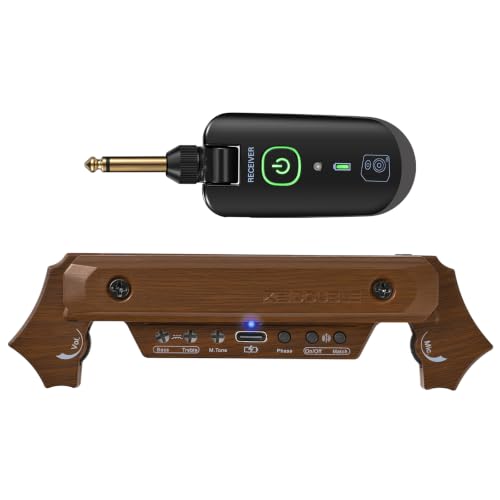 rechargeable magnetic and microphone soundhole pickup for acoustic guitar in wood grain”>
This wireless pickup combines magnetic sensing with a built-in microphone and rechargeable power. That blend can give the amplified sound more air than a magnetic pickup alone. The wood-grain finish also gives it a warmer visual style on many acoustic guitars. A built-in volume control keeps basic level changes close at hand.
The main appeal is freedom from a cable running from the guitar to the amp. That can help during casual performances, worship sets, street playing, and small events. Wireless gear still needs careful charging and proper pairing, so I would test it before every important show. The microphone side may also respond to stage noise more than a pure magnetic design.
Pros:
- Wireless operation reduces cable clutter
- Rechargeable battery avoids disposable cells
- Magnetic and microphone elements create a broader voice
- Built-in volume control offers quick adjustment
- Wood-grain finish looks less industrial
- Useful for players who move around on stage
Cons:
- Requires charging before use
- Wireless range and stability depend on the receiver setup
- Microphone element may capture feedback or room noise
- Usually costs more than a simple passive pickup
Wireless Rechargeable Pickup in Black

This black wireless model offers the same general idea as the wood-grain version: a rechargeable soundhole unit with magnetic and microphone pickup elements. Its black finish is a good match for dark hardware, black pickguards, and modern stage guitars. The built-in volume control helps you make fast changes without bending toward an amp. It is a practical choice for players who dislike a cable at their feet.
The mixed pickup system can create a more natural response than a magnetic-only unit, especially when you use light strumming. Still, wireless systems work best when you understand their charging and receiver needs. I recommend keeping the receiver line of sight when possible and avoiding crowded radio areas. For home practice, the wireless feature may matter less than the added convenience of quick setup.
Pros:
- Wireless design supports free movement
- Rechargeable power is convenient for regular use
- Black finish suits many modern acoustic guitars
- Built-in volume control simplifies live adjustments
- Magnetic pickup adds a stable core signal
- Microphone element can add extra acoustic detail
Cons:
- Battery charge limits uninterrupted playing time
- Wireless gear can be less predictable than a cable
- Combined microphone systems need careful feedback control
- It may be more than a beginner needs
Seymour Duncan Woody HC Humbucker

The Seymour Duncan Woody HC is a hum-canceling magnetic pickup aimed at players who want dependable stage tone. Its walnut-style Woody housing looks like a deliberate part of the guitar rather than an afterthought. The hum-canceling design is a major advantage in venues with noisy lighting, power supplies, or long signal chains. It produces a strong, usable sound for strumming, flatpicking, and amplified rhythm work.
This is a passive pickup, so there is no battery to replace or recharge. That simplicity makes it a strong choice for a working musician who values fewer points of failure. The tone leans toward the direct and controlled nature of a magnetic pickup, not the wide room sound of a microphone. I would pair it with an acoustic preamp or a clean amp channel for the best control.
Pros:
- Hum-canceling design helps keep the signal quiet
- Trusted pickup brand with a strong reputation
- Walnut finish gives the guitar a classic look
- Passive operation reduces maintenance
- Strong output suits live acoustic rigs
- Removable format avoids permanent modification
Cons:
- Premium pricing may not fit a tight budget
- No onboard volume or tone controls
- Magnetic tone may need EQ for a more natural acoustic sound
GOGHOST KQ-3 Clip-On Pickup
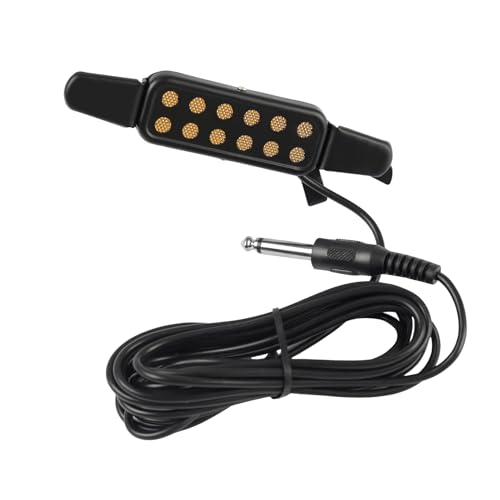
The GOGHOST KQ-3 uses a clip-on format rather than sitting across the soundhole. That makes it useful for guitars with unusual soundhole shapes or players who want an especially fast setup. You attach it to the guitar, connect the cable, and start playing. The design also avoids placing a large bar across the picking area.
Clip-on pickups often sense vibration through contact with the guitar body, so placement affects the final tone. I would try the lower bout, bridge area, and other suggested positions to find the clearest balance. The KQ-3 is a practical tool for lessons, rehearsals, travel, and quick demos. It may not deliver the same stage isolation as a well-positioned magnetic soundhole pickup.
Pros:
- Fast clip-on installation
- Works with guitars that may not accept standard soundhole units
- Easy to remove between sessions
- Compact design travels well
- Does not require permanent guitar changes
- Useful for lessons, practice, and quick recording
Cons:
- Placement can change the tone
- Clip pressure must be handled with care
- May be more sensitive to handling noise
- Steel-string compatibility should be confirmed before purchase
AMUMU SP60 Humbucker Pickup

The AMUMU SP60 is a passive magnetic humbucker designed for acoustic guitar. It gives players a fuller signal than many basic single-coil units and helps reduce unwanted electrical noise. The black housing has a clean, low-key appearance that suits many guitars. Because it uses passive electronics, the pickup remains simple and ready whenever you plug in.
I see the SP60 as a sensible middle ground for players who want a humbucker without a complex installation. It works well for strumming through an acoustic amp and can handle moderate effects. A little EQ may help restore sparkle if your guitar has a dark voice. As with every magnetic soundhole pickup, use steel strings and check the physical fit before ordering.
Pros:
- Humbucker design helps control hum
- Passive electronics require no battery
- Full output works well with amps and pedals
- Black finish has a discreet appearance
- Simple removable installation
- Good choice for players who strum with force
Cons:
- May sound darker than a single-coil pickup
- No onboard controls for volume or tone
- Soundhole size still affects compatibility
- It does not capture as much room air as a microphone
Seymour Duncan Woody Single-Coil Maple

The Seymour Duncan Woody Single-Coil in maple is built for players who prefer a bright, direct magnetic response. Its maple-style cover gives it a traditional look and helps it stand out from plain plastic pickup housings. The single-coil design can reveal pick attack and crisp treble, which suits folk leads and clear chord work. It is passive, so it keeps the setup easy.
Single-coil pickups can sound lively, but they may also reveal more electrical hum in a difficult room. I would use a short, well-shielded cable and keep the guitar away from noisy power supplies. This pickup makes sense for a player who wants a simple acoustic-electric setup without cutting the instrument. It can also pair well with a warm amp or a gentle EQ boost in the low mids.
Pros:
- Bright response highlights pick attack
- Maple-style finish looks classic
- Passive design needs no battery
- Strong brand support and proven pickup style
- Easy removable installation
- Good match for folk and clear lead playing
Cons:
- Single-coil design can produce more hum
- May sound sharp with a bright guitar or amp
- No built-in volume or tone controls
- Designed for steel-string guitars
GOGHOST JR-3 Clip-On Pickup

The GOGHOST JR-3 follows the portable clip-on pickup design but offers a different option for players comparing compact models. It attaches without opening the guitar or routing the body. That is a big benefit for a student, renter, or musician who wants to test amplification before investing in a permanent system. The small format also fits easily in a gig bag pocket.
As with the KQ-3, careful placement matters. A contact pickup can sound balanced in one spot and thin or boomy in another. I would start near the bridge area, play each string, and move the unit in small steps. The JR-3 is best viewed as a flexible practice and rehearsal tool rather than a guaranteed replacement for a premium stage pickup.
Pros:
- Quick clip-on setup saves installation time
- Portable size suits travel and lessons
- No permanent changes to the guitar
- Useful for testing amplified playing
- Works with a standard guitar cable setup
- Placement allows some control over the tonal balance
Cons:
- Contact placement affects consistency
- May pick up knocks from the guitar body
- It may not offer the feedback resistance of a magnetic pickup
- Confirm fit and steel-string use before ordering
How I Evaluated These Acoustic Pickups
I judge a soundhole pickup by more than its first impressive chord. A bright tone may sound exciting for five minutes but become tiring in a full band. A powerful output may seem useful until it overloads the first input in the chain. The best soundhole pickup for acoustic guitar should make the whole signal path easier, from the guitar to the cable, preamp, amplifier, and PA.
I also look at daily use. Can a player install it without tools? Does it need a battery? Will it stay in place during hard strumming? Can the player control volume while singing? These details matter more on stage than a product photo or a short specification list.
Tone and String Response
Magnetic pickups sense the movement of steel strings. They do not hear the full sound of the guitar body in the same way a microphone does. That gives them a clear advantage against feedback, but it can also produce a more electric tone. A good acoustic preamp with gentle EQ can add body and soften harsh highs.
Single-coil models often give a clear, crisp attack. Humbuckers usually sound thicker and can reject more hum. Neither type wins for every player. If you play delicate fingerstyle, you may prefer detail. If you strum hard in a band, you may prefer a fuller humbucker signal.
Feedback Control
Feedback begins when amplified sound returns to the guitar and grows through the pickup system. Microphones tend to be more open to this problem because they hear the room. Magnetic pickups usually offer stronger isolation. That is why many live players choose a magnetic soundhole design even when they prefer the natural tone of a microphone.
Placement still matters. Keep the amplifier pointed away from the soundhole. Stand to the side of the speaker when possible. Lower the low-bass control if the guitar starts to howl. A soundhole cover can also help during loud performances, though it may slightly change the guitar’s unplugged response.
Installation and Fit
Measure the soundhole before buying. Many acoustic guitars use a standard size, but some small-body, jumbo, parlor, and vintage models differ. The pickup should grip the edges without crushing the finish. It should not slide when you move your picking arm.
Do not force a pickup into a narrow soundhole. A soft cloth can protect the guitar while you test the position. Keep the cable from rubbing against the top. If the pickup includes adjustable poles or screws, make small changes and listen after each one.
Passive Versus Rechargeable
Passive pickups are simple. Plug in, set the amp, and play. They do not run out of power, but they may have a lower output than an active or wireless model. A clean acoustic preamp can solve that issue while also giving you EQ and feedback control.
Rechargeable wireless pickups offer freedom from a cable. That is helpful for performers who walk or move on stage. The tradeoff is another battery to charge and another wireless link to manage. I would always keep a cable or backup guitar nearby for an important event.
Soundhole Pickup Buying Guide for 2026
The market has changed, but the basic buying rules remain steady. Start with your guitar, not the product trend. A wireless pickup cannot help if the receiver does not suit your rig. A premium humbucker cannot work well if it does not fit the soundhole. The best soundhole pickup for acoustic guitar is the one that matches your strings, playing style, and performance space.
Choose the Right Pickup Type
Choose a magnetic single-coil if you want a simple, clear signal and low cost. Choose a humbucker if noise control and a fuller voice matter more. Choose a mixed magnetic-and-microphone system if you want more body and do not mind managing feedback. Choose a clip-on model if speed, portability, or unusual guitar shape is your main concern.
Think About Your Amplifier
A pickup and amp work as a team. A bright pickup into a bright amp can sound thin. A dark humbucker into a dark amp can lose string detail. If your amplifier has EQ, use the mid control to add shape before turning up the treble. An acoustic preamp often gives more useful control than a basic electric guitar amp.
Consider Your Playing Style
Fingerstyle players often want string separation. A clear single-coil may suit that goal. Flatpickers and strummers often need a strong signal that keeps its shape under hard attack. A humbucker can help here. Singers who move on stage may value wireless operation more than small tonal differences.
Check the Guitar Strings
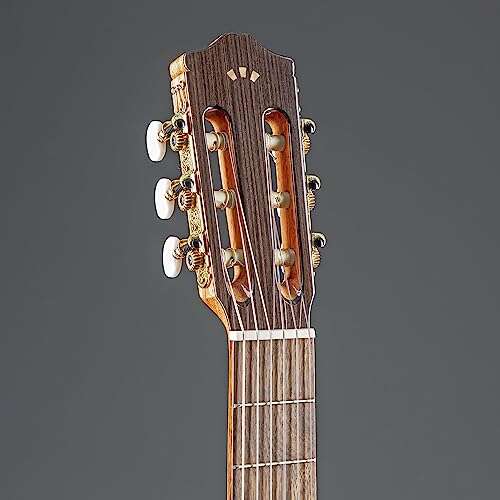
Most magnetic soundhole pickups require steel strings. Nylon strings create little or no magnetic signal, so a magnetic pickup may not work properly with a classical guitar. If you play a nylon-string instrument, look for a contact pickup, undersaddle system, or microphone made for that guitar type.
Look at Control Options
Onboard volume control saves time during a live set. It also lets you mute the guitar between songs without touching the amp. Timbre control can help you move from a warm rhythm sound to a brighter lead voice. A pickup without controls is not bad; it simply depends more on the preamp or amplifier.
Setup Tips for Better Acoustic Pickup Tone
Start with the amplifier volume low. Plug in the guitar, strike each string with the same force, and raise the level slowly. This prevents a sudden burst of feedback. Set the guitar’s tone flat first, then make one change at a time.
Listen for balance across the strings. If the bass booms, lower the low control or move away from the speaker. If the B and high E strings sound weak, check the pickup position and string condition. Fresh steel strings often produce a stronger and more even magnetic signal.
Use a quality cable, but do not assume an expensive cable will fix a poor setup. Cable noise often comes from a loose plug, a bad jack, or power interference. Keep signal cables away from power bricks. If a single-coil hums, rotate your body and see if the noise changes.
For recording, try the pickup as one part of the sound rather than the entire sound. A microphone in front of the guitar can add natural air. Blend it with the pickup at a low level. This method gives you feedback control from the pickup and realism from the microphone.
Common Mistakes to Avoid
The first mistake is buying without measuring. A pickup that does not fit can damage the finish or fall during a performance. The second mistake is expecting every magnetic pickup to sound like a studio microphone. Magnetic designs offer control and isolation, but their tone follows different rules.
Another mistake is placing the amp directly in front of the soundhole. That setup invites feedback. Point the speaker toward your ears from the side, and keep the guitar’s soundhole away from the strongest low-frequency output.
Some players also ignore maintenance. Wipe sweat from the pickup housing after a show. Store wireless models with a safe charge level based on the maker’s instructions. Remove a temporary pickup when storing the guitar for a long period if its pressure could affect the finish.
Best For Comparison
| Best for | Why |
|---|---|
| Quiet live performance | The Seymour Duncan Woody HC uses hum-canceling design for a cleaner signal. |
| Simple battery-free setup | The AMUMU SP30 and passive models plug in and play without charging. |
| Freedom from cables | The rechargeable wireless models support movement on small stages and at events. |
My Recommendation
For most steel-string players, I would start with the Seymour Duncan Woody HC if budget allows. Its hum-canceling design, passive operation, and strong live focus make it a dependable long-term choice. It is especially suited to musicians who play in clubs, churches, rehearsal rooms, or other places where electrical noise can ruin an otherwise good performance.
The AMUMU SP30 is my value pick for a simple battery-free setup. It suits beginners, casual gigging players, and anyone who wants a clean way to amplify an acoustic guitar without permanent work. Players who need more control should consider the passive humbucker with volume and timbre controls. The wireless models are better for movement, while the GOGHOST units are best for quick, low-commitment use.
FAQs Of best soundhole pickup for acoustic guitar
What is the best soundhole pickup for acoustic guitar?
For many steel-string players, the Seymour Duncan Woody HC is the strongest all-around choice because it combines a passive design with hum cancellation. The AMUMU SP30 offers better value for players who want a simple, battery-free pickup.
Do soundhole pickups work with nylon strings?
Most magnetic soundhole pickups do not work well with nylon strings. They sense the magnetic movement of steel strings. Nylon-string players should consider a contact, microphone, or undersaddle pickup made for classical guitar.
Will a soundhole pickup damage my acoustic guitar?
A properly fitted removable pickup should not damage the guitar. Measure the soundhole, avoid forcing the clamps, and check that no sharp part touches the finish. Remove it if you notice pressure marks or movement.
Are humbuckers better than single-coil acoustic pickups?
Humbuckers usually reject more hum and provide a thicker sound. Single-coil pickups often offer a brighter attack and more crisp detail. The better option depends on your guitar, amp, room, and playing style.
Can I use a soundhole pickup with an acoustic amplifier?
Yes. A soundhole pickup connects to most acoustic amplifiers with a standard instrument cable. Start with low volume, then adjust EQ and gain to control feedback and match the pickup’s tone.
Final Verdict: Which Should You Buy?
The Seymour Duncan Woody HC is my top choice for the best soundhole pickup for acoustic guitar because it offers quiet, steady, stage-ready performance. Choose the AMUMU SP30 for strong value and a simple passive setup.
Wireless models suit mobile performers, while GOGHOST clip-ons suit fast practice setups. Match the pickup to your strings, soundhole, and amp for the best acoustic guitar tone.

Senior Music Reviewer
Alex Carter is a seasoned music reviewer with over a decade of experience in the world of sound and instruments. Passionate about helping musicians and enthusiasts make informed choices, he brings sharp insights and in-depth knowledge to every review. From classical instruments to modern gear, Alex combines technical expertise with a love for music to deliver content that resonates with readers.
As a Senior Music Reviewer and expert author on Tuneluma.com, Alex is dedicated to sharing honest evaluations, practical advice, and thoughtful commentary to guide readers in their musical journey.