Best Bass Drum Head For Jazz: Top Picks For Warm Tone
For most jazz players, the Evans EMAD2 22-inch offers the clearest, warmest, most flexible bass drum voice.
A jazz bass drum must speak without taking over the band. If your kick sounds boomy, thin, or hard to control, the head may be the real problem. I tested these popular Evans and Remo options with brush work, light feathering, walking bass lines, and louder big-band accents in mind. This guide helps you choose the best bass drum head for jazz based on warmth, sustain, attack, tuning range, drum size, and playing style.
Evans EMAD2 Clear 22-Inch Bass Drum Head
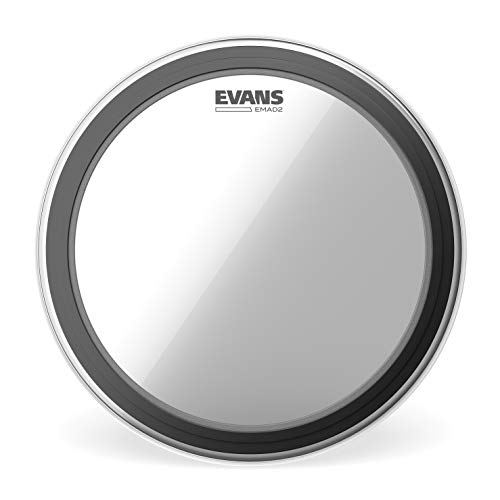
The Evans EMAD2 is a two-ply clear head made for players who want control without losing punch. Its external adjustable damping system lets you shape the bass drum sound with removable foam rings. I find the smaller ring useful for jazz rooms because it keeps the note open while trimming extra ring. The larger ring gives a tighter voice for amplified gigs or louder bands.
This head has more attack and focus than a wide-open single-ply head. Still, it can sound warm when you tune it above the lowest tension point. The 22-inch size gives a full low note, but careful tuning keeps it from masking the upright bass. For players seeking the best bass drum head for jazz with one head that can cover many styles, the EMAD2 is a very safe choice.
Pros:
- Adjustable damping gives several useful tones
- Two-ply film handles regular gig use well
- Clear attack helps the bass drum speak softly
- Works for jazz, rock, pop, and worship music
- Easy to control in rooms with strong bass buildup
- Fits many standard 22-inch bass drums
Cons:
- May sound too controlled for a fully open vintage tone
- Clear film can show marks and wear
- Foam rings add a small amount of setup work
My Recommendation
I recommend the EMAD2 to jazz drummers who play more than one style or need fast tone changes. It suits modern jazz, fusion, big band, and small club work. Start with the small damping ring, then tune the batter head slightly higher than you would for rock. It offers strong value because one head can move from open and round to focused and dry in minutes.
Evans Resonant Black 22-Inch Bass Drum Head

The Evans Resonant Black is a resonant-side head designed to add depth and visual style to a 22-inch bass drum. Its single-ply construction allows the shell to breathe and lets the low note bloom. I like this type of head for jazz because the front head shapes sustain more than it shapes attack. That gives the drum a natural voice under soft beater work.
This is not usually the first head I would place on the batter side for a hard-hitting player. It works best as the front head, paired with a coated or clear batter head and modest muffling inside the drum. The black finish can also help create a classic stage look. When tuned with care, it supports a warm and balanced sound that many acoustic jazz players want.
Pros:
- Open single-ply design supports natural sustain
- Adds depth to the front of a 22-inch bass drum
- Works well with light internal damping
- Useful for acoustic jazz and traditional setups
- Black finish gives the kit a clean stage appearance
- Pairs well with many batter-side heads
Cons:
- Usually needs a separate batter head
- Can leave too much ring in a lively room
- Not ideal for players who want a very dry kick sound
My Recommendation
I recommend this head for the jazz drummer who wants an open, round, classic bass drum tone. It is especially useful on a 22-inch drum with a strong shell voice. Add a small felt strip or light pillow contact if the note becomes too long. If your goal is the best bass drum head for jazz on the resonant side, this Evans model is a practical and attractive option.
Evans Resonant Black 18-Inch Bass Drum Head

The Evans Resonant Black 18-inch head fits compact bass drums used in bop kits, club kits, and small travel sets. An 18-inch drum naturally produces a quicker note than a 22-inch drum. This resonant head helps that note remain full instead of becoming sharp or papery. Its single-ply build keeps the response lively at low and medium tuning.
I find 18-inch bass drums very effective for small jazz rooms where space and volume matter. The black front head adds some visual weight, while the open film keeps the drum from sounding choked. Use a light batter head tension and avoid stuffing the shell with a heavy pillow. The result can feel like a warm wooden thump with enough air around it for brushes and cymbals.
Pros:
- Designed for compact 18-inch bass drums
- Supports a quick yet full jazz note
- Single-ply film keeps response lively
- Good fit for bop and small-club drum sets
- Pairs well with light muffling methods
- Classic black appearance suits vintage-style kits
Cons:
- Not compatible with 20- or 22-inch shells
- May sound too open in an untreated room
- Offers less low-end weight than a larger head
My Recommendation
This is a strong pick for players using an 18-inch bass drum in acoustic jazz. It suits small stages, coffee shops, rehearsals, and recording rooms where a short response matters. I would pair it with a coated single-ply batter head for a soft, woody attack. For compact kits, it may be the best bass drum head for jazz when you want speed, warmth, and easy control.
Evans EQ3 Resonant Black 22-Inch Head

The Evans EQ3 Resonant Black adds a built-in control ring to the front of a 22-inch bass drum. That ring reduces unwanted high overtones while keeping the main low note present. I hear a more focused response than I get from a completely open resonant head. This makes the EQ3 useful when the room adds too much boom.
Jazz drummers often need a bass drum that sounds deep from the seat but does not spread across the whole room. The EQ3 helps create that balance with less external muffling. It also gives microphones a clean signal because the bass drum note settles faster. For modern jazz, theater work, and amplified small-group gigs, this head offers a polished sound with little fuss.
Pros:
- Built-in control ring reduces excess overtones
- Creates a focused low-end note
- Useful in boomy rooms and close-mic setups
- Reduces the need for extra internal muffling
- Black finish offers a professional stage look
- Works well with many 22-inch batter heads
Cons:
- Less open than a standard single-ply resonant head
- May feel too modern for some vintage jazz players
- Costs more than a basic resonant head in some shops
My Recommendation
I recommend the EQ3 Resonant Black to jazz players who want a clear, controlled front-head sound. It is a smart choice for recording, live sound, and venues with too much low-end reflection. If you like a short note but still want body, this model hits a useful middle ground. It is among the best bass drum head for jazz options for modern players who value fast setup.
Remo Emperor SMT Clear 22-Inch Drumhead

The Remo Emperor SMT Clear uses a two-ply design with a control feature intended to manage unwanted ring. The clear surface gives the beater a firm, direct response. Its construction feels sturdy, which helps it handle regular playing and repeated transport. I hear a strong center note without the loose, uncontrolled wash of some open heads.
This head can work well for jazz players who use a large bass drum in a louder setting. It has enough attack for a big band, but tuning remains important. I would not tune it too low because that can make a 22-inch drum sound broad and slow. A medium tension with limited internal contact can produce a firm, musical note that records well.
Pros:
- Two-ply build offers useful durability
- Clear film provides focused beater response
- Control design helps manage long sustain
- Good choice for big-band and fusion volume
- Handles frequent rehearsal and gig use
- Provides a strong center note for microphones
Cons:
- May feel stiff to very soft jazz players
- Clear tone can sound less vintage than coated film
- Needs careful tuning on smaller or shallow shells
My Recommendation
The Remo Emperor SMT is best for jazz drummers who need more power and durability than a thin open head provides. It suits large ensembles, electric jazz, and players who also perform rock or pop. Choose it when you want controlled sustain and a strong attack from a 22-inch drum. It offers good value for musicians who need one reliable head for many stages.
Remo Fiberskyn 3 Ambassador 20-Inch Head
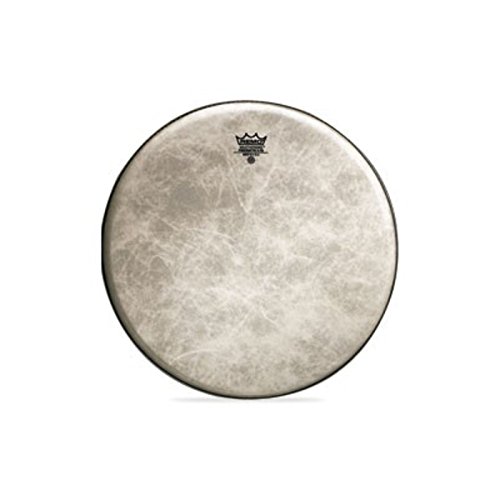
The Remo Fiberskyn 3 Ambassador brings a warm, textured surface and a softer visual style to a 20-inch bass drum. Its film helps create a rounded attack that fits traditional jazz, folk, acoustic music, and vintage kit setups. I especially like this type of head when the bass drum must blend with upright bass instead of competing with it. The response feels gentle under a soft beater.
A 20-inch drum already sits between the quick sound of an 18-inch shell and the depth of a 22-inch shell. The Fiberskyn surface adds warmth without making the drum feel lifeless. It can also work well with brushes and light mallets when the drum serves a more melodic role. Because it is less aggressive than a clear two-ply head, it rewards a player who uses touch rather than force.
Pros:
- Warm, rounded tone suits traditional jazz
- 20-inch size offers a balanced pitch and feel
- Soft surface supports gentle beater work
- Vintage appearance looks natural on classic kits
- Blends well with upright bass and acoustic instruments
- Useful for folk, lounge, theater, and roots music
Cons:
- Less attack than a clear modern head
- Textured coating may show wear over time
- May not deliver enough cut for loud electric bands
My Recommendation
I recommend this Fiberskyn head to traditional jazz players who value warmth, blend, and a vintage feel. It is a fine match for a 20-inch bass drum in a small acoustic group. Tune it evenly and keep the muffling light so the shell can sing. For classic jazz tone, this may be the best bass drum head for jazz among the options listed here.
Evans Resonant Black 20-Inch Bass Drum Head
The Evans Resonant Black 20-inch head gives a medium-size bass drum an open and balanced front voice. Its single-ply film responds quickly and allows the shell to add much of the tone. This matters in jazz because the bass drum often needs air and depth, not just a hard thump. The head also works well when you want to hear the difference between wood, maple, birch, or metal shells.
I would use this head as part of a flexible acoustic setup. Pair it with a coated batter head for a softer attack, or use a clear batter head when you need more definition. A felt strip can shorten the sustain without removing the drum’s low body. The 20-inch format makes this model a strong fit for compact kits, combo jazz, and studio work.
Pros:
- Open response preserves the shell’s natural character
- 20-inch diameter suits many jazz combo kits
- Light construction responds well to soft playing
- Pairs easily with coated or clear batter heads
- Works with felt strips and light internal damping
- Provides a clean, classic front-head appearance
Cons:
- Does not include adjustable damping
- May need extra control in bright rooms
- Not designed for heavy batter-side impact
My Recommendation
This head suits the jazz drummer who wants an honest, open 20-inch bass drum sound. It is especially good for players who adjust tone through tuning and touch. I would choose it for small-group work, recording, and vintage-style setups. It is a dependable candidate for the best bass drum head for jazz when natural sustain matters most.
Remo Emperor SMT Clear 16-Inch Drumhead

The Remo Emperor SMT Clear 16-inch head is made for very small bass drums and compact hybrid kits. A 16-inch shell has a short, higher voice, so head choice strongly affects how full it feels. This two-ply head adds body and control while keeping the response firm. It can help a tiny kick sound more focused in a quiet jazz setting.
This size is not a direct replacement for a standard 18-, 20-, or 22-inch bass drum head. Always measure the shell and confirm the drum’s actual diameter before ordering. When fitted correctly, the Emperor SMT can provide a neat, punchy note for small venues and low-volume work. It is also useful for players who travel with a compact kit and still want a defined bass drum sound.
Pros:
- Fits compatible 16-inch bass drum shells
- Two-ply construction adds strength and body
- Control design helps shorten a small drum’s note
- Good for compact jazz and travel kits
- Clear film gives clean beater definition
- Useful when floor space and volume are limited
Cons:
- Only fits drums designed for a 16-inch head
- Cannot create the deep low end of a 22-inch drum
- May sound too focused for players seeking an open tone
My Recommendation
I recommend this head only for compatible 16-inch bass drums. It works best for compact jazz kits, apartment practice, small stages, and modern travel setups. Measure twice before buying, since drum sizes can vary by design. For the right shell, it can be the best bass drum head for jazz when quick response and portability come first.
Evans EMAD2 22-Inch Bass Drum System Pack

The Evans EMAD2 Bass Drum System Pack includes both batter and resonant heads for a 22-inch bass drum. Buying the pair helps you start with a matched approach instead of mixing unrelated films and control systems. The two-ply batter head brings attack and durability, while the resonant side helps shape the overall voice. This makes the pack useful when replacing old heads at the same time.
I like this set for players who want a clear starting point and simple setup. You can still change the sound with tuning, port choice, felt, or the adjustable foam rings. For jazz, I would begin with minimal damping and a medium batter tension. The pack has enough range for combo work, rehearsal, fusion, and louder stage shows, though traditional players may prefer thinner, more open heads.
Pros:
- Includes both batter and resonant bass drum heads
- Creates a consistent matched setup
- Adjustable damping supports several sound choices
- Two-ply batter head offers strong durability
- Useful for players replacing both worn heads
- Works across jazz and other modern styles
Cons:
- May offer more control than traditional jazz requires
- 22-inch size will not fit smaller bass drums
- Costs more upfront than buying one head
My Recommendation
This system pack is best for a drummer who needs a complete 22-inch replacement with little guesswork. It suits newer players, working musicians, and anyone rebuilding a tired bass drum. Use the least damping at first, then add control only when the room demands it. If convenience and flexibility matter, this is one of the best bass drum head for jazz packages available.
Evans EQ3 Resonant Coated White 22-Inch Head

The Evans EQ3 Resonant Coated White gives a 22-inch bass drum a softer front-head character than a clear model. Its coated surface reduces some brightness and helps create a rounded, controlled sound. The built-in control ring also limits excess sustain without making the drum completely dry. This blend works well when you want warmth with a firm center note.
Many jazz players prefer a bass drum that sounds like part of the kit rather than a separate effect. This head supports that goal, especially with a coated batter head and light beater pressure. It can also look at home on a vintage kit, even though its control design suits modern recording needs. I would choose it for studio sessions, small groups, and venues where a 22-inch drum can easily become too large.
Pros:
- Coated film gives a warm and smooth response
- Control ring keeps the 22-inch note focused
- Good blend of vintage feel and modern control
- Helps reduce bright overtones in live rooms
- Works well with soft jazz beater techniques
- Professional white finish suits many drum kits
Cons:
- Coating may collect marks from normal handling
- Less open than an unrestricted resonant head
- May not suit players seeking a very bright attack
My Recommendation
I recommend the EQ3 Coated White to jazz players who want warmth, focus, and a refined front-head look. It is a strong match for 22-inch drums used in studios, clubs, and acoustic ensembles. Start with no extra muffling and let the control ring do its work. For many players, it is the best bass drum head for jazz when a warm but polished recording tone is the goal.
How to Choose the Best Bass Drum Head for Jazz
Choosing a bass drum head starts with the drum itself. First, match the head diameter to the shell. A 22-inch head will not fit a 20-inch drum, and a 16-inch head may fit only a special compact bass drum. Measure the old head or the shell’s bearing edge, then confirm the manufacturer’s size.
Next, decide how open you want the note. A thin, single-ply head usually gives more air and sustain. A two-ply head gives more focus, attack, and life under repeated playing. Jazz players often prefer a middle path, so a controlled two-ply head or a single-ply head with light felt damping can work very well.
Choose the Right Bass Drum Size
An 18-inch bass drum offers a quick note and a neat low-end footprint. It works well in small rooms and classic bop kits. A 20-inch drum offers a useful balance of warmth, speed, and depth. A 22-inch drum gives more low-end weight, but it needs careful tuning so it does not swallow the upright bass.
Consider Batter and Resonant Heads Together
The batter head takes the beater hit. It controls attack, feel, and much of the drum’s punch. The resonant head controls air movement, sustain, and the way the drum projects into the room. A great batter head can still sound poor if the front head is loose, over-damped, or poorly seated.
For a warm jazz setup, I often start with a coated or controlled batter head and a lightly controlled resonant head. I tune both heads evenly and then make small changes. Do not use heavy muffling to hide poor tuning. A few minutes with a drum key often solve more problems than a thick pillow.
Clear Versus Coated Bass Drum Heads
Clear heads tend to produce more attack and a brighter edge. They work well when you need the bass drum to cut through horns or a loud stage. Coated heads often sound softer and rounder. They can blend better with brushes, upright bass, piano, and cymbals in an acoustic jazz group.
Neither finish is always better. The room, shell, beater, and tuning all change the result. If your sound feels too sharp, try a coated head or lower the beater impact. If the sound feels buried, try a clear head, less damping, or a slightly higher batter tension.
How Much Damping Does Jazz Need?
Jazz usually benefits from less damping than rock. The bass drum should have a note, not only a short click. Still, some rooms create long low-end waves that make the drum sound larger than it feels from the throne. Adjustable systems, control rings, felt strips, and small foam pads let you manage this problem.
I suggest starting with the drum wide open. Play a few simple quarter notes from the audience area. If the note lingers too long, add a small amount of contact between the head and a soft material. Make one change at a time. This keeps the drum’s natural voice alive.
Tuning Tips for a Jazz Bass Drum
Seat the head before you tune it. Press gently near the center, then bring each tension rod up in small, even steps. Tap close to each rod and listen for matching pitch. The head should feel firm and even, but it should not look heavily stretched.
For a warm sound, tune the batter head around medium tension and keep the resonant head close to that pitch. For a shorter note, raise the resonant head slightly or add light damping. For more depth, lower both heads a little, but stop before wrinkles appear. Every shell reacts in its own way, so your ears should make the final call.
| Best for | Why |
|---|---|
| Traditional acoustic jazz | Choose a 20-inch Fiberskyn or open Evans resonant setup for warmth and blend. |
| Modern jazz and mixed styles | Choose the Evans EMAD2 for adjustable focus, attack, and useful tone range. |
| Recording and boomy rooms | Choose an EQ3 resonant model for a controlled note with less unwanted ring. |
Common Buying Mistakes to Avoid
The most common mistake is buying by brand alone. Evans and Remo both make excellent heads, but each model has a different purpose. A resonant head is not the same as a batter head. A 22-inch head is not interchangeable with a 20-inch head.
Another mistake is chasing the lowest possible pitch. A bass drum often loses its musical note when tuned too low. It may feel deep from the drum throne, but the audience may hear a slow burst of unclear bass. Tune for the room, not only for the player’s seat.
Some players also add too much muffling too soon. A towel, pillow, patch, and heavy ring can remove the life from a jazz bass drum. Start with the head alone. Add only enough control to stop unwanted ring or shorten the note.
Finally, do not ignore the beater. A hard plastic beater adds attack and click. A felt beater gives a softer, rounder sound. Wood beaters can feel strong and direct. The best bass drum head for jazz can sound very different when you change the beater.
FAQs Of best bass drum head for jazz
What is the best bass drum head for jazz?
For most players, the Evans EMAD2 22-inch is the most flexible choice. Its adjustable damping lets you move from open to focused tones. Traditional players may prefer the Remo Fiberskyn 3 or an open single-ply resonant setup.
Should a jazz bass drum head be coated or clear?
Coated heads often give a warmer, softer sound. Clear heads usually provide more attack and definition. Choose coated for acoustic blend and clear for stronger cut or mixed-style playing.
Is a 20-inch or 22-inch bass drum better for jazz?
A 20-inch drum offers speed and balance. A 22-inch drum offers more low-end depth and stage weight. The better size depends on your band, room, transport needs, and preferred jazz era.
Should I use a pillow inside my bass drum?
Not always. Start with no pillow, then add light contact only if the drum rings too long. Adjustable damping or a small felt strip often keeps more tone than a large pillow.
Can I use a resonant head on the batter side?
A resonant head is not normally designed for repeated beater impact. Use a proper batter head on the playing side. Keep the resonant model on the front unless the manufacturer clearly states otherwise.
Final Verdict: Which Should You Buy?
The Evans EMAD2 22-inch is my top pick for the best bass drum head for jazz. It offers warmth, attack, and adjustable control in one durable design. Choose the Remo Fiberskyn for classic tone and the EQ3 Resonant for focused recording sound.
Match the head to your drum size, tune with care, and use light damping first. The right jazz bass drum head should support the band like a steady heartbeat, not compete with it.

Senior Music Reviewer
Alex Carter is a seasoned music reviewer with over a decade of experience in the world of sound and instruments. Passionate about helping musicians and enthusiasts make informed choices, he brings sharp insights and in-depth knowledge to every review. From classical instruments to modern gear, Alex combines technical expertise with a love for music to deliver content that resonates with readers.
As a Senior Music Reviewer and expert author on Tuneluma.com, Alex is dedicated to sharing honest evaluations, practical advice, and thoughtful commentary to guide readers in their musical journey.