How To Learn Drums Without A Drum Set: Easy Practice Tips
You can learn drums without a drum set by building timing, coordination, and technique with simple tools.
Learning drums without a drum set is not only possible; it is a smart way to build strong fundamentals before buying expensive gear. With focused practice, a metronome, a pair of sticks, and a few household surfaces, you can improve rhythm, hand control, foot coordination, reading, and musical timing. This guide explains how to learn drums without a drum set in a practical way, while also showing where silent practice helps and where a real kit eventually becomes important.
Why Learn Drums Without a Drum Set?
A drum set gives you sound and movement, but it is not the source of every drumming skill. Your timing, rhythm, coordination, listening, and control begin in your mind and body.
When you learn drums without a drum set, you remove some common barriers:
• Cost: A full drum set, hardware, cymbals, and accessories can cost hundreds or thousands of dollars.
• Space: Many homes do not have room for a large acoustic kit.
• Noise: Apartment walls and sleeping family members can make loud practice difficult.
• Commitment: Quiet practice lets you test your interest before making a major purchase.
• Access: You can practice almost anywhere, including a bedroom, office, or classroom.
A drum set is like a piano with many keys. It gives you more options, but you still need to learn rhythm before you can play music well. A student who owns expensive equipment but skips basic timing may progress more slowly than someone who practices simple patterns every day.
Research in motor learning consistently supports short, repeated practice sessions. Your brain improves through focused repetition, feedback, and gradual increases in difficulty. That makes quiet drum practice useful, even when you have no kit at home.
What You Need to Start
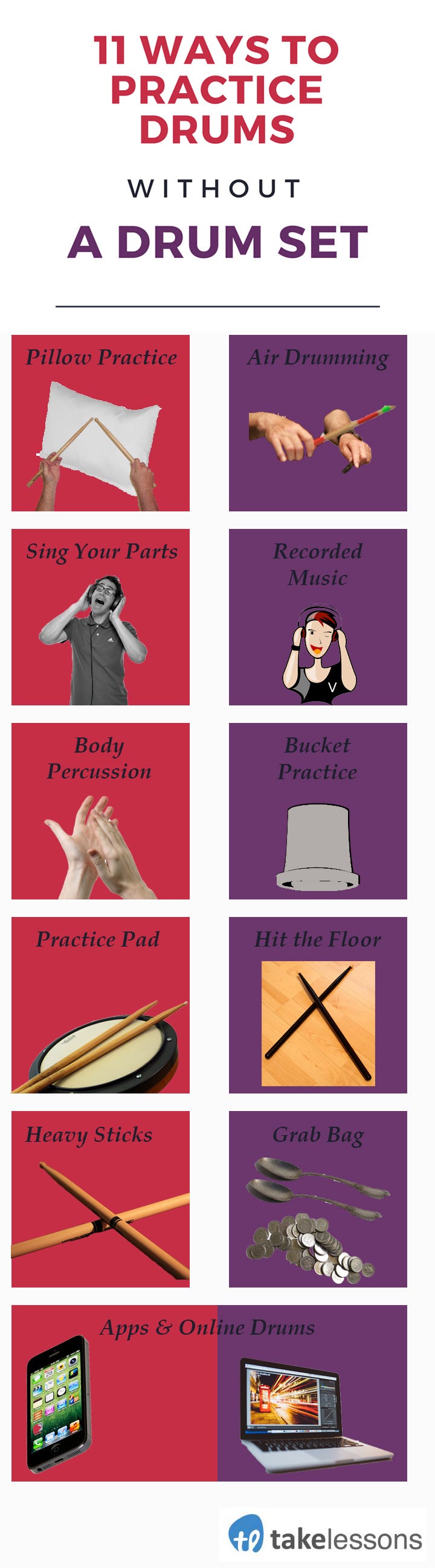
You do not need a large collection of equipment to learn drums without a drum set. Start with a few simple tools that help you practice time, motion, and sound.
Drumsticks
A pair of 5A drumsticks is a good starting point for most beginners. They are light enough for control and strong enough for basic practice.
If you do not have drumsticks, try:
• Two pencils for light tapping
• Wooden dowels with smooth edges
• Your hands on a soft surface
• Purpose-made practice sticks
Avoid sharp objects, cracked wood, or anything that may splinter. Keep your wrists relaxed and hold the stick loosely. A tight grip can cause pain and slow your progress.
A Metronome
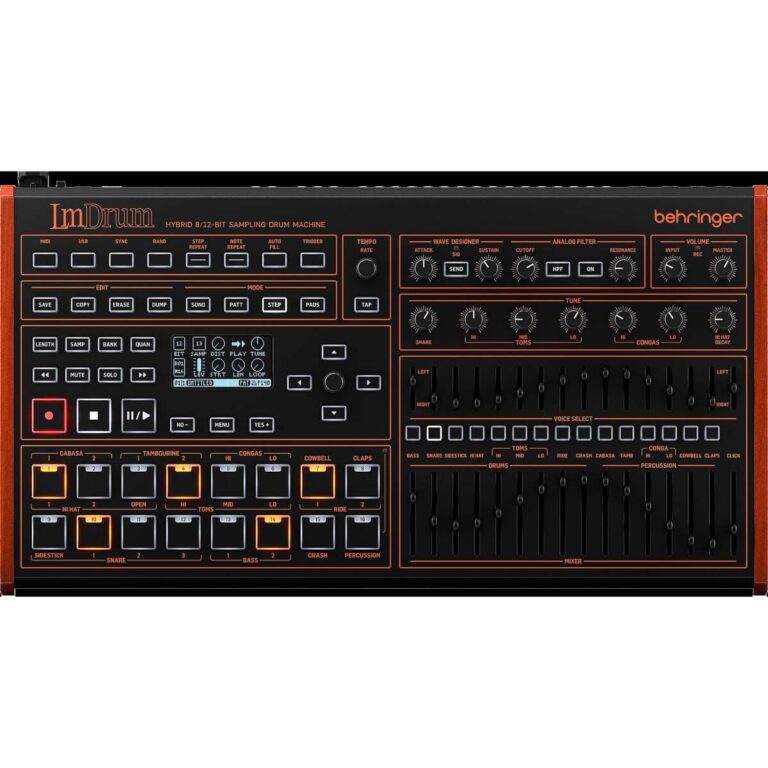
A metronome produces a steady pulse. You can use a free phone app, a digital metronome, or a drum machine.
Set it between 50 and 70 beats per minute at first. Your goal is not to play fast. Your goal is to place each note with care.
A metronome teaches you to:
• Keep a steady beat
• Notice when you rush
• Notice when you drag
• Build speed safely
• Practice with musical structure
A Practice Surface
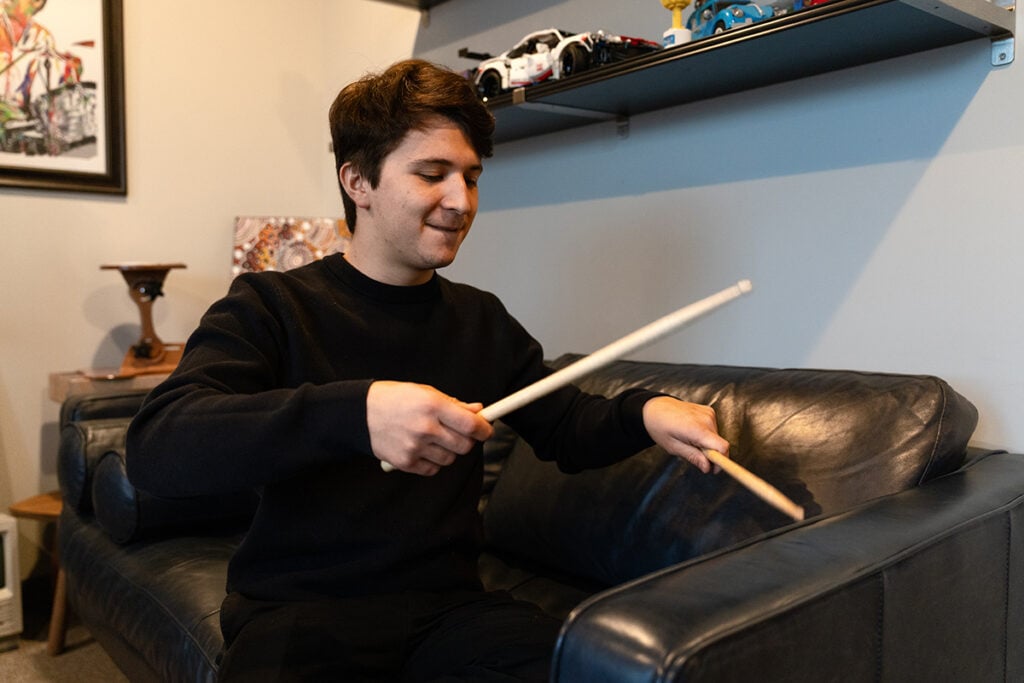
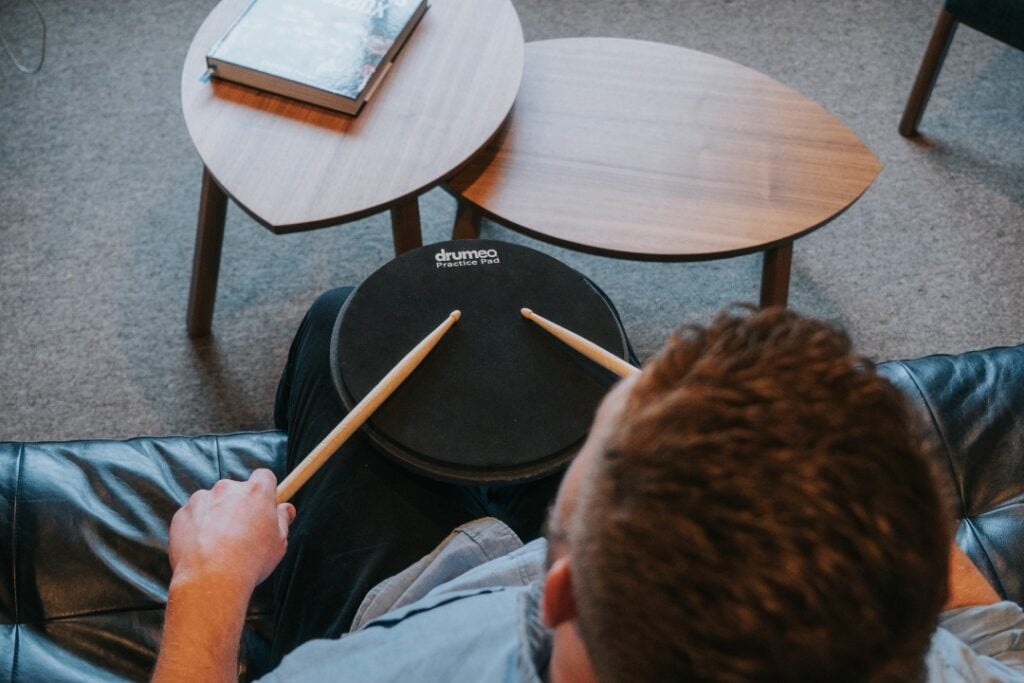
A pillow, folded towel, book, desk pad, or rubber practice pad can work. Each surface gives different feedback.
A hard surface creates more rebound. A pillow removes rebound and forces your fingers and wrists to control every stroke. A folded towel gives you a quiet middle ground.
Do not hit glass, fragile furniture, or surfaces that may damage your sticks. Protect your hands and your home.
A Timer and Notebook
Use a timer to keep sessions focused. A notebook or notes app can track your tempo, exercises, and weak areas.
Write down:
• The date
• Your practice time
• Your starting tempo
• The exercise you played
• What felt difficult
• Your next goal
This simple record makes progress visible. It also helps prevent random practice.
Learn the Basic Drum Set Parts
Even if you do not own a kit, you should understand what each part does. This helps you transfer quiet exercises to a real drum set later.
A standard drum set may include:
• Bass drum: Played with a foot pedal and used for low accents
• Snare drum: Creates sharp backbeats and many rudimental sounds
• Hi-hat: Uses two cymbals for steady patterns and foot control
• Rack toms: Add fills and melodic movement
• Floor tom: Provides a deep, powerful tom sound
• Crash cymbal: Marks accents and transitions
• Ride cymbal: Supports steady patterns and musical texture
You can copy these sounds with body movements. Tap your thigh for the bass drum, your desk for the snare, and your fingers on a book for the hi-hat.
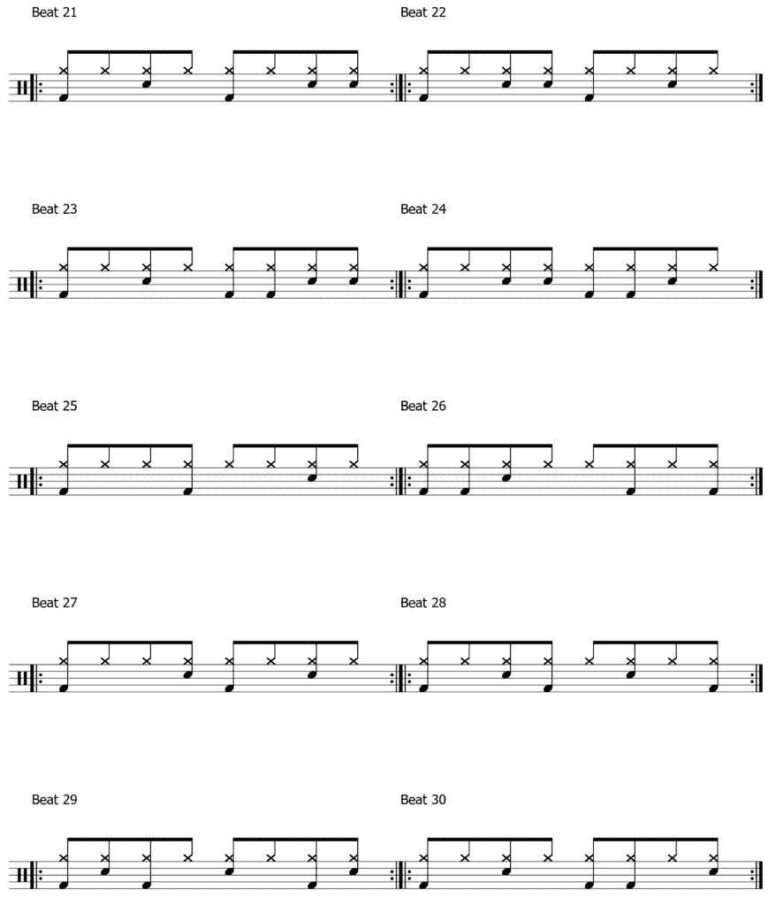
For example, count “1 and 2 and 3 and 4 and.” Tap your foot on 1, 2, 3, and 4. Tap your hand on the “and” counts. This teaches the relationship between the bass drum, snare, and hi-hat.
You do not need perfect sound during this stage. You need clear movement and steady time.
Build Rhythm With Counting
Counting is one of the most important parts of learning drums without a drum set. It connects your body to the beat and gives each note a clear place.
Start with quarter notes. Count:
1, 2, 3, 4
Tap once on each number. Keep the beat even. Imagine walking at a steady pace.
Next, practice eighth notes:
1 and 2 and 3 and 4 and