What Is A Kick Drum: Beginner’s Guide
A kick drum is the low, powerful drum that marks the beat and gives music its physical pulse.
To understand what is a kick drum, think of the sound you feel in your chest at a concert or hear at the start of a dance track. This drum combines a deep low end, a sharp attack, and careful tuning to anchor rock, pop, hip-hop, jazz, electronic music, and many other styles. In this guide, you will learn how a kick drum works, where it sits in a mix, how to record and tune it, and how to avoid common mistakes.
What Is a Kick Drum?
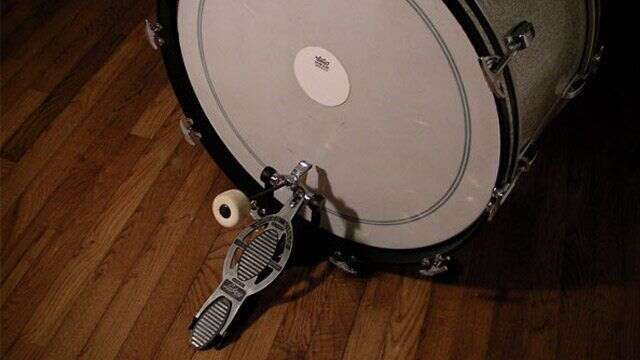
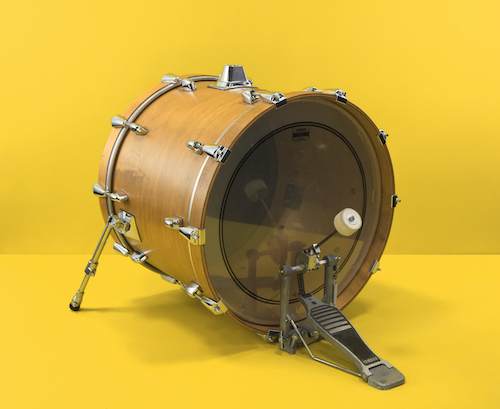
A kick drum is a large drum played with a foot pedal. It is also called a bass drum, especially in a drum kit. The player presses the pedal, which sends a beater into the drumhead and creates a deep, short sound.
The kick drum usually plays the main pulse of a song. In common time, it may land on beats one and three. In dance music, it may play on every quarter note. In rock, it often works with the bass guitar to create a strong rhythmic foundation.
A kick drum has three main sound parts:
• Attack: The short click or beater sound at the start.
• Body: The full, deep tone that gives the drum weight.
• Decay: The part of the sound that fades after the hit.
These parts work like a spoken word. The attack helps you understand when the sound starts. The body gives it meaning. The decay tells you how long the sound lasts.
A typical acoustic kick drum has a wooden or metal shell, two drumheads, tension rods, hoops, and a pedal. Many modern drums also use damping materials, such as small pillows or foam, to control unwanted ring.
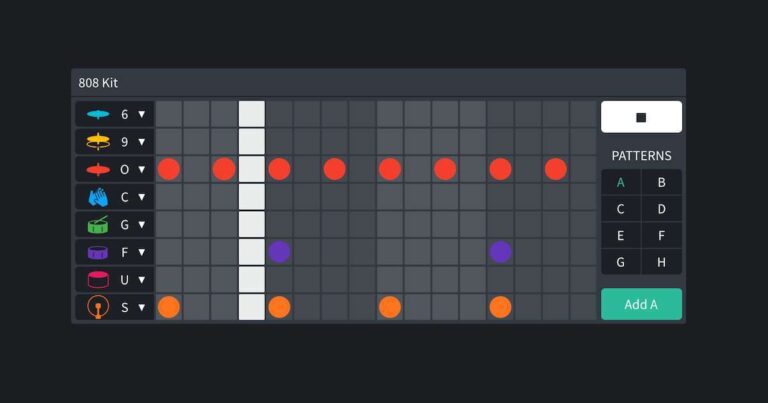
An electronic kick drum is different. It may come from a sample, a synthesizer, or a drum machine. Even so, it serves the same musical purpose: creating a strong low-frequency pulse.
How a Kick Drum Produces Sound
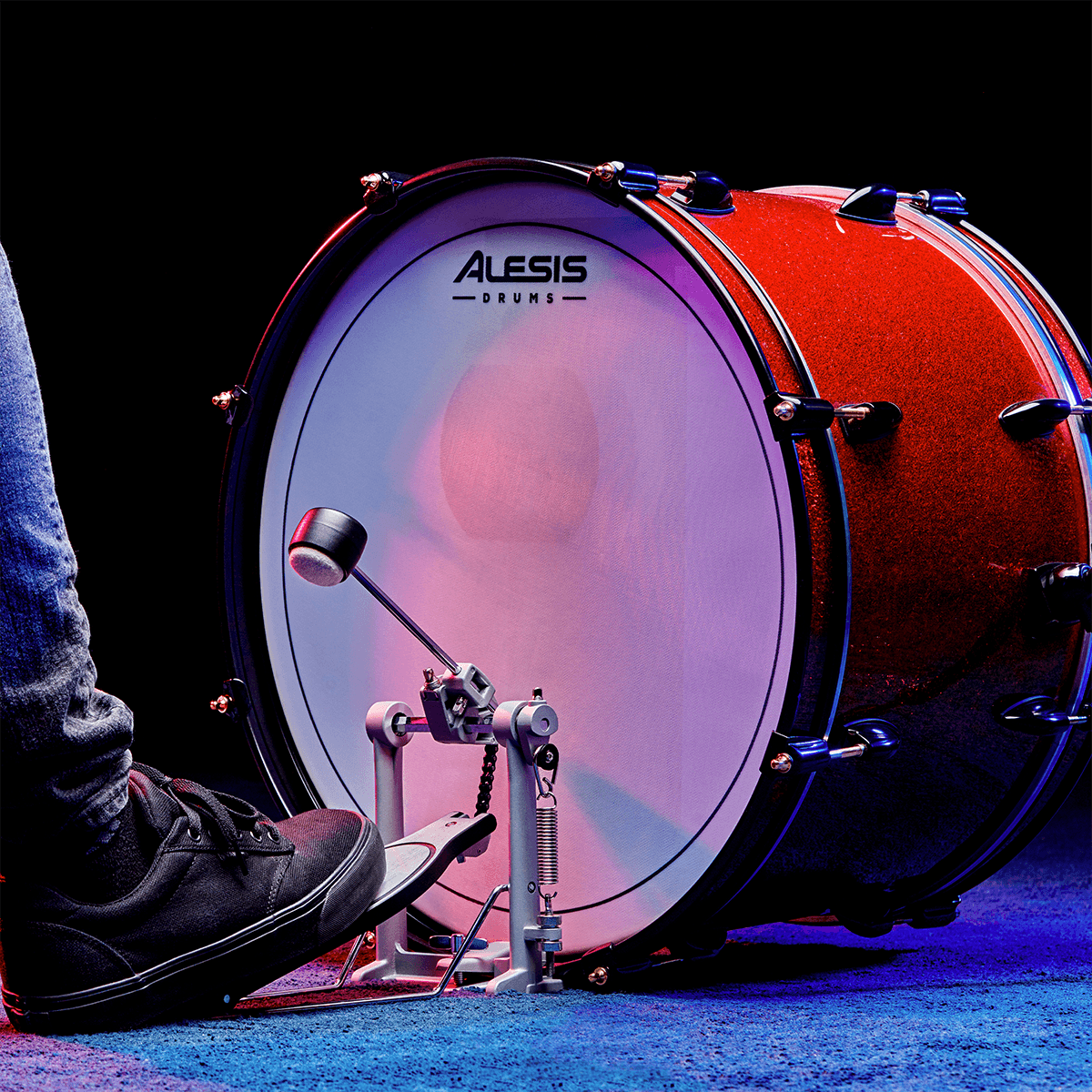
When the beater strikes the front drumhead, the head vibrates. That vibration moves air inside the shell and causes the second head to vibrate as well. The shell helps shape the tone, while the heads control much of the pitch and response.
The size of the shell affects the sound. A larger shell often creates a deeper tone with more low-end weight. A smaller shell can sound tighter, faster, and more focused.
The drumhead also changes the result. A thin head may offer more open tone and sensitivity. A thicker or coated head may produce more control and a stronger attack.
The kick drum is not tuned to one exact musical note in every situation. Its main pitch can be shaped by the shell, heads, tension, damping, and playing force. Many engineers tune the kick drum near the key of a song, but this is a creative choice rather than a strict rule.
Important sound factors include:
• Resonance: The natural ring and sustain of the drum.
• Fundamental frequency: The main low pitch that the ear hears.
• Harmonics: Higher tones that add color and definition.
• Transient: The first, sharp part of the hit.
• Sustain: How long the sound continues after the attack.
A kick drum may sound deep when played alone but disappear when other instruments enter. This happens because the bass guitar, synth bass, and kick drum often share the same low-frequency range.
The Role of the Kick Drum in Music
The kick drum gives a song movement. It tells the listener where the beat sits and helps musicians stay connected during a performance.
In rock music, the kick drum often supports the bass guitar and follows the main guitar rhythm. A drummer may use it on beats one and three, then add extra hits to create energy before a chorus.
In pop music, the kick drum is often clean, controlled, and easy to recognize. Producers may layer an acoustic kick with a sampled kick to create both natural character and modern power.
In hip-hop, the kick drum can be thick and heavy. Some tracks use a long, booming kick, while others use a short kick with strong attack. The choice depends on the style, tempo, and relationship with the bass.
In electronic dance music, the kick drum is often the central sound. A four-on-the-floor pattern places a kick on every beat. This repeated pulse makes the music feel steady and encourages physical movement.
In jazz, the kick drum may be softer and more dynamic. The drummer can use it to support the walking bass line without overpowering the rest of the group.
A good kick drum pattern does more than mark time. It can:
• Create tension before a section changes.
• Make a chorus feel larger.
• Support a dance groove.
• Connect with the bass line.
• Give a drummer or producer room for expression.
The best kick drum sound is not always the loudest one. It is the one that supports the song without taking attention away from the vocal, melody, or groove.

Kick Drum Parts and Types
A standard acoustic kick drum includes several important parts.
Drum Shell
The shell is the round body of the drum. Common shell materials include maple, birch, oak, mahogany, and metal. Each material can affect warmth, attack, resonance, and projection.
Drumheads
The batter head is the head struck by the beater. The resonant head faces the audience or front of the drum. Some resonant heads include a small port, which allows easier microphone placement and reduces sustain.
Hoops and Tension Rods
The hoops hold the drumheads in place. Tension rods allow the drummer to tune each head. Even tension around the head helps the kick drum produce a balanced tone.
Kick Pedal
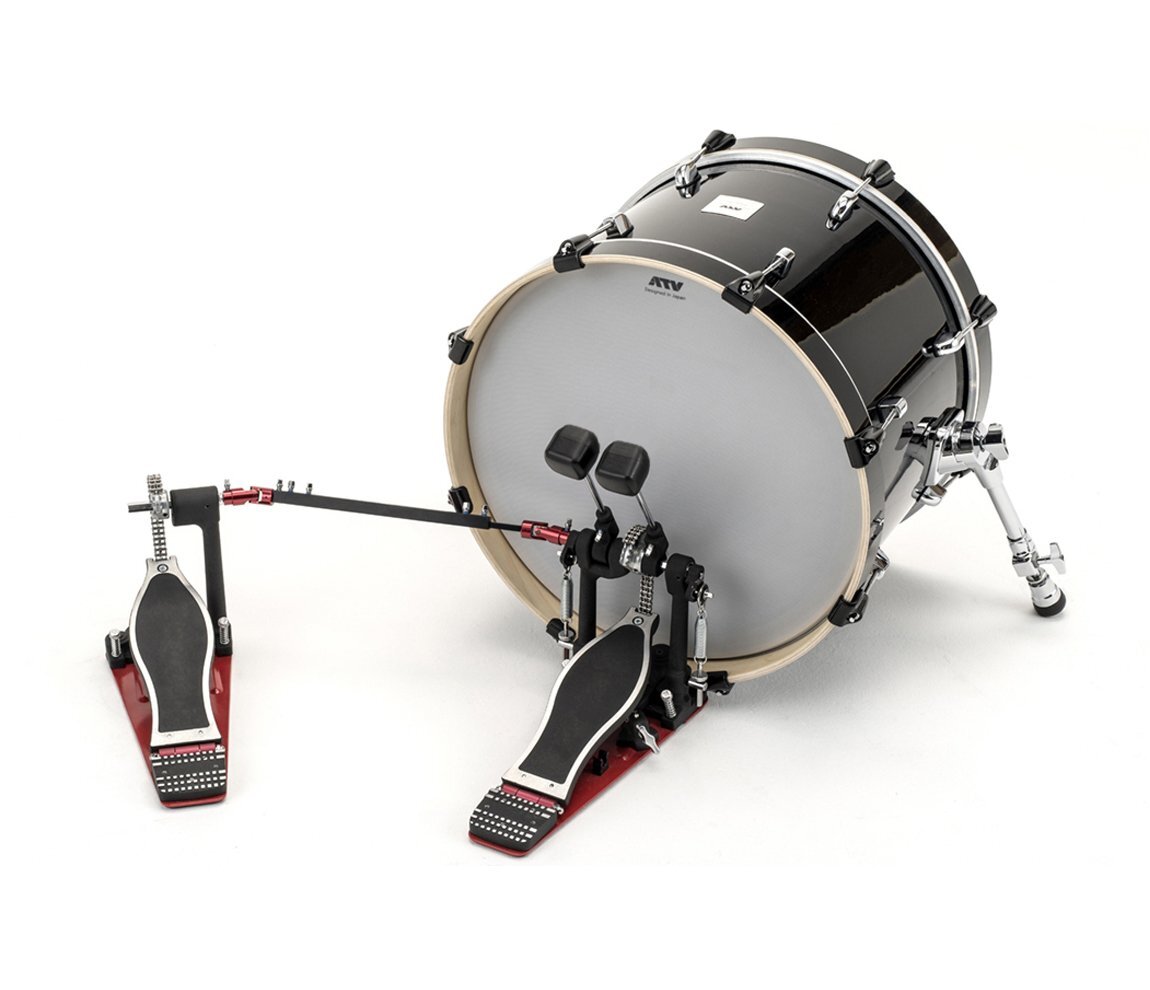
The pedal controls the beater. Single pedals use one beater, while double pedals allow faster two-foot patterns. Beater materials can change the attack:
• Felt beaters create a softer and rounder sound.
• Plastic beaters create more click and brightness.
• Wood beaters create a hard, sharp attack.
Damping
Damping reduces extra ring and sustain. A small amount can make the kick drum focused. Too much can make it lifeless and weak.
Kick drums also come in many sizes. A 20-inch drum often offers a balanced sound for many styles. A 22-inch drum gives a broad, powerful tone. A 24-inch drum can sound deep and dramatic but may need more control in a small room.
Acoustic and Electronic Kick Drums
An acoustic kick drum creates sound through physical vibration. Its tone changes with the room, shell, heads, pedal, tuning, and player. This natural variation is one reason acoustic drums feel lively.
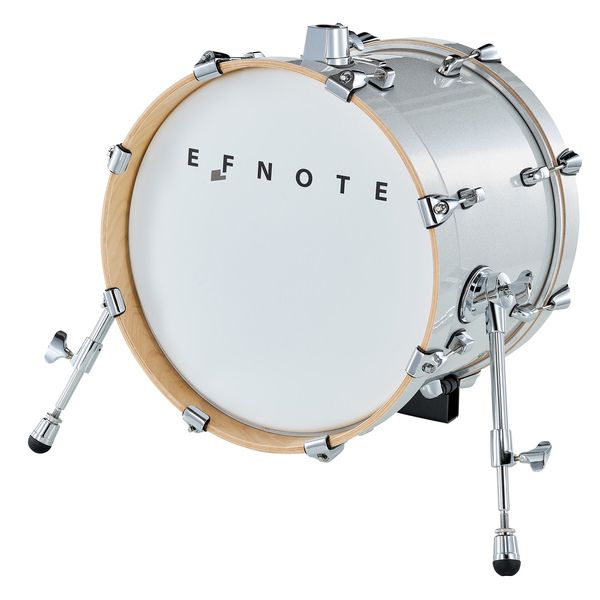
An electronic kick drum may use a recorded sample or a synthesized waveform. A producer can change its pitch, length, attack, and volume with great precision.
Both types have strengths and limits.
Acoustic Kick Drum Benefits
• It responds naturally to changes in playing force.
• It adds human feel to a performance.
• Its tone can blend well with live instruments.
• It offers many colors through tuning and microphone choice.
Electronic Kick Drum Benefits
• It provides consistent hits.
• It is easy to edit and replace.
• It works well in modern production.