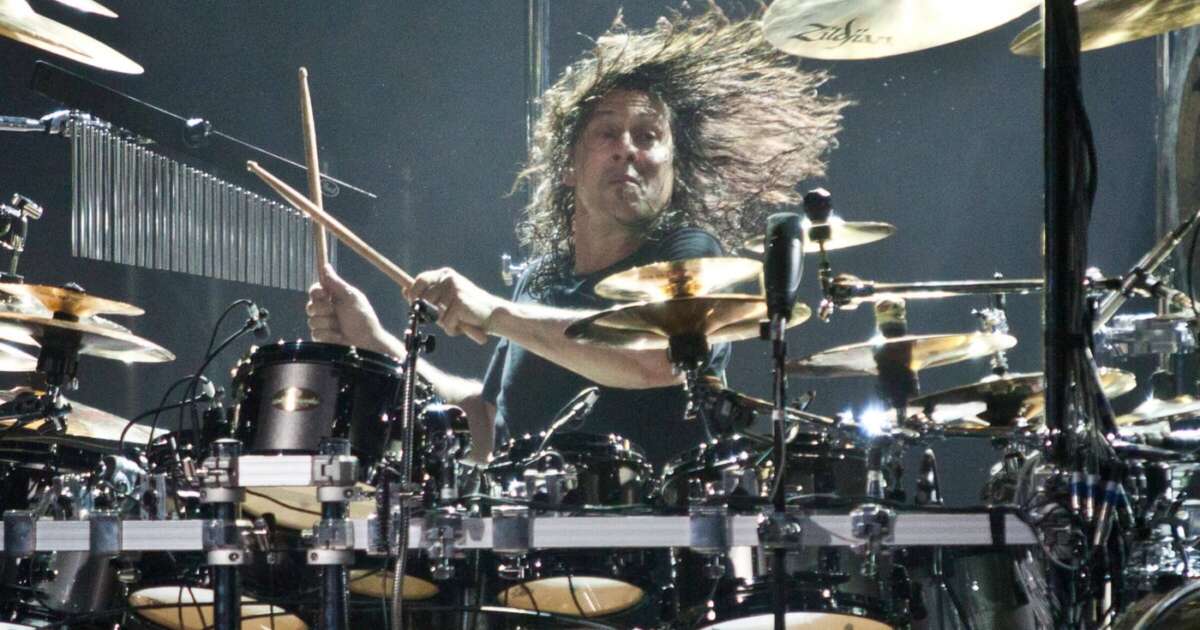
How Many Calories Does Drumming Burn: Calorie Guide
Drumming can burn about 200 to 600 calories per hour, depending on your weight and intensity.
Drumming is more than a creative outlet. It can raise your heart rate, work your arms and legs, and help you burn meaningful calories while you play. The exact number depends on your body size, playing style, session length, and how hard you strike the drums.
As a fitness writer and health researcher, I find drumming interesting because it blends exercise with music. This guide explains how many calories drumming burns, how to estimate your personal total, and how to make each session more active without losing the joy of playing.

How many calories does drumming burn?
Most people burn about 200 to 600 calories per hour while drumming. Light practice may sit near the lower end, while fast, energetic playing with strong arm and leg movement can reach the higher end.
A drummer’s body weight also matters. A heavier person usually burns more calories during the same activity because the body uses more energy to move. Fitness level, rest breaks, drum type, and playing position can also change the result.
Here is a general estimate for one hour of drumming:
| Body weight | Light drumming | Moderate drumming | Vigorous drumming |
|---|---|---|---|
| 120 pounds | 160 to 220 calories | 230 to 320 calories | 330 to 450 calories |
| 150 pounds | 200 to 275 calories | 285 to 400 calories | 410 to 560 calories |
| 180 pounds | 240 to 330 calories | 340 to 480 calories | 490 to 670 calories |
| 210 pounds | 280 to 385 calories | 395 to 560 calories | 570 to 780 calories |
These figures are estimates, not promises. A relaxed seated practice session may burn far fewer calories than a live rock performance with constant movement.
The best short answer to “how many calories does drumming burn?” is this: it can burn a similar number of calories as light to moderate walking, dancing, or casual cycling, but the total varies widely.

What affects how many calories drumming burns?
Several factors influence how many calories drumming burns. Two people can play the same song for the same amount of time and still burn different amounts.
Body weight
Body weight is one of the strongest factors. Moving a larger body often requires more energy, so calorie use tends to rise with body weight.
For example, a 180-pound drummer may burn more calories than a 120-pound drummer during the same 45-minute session. This does not mean one person is working harder. It simply reflects the energy needed to move the body.
Playing intensity
Intensity has a major effect on calorie burn. Gentle stick work and slow rhythms use less energy than fast fills, powerful hits, and continuous double-bass patterns.
You can judge intensity by your breathing:
• Light intensity: You can speak easily and feel only a small rise in heart rate.
• Moderate intensity: You can talk, but you need short pauses between sentences.
• Vigorous intensity: You breathe hard and can say only a few words at a time.
Time spent playing
A short session may not burn many calories, but regular practice adds up. Drumming for 30 minutes several times each week can create a useful amount of movement.
For example, burning 250 calories per session across four weekly sessions equals about 1,000 calories of activity. This is not a substitute for a balanced diet, but it can support an active lifestyle.
Seated versus standing drumming
Most drum kit playing happens while seated. Your upper body may work hard, but your lower body often moves less than it would during standing exercise.
Standing percussion, marching drums, hand drumming, and performance-based movement can raise calorie use. Playing in a band may also involve walking, lifting equipment, and staying active between songs.
Drum type and technique
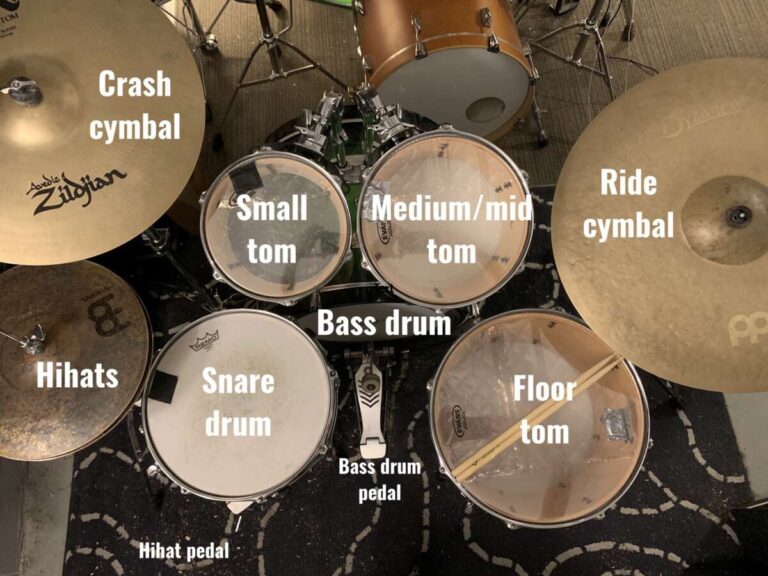
A full drum kit can involve your hands, wrists, shoulders, core, hips, and feet. Hand drums may demand more from the arms and upper body. Marching drums can place a higher demand on the legs, back, and core.
Technique matters, too. Efficient movement helps you play well, but exaggerated movement uses more energy. Good form should come first. Bigger motions are not always better if they cause pain or strain.

How many calories does drumming burn in 30 minutes?
Drumming for 30 minutes may burn about 100 to 350 calories. The lower end fits light practice, while the higher end is more likely during intense, nonstop playing.
Here are practical estimates:
• Light drumming: 100 to 150 calories in 30 minutes
• Moderate drumming: 140 to 230 calories in 30 minutes
• Vigorous drumming: 200 to 350 calories in 30 minutes
A 30-minute session may include warm-up time, tuning, song breaks, and pauses. Because of this, actual calorie burn may be lower than a calculator predicts.
To estimate your own result, use this simple method:
-
Find the activity’s estimated MET value.
-
Multiply the MET value by 3.5.
-
Multiply that number by your weight in kilograms.
-
Divide the result by 200.
-
Multiply by the number of minutes played.
The formula is:
Calories burned = MET × 3.5 × body weight in kilograms ÷ 200 × minutes
MET means metabolic equivalent of task. One MET represents the energy used while resting. Light drumming has a lower MET value, while vigorous drumming has a higher one.
For example, a 150-pound person weighs about 68 kilograms. If moderate drumming is estimated at 4 METs for 30 minutes, the result is about 143 calories. This is a useful estimate, but a heart rate monitor may give a different number.

How many calories does drumming burn compared with other activities?
Drumming can provide a moderate workout, but it is not always equal to running or intense cycling. The comparison depends on the type of drumming and how much of your body moves.
Approximate calorie use for a 150-pound person over one hour may look like this:
| Activity | Estimated calories |
|---|---|
| Light drumming | 200 to 275 |
| Moderate drumming | 285 to 400 |
| Vigorous drumming | 410 to 560 |
| Walking at 3 miles per hour | 220 to 280 |
| Casual cycling | 300 to 400 |
| Dancing | 250 to 450 |
| Jogging | 500 to 700 |
These numbers are broad ranges. A fast drummer who plays continuously may burn more than a person taking long breaks during a gym workout.
The main advantage of drumming is adherence. Many people stop traditional workouts because they feel dull. Drumming can make movement feel like practice, performance, and play at the same time. An activity you enjoy is often easier to repeat.
Does drumming count as exercise?
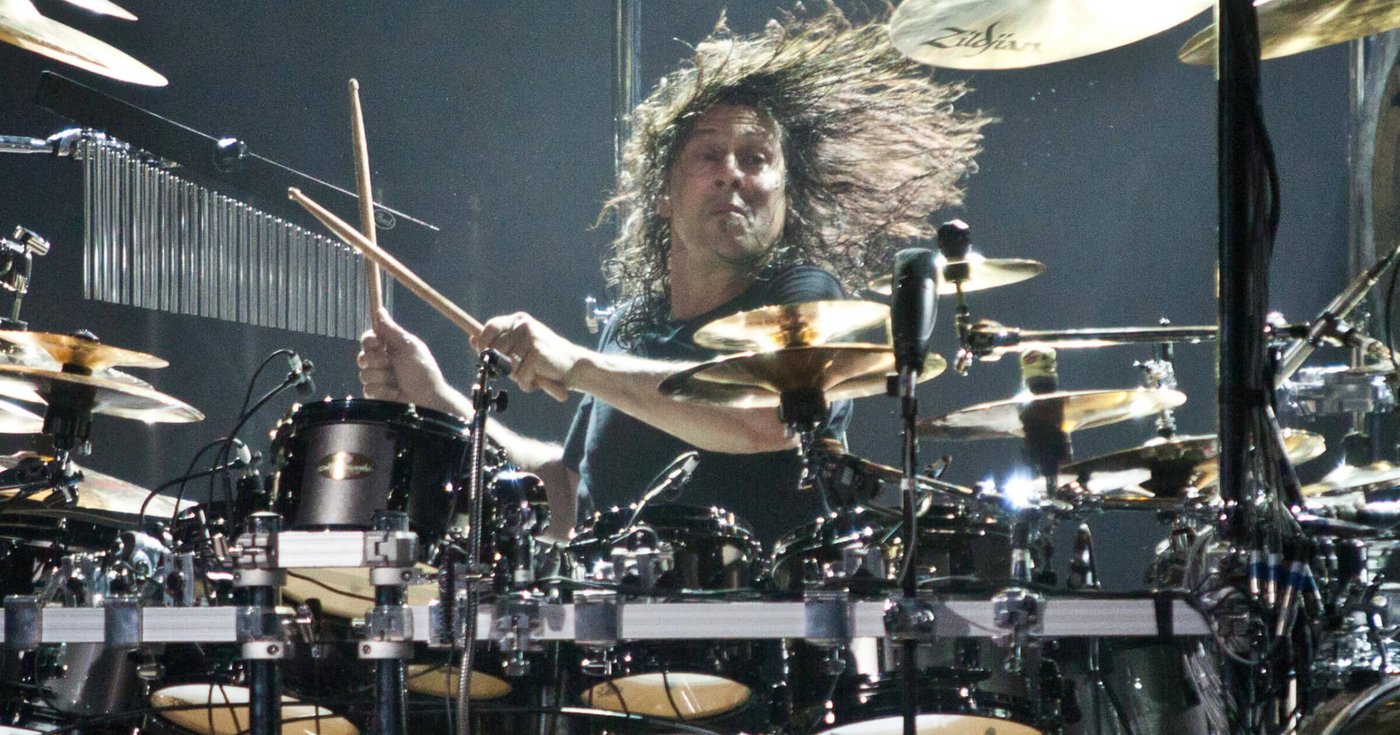
Yes, drumming can count as physical activity. It raises energy use above rest and may increase your heart rate, especially during fast songs or long sessions.
However, drumming does not train every part of fitness equally. It often provides cardiovascular activity and muscular endurance, but it may not build strong leg muscles or improve flexibility on its own.
A balanced fitness plan can include:
• Drumming for active cardio and coordination
• Strength training for the legs, hips, back, and core
• Walking, cycling, or swimming for additional cardio
• Stretching and mobility work for the wrists, shoulders, hips, and back
The Centers for Disease Control and Prevention recommends that adults get at least 150 minutes of moderate aerobic activity each week, plus muscle-strengthening activity on two days. A drumming session may contribute toward the aerobic goal when it is intense enough to raise your breathing and heart rate.
Use the talk test as a simple guide. If you can talk but not sing comfortably, your session may be near moderate intensity.

Health benefits beyond calorie burn
Calorie burn is only one reason to play. Drumming may support physical, mental, and social health.
Cardiovascular fitness
Fast rhythms can raise your heart rate. Repeated sessions may help improve stamina, especially for beginners who are not active.
Coordination and timing
Drumming asks your brain to control separate movements at the same time. Your hands, feet, eyes, and ears must work together. This can support motor control and body awareness.
Muscular endurance
Repeated strokes may challenge the forearms, shoulders, upper back, abdomen, hips, and legs. The effect depends on your instrument, posture, and playing style.
Stress relief
Music can provide a healthy outlet for tension. Many players describe a focused state during practice, where outside worries become less distracting.
Social connection
Playing with other people adds a social benefit. Rehearsals, classes, and performances can encourage consistency and reduce the feeling of exercising alone.
The calorie number is useful, but it is not the whole story. Drumming can help you move more often, and regular movement matters more than chasing one perfect calorie figure.

How to make drumming a more active workout
You do not need to turn every practice session into a boot camp. Small changes can increase movement while protecting your technique.
-
Warm up for five minutes with slow patterns, shoulder rolls, wrist circles, and gentle ankle movement.
-
Choose songs with different speeds so your heart rate rises and falls naturally.
-
Limit long pauses between songs when you want a stronger cardio effect.
-
Add controlled leg movement, such as steady bass drum patterns, when your technique allows it.
-
Practice standing percussion if your instrument and posture support it.
-
Use short intervals, such as five minutes of hard playing followed by two minutes of easy playing.
-
Finish with slow playing and gentle stretches for your wrists, shoulders, and calves.
A mistake I often see in energetic drumming is confusing force with fitness. Hitting harder can increase fatigue, but it can also cause wrist, elbow, or shoulder pain. Relaxed grip, good posture, and smooth motion are safer ways to build endurance.
Stop if you feel sharp pain, dizziness, chest pressure, or unusual shortness of breath. Anyone with a heart condition, major joint problem, or long period of inactivity should ask a health professional how to begin safely.

How to track calories burned while drumming
Fitness watches can estimate calorie burn, but their results may not be precise during drumming. Wrist movement can confuse the sensor, and many devices do not identify drumming as a separate activity.
For a better estimate:
• Track the total time you actively play.
• Record your body weight and average heart rate.
• Note how many breaks you take.
• Compare the result across several sessions instead of trusting one reading.
• Use changes in stamina, breathing, and recovery as additional measures.
A heart rate monitor with a chest strap may be more reliable than a wrist sensor during fast hand movement. Even then, calorie estimates have a margin of error.
Do not use calorie estimates as permission to eat a fixed amount of food. Energy needs depend on your full day of activity, age, body size, health, and goals. If weight loss is your goal, focus on steady habits rather than trying to “earn” food through exercise.
Common mistakes to avoid
Drumming is generally safe, but poor habits can reduce its fitness value or cause discomfort.
• Counting every minute as active time: Tuning, chatting, and long breaks do not burn calories at the same rate as playing.
• Ignoring posture: A bent back or raised shoulder can create avoidable strain.
• Gripping the sticks too tightly: A relaxed grip supports better speed and reduces hand fatigue.
• Skipping warm-ups: Cold wrists and shoulders may be less ready for repeated motion.
• Increasing intensity too fast: Add time and speed gradually.
• Treating drumming as complete fitness: Include strength, mobility, and other forms of cardio.
• Chasing a calorie target: Musical quality, regular practice, and comfort matter more than one number.
The most useful approach is to treat drumming as enjoyable physical activity. Let the music keep you consistent, then add other exercises to cover the areas drumming does not fully train.
Frequently Asked Questions About How Many Calories Drumming Burns
How many calories does drumming burn in one hour?
Drumming can burn about 200 to 600 calories in one hour for many adults. Light practice burns less, while vigorous playing with constant arm and leg movement burns more.
Does drumming burn more calories than walking?
Vigorous drumming may burn more calories than slow walking. Light drumming and brisk walking can be similar, so intensity and body weight are important.
Can drumming help with weight loss?
Drumming can support weight loss by adding regular physical activity to your week. Weight loss still depends on your overall food intake, daily movement, sleep, and long-term consistency.
Does playing drums build muscle?
Drumming can improve muscular endurance in the arms, shoulders, upper back, core, and legs. It usually does not provide enough resistance to build major muscle size by itself.
Is drumming good cardio?
Drumming can be cardio when it keeps your heart rate and breathing elevated. Fast songs, short breaks, and active leg movement make the session more aerobic.
Do electronic drums burn fewer calories than acoustic drums?
Electronic drums may burn a similar number of calories if you use the same intensity and body movement. The main difference comes from how hard and how long you play, not only from the drum type.
Conclusion
So, how many calories does drumming burn? Most people burn roughly 200 to 600 calories per hour, with the exact amount shaped by body weight, intensity, playing time, breaks, and movement.
Drumming can improve stamina, coordination, muscular endurance, mood, and social connection. It works best as one part of a balanced fitness plan that also includes strength training and mobility work.
Start with a comfortable 20 to 30-minute session, track how your body responds, and increase your time slowly. Pick songs that make you want to keep playing, then share your routine or favorite fitness drumming tips in the comments.

Senior Music Reviewer
Alex Carter is a seasoned music reviewer with over a decade of experience in the world of sound and instruments. Passionate about helping musicians and enthusiasts make informed choices, he brings sharp insights and in-depth knowledge to every review. From classical instruments to modern gear, Alex combines technical expertise with a love for music to deliver content that resonates with readers.
As a Senior Music Reviewer and expert author on Tuneluma.com, Alex is dedicated to sharing honest evaluations, practical advice, and thoughtful commentary to guide readers in their musical journey.