Is Drumming A Good Workout: Health Benefits
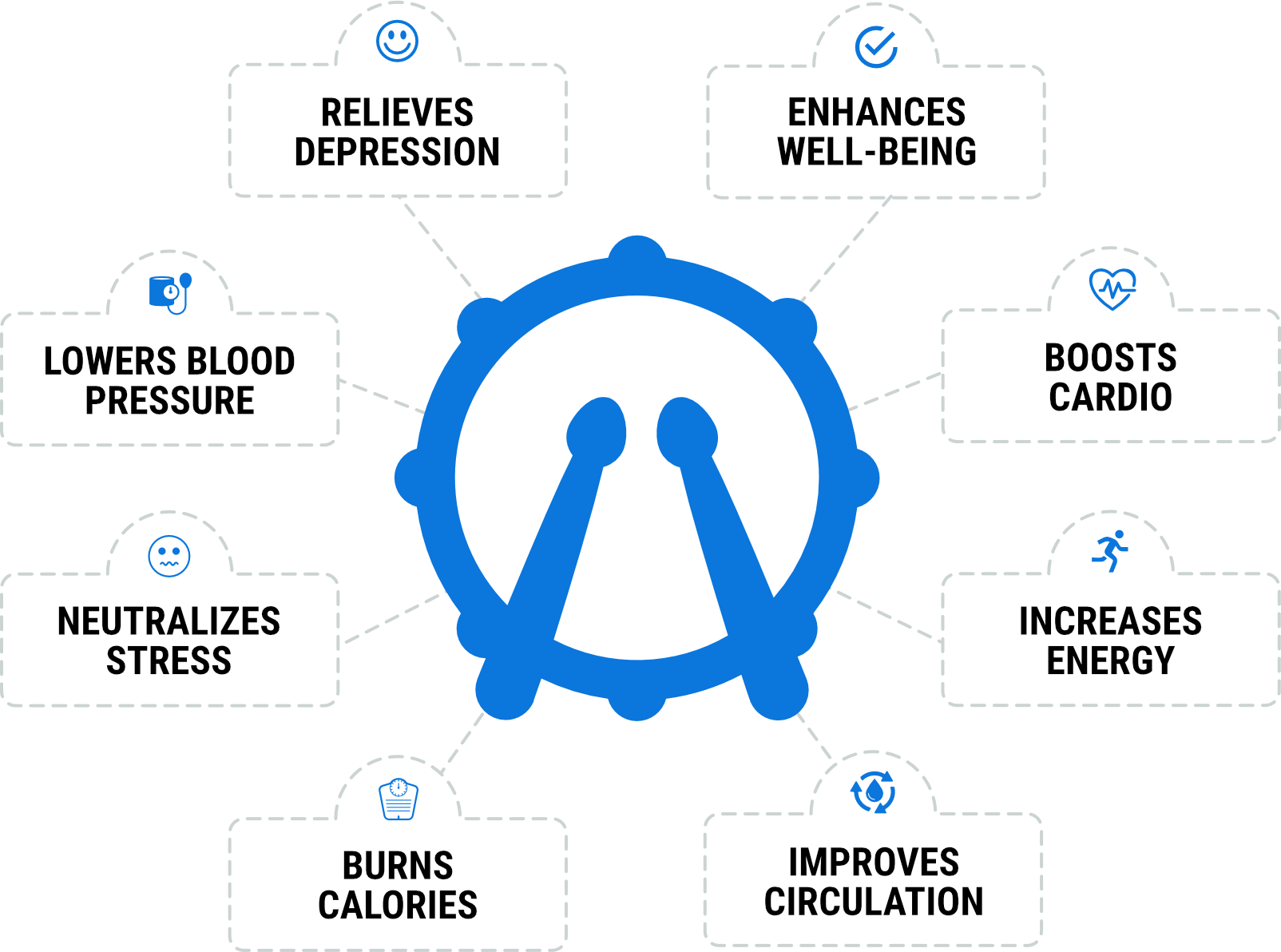
Yes, drumming is a good workout because it raises your heart rate, builds stamina, and works many muscles.
The question “is drumming a good workout” has a clear answer, but the details matter. Your results depend on your pace, drum setup, session length, and effort. This guide explains the fitness benefits, limits, safety tips, and simple ways to turn drumming into a fun exercise routine.
Is Drumming a Good Workout for Fitness?
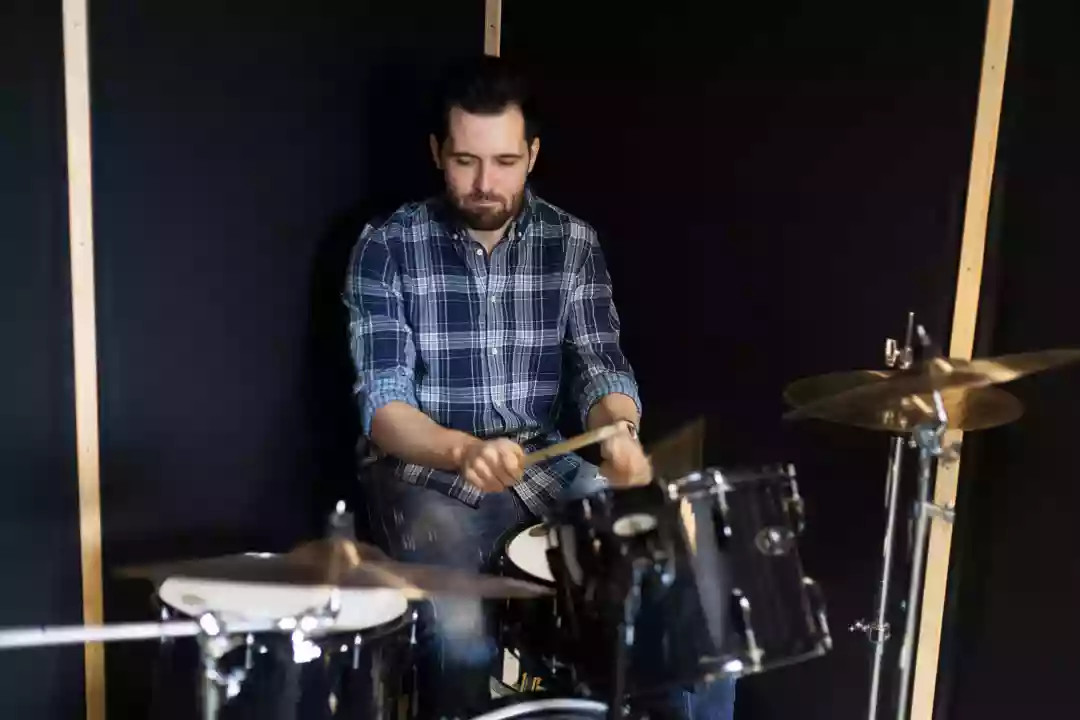
Yes, drumming can be a useful full-body workout. It combines repeated arm movements, quick hand control, trunk stability, and footwork. Fast songs can also raise your heart rate much like other forms of light or moderate cardio.
Drumming may support several parts of fitness:
• Cardiovascular endurance: Continuous playing can make your heart and lungs work harder.
• Muscular endurance: Repeated hits challenge your shoulders, arms, wrists, back, and legs.
• Coordination: Your hands and feet often play different rhythms at the same time.
• Balance and posture: A stable sitting or standing position helps you control the kit.
• Mental focus: Reading rhythm and timing keeps your brain active during exercise.
Research on active drumming and group percussion suggests that it may increase heart rate, energy use, mood, and social connection. Still, drumming is not always equal to running, cycling, or rowing. A gentle session may feel more like light activity, while an intense rock or metal session can become a demanding cardio workout.
How Many Calories Does Drumming Burn?
The number of calories burned while drumming varies widely. Body weight, playing speed, session length, posture, and the type of drumming all affect energy use.
A relaxed hand-drum session may burn fewer calories than a fast drum kit workout. Playing while standing, using a double bass pedal, or performing with strong arm motion usually requires more energy than sitting still and tapping softly.
For a rough comparison, drumming may fall into a similar range as other light to moderate activities. Some studies and fitness estimates place active drumming at about 200 to 400 calories per hour, but this is only a broad guide. A fitness tracker may also misread drumming because wrist movement can look like extra steps or higher activity.
Use calorie numbers as a rough estimate, not a promise. If your main goal is weight loss, nutrition, sleep, and total daily movement matter more than calories burned in one drumming session.

What Muscles Does Drumming Work?
Drumming works more muscles than many people expect. Your upper body moves the most, but your core and lower body also play important roles.
Upper body muscles
Your shoulders and upper arms lift and guide the sticks. Your forearms and wrists control speed, rebound, and accuracy. Over time, long sessions can improve muscular endurance in these areas.
The back muscles also help stabilize your shoulders. This support matters because poor shoulder control can lead to tightness or pain.
Core muscles
Your abdominal and lower back muscles help keep your body steady. This is especially true when you reach across the kit or play fast patterns.
A strong core works like the center pole of a tent. It helps the rest of your body move with control instead of forcing your arms and legs to do all the work.
Lower body muscles
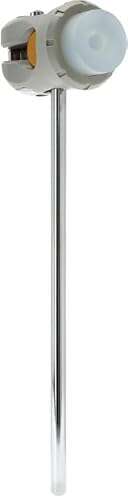
Your legs and feet work the kick drum and pedals. Fast foot patterns can challenge your calves, thighs, hips, and ankles.
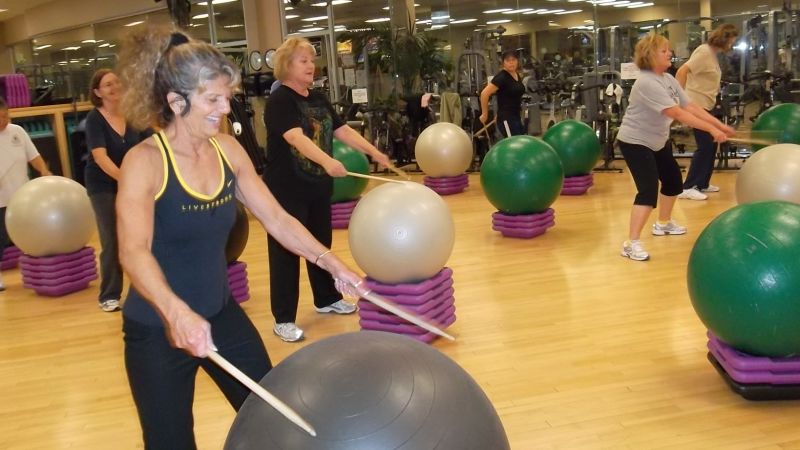
Standing percussion, marching drums, and dance-based drumming place even more demand on the lower body. These styles may feel closer to a low-impact aerobic workout.

Is Drumming Good Cardio?
Drumming can provide cardiovascular exercise when you play continuously and reach a moderate level of effort. You may breathe faster, sweat, and notice your heart beating more quickly.
A simple way to judge intensity is the talk test:
• Light effort: You can speak in full sentences without much effort.
• Moderate effort: You can talk, but singing would be difficult.
• Hard effort: You can only say a few words before taking a breath.
For general health, adults are often advised to get at least 150 minutes of moderate activity each week, or 75 minutes of vigorous activity. Drumming can count toward that goal when it keeps your heart rate elevated.
However, not every drum lesson meets this standard. Pausing to tune drums, talk with a teacher, or learn a slow pattern reduces the cardio effect. To make drumming better cardio, choose songs with steady movement and limit long breaks.

Is Drumming a Good Workout for Weight Loss?
Drumming may support weight loss, but it should not be treated as a magic solution. It burns energy, keeps you active, and may make exercise feel more enjoyable. That last benefit is important because people tend to stick with activities they enjoy.
A one-hour drum session will not cancel out a poor diet or replace regular movement. Weight loss happens when you maintain a consistent calorie deficit over time. Drumming can be one useful part of that plan.
To increase the fitness value of drumming:
-
Play for 30 to 60 minutes at a steady pace.
-
Choose songs with different speeds and energy levels.
-
Reduce long pauses between songs.
-
Add standing percussion or footwork when safe.
-
Combine drumming with walking, strength training, or cycling.
-
Track how you feel, not only the number on a fitness watch.
In my own practice, the biggest lesson has been simple: rhythm makes effort easier to repeat. A workout can be effective, but if it feels dull, many people stop. Drumming gives the brain a task, which can make time pass faster.
Physical Benefits of Drumming
Regular drumming may offer several physical benefits when you use good technique and train consistently.
Better stamina
Long songs require repeated movement. Over time, your body may become more comfortable with sustained effort.
Improved hand and foot coordination
Drumming asks your limbs to perform separate actions at the same time. This can challenge timing, reaction speed, and motor control.
More muscular endurance
Drumming does not usually build large muscles like heavy resistance training. It can, however, help your muscles work for longer before they feel tired.
Better posture awareness
A balanced setup encourages you to sit or stand tall. Good posture also helps you move with less strain.
Low-impact movement
Drumming places less impact on the knees than running. It may suit people who want an active hobby without repeated jumping.
The word “may” matters here. Drumming is not a treatment for pain or a replacement for physical therapy. Anyone with an injury should ask a qualified health professional before starting intense sessions.

Mental and Emotional Benefits of Drumming
The answer to “is drumming a good workout” is not only physical. Drumming can also support mental well-being.
Rhythm demands attention. You listen, count, react, and adjust your movements. This focus may help you step away from daily stress for a while.
Group drumming can add a strong social element. Making music with other people creates shared timing and a sense of connection. That social reward may make regular activity feel less like a chore.
Drumming can also provide a healthy emotional outlet. Striking a drum with control may help release tension, while learning a new beat can build confidence.
These benefits are not a substitute for mental health care. If stress, anxiety, or depression feels severe or lasts for a long time, speak with a licensed professional.
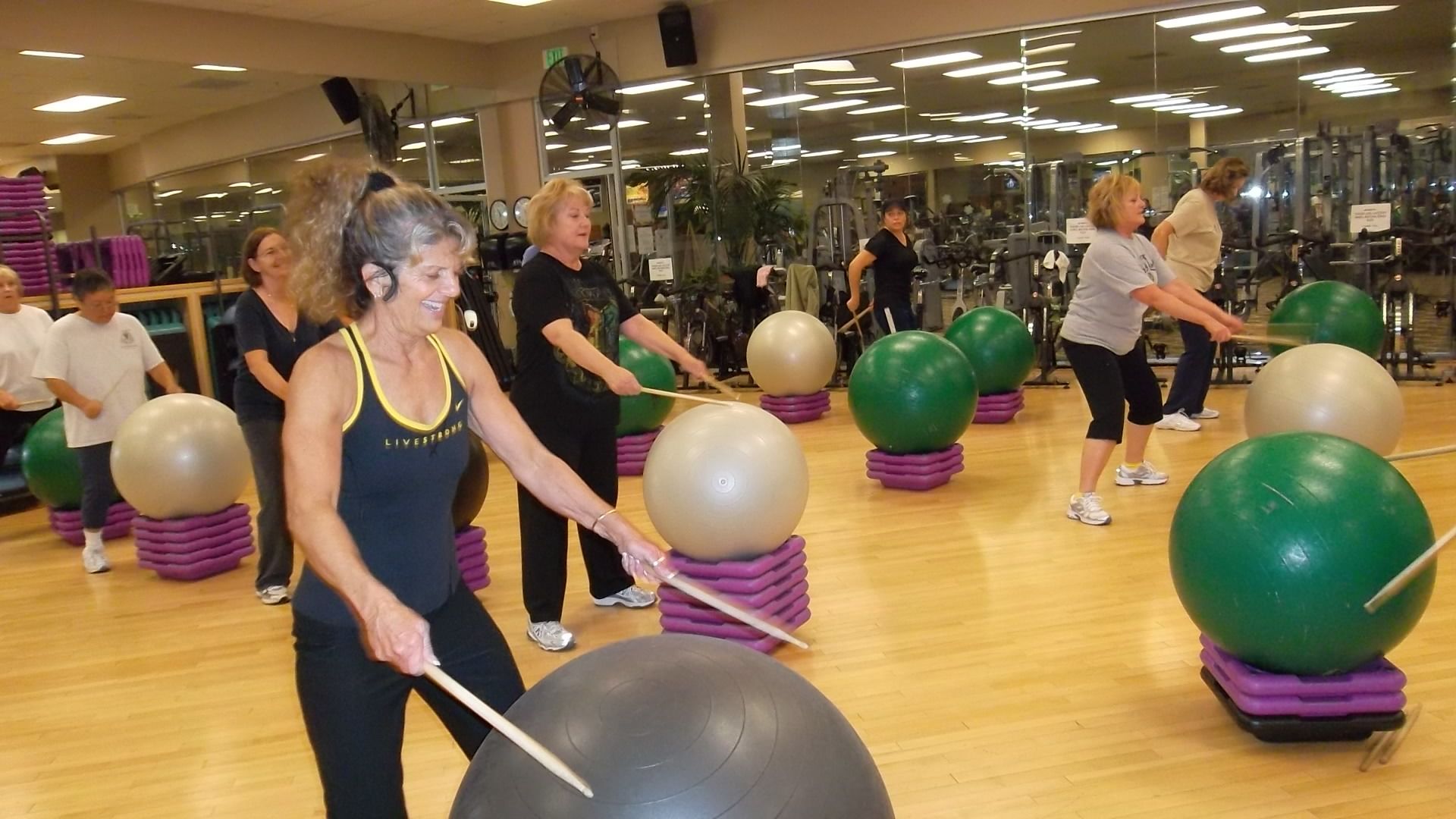
How to Turn Drumming Into a Better Workout
You do not need a complicated plan. Small changes can make your drumming session more active.
Start with a warm-up
Spend five minutes moving your shoulders, elbows, wrists, hips, and ankles. Then play simple patterns at a slow speed.
A warm-up raises body temperature and helps you notice stiffness before the session becomes intense. Avoid forceful wrist stretches or sudden, sharp movements.
Use interval training
Try this simple plan:
• Play at an easy pace for two minutes.
• Play at a faster pace for one minute.
• Repeat the pattern five to eight times.
• Cool down with five minutes of relaxed playing.
This approach adds short bursts of higher effort without requiring you to play hard for the entire session.
Use the whole body
Keep your posture tall. Use your legs and core when the pattern calls for it. If you only move your wrists, your session may feel less demanding and may place extra stress on small joints.
Increase time slowly
Add five minutes to your session every week if your body feels comfortable. Sudden increases in playing time can irritate your wrists, elbows, shoulders, or lower back.
Cool down
End with slow playing and gentle movement. Drink water, especially during long sessions or warm rehearsals.

Common Drumming Workout Mistakes
Drumming can become a poor workout if technique and recovery are ignored. These mistakes are common among new players.
Playing with too much force
Louder does not always mean better. Excess force can strain the wrists and shoulders. Learn to use rebound and relaxed grip instead.
Ignoring pain
Muscle tiredness is common. Sharp pain, numbness, tingling, or lasting joint pain is not something to push through.
Sitting at the wrong height
A seat that is too low can stress the hips and lower back. A seat that is too high may make your legs work harder than needed. Your knees should stay comfortable, and your feet should reach the pedals without twisting.
Skipping rest
Your body needs time to recover. Take short breaks during long sessions and include easier days in your week.
Focusing only on the upper body
Many players move their arms but keep the rest of the body stiff. Use safe footwork and relaxed posture to spread the workload.
Trusting fitness trackers too much
Wrist trackers often mistake drum strikes for steps or other movements. Use breathing, perceived effort, and session time as additional guides.
Drumming Compared With Other Workouts
Is drumming a good workout compared with traditional exercise? It depends on your goal.
For maximum calorie burn, running, cycling, swimming, and rowing may be more predictable. These activities often keep large muscle groups moving without frequent pauses.
For coordination and enjoyment, drumming has a clear advantage. It combines exercise with music and skill development, which can make it easier to maintain over time.
For muscle strength, drumming alone is limited. Add exercises such as squats, lunges, rows, pushups, and resistance-band work to train muscles through a wider range of motion.
For joint-friendly cardio, drumming may be a useful option. Still, the impact and effort depend on the style. A seated kit session is different from standing dance drumming.
The best workout is often the one you can do regularly. Drumming may not replace every form of exercise, but it can complement a balanced fitness plan.
Who Should Be Careful With Drumming?
Most healthy adults can enjoy drumming when they increase activity gradually. Some people should take extra care.
Speak with a health professional before intense drumming if you have:
• A recent wrist, elbow, shoulder, back, hip, knee, or ankle injury
• A heart or lung condition
• Severe joint pain
• Balance problems
• A condition that affects movement or sensation
People with hearing concerns should also protect their ears. Drum kits can reach loud levels, especially in small rooms. Use musician earplugs or other hearing protection, and keep speakers at a safe volume.
Parents should watch children for poor posture, excessive force, and hearing exposure. A properly adjusted kit can reduce strain and help young players build safe habits.
A Simple Weekly Drumming Workout Plan
This beginner plan can help you explore whether drumming is a good workout for your body.
Weekday session one
Play for 30 minutes:
• Five minutes of warm-up
• Fifteen minutes of steady playing
• Five minutes of faster intervals
• Five minutes of cool-down
Weekday session two
Play for 25 to 35 minutes with a focus on technique. Use a relaxed grip, even strokes, and smooth foot movement.
Weekend session
Play for 40 to 60 minutes if you feel recovered. Include songs that challenge your speed, endurance, and coordination.
On other days, walk, stretch, or perform basic strength exercises. Stop or reduce the workload if pain continues after practice.
This plan is flexible. Your starting point may be ten minutes, and that is fine. Consistency matters more than trying to copy an advanced drummer’s routine.
Frequently Asked Questions About Is Drumming a Good Workout
Is drumming a good workout for beginners?
Yes, drumming can be a good workout for beginners when sessions start at a comfortable pace. Begin with short practices, focus on relaxed technique, and increase time slowly.
Can drumming build muscle?
Drumming can improve muscular endurance in the arms, shoulders, core, and legs. It usually does not provide enough resistance to build significant muscle size, so add strength training for that goal.
Is drumming good cardio?
Drumming can be cardio when you play continuously at a moderate or vigorous pace. Slow practice with many breaks may not raise your heart rate enough to provide the same effect.
Can drumming help you lose weight?
Drumming burns energy and can support an active lifestyle. Weight loss still depends on your overall food intake, daily movement, sleep, and long-term consistency.
Is drumming hard on your wrists?
It can be if you grip the sticks tightly, use too much force, or practice for too long. Relax your hands, use proper rebound, warm up, and take breaks when your wrists feel tired.
How long should I drum for exercise?
A beginner may start with 15 to 20 minutes and build toward 30 to 60 minutes. Your ideal session depends on your fitness level, technique, health, and recovery.
Is electronic drumming a good workout?
Electronic drumming can provide similar movement and cardio benefits to an acoustic kit. The workout depends more on your playing intensity and session length than on the type of drum.
Conclusion
So, is drumming a good workout? Yes, especially when you play with steady effort, use your whole body, and practice often. It can improve cardiovascular endurance, coordination, muscular stamina, focus, and mood.
Drumming works best as part of a balanced routine. Pair it with strength training, walking, mobility work, and healthy meals for broader fitness benefits. Start with one short session this week, listen to your body, and build from there.
Try a simple drum workout, track how you feel, and share your favorite rhythm or practice tip in the comments.

Senior Music Reviewer
Alex Carter is a seasoned music reviewer with over a decade of experience in the world of sound and instruments. Passionate about helping musicians and enthusiasts make informed choices, he brings sharp insights and in-depth knowledge to every review. From classical instruments to modern gear, Alex combines technical expertise with a love for music to deliver content that resonates with readers.
As a Senior Music Reviewer and expert author on Tuneluma.com, Alex is dedicated to sharing honest evaluations, practical advice, and thoughtful commentary to guide readers in their musical journey.