How To Start Playing Drums: Beginner’s Easy Guide
Start with basic drum setup, proper technique, simple rhythms, and short daily practice sessions.
Learning how to start playing drums is easier when you follow a clear path instead of trying to copy a full song on day one. The drums reward steady practice, good posture, and patience more than natural talent. This guide explains the gear, skills, exercises, and habits that help beginners build real timing and confidence.
Decide Why You Want to Play Drums
Before buying gear or booking lessons, think about what you want from drumming. Your goal will shape the best way to practice.
You may want to:
• Play along with rock, pop, hip-hop, jazz, or worship music
• Join a school band or local group
• Improve your rhythm and coordination
• Record beats at home
• Enjoy a creative hobby
• Become a professional drummer
There is no wrong reason to learn. A clear goal gives your practice a sense of direction. If you want to play in a band, focus on time, listening, and simple grooves. If you want to create beats, learn rhythm patterns, dynamics, and basic recording.
When people ask how to start playing drums, I often compare it to learning a new language. You first learn a few sounds, then short phrases, and finally complete conversations. Drum beats work the same way.
Start with one small goal, such as playing a steady beat for one minute. Small wins make practice feel rewarding and help you stay consistent.

Choose the Right Beginner Drum Setup
You do not need an expensive drum kit to begin. You need a setup that lets you practice often and safely.
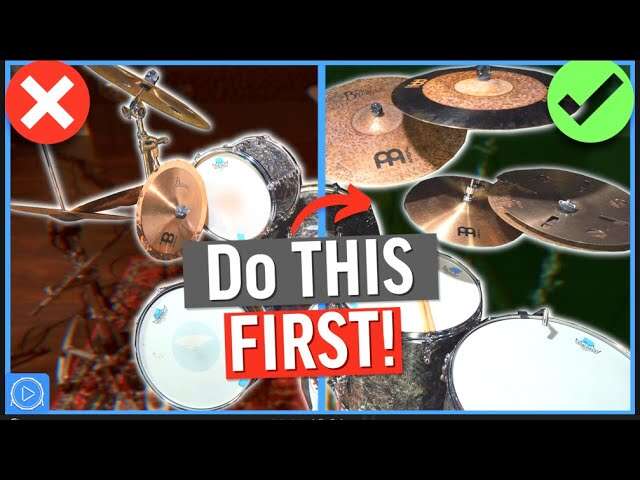
A basic acoustic drum set usually includes:
• Bass drum, played with a foot pedal
• Snare drum, used for backbeats and accents
• Hi-hat cymbals, played with sticks or a foot pedal
• Tom drums, used for fills and musical movement
• Crash and ride cymbals, used for color and emphasis
• Drum throne, which is the seat
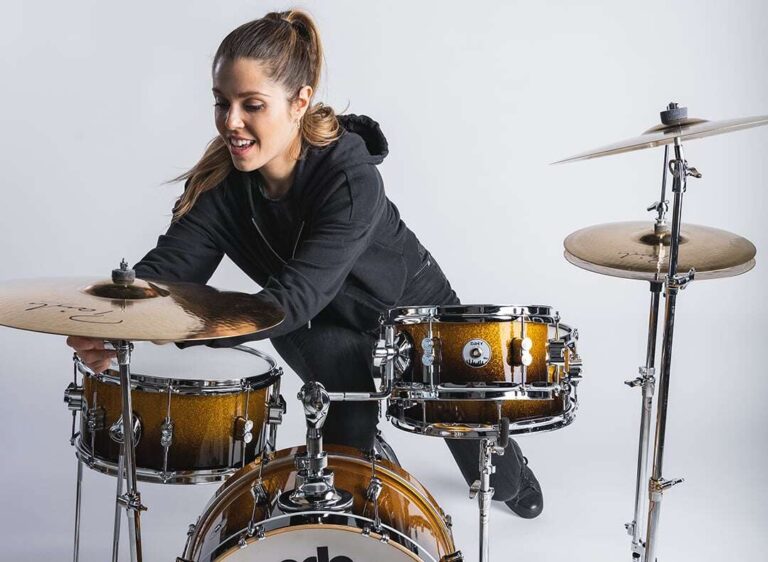
A smaller setup can work well for beginners. Many players start with a bass drum, snare, hi-hat, and one cymbal. This compact setup teaches the core skills without creating too many distractions.
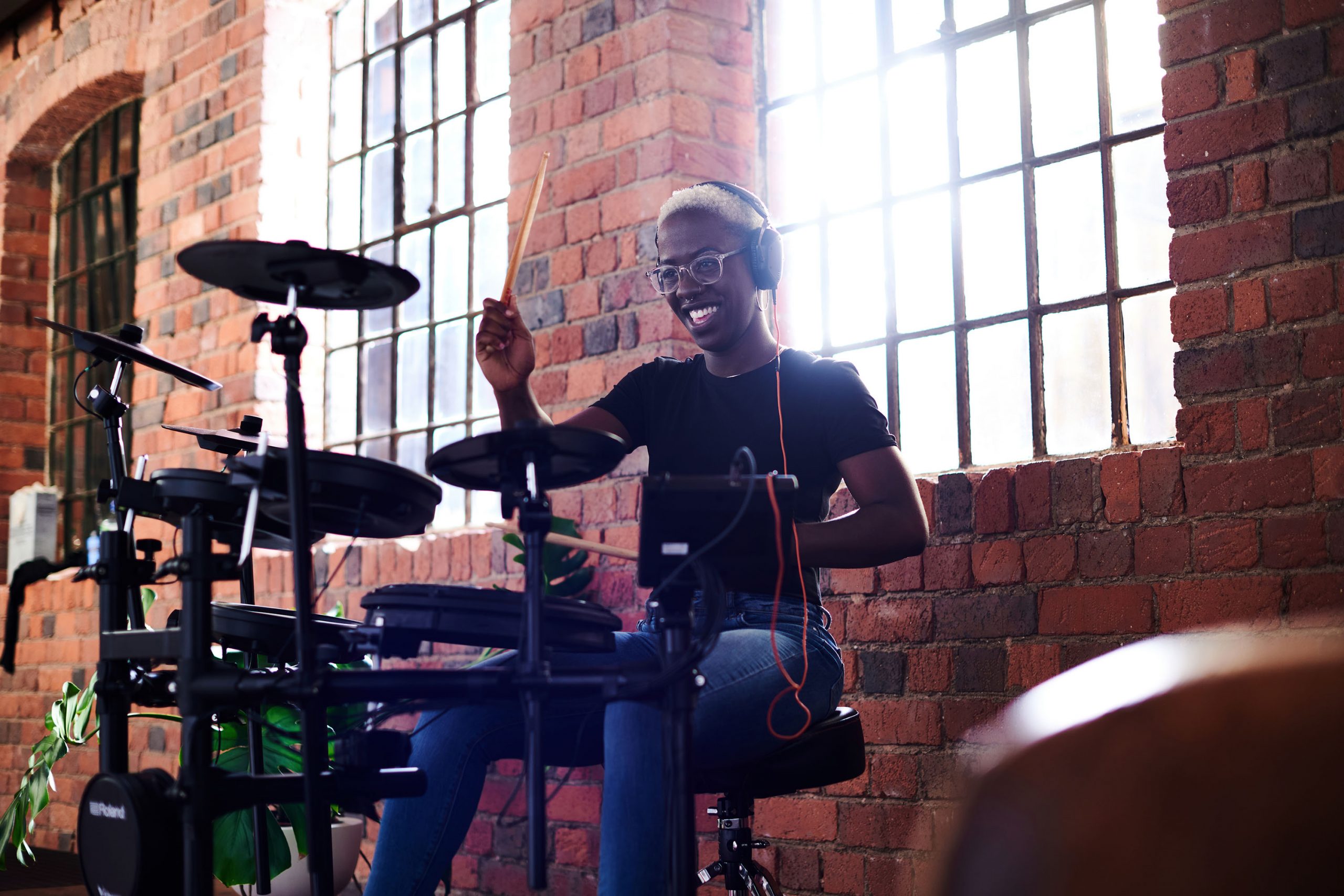
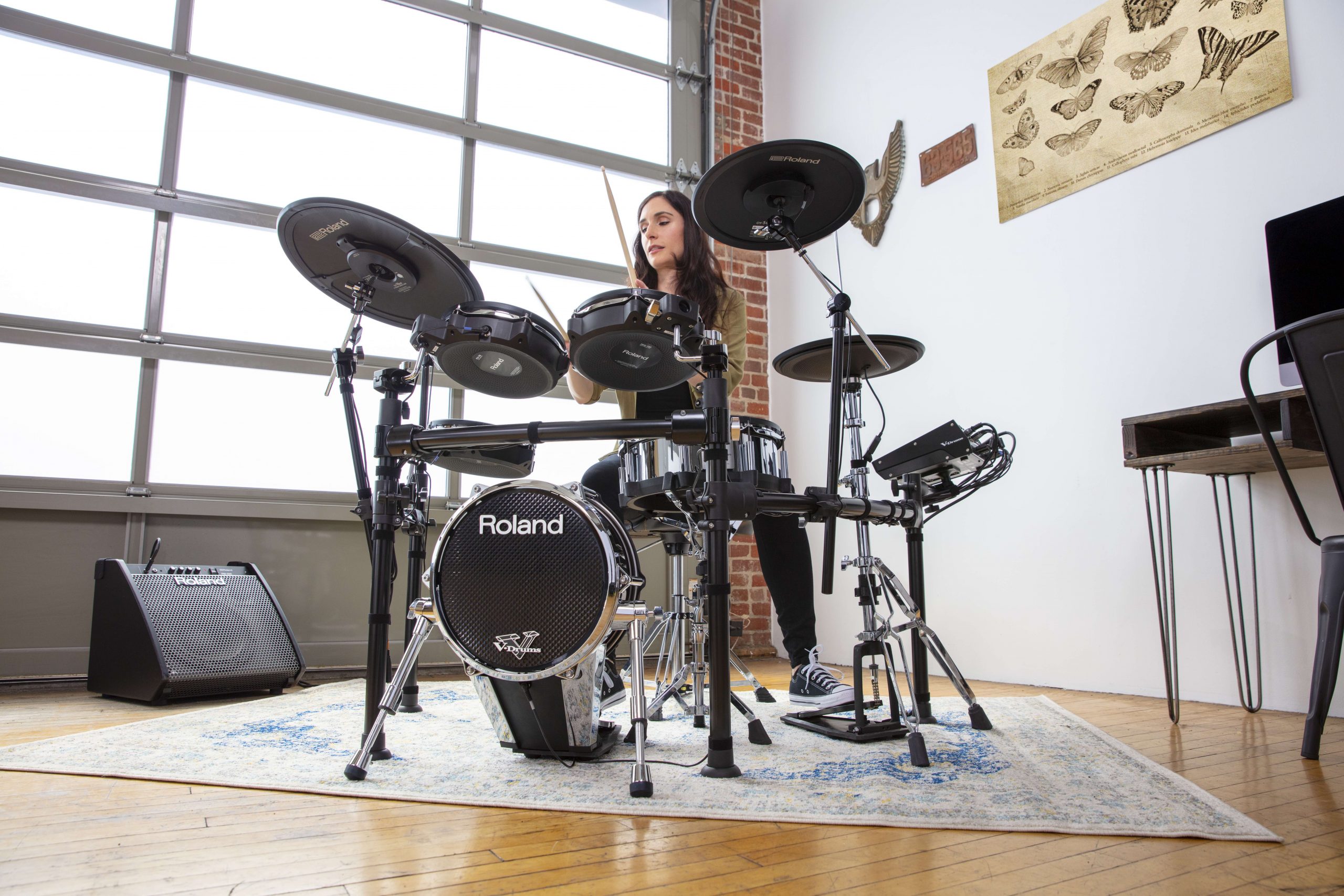
Electronic drums are also useful. They are often quieter, include built-in sounds, and can connect to headphones or music apps. Their main limits are the cost of replacement parts and the difference in feel between rubber pads, mesh heads, and acoustic drums.
When choosing a kit, check these points:
• The seat should let your feet rest flat or nearly flat
• The snare should sit near waist level
• The pedals should move smoothly
• The kit should fit your room
• The heads and cymbals should not show major damage
• Electronic pads should respond evenly
Used drums can be a smart choice. Ask an experienced drummer or teacher to inspect them before you buy. A low price does not help if the hardware is unstable or the pedals do not work well.

Learn Basic Drum Names and Their Roles
Understanding the drum set makes lessons and practice easier. Each part has a different voice and job.
The bass drum produces the low pulse. It often marks beats one and three in rock music, but its pattern can change across styles.
The snare drum creates a sharp sound. In many beginner rock beats, it lands on beats two and four. This pattern is called the backbeat.
The hi-hat keeps the time moving. You can play it with your right hand, left hand, foot, or a mix of these methods. Open hi-hat sounds add energy and lift.
The toms help create fills. A fill is a short pattern that connects one musical section to another. Cymbals add accents, motion, and changes in intensity.
The drummer’s job is not simply to hit everything loudly. Good drumming balances pulse, space, control, and musical feel. Think of the drum set as a small orchestra that you operate with all four limbs.

Set Up Your Body and Sticks Correctly
Good technique helps you play longer and reduces strain. It also makes your sound more controlled.
Sit near the front half of the drum throne. Keep your back tall but relaxed. Your shoulders should stay loose, and your elbows should not press tightly against your body.
Set the snare so your forearms slope slightly down toward it. Keep the bass drum pedal close enough that your knee is not locked. Your feet should reach both pedals without twisting your hips.
Most beginners use a matched grip. In this grip, both hands hold the sticks in the same basic way. Let the thumb and first finger guide the stick while the other fingers support it.
Avoid squeezing the stick. A tight grip can cause pain and makes fast playing harder. The stick should bounce from the drum head rather than being forced into it.
Try this simple motion:
- Hold the stick with a relaxed grip.
- Raise it only a few inches.
- Strike the center area of the drum.
- Let the stick rebound.
- Repeat with even volume.
A common early mistake is lifting one stick much higher than the other. This creates uneven sounds. Practice in front of a mirror or record your hands with a phone. Visual feedback can reveal problems that you do not feel while playing.

Master Rhythm Before Speed
Timing is the heart of drumming. Speed may sound impressive, but steady rhythm is what makes a drummer useful in a band.
Start by counting four even beats:
Then count eighth notes:
1 and 2 and 3 and 4 and
Keep the space between each count equal. A metronome can help, but use it at a slow setting. Begin around 60 beats per minute and increase the tempo only when the pattern feels comfortable.
Practice these basic movements:
• Tap quarter notes with one hand
• Play eighth notes on the hi-hat
• Add the bass drum on beats one and three
• Add the snare on beats two and four
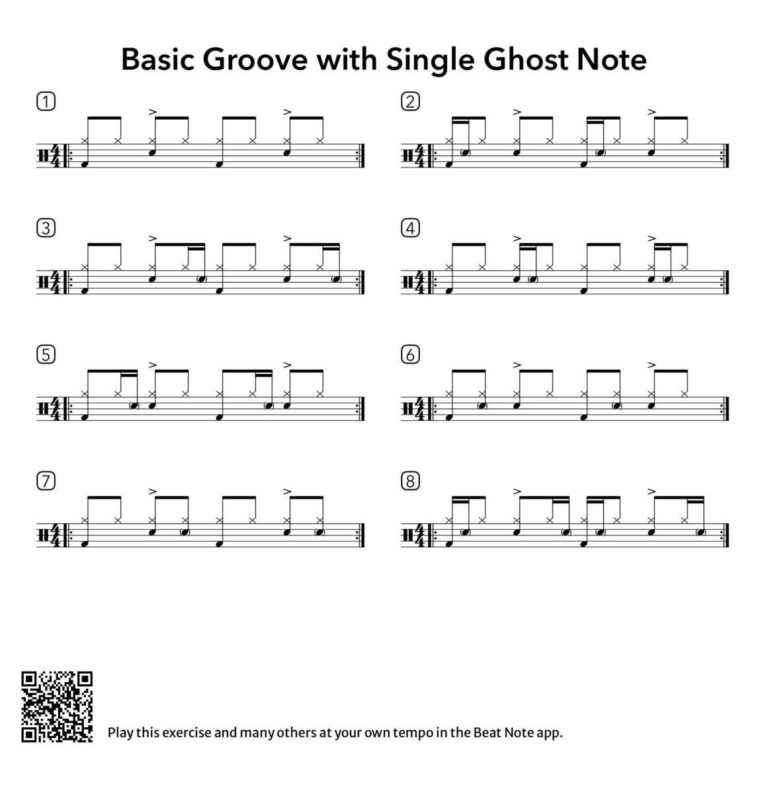
This creates one of the most important beginner drum beats:
• Hi-hat: 1 and 2 and 3 and 4 and
• Bass drum: 1 and 3
• Snare drum: 2 and 4
Play it slowly for two minutes. Focus on even sound and relaxed movement. This basic groove appears in thousands of songs, so learning it gives you a useful foundation.
Research on motor learning shows that slow, accurate repetition helps the brain build reliable movement patterns. Fast, messy practice usually builds fast, messy habits.
Follow a Simple Beginner Drum Practice Plan
A regular plan works better than one long session each week. Even 15 to 20 minutes a day can create progress when you practice with purpose.
Use this beginner drum practice routine:
- Warm up for three minutes with slow single strokes.
- Practice counting for three minutes.
- Play the basic rock beat for five minutes.
- Work on one new skill for five minutes.
- Play along with a simple song for four minutes.
Single strokes are alternating hits:
R L R L
The letters stand for right and left hand. Keep the strokes even and relaxed. You can later add bass drum patterns or practice the same motion on a practice pad.
A weekly plan could look like this:
• Monday: Hand control and basic beats
• Tuesday: Bass drum patterns
• Wednesday: Metronome practice
• Thursday: Song practice
• Friday: Fills and transitions
• Saturday: Review and free play
• Sunday: Rest or light listening
Track your practice in a notebook or phone app. Write down the tempo, exercise, and one thing that felt better. This turns vague improvement into something you can see.
One practical lesson is to stop before your focus disappears. Tired practice often leads to poor posture and careless timing. Short, focused sessions are easier to repeat.

Learn Your First Drum Beats
Begin with patterns that appear in common music. Do not rush into complex fills before your main groove feels stable.
Basic rock beat
Play eighth notes on the hi-hat. Add the bass drum on beats one and three. Add the snare on beats two and four.
This beat is useful for rock, pop, country, and many worship songs.
Four-on-the-floor beat
Play the bass drum on every quarter note:
1, 2, 3, 4
Keep the hi-hat steady and place the snare on beats two and four. This pattern is common in dance, disco, electronic, and pop music.
Slow ballad beat
Use a slower tempo and leave more space between notes. Let the bass drum and snare sound full but soft. The goal is control, not volume.
Half-time groove
Keep the hi-hat moving, but place the snare mainly on beat three. This creates a wide, relaxed feel often heard in rock, funk, and modern pop.
Play each pattern with a metronome. Then play it with a song. A groove is not truly learned until you can keep it steady while listening to other instruments.
Practice With a Metronome and Songs
A metronome is one of the best tools for learning how to start playing drums. It reveals whether you rush or slow down.
At first, a metronome may feel uncomfortable. You might notice that your notes land before or after the click. That is normal. The goal is not to hide the click. The goal is to make your timing more reliable.
Try these exercises:
• Play one note on every click
• Play two notes between each click
• Stop for one bar and return on time
• Increase the tempo by five beats per minute
• Practice the same beat at soft, medium, and loud levels
Songs make practice more enjoyable and teach musical awareness. Choose tracks with clear drum parts and simple structures. Start with slower songs before trying fast punk, metal, or complex progressive music.
Use a song’s chorus as a practice target. Play the verse with a simple beat, then add a small crash cymbal accent when the chorus begins. This teaches you how to support a song rather than simply repeat a pattern.
Listening is part of drumming. Pay attention to the kick drum, snare, hi-hat, pauses, and changes in volume. Great drummers often play fewer notes than beginners expect.

Learn Fills Without Losing the Beat
A drum fill is a short phrase that adds movement. Beginners often make fills too long or too loud.
Start with a one-beat fill using four quarter notes. Play one note on each count. Move from the snare to the high tom, floor tom, and snare.
Then try four eighth notes:
1 and 2 and
Return to the main groove immediately after the fill. This return is the most important part.
Follow these rules:
• Keep the fill short
• Count while you play
• End where the next section begins
• Match the song’s volume
• Keep one foot connected to the pulse
A simple fill that lands on time sounds better than a complex fill that causes you to lose the beat. In a band, the drummer guides transitions. The rest of the group needs to know where the next downbeat will fall.
Record yourself during fill practice. If the groove changes speed after the fill, slow down and repeat the transition. This is one of the most common beginner problems, and it improves with focused repetition.
Decide Between Drum Lessons and Self-Teaching
Both lessons and self-teaching can work. The best choice depends on your budget, schedule, and learning style.
A qualified drum teacher can help you:
• Build correct posture and grip
• Understand music notation
• Fix timing problems early
• Choose useful exercises
• Stay accountable
• Learn styles in a structured order
Online courses and videos can offer flexibility. They work best when you choose a clear program instead of watching random clips. Too many unrelated lessons can leave you with ideas but no solid foundation.
If you take lessons, ask the teacher how they teach beginners. A good teacher should explain the reason behind each exercise and adjust the material to your goals.
If you learn alone, record yourself often. A phone recording can show uneven strokes, rushed fills, and poor posture. You can also share recordings with a teacher or experienced drummer for feedback.
A balanced approach often works well: use lessons for direction and online material for extra practice. Learning how to start playing drums does not require one perfect method. It requires a method you can follow consistently.
Protect Your Hearing and Avoid Injury
Drums can reach high sound levels, especially in small rooms. Long exposure to loud sound may harm your hearing.
Use musician earplugs or other hearing protection during practice and rehearsal. These products reduce volume while keeping music clearer than basic foam plugs. Take short breaks, and avoid turning electronic drum headphones to unsafe levels.
Watch for signs of strain:
• Tingling or numb fingers
• Wrist pain
• Shoulder tension
• Lower back pain
• Ringing in the ears
• Loss of hearing clarity
Stop if pain appears. Mild muscle fatigue can be normal, but sharp pain is a warning. Check your posture, reduce force, and ask a qualified teacher or health professional for advice if symptoms continue.
Warm up gently. You do not need intense stretching. Slow strokes, relaxed taps, and light movement prepare your hands better than hitting hard from the first minute.
Volume is not the same as power. A skilled drummer can create strong sound through timing, rebound, and control.
Avoid Common Beginner Mistakes
Most early problems are easy to correct when you notice them.
Playing too fast
Fast playing can feel exciting, but it often hides weak control. Slow down until every note is even.
Hitting too hard
Heavy strokes create tension and can damage hearing. Practice quiet playing to improve control and touch.
Ignoring the bass drum
Many beginners focus on their hands and forget their foot. Practice bass drum patterns alone, then combine them with the snare.
Changing exercises too often
New exercises feel productive, but constant switching prevents mastery. Stay with one pattern for several days.
Skipping the metronome
You may sound fine alone but speed up with a song or band. Use a metronome several times each week.
Learning fills before grooves
A fill cannot rescue an unstable beat. Make the main groove your priority.
Comparing yourself with advanced players
Professional drummers may have practiced for years. Compare your playing with your own recording from last month.
These lessons apply to nearly everyone learning how to start playing drums. Progress is often quiet at first. Then one day, a beat that felt impossible begins to feel natural.
Know When You Are Ready to Play With Others
Playing with other musicians is one of the fastest ways to improve. It teaches you to listen, recover from mistakes, and hold your part.
You are ready for a simple jam when you can:
• Keep a basic beat for several minutes
• Start and stop on a count
• Follow a clear song structure
• Recover without completely stopping
• Play at more than one volume
• Listen while you play
Start with patient musicians. A bass player is especially helpful because the bass and drums form the rhythm section. Begin with one or two songs and agree on the tempo before playing.
Mistakes will happen. If you lose your place, listen for the next strong beat and rejoin there. Do not stop and apologize during the song. Most listeners notice recovery more than the original mistake.
Playing with people also teaches dynamics. You learn when to play softly, when to open the hi-hat, and when to leave space. Those choices turn basic drumming into musical drumming.
Track Progress Over the First Three Months
A realistic timeline keeps expectations healthy. Everyone learns at a different pace, so use this as a guide rather than a promise.
First month
Focus on:
• Drum names and setup
• Relaxed grip
• Quarter notes and eighth notes
• Basic rock beats
• Counting aloud
• Safe practice habits
Second month
Add:
• More bass drum patterns
• Simple fills
• Metronome exercises
• Playing with easy songs
• Basic dynamic control
• Short recording sessions
Third month
Work on:
• Smooth transitions
• Different tempos
• Simple half-time and four-on-the-floor grooves
• Playing with another musician
• Reading basic drum notation
• Creating your own short patterns
Progress is not always measured by speed. A better sign is control. Can you play softly? Can you stop on time? Can you repeat a groove without tension? These skills matter more than reaching a high tempo quickly.
Frequently Asked Questions About How to Start Playing Drums
Can I learn how to start playing drums without owning a drum set?
Yes. Begin with a practice pad, sticks, and a metronome. You can develop hand control and timing before buying an acoustic or electronic kit.
How long does it take to learn basic drums?
Many beginners can play a simple beat within a few weeks with regular practice. Playing comfortably with songs often takes several months of steady work.
Are drums hard to learn?
Drums can feel challenging because they require coordination between four limbs. A step-by-step plan makes the process easier, and basic grooves are accessible to most beginners.
Should I learn drums with a teacher?
A teacher is helpful for posture, grip, timing, and structured progress. Self-teaching can also work if you use reliable lessons, record yourself, and practice consistently.
What drumsticks should a beginner use?
A 5A stick is a common starting point because it is balanced and suitable for many styles. Choose a size that feels comfortable rather than simply copying another drummer.
Do I need to read music to play drums?
No, you can begin by learning through counting, listening, and demonstration. Reading drum notation becomes useful as your goals grow, especially for lessons, auditions, and complex arrangements.
How often should a beginner practice drums?
Aim for 15 to 30 minutes on most days. Regular, focused practice usually produces better results than one long session each week.
Conclusion
Learning how to start playing drums begins with a simple setup, relaxed technique, steady counting, and regular practice. Start with basic grooves, use a metronome, play along with easy songs, and add fills only after your timing feels secure.
Protect your hearing, record your progress, and treat mistakes as useful feedback. Set up a practice pad or drum kit today, learn one beat, and play it for five focused minutes. Then keep building from there, and share your progress or questions in the comments.

Senior Music Reviewer
Alex Carter is a seasoned music reviewer with over a decade of experience in the world of sound and instruments. Passionate about helping musicians and enthusiasts make informed choices, he brings sharp insights and in-depth knowledge to every review. From classical instruments to modern gear, Alex combines technical expertise with a love for music to deliver content that resonates with readers.
As a Senior Music Reviewer and expert author on Tuneluma.com, Alex is dedicated to sharing honest evaluations, practical advice, and thoughtful commentary to guide readers in their musical journey.