Who Invented The Drum Kit: The Fascinating Origin Story
Dee Dee Chandler is widely credited with inventing the first practical drum kit through his bass drum foot pedal.
The story of who invented the drum kit is more complex than one name. Dee Dee Chandler created a key early design in New Orleans, while William F. Ludwig later improved and sold the pedal that helped shape the modern drum set. This guide explains the full story, the people involved, and how a few separate drums became one playable instrument.
Who invented the drum kit?
The short answer is Dee Dee Chandler. He is often credited with inventing the first practical drum kit because he used a foot pedal to play a bass drum while sitting behind other drums.
Before Chandler’s idea, most drum parts needed several musicians. One person played the snare drum. Another played the bass drum. A third might play cymbals. Chandler’s foot pedal let one drummer control the bass drum and play other drums at the same time.
Still, the modern drum kit was not created in one single moment. It grew through the work of many players, inventors, and drum makers.
The main figures include:
• Dee Dee Chandler, who developed an early bass drum pedal in New Orleans during the 1890s.
• William F. Ludwig, who patented and mass-produced a practical bass drum pedal in 1909.
• New Orleans drummers, who combined bass drum, snare drum, cymbals, and other percussion into one setup.
• Jazz drummers, who refined the kit and made it central to popular music.
So, when people ask who invented the drum kit, the most accurate answer is that Chandler started the process, while Ludwig helped bring the design to a wider market.

Dee Dee Chandler and the first bass drum pedal
Dee Dee Chandler was a drummer from New Orleans. He performed in marching bands and theater groups during the late 19th century.
At that time, bass drums were large and heavy. A player usually carried or stood beside the drum and struck it with a soft mallet. This worked well in a parade, but it was not practical for a seated drummer in a small music group.
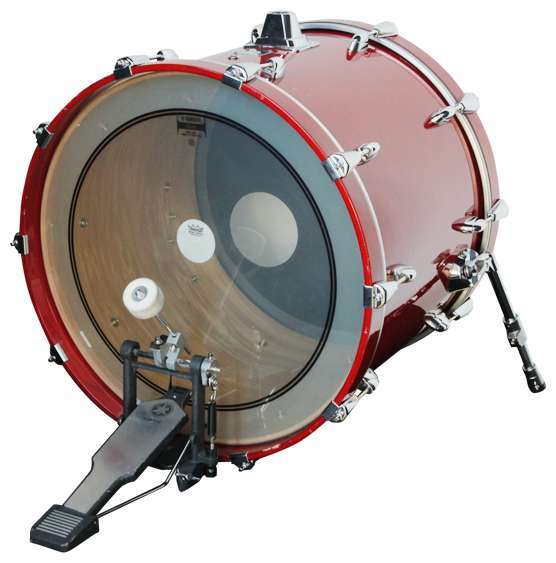
Chandler solved this problem with a mechanical foot pedal. The pedal allowed him to strike the bass drum with his foot. His hands could then play the snare drum, cymbals, or other percussion instruments.
This was a major change in drum history. It turned several separate jobs into one drummer’s role.
The design was not as polished as modern pedals. It likely used a simple lever and beater system. However, the basic idea was clear: the foot could operate the bass drum while the hands stayed free.
That idea is the foundation of the modern drum kit.
Why Chandler’s invention mattered
Chandler’s pedal changed more than the way a drummer played. It changed the size and shape of music groups.
Small bands could now create a fuller rhythm with fewer musicians. A drummer could provide:
• A deep bass pulse.
• A sharp snare backbeat.
• Cymbal accents.
• Short fills and rhythmic effects.
This made the drum kit useful in dance halls, vaudeville theaters, marching groups, and early jazz settings.
Historical accounts often credit Chandler with using his pedal in New Orleans around 1894. The exact details are difficult to verify because early drum technology was not always documented with modern precision. That is why some historians describe Chandler as the first important drum pedal innovator rather than the sole inventor of every part of the drum kit.
William F. Ludwig’s role in the modern drum kit
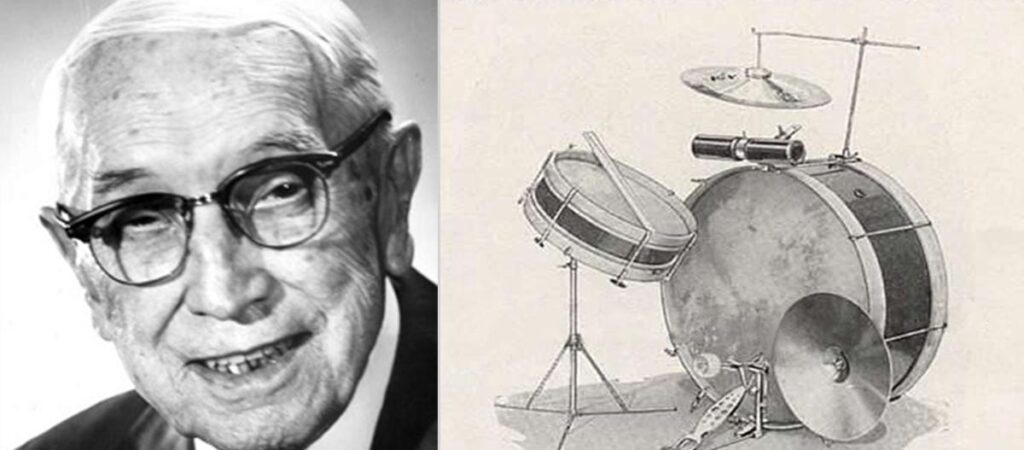
William F. Ludwig played a major role in making the drum kit practical and widely available.
In 1909, Ludwig developed a bass drum pedal with his brother, Theobald Ludwig. Their design was stronger, smoother, and easier to use than many earlier pedals. The Ludwig company began selling the pedal to drummers across the United States.
This invention helped solve a problem that had limited early drum kits. A drummer needed a pedal that could survive repeated use and respond quickly during fast music.
Ludwig’s pedal became popular because it offered:
• A more reliable spring system.
• A stronger frame.
• Better control of the beater.
• Faster operation.
• Easier setup and transport.
When examining who invented the drum kit, it is important to separate invention from commercial success. Chandler developed an early working concept. Ludwig improved the mechanism and helped turn it into a widely used product.
That difference appears in many areas of music history. One person may create the first idea, while another makes the idea affordable, reliable, and popular.
How the early drum kit developed
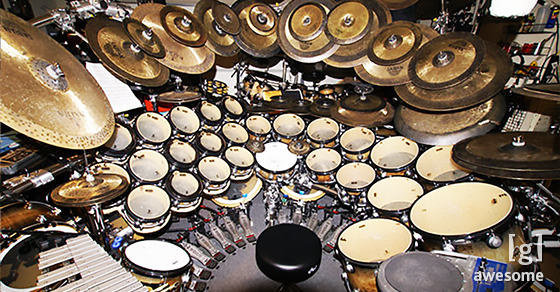
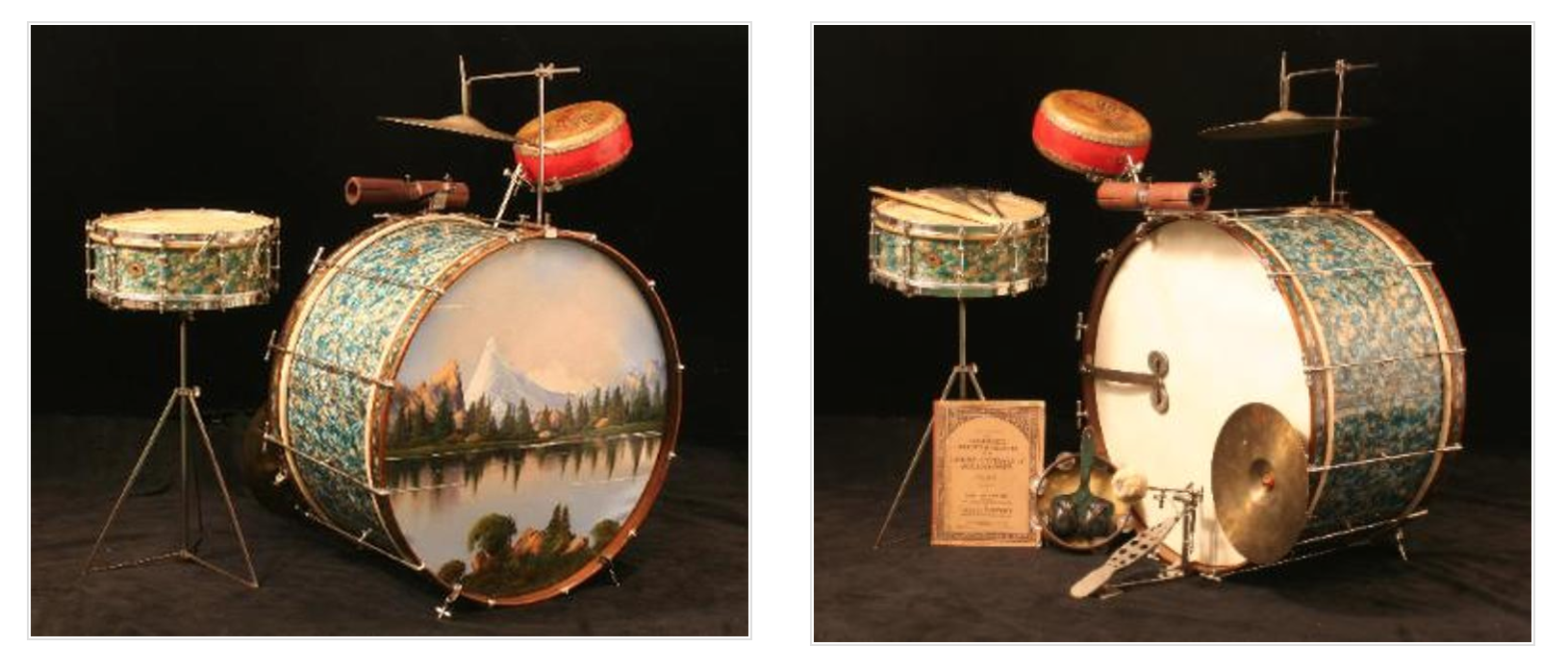
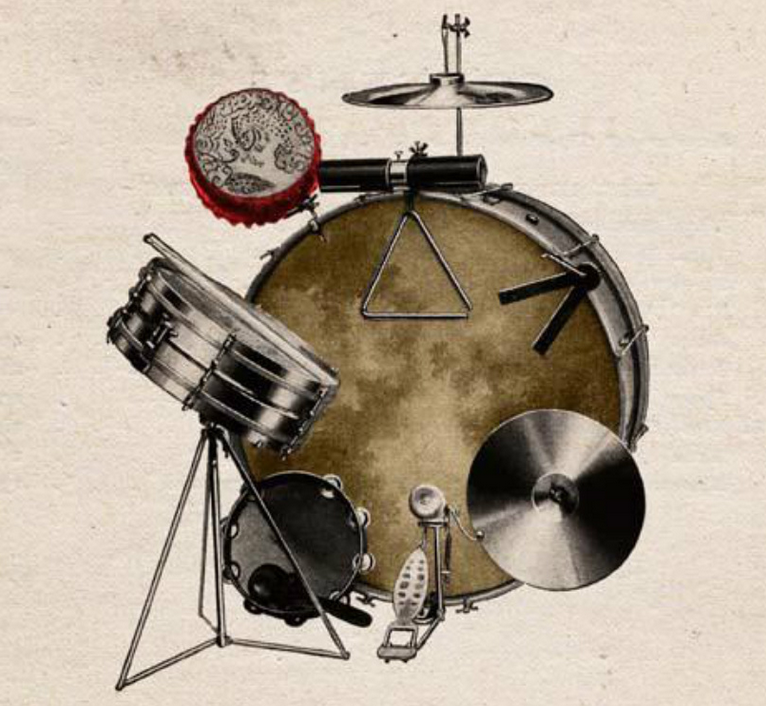
The early drum kit did not look like the standard setup seen today. It was often a collection of drums and small percussion instruments placed around a seated player.
Early drummers used tools such as:
• A bass drum with a foot pedal.
• A snare drum.
• Woodblocks.
• Cowbells.
• Cymbals.
• Tambourines.
• Temple blocks.
• Small tom-toms.
Drummers called some of these extra items “traps.” The term “trap drummer” became linked to players who handled a wide range of percussion effects.
The setup was flexible. A drummer might add a whistle for a theater cue or use a woodblock for a dance rhythm. This made early drum kits more like a small percussion station than a fixed instrument.
Over time, drummers removed tools they did not need and kept the pieces that worked best. The bass drum, snare drum, and cymbals became the central parts of the kit.
The rise of the seated drummer
The seated position was another important step. It allowed a drummer to control several instruments without moving around a stage.
This setup also improved timing. A drummer could keep a steady bass pulse with the foot while using the hands for patterns and accents. That physical independence became one of the defining skills of modern drumming.
The idea seems normal now. In the early 1900s, it was a major technical and musical breakthrough.

The role of New Orleans in drum kit history
New Orleans was a key center of early drum kit development. The city had a rich mix of marching bands, brass bands, dance music, theater shows, and African American musical traditions.
These settings encouraged musicians to combine rhythms and instruments. Drummers needed to create strong grooves while working in small groups. A portable kit was ideal for this task.
New Orleans musicians also developed a style based on layered rhythms. The bass drum could mark the pulse. The snare could answer with syncopated phrases. Cymbals could add movement and excitement.
This musical environment helped turn the drum kit from a mechanical invention into a real instrument.
The answer to who invented the drum kit must include this community. Chandler may have created an important pedal, but the kit became complete through the ideas of many New Orleans drummers.
African American musical influence
African American musicians played a central role in the development of modern drumming. They brought deep rhythmic traditions, call-and-response patterns, syncopation, and expressive phrasing into early popular music.
These ideas later shaped jazz, rhythm and blues, rock, funk, and hip-hop.
It would be misleading to describe the drum kit as the work of one inventor alone. The hardware came from inventors and manufacturers, but the musical language came from generations of players.
How the drum kit became a standard instrument
By the 1920s, the drum kit had become common in jazz and popular music. Drummers began using more organized setups and developing new techniques.
The basic kit usually included:
• A bass drum operated by a foot pedal.
• A snare drum played with sticks.
• A hi-hat or low-mounted cymbal system.
• One or more crash or ride cymbals.
• Tom-toms for fills and melodic patterns.
The development of the hi-hat was especially important. Early players used low cymbals operated by a foot mechanism. Later designs raised the cymbals to hand height, allowing drummers to play them with sticks.
The hi-hat gave drummers a steady timekeeping tool. It also allowed open and closed sounds, which added new colors to the rhythm.
Jazz drummers such as Baby Dodds, Zutty Singleton, Chick Webb, and Gene Krupa helped establish the drum kit as a featured instrument. They showed that a drummer could do more than keep time.
A drummer could shape the energy of a whole band.

Did one person really invent the drum kit?
No single person invented every part of the drum kit.
The most accurate historical view is that the drum kit was an evolving invention. Several people contributed different pieces:
• Early percussionists combined drums for theater and dance music.
• Dee Dee Chandler developed an early bass drum pedal.
• William F. Ludwig created a practical commercial pedal.
• Manufacturers improved stands, pedals, cymbal mounts, and drum shells.
• Jazz drummers created the playing methods used today.
This is why sources may give different answers to who invented the drum kit. Some focus on the first pedal. Others focus on the first complete setup. Some focus on the person who made the design commercially successful.
Each answer highlights a different stage of the same story.
A useful comparison is the bicycle. One person may create the first working model, another may improve the brakes, and another may make it popular. The final product reflects all three contributions.
Who invented the drum set versus the drum pedal?
The terms “drum kit” and “drum set” usually mean the same thing. Both describe a group of drums and cymbals played by one person.
The drum pedal is only one part of that system. It is the device that lets a drummer play the bass drum with a foot.
Dee Dee Chandler is closely linked to the early drum pedal. William F. Ludwig is closely linked to the practical pedal that became widely sold in the United States.
The full drum kit also required:
• A snare drum stand.
• Cymbal stands.
• A working seat or drum throne.
• A method for placing instruments within reach.
• A musical style that used the setup.
This distinction helps explain why the question who invented the drum kit has more than one reasonable answer.

How the modern drum kit differs from the early kit
Modern drum kits are more precise, durable, and adjustable than early setups.
Today’s hardware often includes:
• Adjustable pedal tension.
• Ball-bearing hinges.
• Telescoping cymbal stands.
• Memory locks.
• Adjustable drum thrones.
• Multi-piece tom mounts.
• Electronic triggers and digital pads.
Modern drums also use improved shell designs and drumheads. These changes give players more control over tone, volume, and tuning.
Yet the basic layout remains familiar. One drummer still uses hands and feet to control several instruments. That core design comes from the early pedal-based kits of the late 19th and early 20th centuries.
A simple timeline of drum kit history
The history of the drum kit becomes easier to understand when viewed as a timeline.
-
Before the 1890s: Large bands often used separate musicians for bass drum, snare drum, and cymbals.
-
Around 1894: Dee Dee Chandler is credited with using an early bass drum foot pedal in New Orleans.
-
Early 1900s: Theater and dance drummers combine drums, cymbals, and small percussion into compact setups.
-
1909: William F. Ludwig develops and sells a practical bass drum pedal.
-
1910s and 1920s: The drum kit grows in popularity through jazz and dance bands.
-
1920s and 1930s: The raised hi-hat becomes a major part of the standard setup.
-
1930s and 1940s: Big band drummers make the drum kit more powerful and visible.
-
1950s and 1960s: Rock music expands the use of large bass drums, loud cymbals, and tom-tom fills.
-
1970s to today: Drum kits grow more varied, with double pedals, electronic drums, hybrid kits, and custom layouts.
This timeline shows why no single date fully answers who invented the drum kit. The instrument developed step by step.
Common myths about the drum kit’s inventor
Myth 1: William Ludwig invented the entire drum kit
William Ludwig did not invent every part of the drum kit. His most important contribution was the practical bass drum pedal and its commercial production.
His work helped popularize the kit, but earlier drummers had already combined percussion instruments.
Myth 2: The drum kit began with rock music
Rock drummers made the kit louder and more powerful, but the instrument was already established decades earlier.
Jazz, ragtime, vaudeville, and dance bands played a major role in its early development.
Myth 3: The first drum kit had the same setup as today
Early kits were often crowded with unusual percussion tools. The standard bass drum, snare, hi-hat, and cymbal setup formed gradually.
Modern kits are the result of many changes in hardware and playing style.
Myth 4: The drum kit was only a hardware invention
Hardware made the kit possible, but musicians made it meaningful. Players created the rhythms, techniques, and musical roles that turned a group of drums into one instrument.
What musicians can learn from the drum kit’s history
The history of the drum kit offers useful lessons for new players.
First, simple tools can create major change. Chandler’s foot pedal was not a complex computer system. It was a practical answer to a real problem.
Second, innovation often comes from musicians. Players notice limits during performance and find ways to remove them.
Third, improvement takes time. The modern drum kit grew through many small changes rather than one perfect invention.
When learning drums, it helps to remember this history. You do not need a huge kit to make music. A bass drum, snare, and cymbal can teach timing, control, and coordination.
A common beginner mistake is buying too many drums too soon. Start with a simple setup. Learn to play steady time. Add pieces only when they serve your music.
Practical tips for studying early drum kit design
If you want to explore the history of the drum kit, use a clear plan.
-
Study early photographs of New Orleans and vaudeville drummers.
-
Compare early bass drum pedals with modern pedals.
-
Listen to early jazz recordings and focus on the drummer’s role.
-
Watch demonstrations of trap drum setups.
-
Read museum and university archives about percussion history.
-
Compare the sound of a small jazz kit with a modern rock kit.
-
Build a basic practice setup before investing in advanced equipment.
One lesson stands out: the best drum kit is not always the largest one. Early drummers created rich music with limited tools. Good timing and musical judgment matter more than the number of toms.
Frequently Asked Questions About Who Invented the Drum Kit
Who is credited with inventing the drum kit?
Dee Dee Chandler is widely credited with creating the first practical drum kit concept through his early bass drum foot pedal. William F. Ludwig later improved and mass-produced a practical pedal, helping the modern drum set become popular.
When was the drum kit invented?
The drum kit began to take shape in the late 19th century, especially during the 1890s. It became a standard instrument during the early 20th century as foot pedals, cymbal stands, and compact setups improved.
Did Dee Dee Chandler patent the drum kit?
There is no widely accepted evidence that Dee Dee Chandler patented the complete modern drum kit. His importance comes from his early use of a bass drum pedal, which helped create the basic design.
What did William Ludwig invent?
William F. Ludwig helped develop a reliable bass drum pedal in 1909. His company sold the pedal widely, which helped make one-person drumming practical for many musicians.
Why was the bass drum pedal important?
The bass drum pedal let one drummer play the bass drum with a foot. This freed both hands for the snare drum, cymbals, and other percussion instruments.
Where did the modern drum kit develop?
New Orleans played a major role in the development of the modern drum kit. Its marching bands, dance groups, theater music, and early jazz scene encouraged drummers to combine several percussion instruments.
Is a drum set the same as a drum kit?
Yes. “Drum set” and “drum kit” usually describe the same instrument. Both terms refer to a group of drums and cymbals played by one drummer.
Conclusion
The best answer to who invented the drum kit is Dee Dee Chandler, because his early bass drum pedal helped one drummer control several instruments. William F. Ludwig then improved the pedal and helped bring the design to a large market.
The full drum kit was a shared achievement. New Orleans musicians, jazz players, inventors, and drum makers all shaped the instrument we know today.
If you are a drummer, start with the same lesson that guided the early pioneers: solve musical problems with simple, useful tools. Explore early recordings, study the history, and build a setup that supports your playing. Share your favorite drum history fact or keep learning through trusted percussion resources.

Senior Music Reviewer
Alex Carter is a seasoned music reviewer with over a decade of experience in the world of sound and instruments. Passionate about helping musicians and enthusiasts make informed choices, he brings sharp insights and in-depth knowledge to every review. From classical instruments to modern gear, Alex combines technical expertise with a love for music to deliver content that resonates with readers.
As a Senior Music Reviewer and expert author on Tuneluma.com, Alex is dedicated to sharing honest evaluations, practical advice, and thoughtful commentary to guide readers in their musical journey.