What Wood Is Used For Black Piano Keys: Ebony Explained

Black piano keys are traditionally made from ebony, especially dense, dark, close-grained varieties.

The question of what wood is used for black piano keys has a simple answer, but modern piano design adds a few important details. Ebony remains the classic choice because it feels smooth, resists wear, and provides the rich black look players expect. In this guide, you will learn what wood is used for black piano keys, why ebony became standard, and how modern materials compare.

What wood is used for black piano keys?

The traditional wood used for black piano keys is ebony. Ebony comes from several species in the Diospyros genus. It is valued for its deep color, fine grain, hardness, and ability to take a smooth polish.

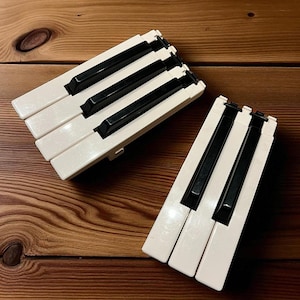
When people ask what wood is used for black piano keys, they often mean the thin surface cap that the player touches. Older and high-quality traditional pianos may use ebony for this cap, while the key itself can contain a different wood, such as spruce, basswood, or another light, stable timber.

The black keys are also called sharp keys, raised keys, or accidentals. They are shorter and narrower than the white keys. Their smaller size makes ebony’s hardness useful because the surface must handle years of repeated finger contact.
What wood is used for black piano keys?
Source: etsy.com

Why ebony is used for black piano keys

Ebony has a special mix of physical traits that suit piano playing. It is hard enough to resist dents, yet it can be shaped and polished to create a comfortable playing surface.

The main reasons ebony became the preferred wood include:

• Hardness: Ebony handles frequent contact without wearing quickly.

• Fine grain: Its tight grain creates a smooth surface with little visible texture.

• Dark color: Many ebony species are naturally black or nearly black.

• Stability: Properly seasoned ebony changes less than many softer woods.

• Polish: Craftspeople can finish ebony to a satin or lightly textured feel.

A pianist’s fingers move across the keys thousands of times during practice. A soft wood could develop grooves, dents, or rough spots. Ebony acts much like a durable road surface: it absorbs daily traffic without changing shape too quickly.

The answer to what wood is used for black piano keys is therefore linked to both appearance and performance. Ebony looks elegant, but its wear resistance and feel are just as important.

Why ebony is used for black piano keys
Source: apexpianoshowroom.com

What type of ebony is used?

Piano makers have used several kinds of ebony over time. The exact species depends on the piano’s age, country of manufacture, supply, and design.

Common ebony names may include:

• Gaboon ebony: Often very dark and associated with West and Central Africa.

• Ceylon ebony: Historically linked with Sri Lanka and India.

• Macassar ebony: Known for brown and black striping rather than a solid black color.

• African ebony: A broad trade term that may describe more than one species.

Not every piece of ebony is perfectly black. Some has brown streaks, gray areas, or subtle bands. Piano makers may select the darkest pieces for visible key surfaces, or they may stain and finish other suitable wood to achieve a consistent appearance.

This is an important detail when researching what wood is used for black piano keys. “Ebony” can describe a preferred material, but it does not always identify one exact species.

Ebony supplies have also become more limited. Slow growth, habitat loss, trade rules, and sustainability concerns have encouraged piano companies to use certified wood, reclaimed ebony, engineered materials, and high-quality plastics.

What type of ebony is used?
Source: amazon.com

Is the entire black key made of ebony?

Usually, no. In many traditional pianos, ebony forms only the visible top or cap of the black key. The inner body may be made from another wood or a composite material.

A piano key needs more than a hard outer surface. It must also be light, balanced, stable, and correctly shaped. Using ebony throughout the entire key would add cost and weight without providing much practical benefit.

A typical black key may contain:

• A wooden or composite core

• An ebony or synthetic top surface

• Adhesive that joins the surface to the core

• A protective finish

• A shaped underside that fits the piano’s action

The key’s core helps control weight and movement. The top provides the playing surface. This layered approach is similar to a quality wooden table with a durable top finish: the visible layer matters, but the structure beneath it matters too.

So, when asking what wood is used for black piano keys, it is best to distinguish between the key core and the key covering.
Is the entire black key made of ebony?
Source: kianao.com

Do modern pianos still use ebony?

Some modern pianos still use ebony, especially premium instruments, historic reproductions, and replacement parts made for older pianos. However, many new pianos use synthetic materials for the black key surfaces.

Manufacturers may choose plastic, resin, acrylic, or another engineered material because these options offer several benefits:

• Consistent color and texture

• Lower cost

• Easier production

• Reliable sizing

• Reduced pressure on natural ebony forests

• Simple cleaning and maintenance

High-quality synthetic keytops can feel very good under the fingers. Some are designed to imitate ebony’s slight grip and low-glare finish. Still, many experienced pianists can notice differences in texture, warmth, and touch.

The answer to what wood is used for black piano keys depends strongly on the piano’s age and quality. A 19th-century piano may have genuine ebony caps, while a current digital piano may use molded plastic with no wood at all.

Do modern pianos still use ebony?
Source: amazon.com

Ebony versus plastic black piano keys

Ebony and plastic each have strengths. The best choice depends on the maker, the instrument, the player, and the intended use.

Feature Ebony Plastic or synthetic material
Appearance Natural, rich, and varied Very even and consistent
Feel Smooth with a natural grip Depends on the surface finish
Durability Excellent when cared for Often very high
Cost Usually higher Usually lower
Sustainability Requires responsible sourcing Uses industrial materials
Repair Can be refinished or replaced Often replaced as a complete part

Ebony may feel warmer and more organic. Plastic may offer better consistency from one key to the next. Neither material automatically makes a piano better.

When considering what wood is used for black piano keys, remember that touch depends on the entire piano action. Key weight, balance, regulation, hammer design, and finish can affect playability more than the surface material alone.

Ebony versus plastic black piano keys
Source: apexpianoshowroom.com

How black piano keys are made

Traditional ebony keytops begin as carefully selected pieces of wood. The wood must be dry and stable before it is shaped. If it contains too much moisture, it may shrink, crack, or pull away from the key core later.

A simplified manufacturing process looks like this:

  1. The maker selects straight, dense ebony.

  2. The wood is seasoned and dried under controlled conditions.

  3. It is cut into thin strips or caps.

  4. Each piece is shaped to match the black key.

  5. The cap is attached to the wooden or composite key body.

  6. The surface is sanded and polished.
  7. The key is fitted and regulated inside the piano.

Good workmanship matters at every stage. A poorly fitted keytop can develop gaps at the edges. A finish that is too glossy may feel slippery. A surface that is too rough can become uncomfortable during long practice sessions.

This process explains why the answer to what wood is used for black piano keys is only one part of the story. The quality of drying, cutting, gluing, shaping, and finishing also affects the final result.

How black piano keys are made
Source: amazon.com

How to identify ebony black keys

You cannot always identify ebony by appearance alone. Some stained hardwoods and synthetic materials look remarkably similar.

A genuine ebony keytop may show:

• Very fine grain

• Slight natural variation

• A dense, smooth edge

• A satin or polished surface

• Small differences between neighboring keys

Synthetic keytops often have a more uniform color and repeated texture. However, modern manufacturing can imitate natural wood quite well.

Avoid removing a keytop or using a sharp tool to test it. That can damage an instrument and reduce its value. A piano technician can inspect the key edges, underside, finish, and construction without causing harm.

Older pianos may also have replacement keytops. Therefore, the piano’s brand and age do not always prove what wood is used for black piano keys.

How to identify ebony black keys
Source: chicagomusicexchange.com

Care tips for ebony black piano keys

Ebony is durable, but it still needs sensible care. Oils from the fingers can build up over time, especially on frequently used keys.

Use these simple habits:

• Wipe the keys with a soft, dry microfiber cloth after playing.

• Use a slightly damp cloth only when needed.

• Dry the surface at once after wiping.

• Keep strong cleaners, alcohol, and furniture polish away from the keys.

• Do not spray liquid directly onto the keyboard.

• Keep the piano away from heat vents, direct sun, and damp walls.

A piano technician may recommend a mild cleaning method for a specific finish. This matters because older key surfaces can be more sensitive than modern synthetic ones.

One common mistake is using too much water. Wood absorbs moisture, and repeated damp cleaning can weaken glue joints or cause swelling. Whether the black key is ebony or synthetic, gentle cleaning is the safest approach.

Care tips for ebony black piano keys
Source: ebay.com

Sustainability and the future of ebony keytops

Ebony is a slow-growing hardwood, so responsible sourcing is essential. Some ebony species have faced serious pressure from illegal logging and habitat loss. This has encouraged manufacturers and restorers to consider alternatives.

More responsible options can include:

• Certified ebony from legal and traceable sources

• Reclaimed ebony from old instruments

• Recycled or engineered wood products

• High-quality synthetic keytops

• Alternative dark hardwoods with suitable properties

A replacement part does not need to use rare ebony to perform well. A skilled restorer may choose a stable, compatible material that matches the original appearance while reducing environmental impact.

For buyers, it is reasonable to ask a piano dealer or maker where replacement ebony comes from. This small question supports better forestry practices and helps preserve the material for future musical instruments.

Common mistakes when replacing black piano keytops

Replacing black key surfaces is delicate work. The pieces must match the key’s angle, height, width, and position. Even a small error can change the feel of the keyboard.

Frequent mistakes include:

• Choosing a keytop that is too thick

• Using an adhesive that becomes brittle

• Failing to remove old glue

• Sanding the key too deeply

• Making the new surface too glossy

• Ignoring differences in key spacing

• Replacing one key without matching its color and texture

A professional technician usually removes the key, prepares the surface, fits the new cap, and checks the key’s movement afterward. A do-it-yourself repair may seem simple, but a poor fit can affect neighboring keys and the piano action.

From a repair standpoint, the best answer to what wood is used for black piano keys is not always “use ebony.” The replacement must suit the original construction, the instrument’s value, and the available materials.

Frequently Asked Questions About What Wood Is Used for Black Piano Keys

What wood is most commonly used for black piano keys?

Ebony is the traditional wood most commonly associated with black piano keys. It is hard, dense, dark, smooth, and resistant to wear.

Are black piano keys made from solid ebony?

Often, only the visible keytop is ebony. The inner key body may use a lighter wood or a composite material to reduce weight and improve balance.

Do all black piano keys use wood?

No. Many modern acoustic and digital pianos use plastic, resin, acrylic, or other synthetic materials. Some instruments use a synthetic keytop over a wood core.

Why is ebony better than soft wood for black keys?

Ebony resists dents, abrasion, and surface wear better than most soft woods. Its fine grain also creates a smooth surface that feels comfortable during repeated playing.

Can black piano keys be made from stained wood?

Yes. Some manufacturers and restorers use another suitable hardwood and stain it dark. The result can look similar to ebony, although the grain, density, and long-term wear may differ.

How can I tell whether my piano has ebony keytops?

Look for fine natural grain and slight variation, but do not rely on appearance alone. A qualified piano technician can inspect the key construction without damaging the instrument.

Is ebony environmentally friendly?

Ebony can be a responsible choice only when it comes from legal, traceable, and well-managed sources. Reclaimed wood and quality synthetic alternatives can reduce demand for newly harvested ebony.

Conclusion

The traditional answer to what wood is used for black piano keys is ebony. Its dense grain, dark color, smooth feel, and resistance to wear made it the standard choice for generations of piano makers.

Modern pianos may use plastic, resin, or composite keytops instead. In many instruments, ebony covers only the playing surface while a lighter material forms the key’s core. That design keeps the key stable, balanced, and practical.

If you are buying, restoring, or caring for a piano, look beyond the word “ebony.” Check the keytop’s condition, the quality of the finish, the instrument’s age, and the source of any replacement wood. Ask a trusted piano technician for an inspection, explore responsible material choices, and share your piano questions with an experienced restorer or music community.

Similar Posts

Leave a Reply

Your email address will not be published. Required fields are marked *