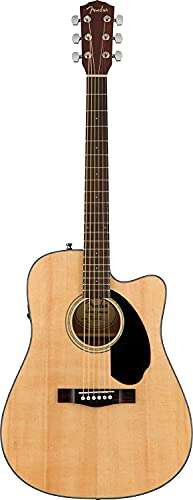
Attach the strap buttons to the guitar, then press each strap end firmly over the buttons and check the fit.
Learning how do you attach a guitar strap is simple, but doing it safely takes a little care. The right method depends on whether your guitar has two strap buttons, one button, or no buttons at all. This guide explains each option, shows common mistakes, and shares practical tips for comfort, balance, and guitar safety.

What You Need Before Attaching a Guitar Strap
Before learning how do you attach a guitar strap, check the guitar and the strap. Most electric guitars and many acoustic guitars have two metal strap buttons. One sits near the bottom of the body, while the other is near the neck joint or upper horn.


You may need different parts if your guitar has only one button or none. Gather these items first:
• A guitar strap with two leather or synthetic strap ends
• Strap buttons already fitted to the guitar
• Strap locks, if you want extra security
• A screwdriver, if you need to install buttons
• A soft cloth to protect the guitar’s finish
• A strap adapter or soundhole hook for some acoustic guitars
Check the strap for damage. The holes should not be stretched, cracked, or soft around the edges. A weak strap end can slip off during a song and send the guitar to the floor.
How to Attach a Guitar Strap to a Guitar With Two Buttons
This is the most common setup. It is found on many electric guitars, basses, and acoustic guitars designed for strap use.
Step-by-step method
-
Hold the guitar in a stable position with the front facing you.
-
Find the strap button at the bottom of the guitar.
-
Place one strap end over the button.
-
Push the button through the strap hole until the strap sits flat.
-
Find the second strap button near the neck joint or upper horn.
-
Fit the other strap end over that button.
-
Pull the strap gently to confirm that both ends are secure.
-
Put the strap over your shoulder and adjust its length.


The strap should sit flat against each button. Do not twist the strap end while fitting it. A twisted strap can pull at an angle and may come loose more easily.
If the strap hole feels tight, work it over the button with slow pressure. Do not use a knife or screwdriver to force it open. Sharp tools can damage the strap or scratch the guitar.
Learning how do you attach a guitar strap is mostly about checking both connection points. A quick tug test before playing can prevent a costly accident.

How to Attach a Strap to an Acoustic Guitar With One Button
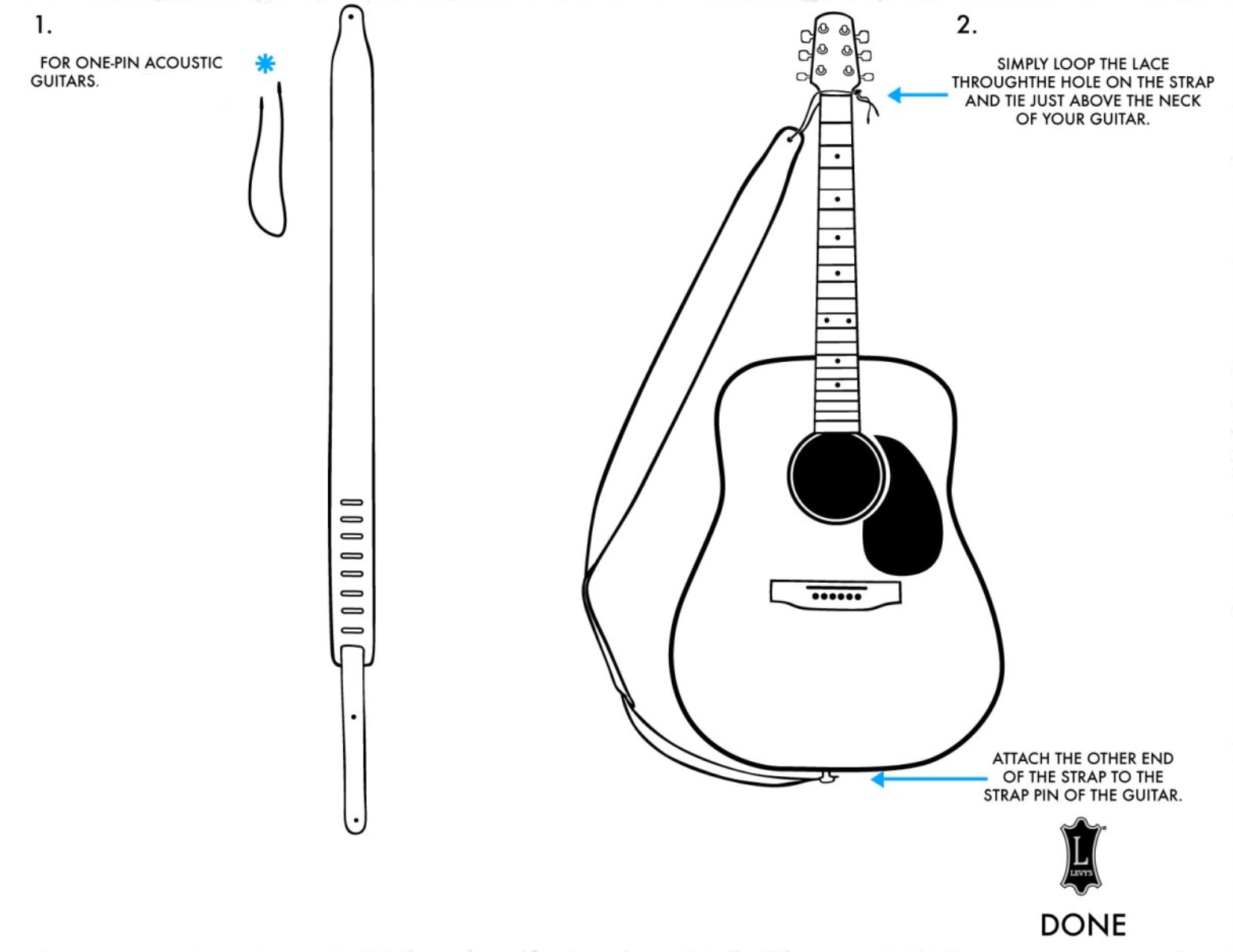
Many acoustic guitars have one strap button at the bottom but no button near the neck. In this case, the bottom of the strap attaches to the guitar, while the other end must connect near the headstock.
You can use a small strap tie, lace, or purpose-made acoustic guitar strap adapter. Follow these steps:
-
Attach one end of the strap to the bottom button.
-
Run the other end toward the headstock.
-
Place the tie under the strings behind the nut, or around the headstock above the nut.
-
Feed the tie through the strap hole.
-
Tie it firmly, but do not press hard against the strings.
-
Check that the knot does not interfere with tuning.


Avoid tying the strap around the tuning machines. The cord may catch on a tuner or pull the strings out of tune. Place the tie on the solid part of the headstock instead.
A headstock strap adapter is often more secure and cleaner than a loose shoelace. It also reduces the chance of rubbing the guitar’s finish.
How to Attach a Guitar Strap Without Strap Buttons
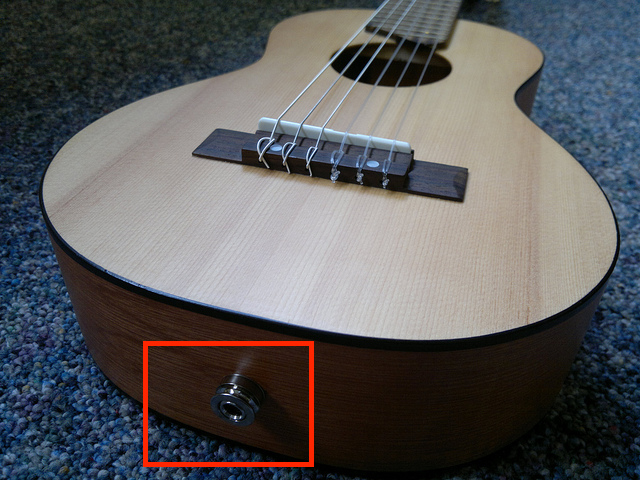
Some classical guitars, vintage guitars, and small acoustic guitars have no strap buttons. You still have safe options, but each one has limits.
Use a soundhole strap
A soundhole strap has a hook or support that rests at the edge of the soundhole. The other end usually connects around the headstock.
To use one:
• Place the hook carefully at the soundhole edge.
• Keep the hook away from the thin inner edge if the design allows.
• Attach the upper end around the headstock with a soft tie.
• Check that the hook cannot slide into the soundhole.
Soundhole straps are useful for temporary use. However, they may not feel as stable as two fixed buttons, especially during active playing.


Use an adhesive strap button
Adhesive buttons are easy to install, but they are not ideal for every guitar. Heat, sweat, age, and finish type can weaken the adhesive. Test the product on an unseen area only if the maker permits it.
Ask a guitar repair professional
A repair technician can install a strap button in a strong location. This matters because the wrong spot may split the wood or weaken the neck joint. On a valuable or vintage guitar, professional installation is the safest choice.
When people ask how do you attach a guitar strap to a guitar without buttons, the best answer is to choose a method that matches the guitar’s design. Do not drill into a valuable instrument without knowing where the bracing, neck joint, and wiring are located.

How to Install Strap Buttons Safely
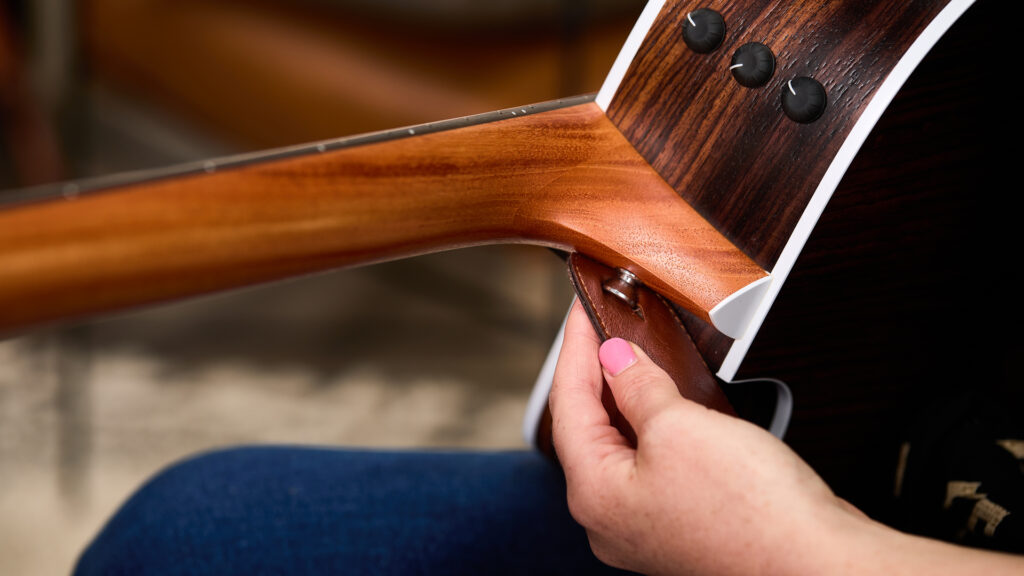
If your guitar lacks a button, installing one can be a useful upgrade. Still, the job requires care. A strap button creates a point of stress, so it must sit in solid wood.
The lower button often goes into the end block at the base of the guitar. The upper button may go into the heel of the neck or a strong part of the body. On an acoustic guitar, drilling into the wrong area can damage internal bracing.
A safe installation usually involves:
-
Choosing a strong mounting location.
-
Marking the position with low-tack painter’s tape.
-
Selecting a drill bit smaller than the screw core.
-
Drilling a shallow pilot hole.
-
Adding a small amount of wax to the screw threads.
-
Tightening the button until it is snug.
-
Avoiding excessive force.
The pilot hole helps prevent the wood from splitting. The screw should fit firmly, but the button should not crush the finish or sink deeply into the body.


If you are unsure, take the guitar to a qualified repair shop. The small cost of installation is usually far less than the cost of repairing a cracked body or loose neck joint.

How to Use Strap Locks for Extra Security
Standard strap buttons can work well, but the strap holes may expand over time. Strap locks create a stronger connection by using a locking mechanism attached to the strap and a matching button on the guitar.
There are two common types:
• Locking systems that replace the original strap buttons
• Simple security washers that fit over standard buttons
To install a locking system, follow the product instructions. Different brands use different screws, washers, and locking methods. Never assume that one screw size fits every guitar.
After installation, pull the strap in several directions. Listen for a clear click if the system uses a locking latch. Check the release button before every performance.
A common lesson from guitar setups is that strap locks are helpful, but they are not magic. A loose screw, worn washer, or damaged strap can still cause a failure. Inspect the entire system, not just the lock.
How to Choose the Correct Strap Length
A guitar strap should let you play with relaxed shoulders and a natural wrist angle. There is no single correct height. Many players set an electric guitar so the body rests around the waist or upper hip.
For a useful starting point:
• Stand while adjusting the strap.
• Keep both hands free to play.
• Set the guitar where your picking hand feels relaxed.


• Make sure your fretting wrist is not sharply bent.
• Keep the instrument stable when you remove one hand.
A very low guitar can look stylish, but it may force your wrist to bend. A very high guitar can feel cramped. Comfort and control matter more than copying a famous player.
If the guitar tilts forward, the strap may be too smooth or too narrow. A wider cotton or suede strap can reduce sliding. A strap with a grippy underside may also improve balance.

Common Mistakes to Avoid
Knowing how do you attach a guitar strap also means knowing what not to do. Small errors can lead to slips, scratches, or serious damage.
• Do not attach only one strap end and assume the guitar will stay safe.
• Do not play with a strap that has torn holes.
• Do not force a strap over a button with a sharp tool.
• Do not use a loose knot near the tuning machines.
• Do not drill a strap button into an unknown location.
• Do not ignore a button that spins or feels loose.
• Do not lift the guitar by the strap before testing it.
• Do not leave the guitar hanging if the strap connection looks weak.
One mistake I often see is testing the strap only while sitting down. Standing changes the angle and tension. Always test the guitar in the same position in which you plan to play.
Another mistake is using a strap that is too narrow for a heavy bass or solid-body guitar. A wider strap spreads the weight across your shoulder and may reduce neck and back strain.

How to Check That the Strap Is Secure
A proper safety check takes less than a minute. Hold the guitar over a bed, couch, or other soft surface while you test it.
Use this checklist:
-
Look at both strap ends.
-
Confirm that each button passes fully through the strap hole.
-
Pull the strap gently away from the guitar.
-
Rotate the guitar slightly from side to side.
-
Check for loose screws or spinning buttons.
-
Watch for strap twisting near either end.
-
Play a few chords while standing.
The guitar should remain stable when you move naturally. If the strap slips even once, stop playing and fix the problem.
You can also inspect the strap every few weeks. Sweat and repeated stretching can weaken leather and synthetic materials. Replace the strap when the holes become loose, even if the outer fabric still looks good.
How to Attach a Guitar Strap for Different Playing Styles
The best setup may change with your playing style. A seated singer-songwriter may need only light support. A standing rock player may need a stronger connection and a wider strap.
For acoustic strumming, choose a comfortable strap with enough length for relaxed arm movement. For electric guitar, consider a strap with a grippy surface if the body tends to slide.
Bass players often benefit from a wide, padded strap. A bass is heavier and can place more pressure on the shoulder. A balanced strap can make long rehearsals much easier.
Classical guitarists should be careful with soundhole straps. Classical instruments may have delicate finishes and different body shapes. A soft contact point and gentle tension are important.
No matter the style, how do you attach a guitar strap should always include a stability check. Movement, sweat, and changing stage positions can expose weak connections.
Benefits and Limits of Different Strap Methods
Each strap method has a practical use. The best choice depends on the instrument, your playing habits, and the value of the guitar.
Two fixed strap buttons
Benefits:
• Strong and simple connection
• Easy to attach and remove
• Works well for regular standing play
Limits:
• Requires proper installation
• May need strap locks for extra security
Headstock tie
Benefits:
• Does not require a second body button
• Works well for many acoustic guitars
• Easy to remove
Limits:
• Can affect balance
• May touch the finish
• Can interfere with tuning if placed poorly
Soundhole strap
Benefits:
• Useful for guitars without buttons
• Does not require permanent changes
• Convenient for occasional use
Limits:
• May move during active playing
• Can put pressure near the soundhole
• May not suit every guitar shape
Understanding these tradeoffs makes how do you attach a guitar strap a safer and more informed decision.
Expert Tips for Comfort and Guitar Safety
A strap should support the guitar without fighting your body. Keep your shoulders level and avoid raising your picking shoulder to hold the instrument in place.
Choose a strap made from material that feels comfortable against your neck. Cotton can feel soft and breathable. Leather may last a long time but can feel stiff when new. Synthetic materials are often easy to clean and come in many widths.
Keep the strap away from sharp edges and rough hardware. These areas can slowly cut through the strap hole. Store the strap flat or loosely rolled, and keep it away from damp spaces.
If a guitar has a nitrocellulose finish, be cautious with unknown strap materials and rubber products. Some materials can react with certain finishes over time. Use a strap known to be finish-safe, and follow the guitar maker’s care guidance.
Frequently Asked Questions About How Do You Attach a Guitar Strap
How do you attach a guitar strap to an electric guitar?
Place one strap end over the bottom strap button and the other over the button near the neck joint or upper horn. Pull both ends gently to confirm they are fully seated before playing.
How do you attach a guitar strap to an acoustic guitar?
If the acoustic guitar has two buttons, attach the strap to both in the same way as an electric guitar. If it has one button, attach the second end to a headstock tie or acoustic strap adapter.
Can you attach a guitar strap without drilling?
Yes. You can use a soundhole strap, headstock tie, or adhesive adapter. These options are useful, but they may not provide the same stability as properly installed strap buttons.
Should the strap go over your left or right shoulder?
Most right-handed players wear the strap over the left shoulder so the guitar rests across the body. Left-handed players often use the right shoulder, but comfort and playing position should guide your choice.
Are strap locks worth using?
Strap locks can be worthwhile for active players, heavy guitars, and frequent performances. They add security, but you still need to inspect the screws, lock, buttons, and strap for wear.
How tight should a guitar strap be?
The strap should hold the guitar at a comfortable height without forcing your shoulders or wrists into an awkward position. Adjust it while standing and test your normal playing posture.
Why does my guitar strap keep coming off?
The strap hole may be stretched, the button may be loose, or the strap may not be fitted fully over the button. Replace worn strap ends and consider security washers or strap locks.
Conclusion
Attaching a guitar strap is easy when you match the method to the instrument. Use both strap buttons when available, a headstock tie or adapter for many acoustic guitars, and a soundhole strap when permanent changes are not suitable.
Check the strap ends, test the connection while standing, and fix loose or worn parts before playing. Take a moment to set the right height, then practice how do you attach a guitar strap until the process feels automatic. Explore more guitar care guides, and share your own strap setup or safety tip in the comments.

Senior Music Reviewer
Alex Carter is a seasoned music reviewer with over a decade of experience in the world of sound and instruments. Passionate about helping musicians and enthusiasts make informed choices, he brings sharp insights and in-depth knowledge to every review. From classical instruments to modern gear, Alex combines technical expertise with a love for music to deliver content that resonates with readers.
As a Senior Music Reviewer and expert author on Tuneluma.com, Alex is dedicated to sharing honest evaluations, practical advice, and thoughtful commentary to guide readers in their musical journey.