What Age To Start Piano Lessons: Best Age Guide
Most children are ready around ages 5–7, but individual readiness matters more than a number.
I’ve taught piano for over a decade and worked with beginners from toddlers to retirees, so I know that choosing what age to start piano lessons is both a science and an art. This guide walks through developmental signs, practical steps, benefits, challenges, and real-life tips to help parents and learners decide when to begin piano lessons and how to make that start successful.
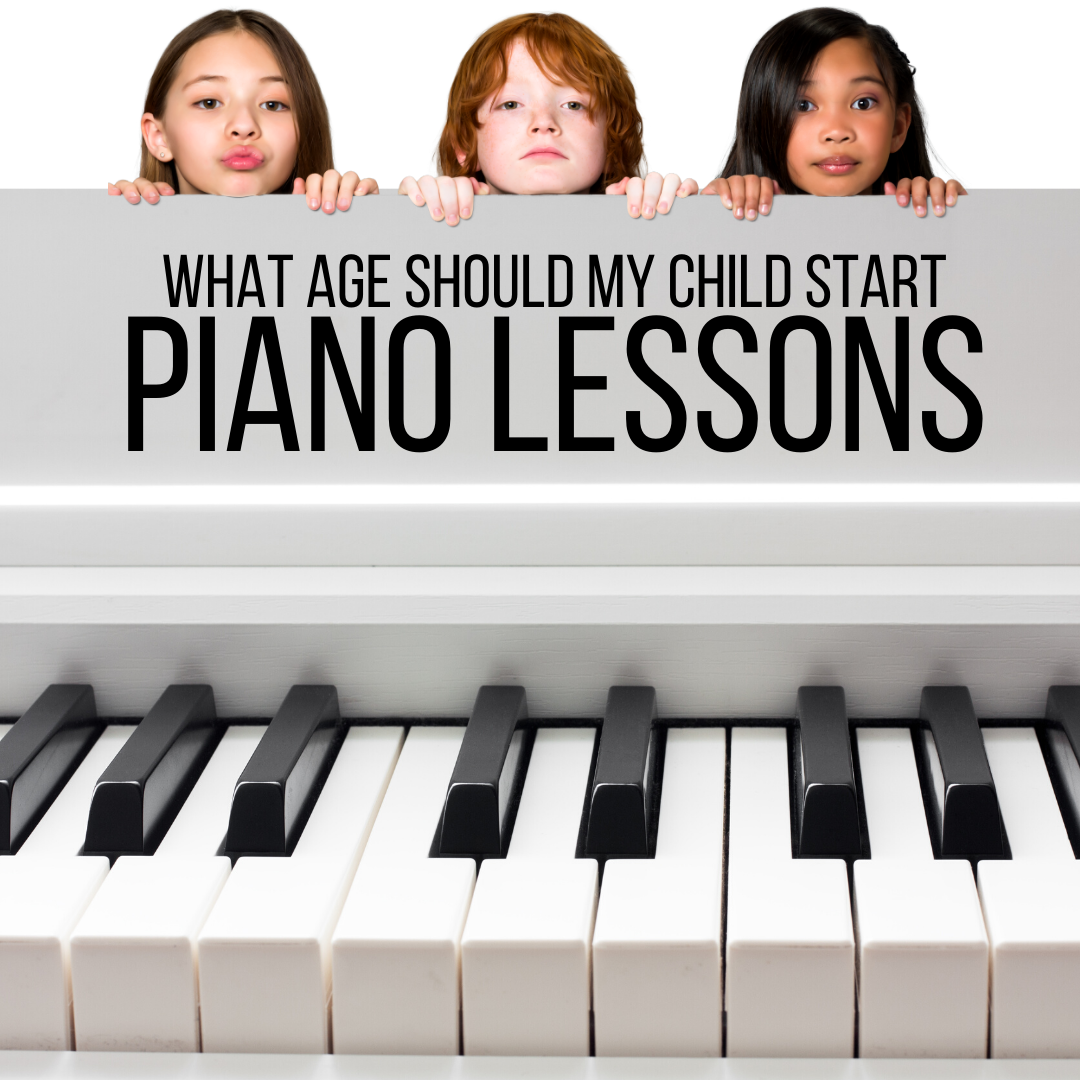
How to decide what age to start piano lessons
Choosing what age to start piano lessons comes down to readiness, not just a birthday. Watch for focus, fine motor control, and interest.
Research in child development and music education supports starting formal lessons when a child can sit, follow simple instructions, and show curiosity about sound.
Practical checklist to decide readiness:
- Can the child sit for 10–20 minutes and follow simple directions?
- Can they use fingers independently and press keys deliberately?
- Do they ask to play or respond positively to musical games?
If most answers are yes, it’s a good time to begin structured lessons.
Source: chambersmusicstudio.com
Developmental milestones by age for piano lessons
Different ages bring different strengths. Below are common milestones tied to good times to start piano.
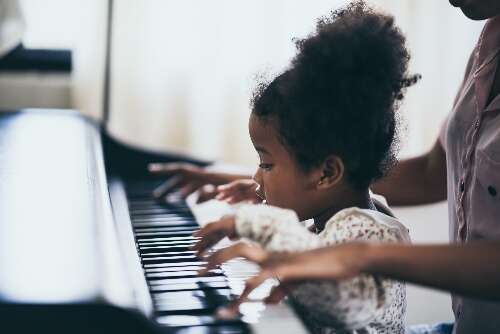
Preschoolers (3–4 years)
- Strengths: Big enthusiasm and quick imitation.
- Limits: Short attention spans and immature fine motor skills.
Lessons for this age should be play-based, short (10–15 minutes), and focus on listening and rhythm.
Early elementary (5–7 years)
- Strengths: Better finger control, longer attention, and growing reading ability.
- Limits: Still-developing hand independence.
This is the most common age range for starting formal lessons and often where steady progress begins.
Middle childhood (8–12 years)
- Strengths: Stronger reading, logic, and practice habits.
- Limits: May need more structured motivation.
Kids this age can learn theory, reading, and technique faster and often enjoy recitals.
Teens and adults
- Strengths: Mature attention span, motivation, and self-directed practice.
- Limits: Possible life demands and slower neuroplasticity for some motor skills.
Older beginners often progress quickly because they can understand abstract concepts and set goals.
I’ve seen excellent beginners start at 5 and at 55; age matters less than consistent, well-structured practice.
Benefits of starting early — and why timing matters
Starting at the right time offers clear benefits but rushing in too early can backfire.
Benefits
- Strong neural connections form with early music training, aiding listening and coordination.
- Early lessons build routine and discipline.
- Children who begin at a good age often read music and develop technique faster.
Why timing matters
- Start too early and lessons feel like work, causing burnout.
- Wait too long and you may miss a window for easiest motor learning.
Balance is key: readiness and teacher approach matter as much as the age itself.
Source: chambersmusicstudio.com
Limitations and common challenges
Even with the right start, challenges appear. Expect and plan for them.
Common challenges
- Short attention spans at younger ages.
- Irregular practice habits and low motivation.
- Physical issues like small hands making certain stretches hard.
- Logistics: scheduling, travel, and lesson costs.
How to handle them
- Use short, fun sessions for young kids.
- Set a simple practice plan with small goals.
- Choose repertoire and exercises suited to hand size.
- Reassess teacher fit if progress stalls.
I once had a 4-year-old lose interest until lessons switched to rhythm games. Tailoring the approach fixed the problem quickly.

How to start piano lessons: practical steps
Follow clear steps to get started smoothly, whether your child is 4 or 40.
- Assess readiness
- Use the checklist in the “How to decide” section.
- Find the right teacher
- Look for experience with the learner’s age and a teaching style that fits personality.
- Choose an instrument
- A weighted keyboard or acoustic piano is best. For very small children, a smaller bench or cushions help posture.
- Set a practice plan
- Start small: 5–10 minutes daily for preschoolers, 15–30 minutes for elementary students, and 30–60 minutes for teens and adults.
- Keep lessons fun
- Use games, simple repertoire, and regular praise.
Personal tip: Meet prospective teachers and ask for a trial lesson. A good match matters more than a teacher’s credentials alone.
Practice strategies by age
Tailor practice to cognitive and motor skills for faster gains.
Preschoolers
- Short sessions with games and songs.
- Focus on rhythm, listening, and hand placement.
Ages 5–7
- Mix simple songs, basic reading, and fun technical drills.
- Reward small milestones to build confidence.
Ages 8–12
- Introduce theory, scales, and sight-reading in structured blocks.
- Use a practice log to track progress.
Teens and adults
- Set clear goals and use focused, deliberate practice.
- Break sessions into warm-up, technique, repertoire, and review.
Consistency beats long sessions. Small daily efforts add up faster than rare marathon practices.
Choosing the right teacher and curriculum
A skilled teacher makes the age question easier to answer.
What to look for
- Experience with the learner’s age group.
- Clear goals, structured lesson plans, and progress tracking.
- Ability to adapt lessons to learning style.
Ask these questions when interviewing teachers
- How do you teach beginners of this age?
- What does a typical lesson look like?
- How do you keep students motivated?
My experience: teachers who mix structure with play get the best long-term results for young beginners.

PAA-style questions (people also ask)
What if my child is eager at age 3?
Let them explore music informally. Offer musical toys and short, playful sessions, but delay formal lessons until they show consistent focus.
Can I start lessons without a piano at home?
Yes. A basic 61-key keyboard helps, but consistent access to a weighted keyboard or acoustic piano speeds progress.
How long until a beginner sees progress?
With regular practice, young beginners show basic songs in 3–6 months. Visible technique and reading improvements often take 6–12 months.
Is group class okay for starters?
Group classes work well for early ages to build rhythm and social motivation, but a private teacher is best for individual technique.
What if my child hates practice?
Change the approach: shorter sessions, prizes for small goals, and repertoire they choose can revive interest.
Frequently Asked Questions of what age to start piano lessons
What age is best to start piano lessons for children?
Most students do very well when starting between ages 5 and 7 because they have growing fine motor skills and attention span. However, readiness signs are more important than a specific age.
Can toddlers learn piano at age 3?
Toddlers can enjoy music and build basic skills through play-based activities, but formal lessons at age 3 should be very short and game-like. Formal instruction usually waits until the child shows sustained focus.
Is it too late to start piano as a teen or adult?
It is not too late. Teens and adults often progress quickly because of focus and motivation. Many adults achieve strong musical skills with steady practice and good instruction.
How much practice is needed for beginners?
Young beginners benefit from 5–15 minutes daily at first, building to 20–45 minutes as they grow. Consistency matters more than duration.
What should I expect in the first six months of lessons?
Expect basic posture, simple songs, and early note reading. Progress includes improved listening, rhythm, and comfort at the keyboard.
How do I choose between a teacher and online lessons?
A good teacher offers tailored feedback and motivation; online lessons add flexibility and resources. Combine both if possible for the best results.
Will starting early make my child a professional musician?
Starting early can help, but becoming a professional depends on many factors: dedication, quality instruction, opportunities, and personal goals. Early start is one advantage, not a guarantee.
Conclusion
Deciding what age to start piano lessons comes down to readiness, motivation, and the right teaching approach. Watch for focus, fine motor skill, and curiosity, and match lessons to the learner’s age and personality. Start small, stay consistent, and choose teachers who adapt to the student. If you’re ready, take the next step: try a trial lesson, set a short practice plan, and make music part of daily life. Share your experiences, ask questions below, or subscribe for more tips on beginning piano lessons and teaching strategies.

Senior Music Reviewer
Alex Carter is a seasoned music reviewer with over a decade of experience in the world of sound and instruments. Passionate about helping musicians and enthusiasts make informed choices, he brings sharp insights and in-depth knowledge to every review. From classical instruments to modern gear, Alex combines technical expertise with a love for music to deliver content that resonates with readers.
As a Senior Music Reviewer and expert author on Tuneluma.com, Alex is dedicated to sharing honest evaluations, practical advice, and thoughtful commentary to guide readers in their musical journey.