How To Play Tongue Drum: Step-By-Step Beginner Guide
You can learn how to play tongue drum by striking tuned tongues with mallets or fingers to make pleasant melodies.
I have taught and played the tongue drum for years, and I’ll guide you step by step on how to play tongue drum with clarity and ease. This article covers choosing an instrument, basic technique, rhythm, tuning, practice plans, advanced moves, care tips, and mistakes to avoid. Read on to get practical, experience-backed advice that helps you start playing right away and grow into a confident, expressive player.

Basics of the tongue drum and how to play tongue drum
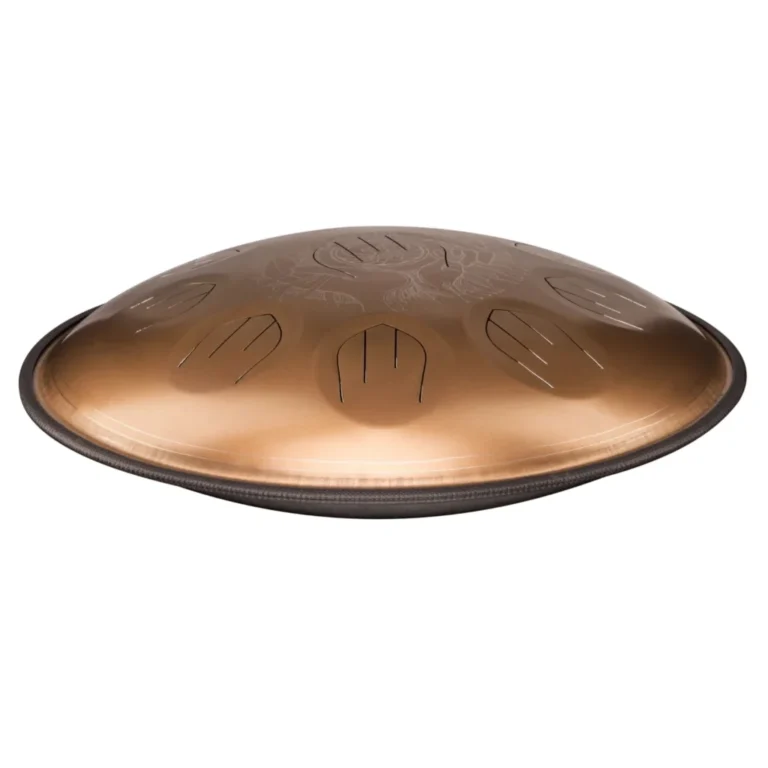
A tongue drum is a steel percussion instrument with cut tongues that ring at specific pitches. It is safe for beginners and advanced players because each tongue is tuned to a note. Learning how to play tongue drum is mainly about hitting the right tongue at the right time and listening closely.
Key facts to know about how to play tongue drum
- Each tongue is a different pitch and usually labeled or arranged in a scale.
- You can play with soft mallets or bare fingers.
- The drum is tuned to a scale, like pentatonic, major, or minor, which helps music sound good with few mistakes.
Personal note: my first tongue drum was a 6-note pentatonic. I learned songs fast because the scale reduced wrong notes. That early success kept me motivated to practice and explore more scales.
Choosing a tongue drum and mallets to learn how to play tongue drum
Pick the right drum to make learning smooth. Size, number of tongues, and tuning matter.
What to look for when choosing
- Number of tongues: 6, 8, 10, or 12 notes. More notes give more options.
- Scale: pentatonic is best for beginners because it sounds good with simple patterns.
- Build quality: solid welds, even finish, and clear note labeling help learning.
- Price vs quality: a mid-range drum often gives the best sound for practice.
Mallet types and how they affect sound
- Soft rubber mallets: warm, round sound. Great for gentle playing.
- Hard rubber or silicone mallets: brighter attack and clearer note definition.
- Fingers: quieter, intimate tone. Use for subtle dynamics.
I recommend starting with an 8-note pentatonic drum and medium-soft mallets. This combo helped my students learn rhythm and melody quickly.

Tuning, scales, and note layout for how to play tongue drum
Understanding tuning helps you make music that sounds right. Most beginner drums come tuned from the factory.
Common tunings and layouts
- Pentatonic major: forgiving and melodic for beginners.
- Diatonic (major/minor): gives full scales and more song options.
- Custom tunings: used for experimental or world music styles.
How to read the note layout
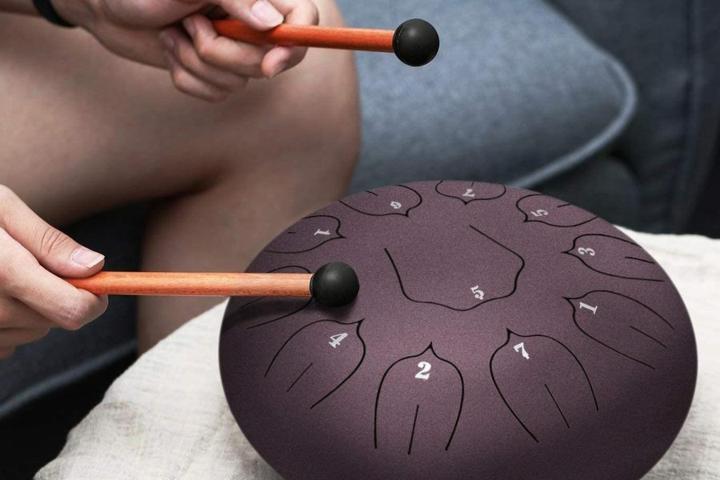
- Notes are usually arranged in a circle or grid.
- Center tongues often hold the root note.
- Look for numbers or letter labels under each tongue to map melodies.
Practice tip: play simple scales up and down slowly to memorize the layout. I mapped my own finger chart and taped a small guide under the drum for quick reference.

Basic playing techniques: the core of how to play tongue drum
Start with simple actions. Clean technique builds good tone.
How to strike
- Hold mallet near the end for a lighter sound.
- Strike near the middle of a tongue for full tone.
- Rebound the mallet quickly; do not hold it on the tongue.
Finger technique
- Use your fingertip or soft pad.
- Pull the finger slightly away after contact for a clear note.
- Practice single strokes and doubles.
Dynamics and tone control
- Vary striking force to control volume.
- Use palm muting for softer tone by touching the tongue edge lightly after strike.
Step-by-step beginner exercise
- Sit comfortably with the drum in front of you.
- Play the root note on beat one for four measures.
- Add a second note on beat three to create a simple pattern.
- Repeat and swap notes to build familiarity.
I taught a 7-year-old to play a full song in three lessons using these basics. The key is short daily practice and patient repetition.

Rhythm, groove, and songs: applying how to play tongue drum in music
Playing melodies is only part of it. Rhythm makes music move.
Simple rhythm ideas
- Pulse: strike one note each beat to set tempo.
- Ostinato: repeat a short phrase under a melody.
- Call and response: play a phrase, then play a phrase that answers.
Song-building steps
- Pick two or three notes to create a motif.
- Use a steady rhythm as a backbone.
- Add fills and syncopation once you feel comfortable.
Practice example: play a 4/4 groove using root on beat one, fifth on beat three, and a filling note on two and four. That creates a musical base for a melody.

Practice routines and exercises to master how to play tongue drum
Good practice is short and focused. Aim for consistency over length.
Daily practice plan (20 minutes)
- 5 minutes: warm-up single notes and scale runs.
- 10 minutes: rhythm and groove exercises.
- 5 minutes: learn a song or improvise.
Specific exercises
- Metronome drills: play single notes on each click.
- Pattern building: create 4-beat phrases and vary them.
- Ear training: play a note and match pitch with your voice.
My routine: 15 minutes every day improved my timing and tone faster than weekend marathons. Small gains add up.

Advanced techniques and expression for how to play tongue drum
As you progress, explore tone color and phrasing.
Advanced ideas
- Harmonic layering: play chords with mallets simultaneously.
- Roll and tremolo: alternate hands quickly for sustained sound.
- Dynamics curve: shape phrases by gradual volume changes.
Improvisation tips
- Use scale fragments as motifs.
- Repeat and vary a motif to build a solo.
- Leave space; silence is musical.
Lesson learned: advanced players focus on mood and touch more than speed. I often slow down when composing to hear subtle colors in the drum.

Care, maintenance, and travel tips when you want to play tongue drum anywhere
A well-kept drum sounds better and lasts longer.
Basic care
- Wipe down after play to remove oils.
- Store in a padded bag or case.
- Avoid extreme heat or moisture.
Tuning and repairs
- Minor dents can change tone; avoid dropping the drum.
- Professional retuning or servicing may be needed for serious damage.
Travel tips
- Use foam padding inside a hard case.
- Carry spare mallets.
- Check local climate; steel can react to humidity.
I once left a drum in a hot car and noticed pitch drift after a week. Quick care prevented long-term issues.

Common mistakes and troubleshooting when learning how to play tongue drum
Avoid these errors to speed up progress.
Frequent mistakes
- Hitting the edge of the tongue instead of the center; this yields dull sound.
- Using too much force; this crushes tone and control.
- Skipping slow practice in favor of flashy runs.
Quick fixes
- Slow down and focus on clean hits.
- Use a metronome for steady time.
- Practice with fingers for touch control.
If a note sounds dead, check for dents or loose seams. If the drum buzzes, inspect for foreign objects under tongues.
Frequently Asked Questions of how to play tongue drum
What is the easiest way to start learning how to play tongue drum?
Start with a pentatonic drum and soft mallets. Play slow, simple rhythms and build from there.
Do I need music theory to play tongue drum?
No. Basic theory helps but is not required. The tuned layout and scales make it easy to play musically without formal study.
Can I play songs from other instruments on a tongue drum?
Yes. Many songs transfer if the drum has the needed notes. You may need to adapt melodies to the drum’s scale.
How long does it take to sound good on a tongue drum?
With daily 15–20 minute practice, you can play pleasant tunes in weeks. Mastery takes months to years, depending on goals.
Should I use mallets or fingers when learning how to play tongue drum?
Start with mallets for clear tone and reach. Add finger techniques later for softer, expressive sounds.
Can a tongue drum be tuned or retuned at home?
Minor adjustments may be possible, but full retuning usually needs a skilled technician. Avoid aggressive DIY tuning without experience.
Is the tongue drum good for meditation and therapy?
Yes. Many therapists use tongue drums for relaxation and focus because of their calm, resonant tones.
Conclusion
You now have a clear roadmap for how to play tongue drum: pick a friendly drum, learn clean strikes, build simple rhythms, and practice short sessions every day. Start small, stay curious, and focus on tone and timing over speed. Try one focused habit this week—like a daily 10-minute scale and rhythm drill—and watch your skill grow. If this guide helped, leave a comment, ask a question, or subscribe for more practical music tips.

Senior Music Reviewer
Alex Carter is a seasoned music reviewer with over a decade of experience in the world of sound and instruments. Passionate about helping musicians and enthusiasts make informed choices, he brings sharp insights and in-depth knowledge to every review. From classical instruments to modern gear, Alex combines technical expertise with a love for music to deliver content that resonates with readers.
Similar Posts
Best Brand For Electronic Drums: Top Drum Brands
Compare the best brand for electronic drums and find the right kit for your sound, budget, and playing style. See top picks and expert tips.
How To Tune A Bass Drum: Easy Pro Tips For Punchy Sound
Learn how to tune a bass drum quickly with pro techniques for deeper tone, more punch, and easy setup. Step-by-step tips for drummers of all levels.
Best Drum Set For Kids: Top Picks For Young Drummers
Find the best drum set for kids with safe, durable, beginner-friendly options and budget picks to spark musical growth.
What Is A Tongue Drum: Beginner Guide To Sound Healing
Learn what is a tongue drum, how it works, and which model fits you – simple tips, sound samples, and buying advice to start playing today.