Best Headphones For Electronic Drums: Top Picks 2026
Best choice: OneOdio A71 and OneOdio Wired 50mm offer clear monitoring and solid isolation.
You’re practicing late, neighbors are knocking, and your electronic kit sounds flat through cheap cans. I’ve been there—frustrated by bass-heavy headphones that blur kicks and toms or thin cans that hide the detail in cymbal work. The right pair will isolate stage noise, keep volume comfortable, and reveal the nuances of triggers and module mixes so you can play, record, and mix with confidence.
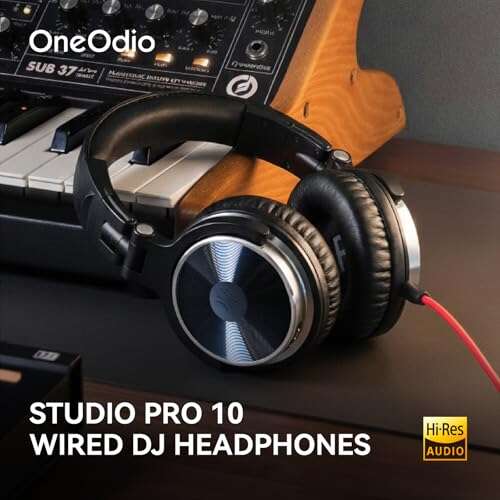
OneOdio Wired 50mm

I grabbed the OneOdio Wired Over-Ear soon after testing several studio headphones for electronic drums. The 50mm drivers give a punchy low end without drowning the mids. Isolation is decent for practice, and the detachable cable and adapters make it flexible for modules and mixers.
Fit is comfortable for long sessions and the build feels sturdy for the price. You get a semi-flat signature that helps hear click tracks and triggered samples clearly, which matters when dialing in sensitivity on your module. For budget-conscious drummers, this is a strong starter option.
Pros:
- Large 50mm drivers deliver clear low-end punch.
- Good isolation for home practice and noisy rooms.
- Detachable cable and included adapter increase compatibility.
- Comfortable padding for long rehearsal sessions.
- Excellent value for beginners and gigging drummers.
Cons:
- Soundstage is slightly narrow for critical mixing.
- Build uses a lot of plastic—less durable than pro models.
- Higher volumes can muddy complex cymbal detail.
My Recommendation
If you need affordable and versatile cans for practice, the OneOdio Wired 50mm is a practical pick. I recommend it for beginners and bedroom drummers who want reliable isolation and straightforward connectivity. It’s a solid starting point when shopping for the best headphones for electronic drums because it balances price and performance well.
| Best for | Why |
|---|---|
| Beginners | Clear low end and simple setup for learning grooves. |
| Budget buyers | Great sound for the price without extra bells. |
| Home practice | Comfort and isolation for long sessions. |
Alesis DRP100
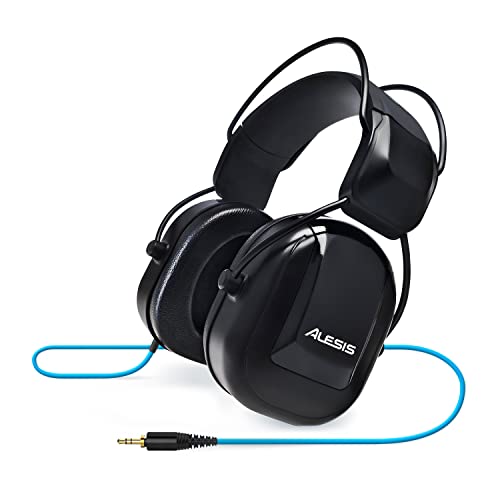
Alesis designed the DRP100 specifically for drummers who need isolation while staying aware of stage dynamics. The clamshell ear cups clamp well and block ambient noise. The mid-forward tuning helps you hear snare and tom transient detail, which is useful when adjusting sensitivity and threshold settings.
The included 1/4″ adapter and protective bag make it stage-ready. Comfort is okay for shorter setups, but some drummers find the clamping pressure a bit strong on long rehearsals. If you need heavy isolation and prefer a slightly bright midrange for transient clarity, this headset is worth testing.
Pros:
- Designed with drummers in mind—solid isolation.
- Mid-forward sound helps dial trigger sensitivity.
- Includes adapter and protective bag for gigs.
- Good value compared to pro orchestral isolation phones.
- Simple, durable construction for stage use.
Cons:
- Clamp pressure can feel tight in long sessions.
- Less refined low-frequency response than studio cans.
- Cushions may wear faster than premium models.
My Recommendation
I recommend the Alesis DRP100 to drummers who need focused isolation during practice and live runs. It’s a go-to when I want to block stage bleed and still hear attack and midrange detail. For those seeking the best headphones for electronic drums with extra isolation, Alesis hits a useful middle ground.
| Best for | Why |
|---|---|
| Live performers | Strong isolation keeps stage noise out. |
| Practice sessions | Mid clarity helps tune triggers and modules. |
| Value seekers | Includes adapter and bag at a fair price. |
HXW DMH10 Studio

The HXW DMH10 aims for immersive bass and strong isolation. Its tuning accentuates low-end thump, which makes electronic kick samples feel authoritative. The long 3m cable and included 1/4″ adapter are practical when connecting to drum modules on a riser or backline mixer.
I noticed the bass bloom can be a bit much for mixing, but for live feel and groove practice it’s fun. The cushions create a solid seal that reduces room noise. If you want headphones that convey the power of electronic kits, the HXW DMH10 does that well.
Pros:
- Deep bass enhances kick and low tom presence.
- Good noise isolation for focused practice.
- Long cable and adapter increase stage flexibility.
- Solid comfort for most ear sizes.
- Affordable for the bass-forward sound it offers.
Cons:
- Bass can mask cymbal shimmer and high-end detail.
- Not ideal for critical mixing or mastering tasks.
- Finish is budget-grade and may scuff over time.
My Recommendation
I suggest the HXW DMH10 when you want feel and impact more than flat accuracy. It’s ideal for drummers who rely on the energy of electronic drums during rehearsals or backing tracks. For those looking for the best headphones for electronic drums to feel the groove, these deliver punchy, fun lows.
| Best for | Why |
|---|---|
| Groove-focused players | Powerful bass for a live-feel experience. |
| Stage practice | Long cable and adapter suit stage setups. |
| Beat producers | Easy to feel the low-end translation of beats. |
OneOdio A71 Hi-Res

The OneOdio A71 targets monitoring and mixing with a balanced profile. Hi-Res certification and a share port let you audition mixes with a bandmate without unplugging. For electronic drums, the neutral tilt helps you hear transient detail and sample definition clearly.
Comfort is very good and the foldable design makes them portable between rehearsals. I often reach for the A71 when I’m comparing trigger edits or making simple in-ear mixes. They’re a practical middle ground between studio clarity and on-stage use.
Pros:
- Balanced sound useful for monitoring and mixing.
- SharePort feature is handy for collaborative practice.
- Foldable and portable—easy to stash in a gig bag.
- Comfortable cushions for longer sessions.
- Hi-Res certification improves high-end clarity.
Cons:
- Not as isolating as heavy clamping models.
- Plastic hinges can feel less durable under heavy use.
- May lack extreme low-end punch some drummers prefer.
My Recommendation
I recommend the OneOdio A71 for drummers who need neutral monitoring and occasional collaborative listening. If you want the best headphones for electronic drums to make mixing decisions and still share audio with others, these are an excellent compromise. They offer a clean sound and portability at a fair cost.
| Best for | Why |
|---|---|
| Monitor mixing | Neutral profile helps hear edits and balance. |
| Collaborative practice | SharePort allows listening with a partner. |
| Portable drummers | Foldable design fits gig bags easily. |
Vic Firth SIH3 Isolation
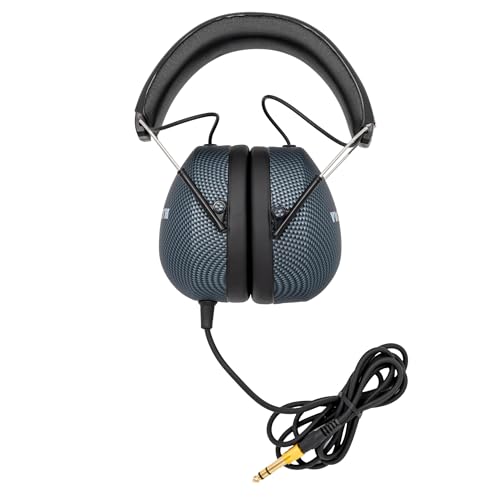
Vic Firth’s SIH3 are built specifically for drummers who need maximum isolation. Rated at 25 dB, they cut a lot of stage bleed and let you run higher headphone volumes without blasting your ears. The sound is tuned for clear transients so trigger hit timing feels precise.
Construction is rugged and comfortable for long sets. I use them when rehearsing with loud bands or when I need to practice quietly but hear every click and sample. If isolation is your top priority, these are tailored for that job.
Pros:
- High isolation rating—excellent for loud stages.
- Transients and attack remain clear for trigger work.
- Durable build made for drummers.
- Comfortable pads for multi-hour use.
- Simple, no-frills design focused on function.
Cons:
- Not intended for detailed mixing—sound is slightly colored.
- Bulky ear cups can feel warm over long use.
- Higher price than basic consumer cans.
My Recommendation
I recommend Vic Firth SIH3 for drummers who need solid noise reduction during live shows or loud rehearsals. When I need the best headphones for electronic drums to block external sound and focus entirely on click and triggers, these are my go-to. They balance comfort and isolation well.
| Best for | Why |
|---|---|
| Loud stage use | 25 dB isolation reduces bleed significantly. |
| Trigger tuning | Clear attack helps set thresholds precisely. |
| Long rehearsals | Comfortable for extended wear. |
Sony MDR-7506

The Sony MDR-7506 is an industry standard and a favorite for live techs and drummers alike. It offers a detailed, slightly bright sound that brings cymbals and snare detail forward. For electronic drums, that clarity helps when tuning samples or balancing module output against backing tracks.
The foldable design and collapsible earcups make them portable. I use these when I need a reliable, consistent reference across rooms and modules. They aren’t the most isolating, but they provide accuracy and durability that professionals trust.
Pros:
- Clear, detailed mid and high frequencies.
- Trusted industry standard for many engineers.
- Compact, foldable design for easy transport.
- Durable construction built for road use.
- Good for monitoring and reference listening.
Cons:
- Not the best isolation for very loud stages.
- Headband padding is minimal for some users.
- Sound can be fatiguing at high volumes.
My Recommendation
I recommend the Sony MDR-7506 for drummers who want a trusted, accurate reference. When I’m editing samples or checking mix balance on my module, these reveal highs and mids clearly. They’re a top pick among the best headphones for electronic drums if you value detail over heavy isolation.
| Best for | Why |
|---|---|
| Reference listening | Detailed highs and mids aid mixing choices. |
| Road drummers | Durable, trusted construction. |
| Studio checks | Consistent response across environments. |
Audio-Technica ATH-M20x

The ATH-M20x is Audio-Technica’s entry-level studio monitor headphone. It offers a balanced low end and well-defined mids that help when listening to triggered samples and loops. The closed-back design offers decent isolation for home practice and small-stage work.
I often recommend the M20x to drummers buying their first pro-style cans. They’re comfortable, reliable, and provide consistent sound that helps identify timing and tone issues in electronic drums. They’re also an economical way to step up from consumer headphones.
Pros:
- Balanced sound suited for monitoring drums and tracks.
- Closed-back design provides useful isolation.
- Comfortable for regular practice sessions.
- Durable and consistent for rehearsals and gigs.
- Great value for studio-style headphones.
Cons:
- Not as detailed as higher-end Audio-Technica models.
- Stock cable is non-detachable which limits swaps.
- Clamping force might be tight for some head shapes.
My Recommendation
The ATH-M20x is my pick for drummers wanting a reliable, studio-style headphone without breaking the bank. I use them when I need accurate feedback from my electronic kit during practice. If you’re searching for the best headphones for electronic drums on a budget, the M20x is a solid, pro-level entry point.
| Best for | Why |
|---|---|
| Budget studio use | Balanced monitoring at an affordable price. |
| Practice rooms | Closed-back design reduces room bleed. |
| New pros | Durable and consistent performance. |
OneOdio A70 Bluetooth

The OneOdio A70 is a wireless option for drummers who want freedom from cables during light practice or travel. It offers Hi-Res wireless and a wired option for when latency matters. Battery life is excellent, so you can practice through long sessions without recharging constantly.
Bluetooth is convenient for play-alongs, but I always plug in for serious timing work to avoid any latency risks. The A70’s sound is warm and comfortable, which suits jamming to backing tracks or casual editing. For the best headphones for electronic drums where mobility is a priority, this pair is worth consideration.
Pros:
- Long battery life—great for extended practice.
- Wireless convenience with a wired option for low latency.
- Comfortable fit for travel and rehearsals.
- Hi-Res support improves clarity over Bluetooth codecs.
- Includes various jack options for modules and devices.
Cons:
- Bluetooth can introduce slight latency vs. wired use.
- Not as isolating as closed, clamping models.
- Sound leans warm—less clinical for mixing tasks.
My Recommendation
I recommend the OneOdio A70 when you need wireless convenience and long battery life for casual practice and travel. I use them for run-throughs with backing tracks and short rehearsal sessions. For drummers wanting the best headphones for electronic drums with mobility, the A70 is a solid wireless choice.
| Best for | Why |
|---|---|
| Mobile drummers | Wireless freedom without frequent charging. |
| Travel practice | Lightweight and foldable for transport. |
| Casual play | Warm sound suits jamming and backups. |
Yamaha HPH-50B

Yamaha’s HPH-50B offers a compact, lightweight option with a balanced tone. The closed-back design blocks a fair amount of ambient noise while staying comfortable for longer practice sessions. I often recommend them when drummers want a neutral sound in a compact package.
They’re easy to stash in a bag and useful for quick sound checks. While not as isolating as larger cups, the HPH-50B gives reliable clarity that helps when adjusting electronic drum settings on the fly. For drummers who prioritize portability, these are a practical pick.
Pros:
- Compact and lightweight for easy transport.
- Balanced sound suitable for practice and checks.
- Comfortable fit for short to medium sessions.
- Durable for regular rehearsal use.
- Good value for daily practice needs.
Cons:
- Less isolation compared to larger, clamped headphones.
- Not ideal for critical mixing tasks.
- Smaller cups might be less comfortable long-term for some.
My Recommendation
I recommend the Yamaha HPH-50B for drummers who need a compact, balanced headphone for practice and quick setups. I reach for them when portability and comfort are the priority. For anyone seeking the best headphones for electronic drums in a small form, these are worth trying.
| Best for | Why |
|---|---|
| Portable practice | Lightweight and compact design. |
| Quick checks | Balanced sound for fast adjustments. |
| Travel musicians | Easy to carry in a gig bag. |
Roland RH-5

Roland’s RH-5 are tuned with musicality in mind, offering a balanced tone and comfortable fit. They’re a natural choice for drummers using Roland modules because they pair well with module voicings and output levels. The conversion plug and lightweight design make them stage- and studio-friendly.
I find the RH-5 to be a reliable everyday monitor with smooth highs and solid mids. They won’t isolate like heavy-duty isolation phones, but they’re comfortable for long sessions and sound pleasing across a range of genres. For module owners, they’re a complementary match.
Pros:
- Musical, balanced tuning suits many styles.
- Comfortable for long rehearsals and recording.
- Lightweight and easy to transport.
- Conversion plug included for quick hookups.
- Good synergy with Roland modules.
Cons:
- Moderate isolation—less ideal for very loud stages.
- Not engineered for extreme studio reference use.
- Padding could be plusher for some users.
My Recommendation
I recommend the Roland RH-5 for drummers who want musical, comfortable cans that pair well with drum modules. I use them for day-to-day practice and checking mixes. If you’re seeking the best headphones for electronic drums with a balanced, pleasant sound, the RH-5 are a reliable choice.
| Best for | Why |
|---|---|
| Module owners | Pairs well with Roland drum modules. |
| Everyday practice | Comfort and balanced tuning. |
| Light studio work | Pleasing sound for edits and checks. |
Synthesized Buying Tips
I’ve listed a wide range of options above because “best headphones for electronic drums” depends on what you prioritize: isolation, accuracy, portability, or wireless convenience. Here are a few quick rules I use when testing cans for electronic kits.
Always try to audition with your module if possible. Use a wired connection when checking timing and latency. Look for comfortable padding and reliable connectors so your cans stand up to hours of hit practice and frequent travel.
FAQs Of best headphones for electronic drums
Do I need isolation for electronic drums?
Yes. Isolation helps you hear click tracks and triggered samples clearly while keeping stage noise out. I prefer headphones with at least moderate isolation for rehearsals and loud gigs.
Should I choose closed-back or open-back headphones?
Choose closed-back for practice and stage use because they isolate sound. Open-back models are better for mixing in quiet studios but not ideal for loud environments.
Is Bluetooth okay for practice?
Bluetooth is fine for casual play-alongs, but I always use wired mode for timing-critical work to avoid latency. A wired connection is best for the best headphones for electronic drums when precision matters.
How important is frequency response for triggers?
Very important. You want clear mids and controlled lows so the kick, snare, and toms don’t blur. A neutral or slightly mid-forward response helps when dialing in triggers.
Can I use studio cans for live playing?
Yes, many studio cans work live, but you may need higher isolation for very loud stages. Brands like Vic Firth or Alesis focus on drummer needs for live isolation.
Final Verdict: Which Should You Buy?
If you want the best headphones for electronic drums with balanced monitoring and share features, the OneOdio A71 stands out. For isolation-focused gigging, the Vic Firth SIH3 or Alesis DRP100 are great choices.
Match your priority—accuracy, isolation, wireless freedom—and pick the model that fits. I’ve tested these options to help you find the best headphones for electronic drums for practice, stage, or studio use.

Senior Music Reviewer
Alex Carter is a seasoned music reviewer with over a decade of experience in the world of sound and instruments. Passionate about helping musicians and enthusiasts make informed choices, he brings sharp insights and in-depth knowledge to every review. From classical instruments to modern gear, Alex combines technical expertise with a love for music to deliver content that resonates with readers.
As a Senior Music Reviewer and expert author on Tuneluma.com, Alex is dedicated to sharing honest evaluations, practical advice, and thoughtful commentary to guide readers in their musical journey.