What Is The Most Expensive Guitar: Priceless Sales
The most expensive guitar ever sold is Kurt Cobain’s 1959 Martin D-18E, bought for $6 million.
When people ask what is the most expensive guitar, they often expect a rare vintage model with perfect wood and flawless tone. The real answer is more interesting: the highest price belongs to a guitar tied to music history, a famous artist, and one unforgettable performance. This guide explains the record, the guitar’s story, and what truly drives a guitar’s value.
What is the most expensive guitar ever sold?
The most expensive guitar ever sold at a public auction is Kurt Cobain’s 1959 Martin D-18E. It sold for $6 million in June 2020 through Julien’s Auctions.
Cobain played this unusual acoustic electric guitar during Nirvana’s famous MTV Unplugged performance in 1993. The performance became one of the most respected live sessions in rock history. That connection gave the instrument value far beyond its materials.
The guitar was sold with several important items, including:
• The original hard-shell case
• A partial pack of strings
• A guitar strap
• Cobain’s handwritten set list
• Other personal performance items
The sale set a public record for a guitar. It also showed how cultural history can transform an ordinary-looking instrument into a multimillion-dollar artifact.
The answer to what is the most expensive guitar depends on the type of sale. Private deals may remain secret, and some claims are hard to verify. Still, the $6 million Martin D-18E remains the best-known and most clearly documented auction record.
Why is Kurt Cobain’s Martin D-18E worth $6 million?
The Martin D-18E was not the rarest or most technically advanced guitar ever made. Its value came from a combination of history, ownership, condition, and emotional meaning.
A famous performance
Nirvana’s MTV Unplugged session aired in December 1993. Cobain used the Martin D-18E for much of the performance, which gave fans a close view of the instrument.
The set felt quiet, raw, and personal. Cobain’s playing was not built around flashy guitar work. Instead, the sound supported the mood of the songs. The guitar became part of that emotional memory.
A strong connection to Kurt Cobain
Celebrity ownership can greatly affect a guitar’s price. A guitar played by a major artist is often treated like a piece of cultural history.
Cobain’s Martin has a clear chain of association with him. It is not merely a guitar that he once owned. It is an instrument that appeared during one of his most important televised performances.
A distinctive design
The 1959 Martin D-18E was an unusual model. Martin built the D-18E as an early acoustic electric guitar, using two DeArmond pickups mounted into the soundboard.
The design was not a major commercial success. Only a small number were produced, which adds a layer of rarity. However, rarity alone does not explain the price. Thousands of rare guitars are worth far less because they lack a famous story.
A powerful cultural story
To understand what is the most expensive guitar, you must look beyond wood, hardware, and craftsmanship. Collectors often pay for the story attached to an object.
Cobain’s guitar represents:
• The rise of alternative rock
• The influence of Nirvana on modern music
• A landmark television performance
• Cobain’s personal style and artistic legacy
• A specific moment in 1990s popular culture
This is why the guitar works more like a historic painting than a normal used instrument. Its value comes from what it represents.
Other guitars that sold for millions
The Martin D-18E is not the only guitar to reach a remarkable price. Several other instruments have sold for millions at major auctions.
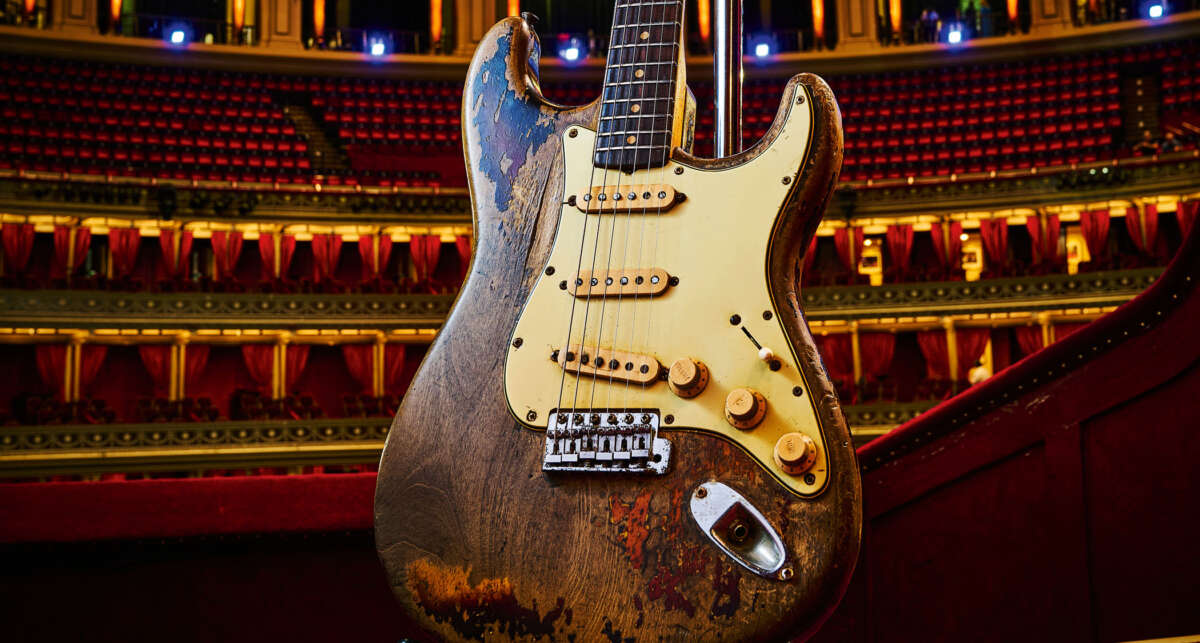
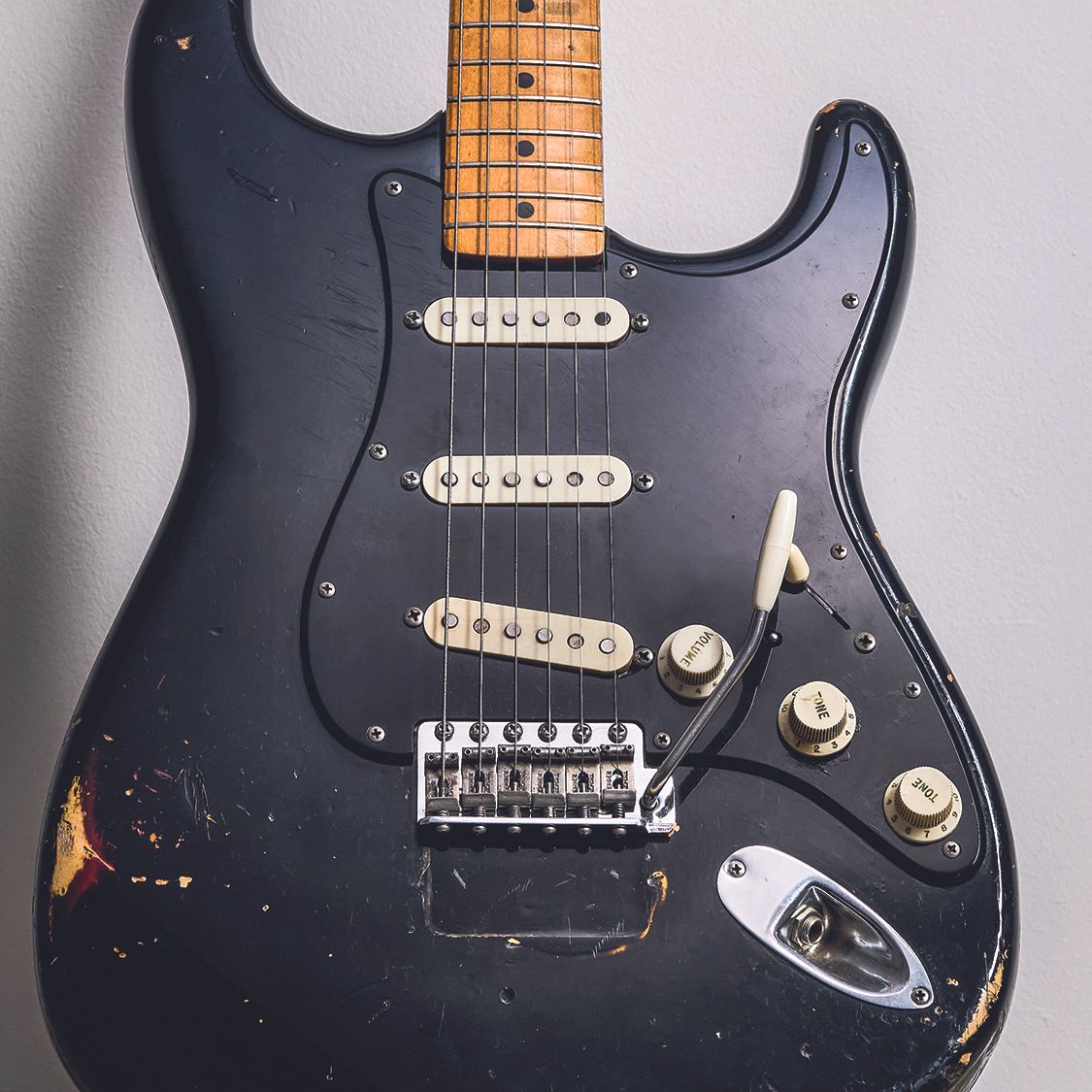
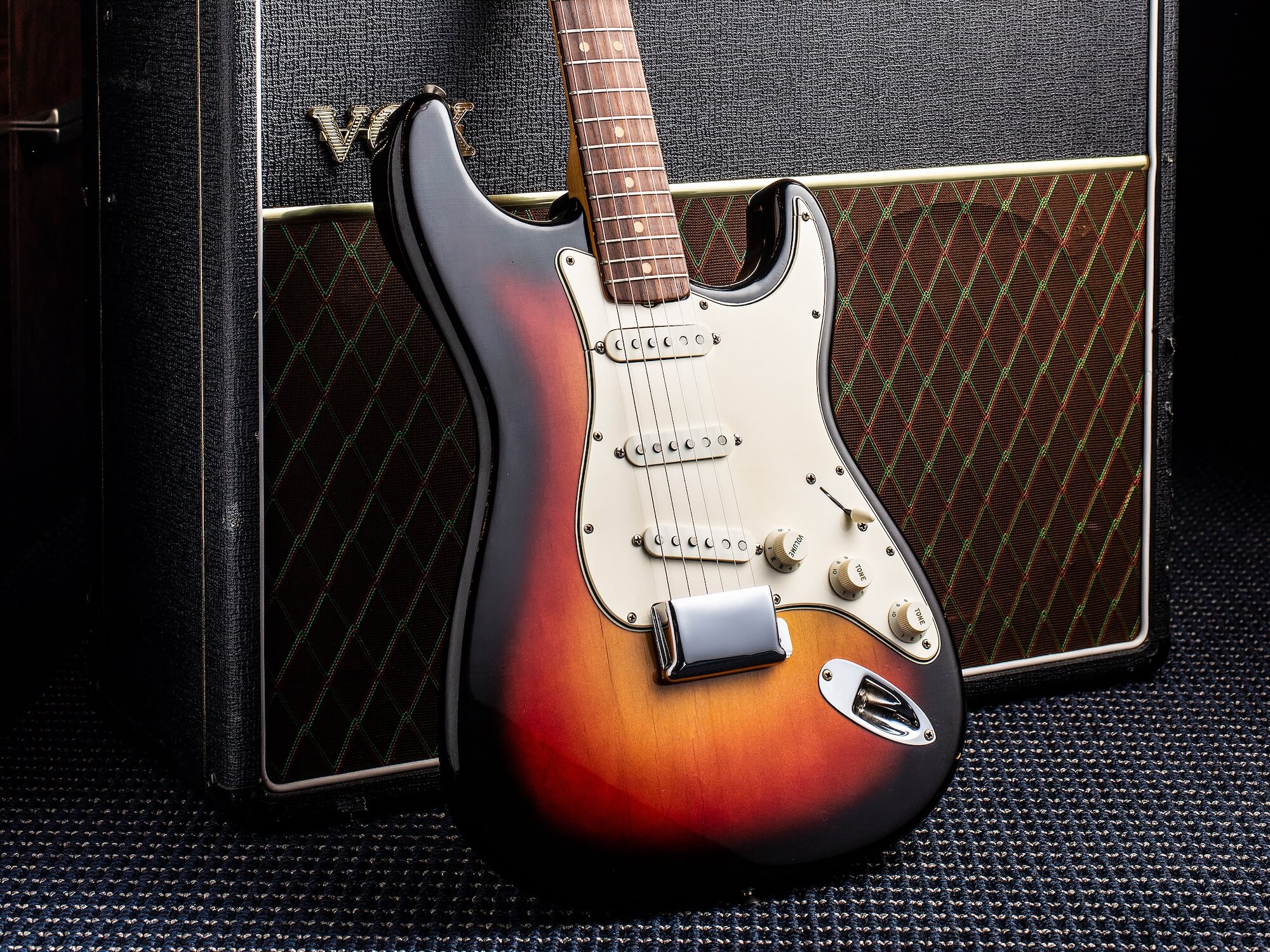
David Gilmour’s “Black Strat”
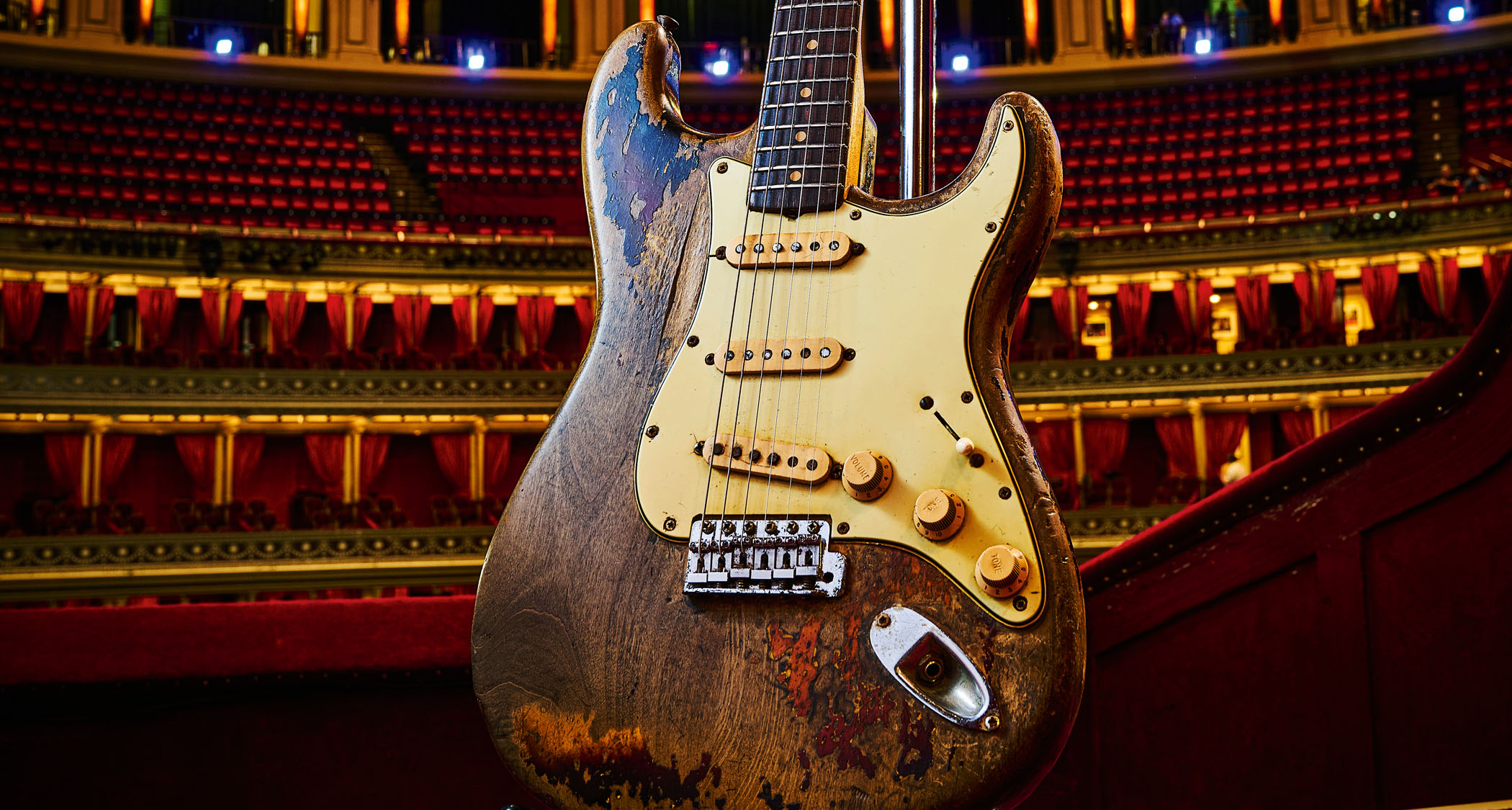
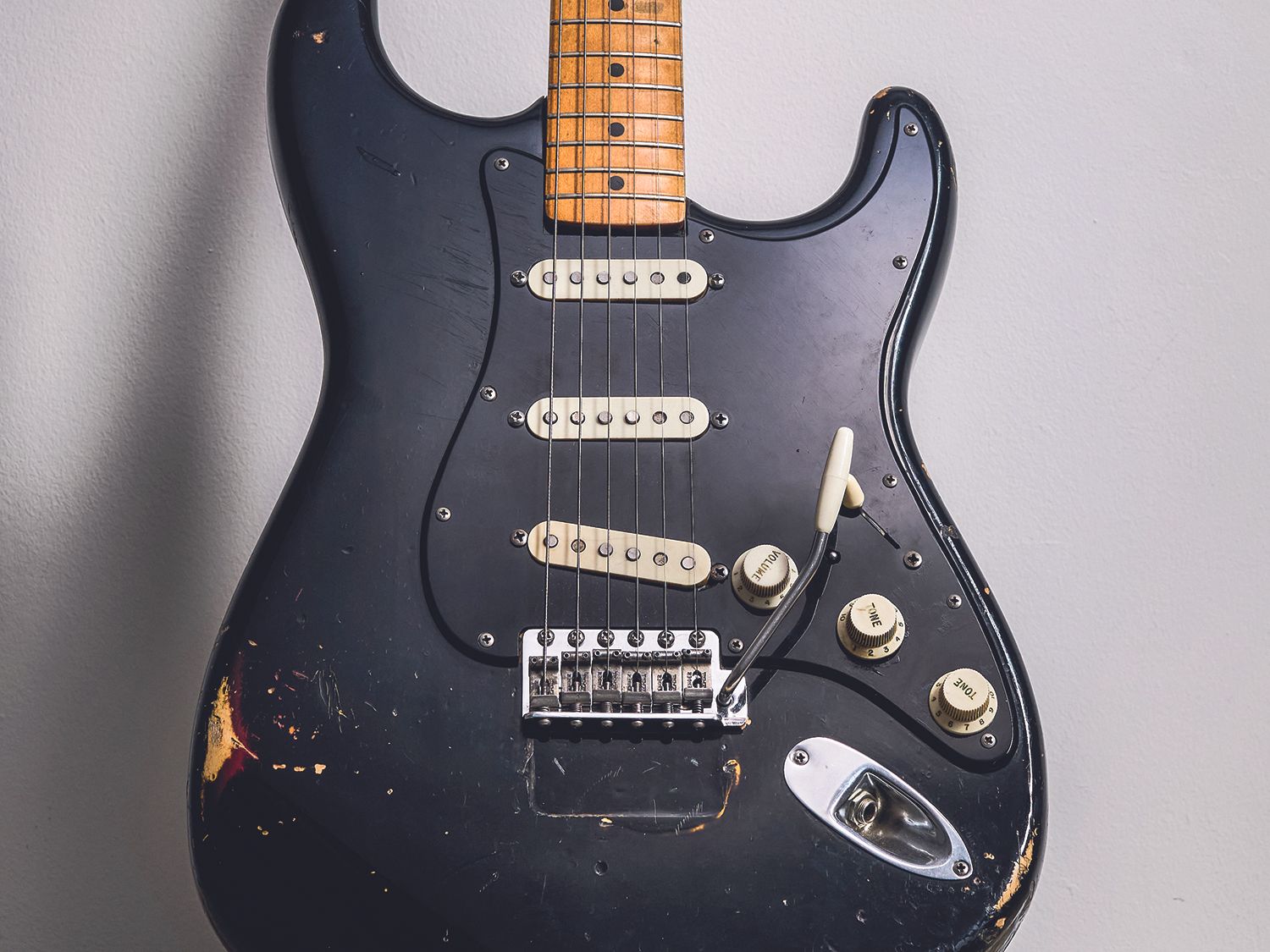
David Gilmour’s famous black Fender Stratocaster sold for $3.975 million in 2019. The proceeds supported charitable causes.
Gilmour used the guitar on recordings and tours with Pink Floyd. It appeared on important albums and performances, including work connected to “The Dark Side of the Moon,” “Wish You Were Here,” and “The Wall.”
The guitar’s price came from long-term use, not just ownership. It was a working instrument that helped create some of rock’s most recognizable sounds.
Reach Out to Asia Fender Stratocaster
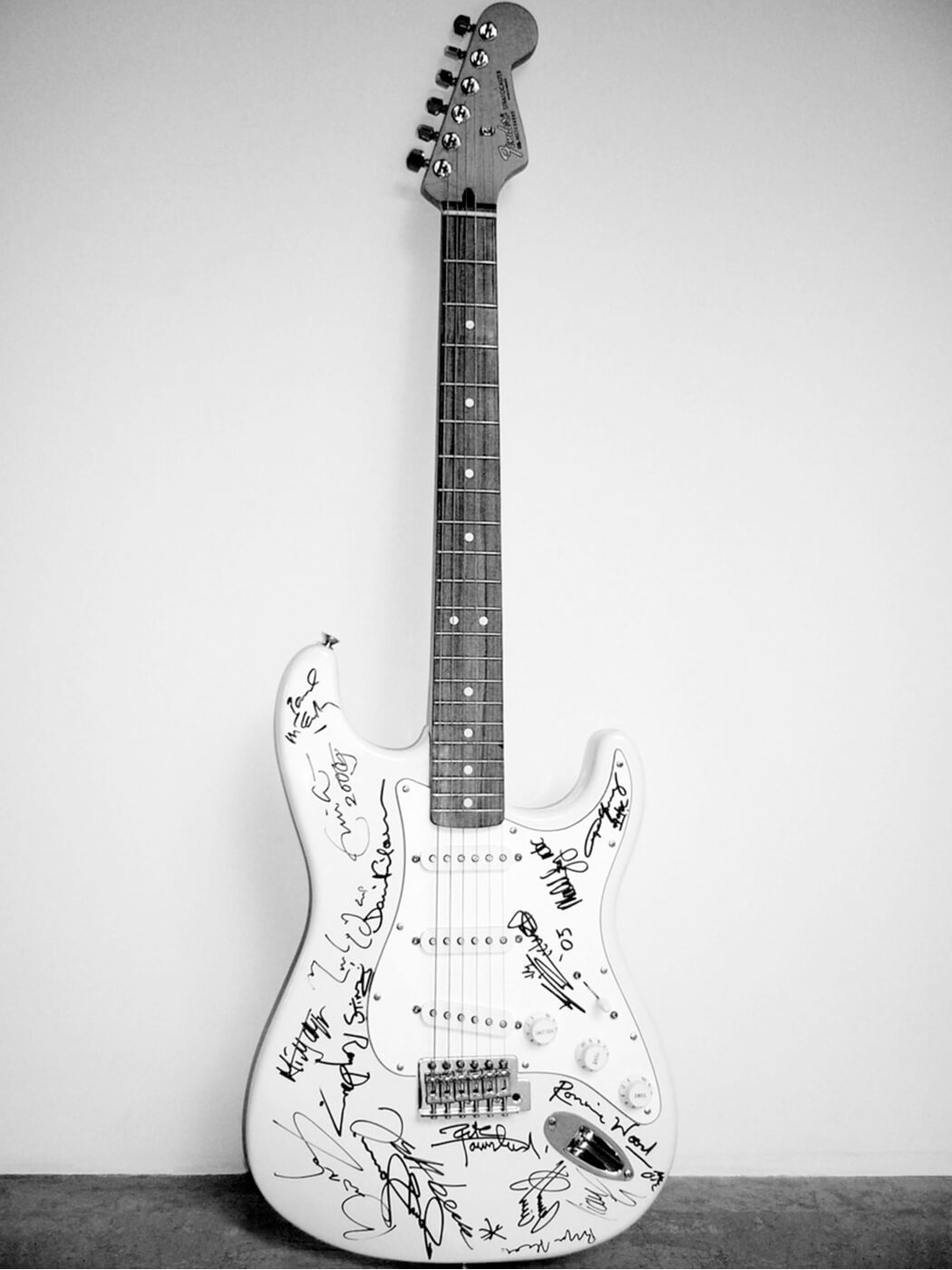
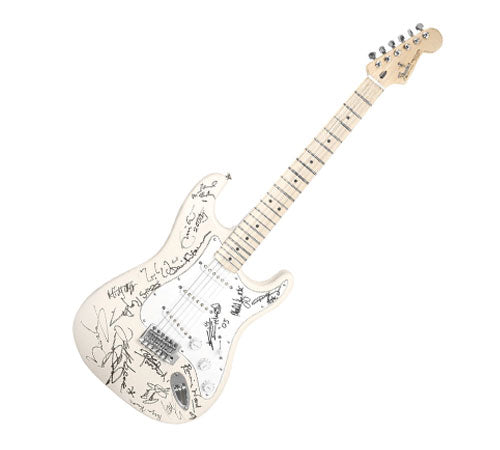
The Reach Out to Asia Fender Stratocaster sold for about $2.7 million. Many famous musicians signed it, including Eric Clapton, Jimmy Page, Brian May, Mick Jagger, Keith Richards, and Paul McCartney.
Its value came from the combination of celebrity signatures and charitable purpose. The sale raised money for victims of the 2004 Indian Ocean earthquake and tsunami.
Eddie Van Halen’s “Frankenstrat”
Eddie Van Halen’s famous red, white, and black Frankenstrat sold for about $1.8 million in 2023. Van Halen built and modified the guitar himself.
The instrument represents a different kind of value. It was not a standard factory model. It reflected Van Halen’s approach to guitar design, tone, and performance. His experiments helped shape the sound and technique of modern rock guitar.
John Lennon’s Gibson J-160E
John Lennon’s Gibson J-160E has also attracted major attention from collectors. Lennon used guitars of this type during the Beatles era, including periods when he worked with Paul McCartney.
The exact prices of celebrity guitars can vary between public auctions and private sales. This is one reason why what is the most expensive guitar can have different answers depending on the definition used.
What makes a guitar extremely valuable?
The most expensive guitar is rarely valuable because of one feature alone. Buyers usually judge several factors at the same time.
Provenance
Provenance means the documented history of ownership and use. Strong provenance may include:
• Original purchase records
• Photographs of the artist using the guitar
• Tour or studio records
• Signed letters or certificates
• Auction documentation
A clear history is essential. A guitar with a believable story but no proof may sell for much less than a similar instrument with strong records.
Famous ownership
A guitar owned by a globally recognized musician can have exceptional value. But not every celebrity-owned guitar is worth millions.
Collectors usually ask:
• Did the artist record important music with it?
• Did the guitar appear in a famous performance?
• Is the artist strongly associated with the instrument?
• Can experts verify the connection?
A guitar played regularly by an artist often has more value than one that simply sat in a private collection.
Historical importance
Some guitars mark a major change in music. Others belong to a famous movement, recording, tour, or social event.
For example, a guitar connected to the birth of punk, heavy metal, blues rock, or grunge may appeal to collectors because it represents a larger cultural shift.
Rarity
Rarity matters, but it is not enough by itself. A guitar may be rare because few were made, because the model failed commercially, or because most examples were damaged or changed.
The best combination is usually:
• Low production numbers
• Original parts
• Excellent condition
• A famous player
• A documented historical role
Condition and originality
Collectors usually prefer original guitars. Replaced pickups, refinished bodies, altered necks, and missing hardware can reduce value.
However, restoration is not always negative. A guitar used heavily by a performer may have repairs that are part of its story. In some cases, signs of use make the instrument more desirable.
This creates an important lesson when studying what is the most expensive guitar: perfect condition is not always the goal. Historical authenticity may matter more than a flawless finish.
The difference between auction price and real market value
A public auction price is easy to report, but it does not always tell the whole story. A buyer may pay a premium because of an emotional connection, a charity event, or intense competition during the sale.
Private sales are harder to evaluate. The final price may not be published, and the guitar’s condition or paperwork may not be independently reviewed.
When comparing expensive guitars, consider:
• Whether the price includes the buyer’s premium
• Whether the sale was public or private
• Whether the guitar came with original accessories
• Whether the price was influenced by charity
• Whether experts confirmed the instrument’s identity
• Whether the amount reflects a single bidding event
The $6 million Martin D-18E figure is widely reported because it came from a public auction. It is a useful benchmark, but it should not be treated as proof that every historically important guitar would sell for the same amount.
Inflation also affects comparisons. A guitar sold for $1 million decades ago may represent a larger real cost than the headline number suggests today. Serious collectors compare the sale date, market conditions, and full auction fees.
How to evaluate an expensive guitar before buying
Most readers will not buy a multimillion-dollar guitar. Still, the same principles help when purchasing a vintage Gibson, Fender, Martin, or other collectible instrument.
1. Verify the serial number
Check the serial number against reliable factory records. Make sure the number matches the model, year, and production details.
A mismatch does not always prove fraud, but it requires careful research.
2. Inspect the major parts
Look at the:
• Neck and headstock
• Body joints
• Finish
• Pickups
• Tuners
• Bridge
• Frets
• Internal braces
• Solder joints
Original parts often increase value. Major replacements may lower it, even if they improve playability.
3. Check for repairs
Vintage guitars often have cracks, repaired headstocks, neck resets, or replaced bridges. Some repairs are normal for an old instrument.
Ask who completed the repair and whether the work was documented. A clean professional repair is very different from a hidden or poorly done modification.
4. Review the paperwork
Request invoices, appraisal reports, photographs, and ownership records. If the guitar belonged to a famous musician, look for images or video that show the artist using that exact instrument.
Do not rely only on a seller’s story. A strong claim needs strong evidence.
5. Use an independent expert
An independent vintage guitar expert can identify changes that are easy to miss. This is especially important when the instrument has a high price or famous history.
A useful appraisal should explain the guitar’s model, year, condition, originality, repairs, and estimated market range. Avoid relying on an expert who is also pressuring you to buy the instrument.
6. Understand insurance and storage
An expensive guitar needs more than a basic case. Consider climate control, security, specialist insurance, and careful transport.
Wood reacts to heat and humidity. A valuable acoustic guitar can suffer damage if stored in a damp basement, hot attic, or poorly controlled vehicle.
My practical takeaway from reviewing historic guitar sales is simple: paperwork protects value. A beautiful guitar with weak documentation can become a difficult investment, while a well-documented instrument is easier to insure, sell, and trust.
Is the most expensive guitar a good investment?
A famous guitar can increase in value, but no collectible is guaranteed to appreciate. Prices depend on demand, the artist’s reputation, the economy, and collector interest.
There are also major costs:
• Auction fees
• Insurance
• Secure storage
• Expert appraisals
• Conservation work
• Transport
• Selling commissions
A guitar may be valuable but still difficult to sell quickly. This is called limited liquidity. Unlike shares or cash, a rare instrument may need months of marketing before the right buyer appears.
Collectors should also separate financial value from personal value. A guitar can be a smart purchase for someone who loves its history, even if it never produces a financial return.
For most players, a high-quality modern guitar offers better practical value. A $2,000 instrument can provide years of music, while a multimillion-dollar guitar may spend most of its life behind glass.
That is the central answer to what is the most expensive guitar from a buyer’s point of view: the price reflects cultural importance, not necessarily better sound.

What does the most expensive guitar sound like?
Kurt Cobain’s Martin D-18E had a distinctive sound because of its construction and unusual electronics. It was not designed to produce the smooth, balanced tone associated with many modern acoustic guitars.
Its original DeArmond pickups gave it a rough, direct, and slightly industrial character. Cobain also used effects and amplification choices that helped create the darker sound heard during the MTV Unplugged performance.
The guitar’s tone was only one part of its appeal. A less valuable Martin can sound richer, louder, or more refined in a studio test.
This distinction matters. Collectors may value an instrument for its history, while musicians may choose one for comfort, tone, and reliability. Those goals can overlap, but they are not the same.
When asking what is the most expensive guitar, it helps to remember that price does not create musical talent. The player, arrangement, touch, and performance still matter most.
Frequently Asked Questions About What Is the Most Expensive Guitar
What is the most expensive guitar in the world?
The most expensive guitar sold at a documented public auction is Kurt Cobain’s 1959 Martin D-18E. It sold for $6 million in 2020.
Why did Kurt Cobain’s guitar sell for so much?
The guitar was used during Nirvana’s famous MTV Unplugged performance. Its value came from Cobain’s ownership, the importance of the performance, its unusual design, and strong supporting documentation.
Is the most expensive guitar also the best-sounding guitar?
No. A guitar’s price often reflects its history, rarity, and cultural importance. A much less expensive guitar may sound better and feel more comfortable for everyday playing.
What other guitars have sold for millions?
David Gilmour’s “Black Strat” sold for $3.975 million, while the Reach Out to Asia Fender Stratocaster sold for about $2.7 million. Eddie Van Halen’s Frankenstrat also sold for a multimillion-dollar amount.
Can I buy the most expensive guitar?
The Martin D-18E was sold at auction and may not be available to the public now. Similar historic guitars sometimes appear through specialist dealers, private sales, or future auctions, but buyers should demand expert authentication.
Does a guitar’s age make it more valuable?
Age can help, but it does not guarantee a high price. Rarity, originality, condition, provenance, and historical importance usually have a greater effect on value.
Conclusion
The most expensive guitar ever sold is Kurt Cobain’s 1959 Martin D-18E, which reached $6 million at public auction. Its price came from a rare combination of famous ownership, a landmark performance, unusual design, and powerful cultural meaning.
The story also teaches an important lesson: the most expensive guitar is not automatically the best guitar for playing. If you are buying a vintage instrument, focus on verified history, original parts, condition, and expert advice before thinking about prestige.
Explore trusted auction records, visit reputable vintage dealers, and share your favorite historic guitar story in the comments.

Senior Music Reviewer
Alex Carter is a seasoned music reviewer with over a decade of experience in the world of sound and instruments. Passionate about helping musicians and enthusiasts make informed choices, he brings sharp insights and in-depth knowledge to every review. From classical instruments to modern gear, Alex combines technical expertise with a love for music to deliver content that resonates with readers.
As a Senior Music Reviewer and expert author on Tuneluma.com, Alex is dedicated to sharing honest evaluations, practical advice, and thoughtful commentary to guide readers in their musical journey.