What Is An Offset Guitar: Guitar Shape Explained
An offset guitar has an asymmetrical body shape, a shifted waist, and a comfortable design made for relaxed playing.
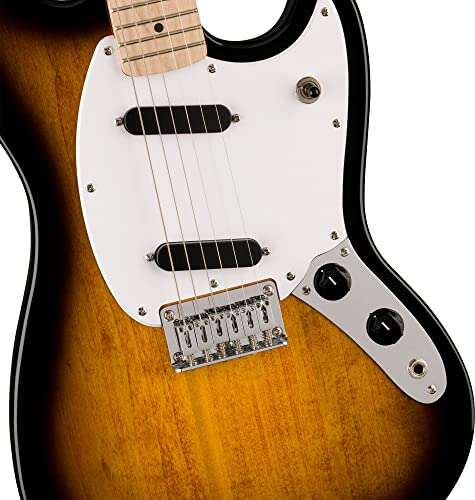
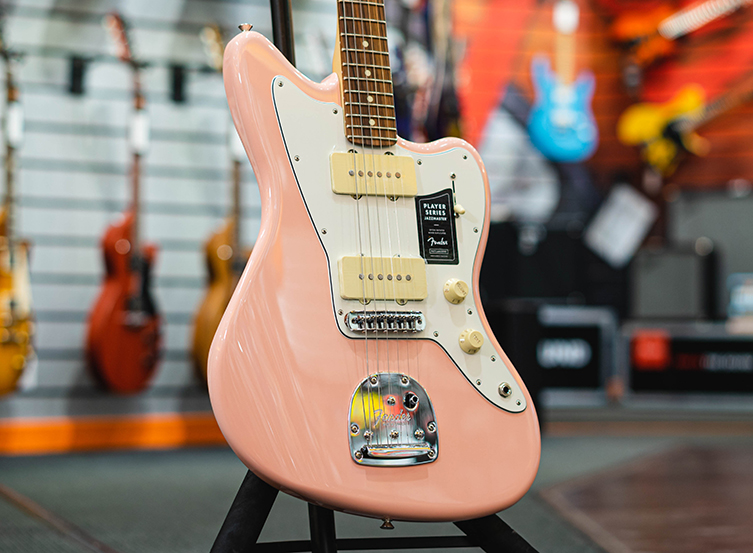
If you have seen a Fender Jazzmaster, Jaguar, or Mustang, you have seen an offset guitar. The term describes the body shape, not one specific brand, sound, or pickup type. After years of studying guitar design and comparing common offset models, I find that their charm comes from a smart mix of comfort, character, and useful quirks. This guide explains what is an offset guitar, how it works, and whether one belongs in your collection.

What is an offset guitar?
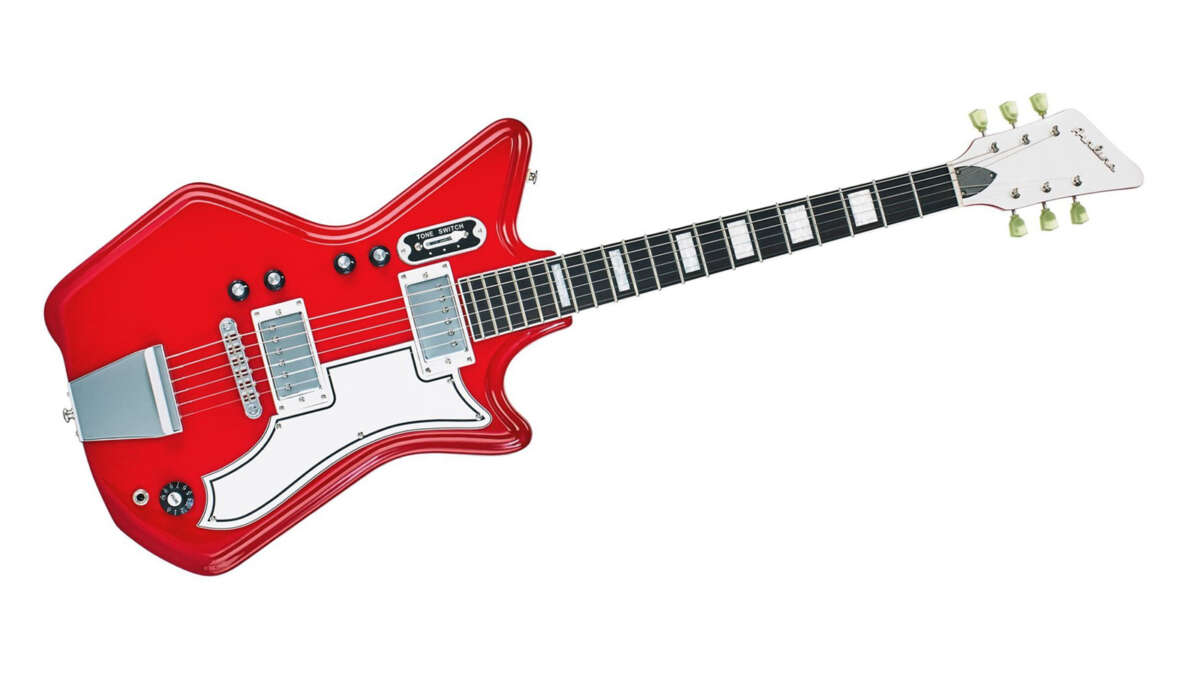
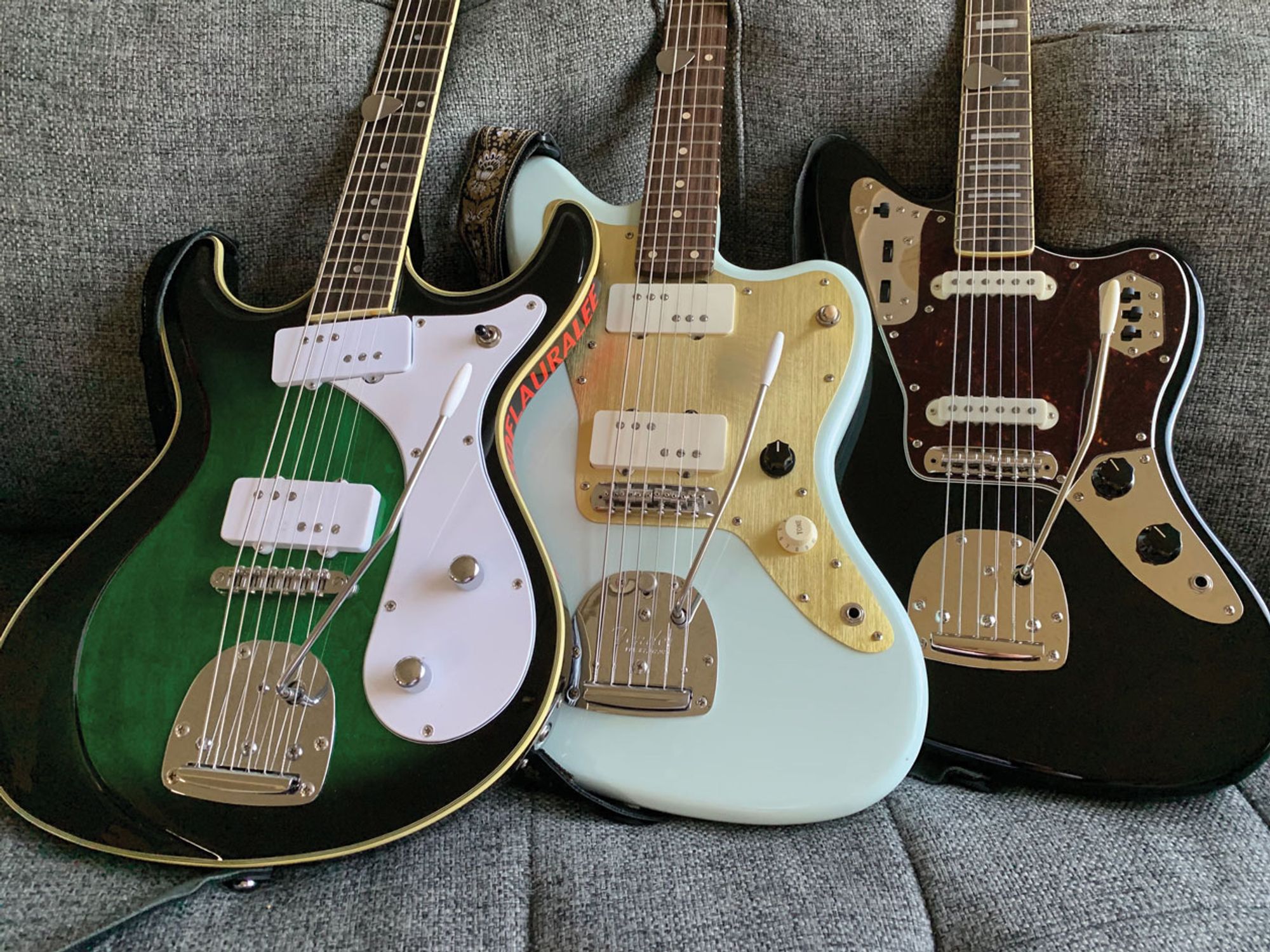
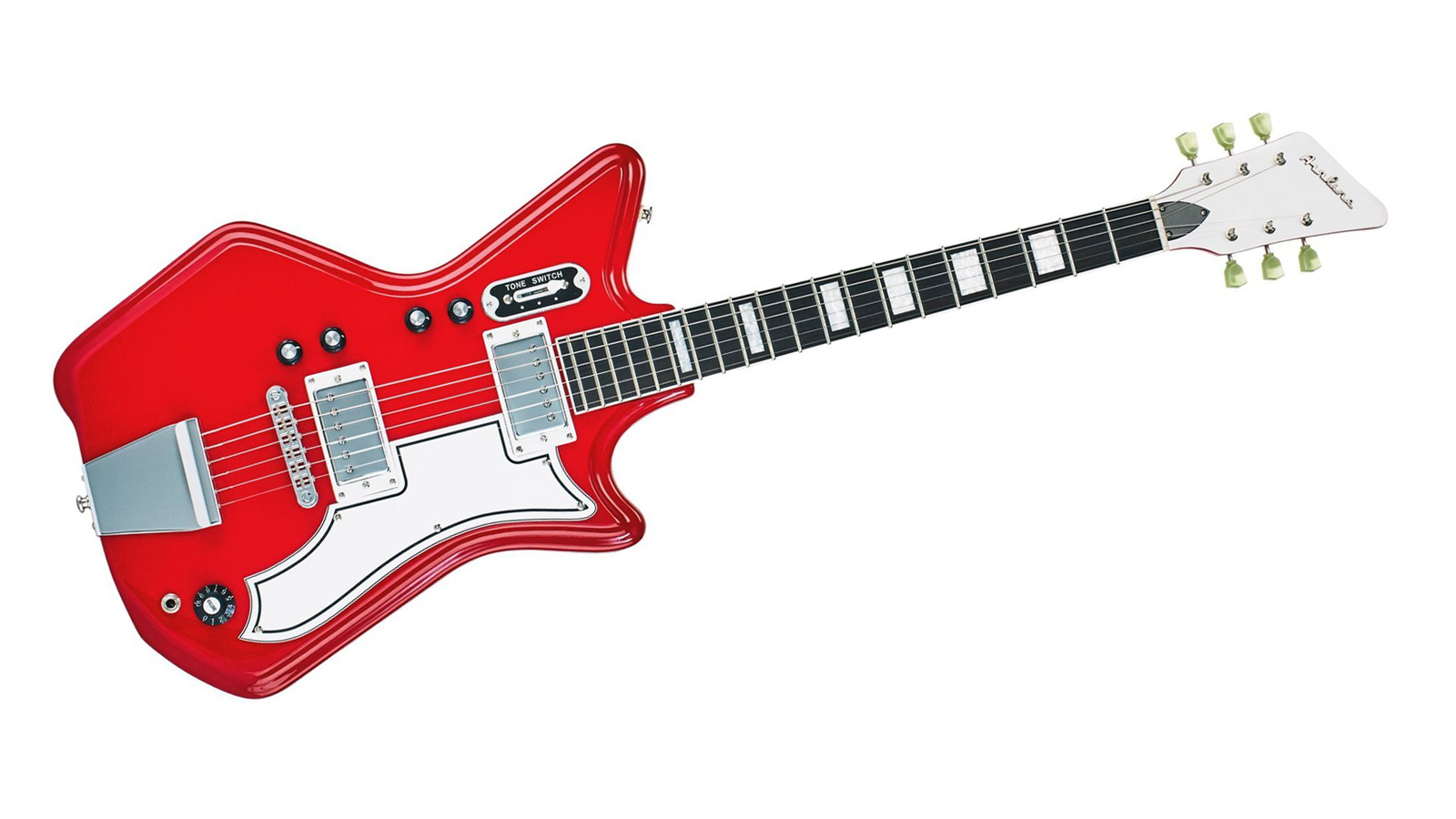
An offset guitar is an electric guitar with a body that does not have equal curves on both sides. Its waist, horns, and body lines sit at different angles. This creates a slanted or “offset” appearance when you view the guitar from the front.
The offset shape is more than a visual trick. It can help the guitar sit well against your body while you play. Many players feel that the lower bout rests on the leg in a natural way, especially when seated.
The phrase what is an offset guitar can also refer to a wider family of guitars. These instruments may have different:
• Pickup designs
• Bridge systems
• Scale lengths
• Number of controls
• Body materials
• Neck shapes
• Switching layouts
So, an offset guitar does not have one fixed sound. A Jazzmaster may sound wide and clear, while a Jaguar may sound sharp and focused. A Mustang may feel short, light, and direct.
The body shape is the main link between them. The electronics and hardware then give each model its own voice.

The history of offset electric guitars
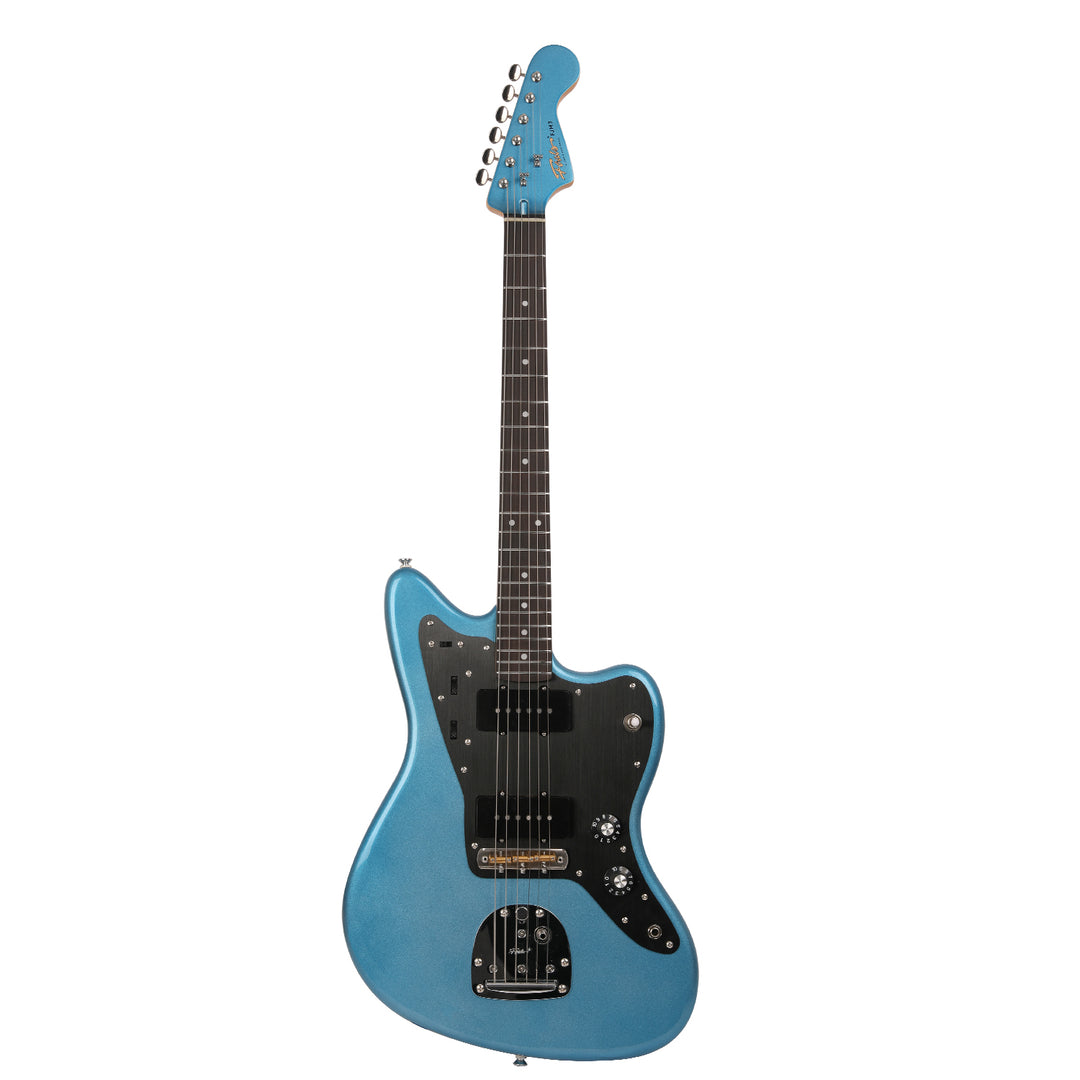
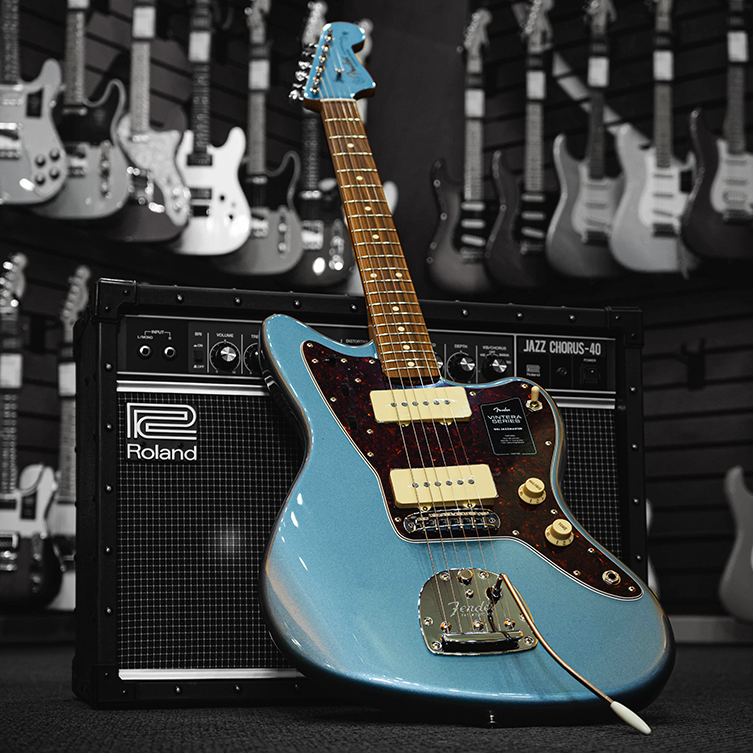
The offset guitar became famous through Fender designs from the 1950s and 1960s. The Fender Jazzmaster appeared in 1958 as a high-end electric guitar aimed at jazz players. It used a comfortable body, wide single-coil pickups, and a floating tremolo system.
The Jazzmaster did not replace the popular Telecaster or Stratocaster. Instead, it offered a different playing feel and a richer set of controls. Its shape looked modern at the time, with curves that seemed to move in different directions.
Fender introduced the Jaguar in 1962. It kept the offset body but used a shorter 24-inch scale length. It also added more switching options, which made it one of the most complex guitars in Fender’s lineup.
The Mustang arrived later in the 1960s. It used a shorter scale and a simpler control layout. Its compact size made it popular with students, smaller players, and musicians who wanted a light guitar.
By the 1980s and 1990s, offset guitars found a new audience in alternative rock, indie rock, punk, and noise music. Players such as Kurt Cobain, Sonic Youth members, and many underground guitarists helped turn these once-overlooked models into cult favorites.
Today, major brands and small builders make many types of offset guitars. Some copy classic designs. Others use modern bridges, humbuckers, active electronics, or extended-range layouts.

What makes a guitar “offset”?
The word “offset” describes the shape of the guitar body. It does not describe a single pickup setup or a required scale length.
A standard electric guitar often has a balanced outline. Its upper and lower sides may look similar from left to right. An offset guitar breaks that balance.
Common visual features include:
• A waist that sits at an angle
• A lower bout that extends farther on one side
• Uneven upper and lower horns
• A body that looks slightly twisted
• A deep curve for the player’s arm or leg
This design can improve comfort. When you sit with an offset guitar, the body may feel less like a flat board and more like a shaped chair. The guitar can rest against your leg without forcing your wrist into an awkward position.
Still, not every offset guitar feels the same. The body’s weight, neck angle, strap buttons, and balance all matter. A poorly balanced model can still feel uncomfortable, even if its outline looks ergonomic.
This is an important part of understanding what is an offset guitar. The word tells you about the body outline, but it does not guarantee perfect comfort.
How offset guitars differ from regular electric guitars
The biggest difference is the body shape. However, offset guitars often differ in several other ways because of their history and design goals.
Body balance and playing position
Many offset guitars feel stable when played while seated. The wide lower section can rest securely on your leg. Some models also hang at a slight angle when used with a strap.
That angle can change how your picking hand meets the strings. Some players enjoy this because it feels relaxed. Others prefer a more upright guitar, such as a Stratocaster.
Scale length
Scale length is the distance from the nut to the bridge. It affects string tension, fret spacing, and playing feel.
Common examples include:
• Fender Jaguar: 24-inch scale
• Fender Mustang: 24-inch scale
• Fender Jazzmaster: 25.5-inch scale
• Many modern offset guitars: 24.75 to 25.5 inches
A short-scale offset guitar often feels soft and easy to bend. A long-scale model may feel tighter and more precise.
Bridge and tremolo design
Classic Jazzmaster and Jaguar guitars often use floating tremolo systems. These can create smooth pitch movement, but they may need careful setup.
Some modern offset guitars use fixed bridges or Tune-o-matic-style bridges. These designs are often easier to maintain and may offer better tuning stability for players who use heavy strumming.
Electronics
Offset guitars can use:
• Single-coil pickups
• P-90 pickups
• Humbuckers
• Jazzmaster-style pickups
• Active pickups
• Mixed pickup layouts
This variety means you cannot predict the sound from the body shape alone.
How do offset guitars sound?
An offset guitar can produce almost any common electric guitar tone. Its sound depends on the pickups, wiring, wood, scale length, strings, amplifier, and playing style.
Classic Jazzmaster pickups often sound broad, clear, and slightly airy. They can deliver strong rhythm tones and clean sounds with plenty of detail.
Jaguar pickups often sound tighter and brighter. Their shorter scale can also give the notes a softer attack. The extra switches may let you shape a thin, sharp tone or a warmer rhythm sound.
Mustang guitars often sound direct and lively. Their short scale and simple switching make them easy to use for garage rock, punk, indie, and pop.
Modern offset models may use humbuckers for a thicker sound. These guitars can suit hard rock, metal, blues, and modern worship music.
A useful lesson is this: do not buy an offset guitar only because you expect one special tone. Listen to the exact pickup and bridge setup. Two guitars with nearly identical bodies can sound very different.
Benefits of playing an offset guitar
An offset guitar offers several practical benefits. These benefits explain why the design remains popular decades after its first release.
Comfortable body shape
The offset body can feel natural against your ribs and leg. This may reduce pressure during long practice sessions.
Strong visual identity
Offset guitars look different from standard designs. Their unusual shape can help a player develop a clear stage image.
Wide tonal range
Many offset models include several pickup settings, rhythm circuits, or switching options. This can provide clean, bright, warm, and aggressive sounds from one instrument.
Good fit for creative players
Offset guitars are common in indie, alternative, surf, shoegaze, punk, and experimental music. Their tremolo systems and unusual controls invite sound exploration.
Many price choices
You can find affordable beginner models, mid-range instruments, vintage reissues, and high-end custom builds. This makes the offset style open to many budgets.
In my practical view, the best benefit is the playing position. A guitar that feels good in your hands encourages longer practice. That matters more than a rare finish or expensive wood.

Limitations and common problems
Offset guitars also have weaknesses. Knowing them before you buy can prevent frustration.
Tremolo setup
Vintage-style offset tremolos can be sensitive to string gauge, bridge height, and break angle. A poor setup may cause tuning issues or string movement.
Bridge rattles
Some classic offset bridges use small parts that can buzz or move. This is not always a design failure, but it can require adjustment.
Complex controls
A Jaguar or Jazzmaster may have more switches than a basic Telecaster. It can take time to learn which control affects each pickup or circuit.
Neck dive or body balance
Some modern offset guitars have heavy necks or light bodies. Try the guitar with a strap before buying when possible.
Large body size
The wide body may feel uncomfortable for smaller players. The same shape that feels stable to one person may feel bulky to another.
Used-guitar wear
Older offset guitars may have replaced bridges, modified wiring, or repaired tremolo parts. Ask for clear photos and test every switch before buying a used model.
These limits do not make an offset guitar a poor choice. They simply show why setup quality matters. A skilled guitar technician can often solve many problems with correct adjustment and suitable strings.
Popular types of offset guitars
Several models helped define the offset guitar family.
Fender Jazzmaster
The Jazzmaster has a 25.5-inch scale, wide single-coil pickups, and a floating tremolo on many versions. It is known for spacious clean tones and a strong rhythm sound.
Fender Jaguar
The Jaguar uses a 24-inch scale and often includes separate pickup and tone circuits. It has a bright response and a compact playing feel.
Fender Mustang
The Mustang has a short scale and a small, light body. It is simple, direct, and popular in punk, garage rock, and indie music.
Fender Duo-Sonic
The Duo-Sonic uses a short scale and a compact shape. Modern versions may use simple pickup controls and a comfortable neck.
Modern offset designs
Brands such as Squier, Reverend, G&L, Ibanez, Guild, and many smaller builders offer their own offset models. These may include humbuckers, hardtail bridges, roasted necks, and modern fret sizes.
When asking what is an offset guitar, remember that the term includes both classic and modern designs. It is a shape category, not a single model family.
How to choose the right offset guitar
Choosing an offset guitar becomes easier when you focus on how you play.
-
Decide what music you play. Clean surf tones may suit single-coil pickups, while heavy music may work better with humbuckers.
-
Check the scale length. A 24-inch scale feels compact and flexible. A 25.5-inch scale feels longer and tighter.
-
Test the balance. Play while seated and standing. Make sure the neck does not fall toward the floor.
-
Inspect the bridge. A fixed bridge is simple. A vintage tremolo offers more movement but may need more care.
-
Count the controls. A simple guitar may help you play faster. A complex model may offer more sound choices.
-
Check the neck shape. Try open chords, bends, and barre chords. Comfort matters more than a famous specification.
-
Look at the fretwork. The frets should feel smooth at the edges. Notes should ring clearly without unwanted buzz.
-
Budget for setup work. A professional setup can improve action, tuning, intonation, and tremolo performance.
One mistake I often see is buying a guitar for its appearance alone. Offset guitars are attractive, but the best choice is the one that feels easy to play after an hour.
Offset guitar setup and maintenance tips
A good setup can make an offset guitar feel much better. Start with the strings recommended for the bridge and scale length.
Use these basic checks:
• Confirm that the neck has a small amount of relief
• Set the bridge height for clean fretting
• Adjust the saddles for correct intonation
• Check that the tremolo returns to pitch
• Tighten loose screws and strap buttons
• Clean the fretboard as needed
• Test every pickup and switch
Do not turn every adjustment screw at once. Change one setting, tune the guitar, and test it. Small changes are easier to understand and reverse.
String gauge also matters. Very light strings may feel loose on some tremolo systems. Slightly heavier strings can improve tension, but they may require a new setup.
If the guitar has a floating bridge, avoid forcing it into place. A guitar technician can inspect the bridge angle, spring tension, nut slots, and tremolo balance.
This simple care routine can turn a difficult instrument into a reliable one.
Is an offset guitar good for beginners?
An offset guitar can be an excellent beginner instrument if it has a stable setup and simple controls. Its comfortable body may help a new player practice for longer periods.
However, a complicated vintage-style Jaguar may confuse a first-time player. A simple Mustang-style guitar or hardtail offset model may be easier to learn.
Beginners should focus on:
• Comfortable neck shape
• Moderate body weight
• Reliable tuning
• Easy-to-use controls
• Low but clean string action
• A reasonable return policy
The best beginner guitar is not always the one with the most features. It is the one that makes practice feel inviting.
Frequently Asked Questions About What Is an Offset Guitar
What is an offset guitar in simple terms?
An offset guitar is an electric guitar with an uneven, asymmetrical body shape. Its waist and curves sit at different angles instead of forming a balanced outline.
Are all offset guitars made by Fender?
No. Fender made many famous offset guitars, but many other brands now build them. The term describes the body style, not one company.
Are offset guitars comfortable to play?
Many players find them comfortable because the body rests naturally against the leg and torso. Comfort still depends on weight, balance, neck shape, and strap position.
Do offset guitars sound different from Stratocasters?
They can sound different, but the body shape does not determine the tone by itself. Pickups, scale length, wiring, bridge design, strings, and the amplifier have a much larger effect.
Are offset guitars hard to keep in tune?
Some vintage-style tremolo models need careful setup and the right strings. Hardtail offset guitars are usually simpler to keep in tune.
What music is an offset guitar best for?
Offset guitars work well for indie, alternative, surf, punk, shoegaze, garage rock, pop, blues, and many other styles. Pickup choice and amplifier settings matter more than the body shape.
Is a Jazzmaster an offset guitar?
Yes. The Jazzmaster is one of the best-known offset guitars. Its asymmetrical body, wide pickups, and classic tremolo define its traditional design.
Conclusion
An offset guitar is an electric guitar with an asymmetrical body shape, but its appeal goes far beyond appearance. It can offer a comfortable playing position, a wide range of sounds, and a distinctive feel that standard guitar designs do not always provide.
Classic examples include the Jazzmaster, Jaguar, and Mustang. Modern versions add humbuckers, fixed bridges, simpler controls, and fresh designs. Before buying, check the scale length, bridge, balance, electronics, and setup quality.
Now that you know what is an offset guitar, try one in person if you can. Play it seated, stand with it on a strap, test every control, and choose the model that makes you want to keep playing. Explore more guitar guides, compare models, and share your favorite offset guitar in the comments.

Senior Music Reviewer
Alex Carter is a seasoned music reviewer with over a decade of experience in the world of sound and instruments. Passionate about helping musicians and enthusiasts make informed choices, he brings sharp insights and in-depth knowledge to every review. From classical instruments to modern gear, Alex combines technical expertise with a love for music to deliver content that resonates with readers.
As a Senior Music Reviewer and expert author on Tuneluma.com, Alex is dedicated to sharing honest evaluations, practical advice, and thoughtful commentary to guide readers in their musical journey.