What Is A Slide Guitar: Easy Beginner’s Guide
A slide guitar is a guitar played with a smooth object that changes pitch by gliding along the strings.
If you have ever heard a guitar sound like a human voice crying, singing, or speaking, you have likely heard slide guitar. This guide explains what is a slide guitar, how it works, which instruments and slides players use, and how beginners can start without damaging their technique.

What Is a Slide Guitar?
What is a slide guitar? The term can describe both a guitar-playing technique and, in some cases, a guitar designed for slide playing. Instead of pressing the strings against the frets with the fingertips, the player moves a hard, smooth tube called a slide over the strings.
The slide changes the vibrating length of the strings. This raises or lowers the pitch as it moves along the fretboard. The result is a smooth sound with no separate steps between notes.
A normal fretted note sounds clear and fixed. A slide note can rise, fall, bend, and glide. This quality gives slide guitar its famous vocal sound.
Players can use slide on:
• Acoustic guitars
• Electric guitars
• Resonator guitars
• Lap steel guitars
• National-style metal-body guitars
A slide guitar does not always mean a special guitar. In many cases, it simply means a standard guitar played with a slide.
How Does Slide Guitar Work?
To understand what is a slide guitar, it helps to understand how a normal guitar makes notes. When you press a string behind a fret, the fret creates a fixed stopping point. The string then vibrates from that fret to the bridge.
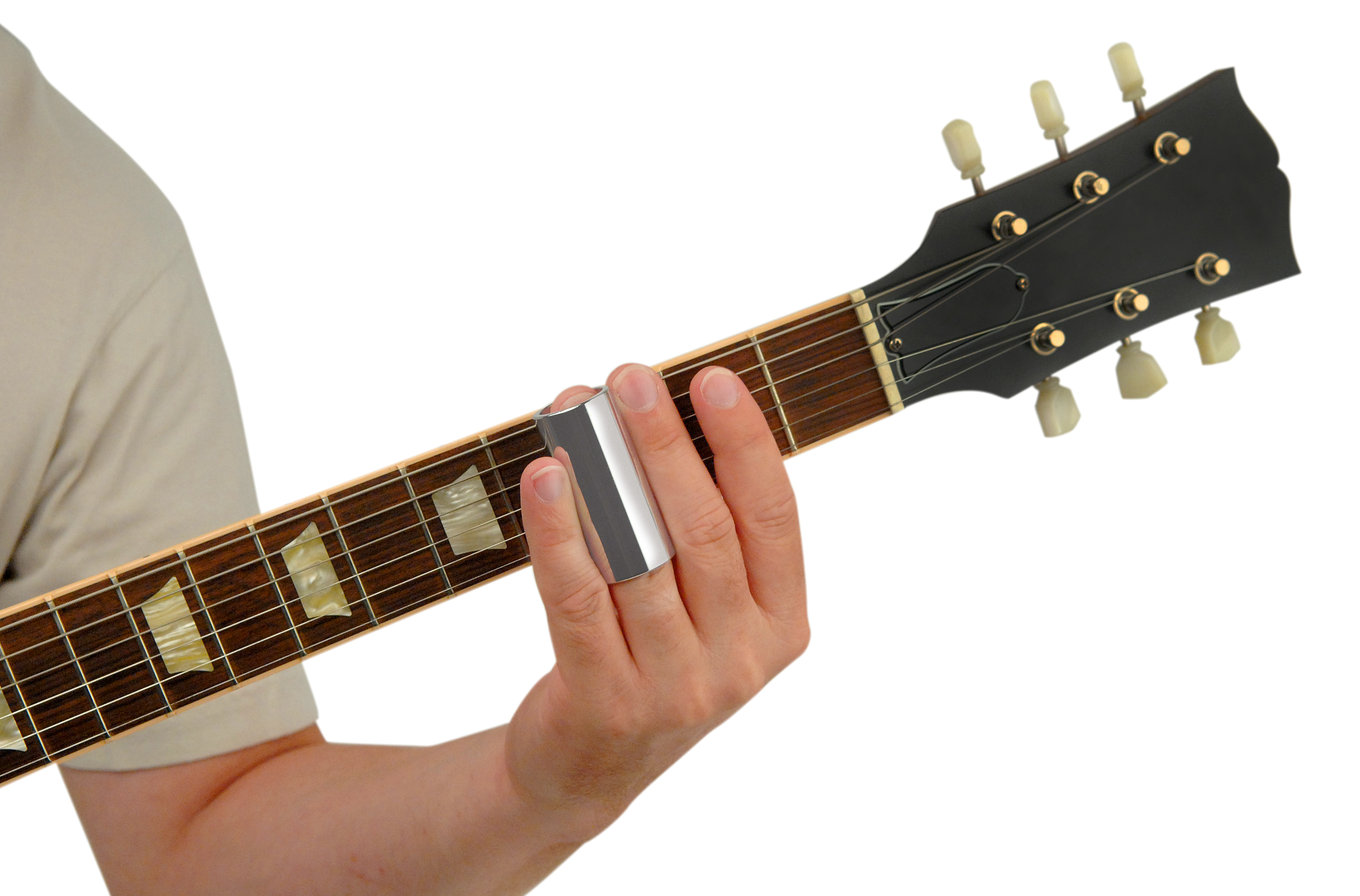
With slide guitar, the slide acts like a movable fret. However, it does not press the string down onto the fretboard. It rests lightly above the strings and creates a new contact point.
The player must place the slide directly above the fret. If the slide sits too far behind the fret, the note sounds flat. If it sits too far ahead, the note may sound sharp.
Good slide playing also requires careful muting. The picking hand often rests on the strings to reduce unwanted noise. The fingers behind the slide can also touch the strings lightly.
A useful beginner exercise is simple:
-
Tune the guitar to standard tuning.
-
Place the slide above the 12th fret.
-
Pick one open string.
-
Move the slide slowly toward the bridge.
-
Listen for the pitch to rise.
-
Keep unused strings quiet with both hands.
This exercise teaches pitch control before you add rhythm or fast movement.

The History of Slide Guitar
The roots of slide guitar reach back to several musical traditions. Early players used objects such as metal tubes, knives, and glass to glide across strings. In the United States, the technique became strongly linked with blues, country, gospel, Hawaiian music, and roots music.
Hawaiian steel guitar helped popularize the idea of playing strings with a smooth bar while the instrument rested flat on the player’s lap. Blues musicians often played a standard guitar upright and wore a slide on one finger.
Many early blues performers used glass medicine bottles or cut bottle necks as slides. Metal slides later became common because they offered a brighter and more forceful tone.
The technique influenced many major guitar styles, including:
• Delta blues
• Chicago blues
• Country and bluegrass
• Southern rock
• Folk music
• Gospel
• Americana
• Rock and roll
The history also shows that slide guitar is not one single style. It is a broad approach used by musicians from many cultures and musical backgrounds.
Types of Slide Guitars
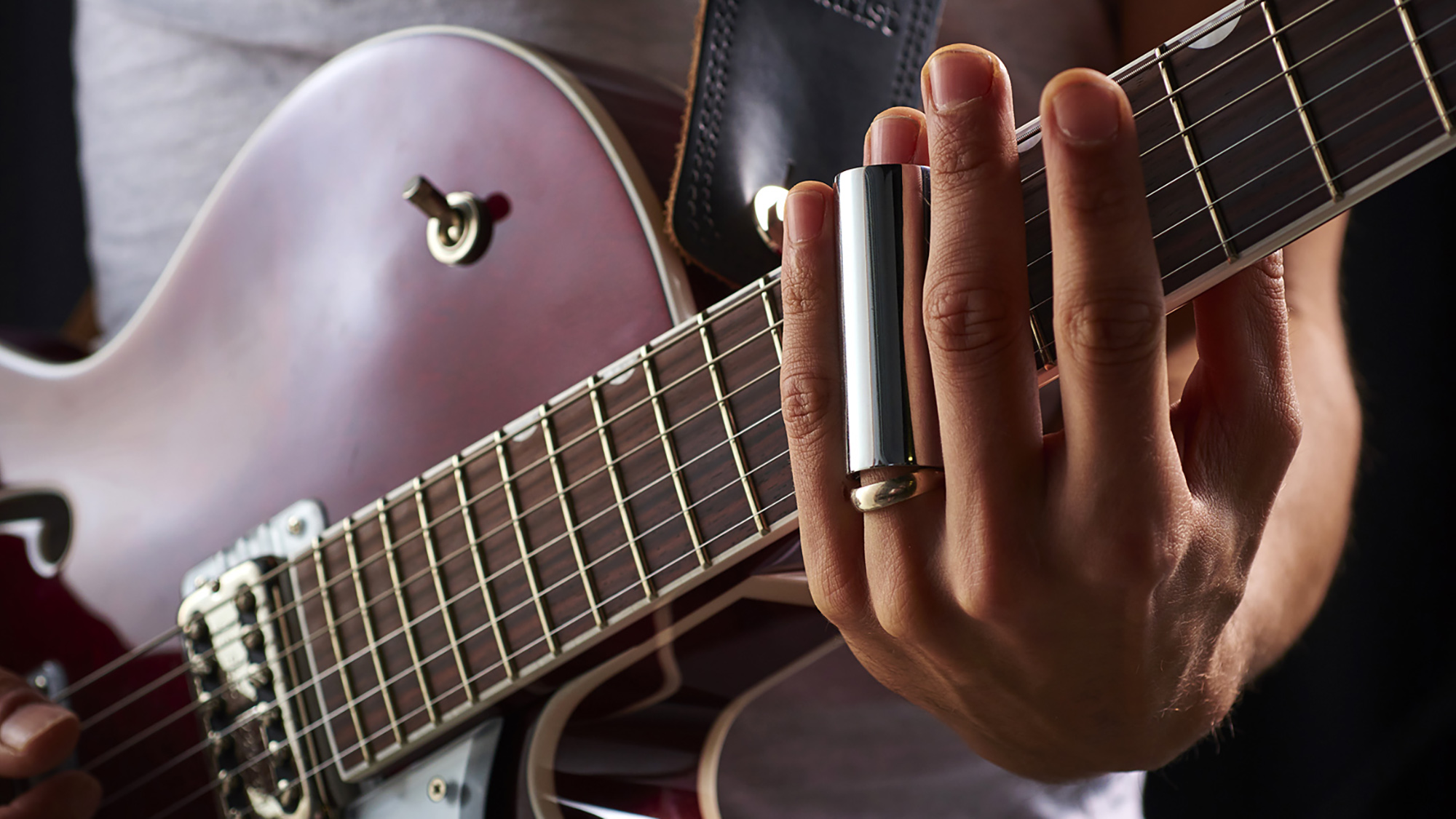
When people ask what is a slide guitar, they may be referring to several different instruments. Each type has its own feel, tone, and playing position.
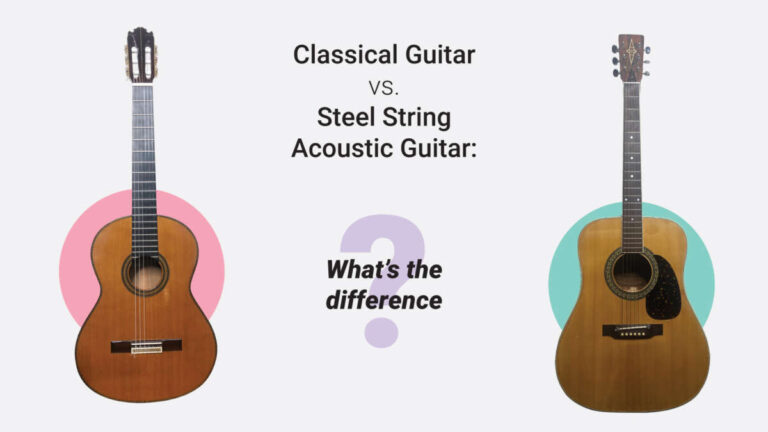
Standard Acoustic Guitar
A standard acoustic guitar is one of the easiest places to begin. It produces a warm, natural slide tone and does not require an amplifier.
The main challenge is action height. Action is the distance between the strings and the fretboard. A guitar with very low action may create buzzing when you use a slide.
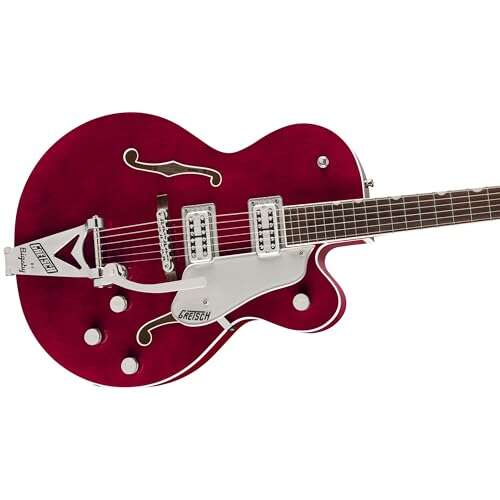
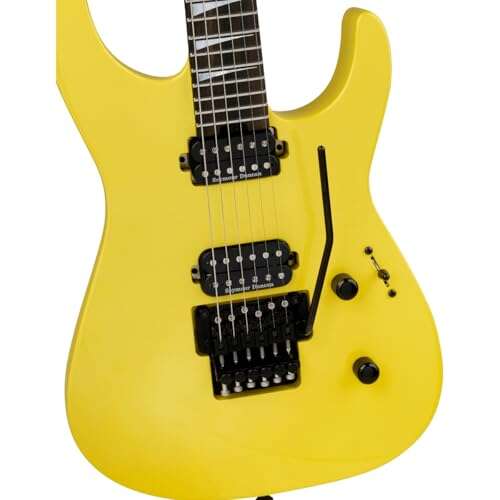
Electric Guitar
Electric guitars offer more sustain, volume, and tonal control. Players can shape the sound with an amplifier, equalizer, reverb, delay, or overdrive.
A clean amplifier setting helps beginners hear pitch problems. Too much distortion can hide mistakes and make unwanted string noise more noticeable.
Resonator Guitar
A resonator guitar uses a metal cone to project the strings’ vibration. It produces a loud, sharp, and metallic tone that suits blues, bluegrass, and roots music.
Some resonator guitars are played upright. Others are played flat on the lap.
Lap Steel Guitar
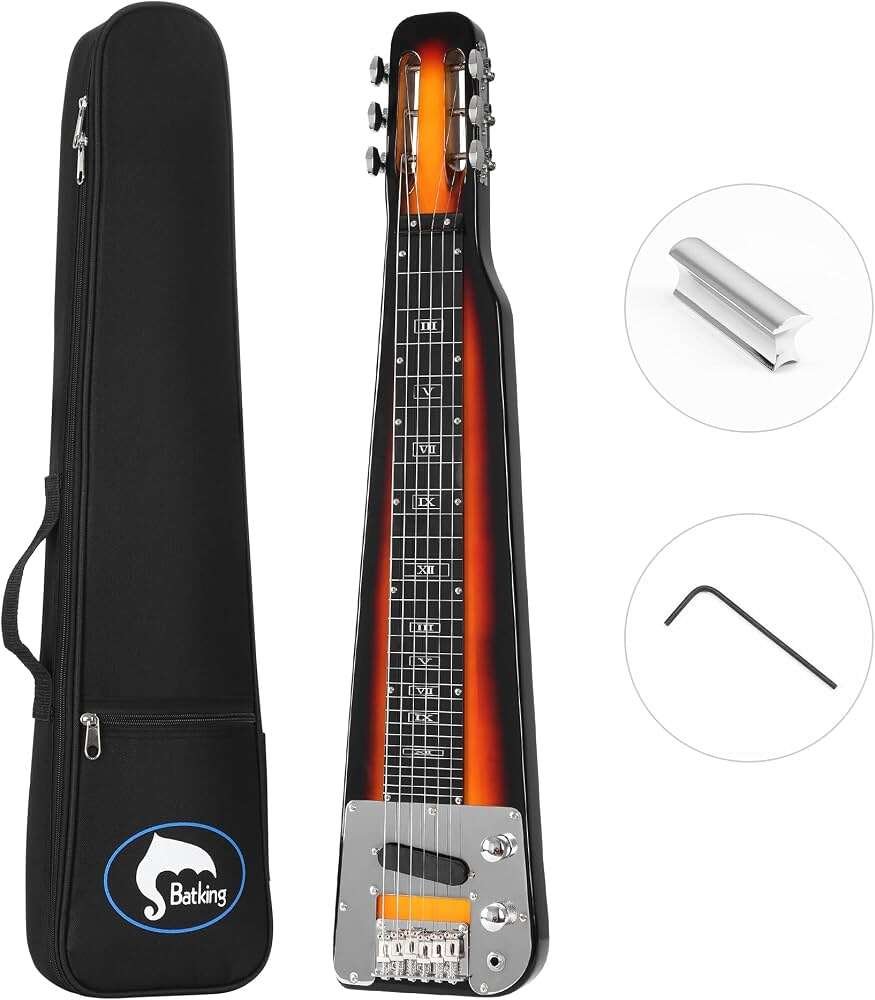
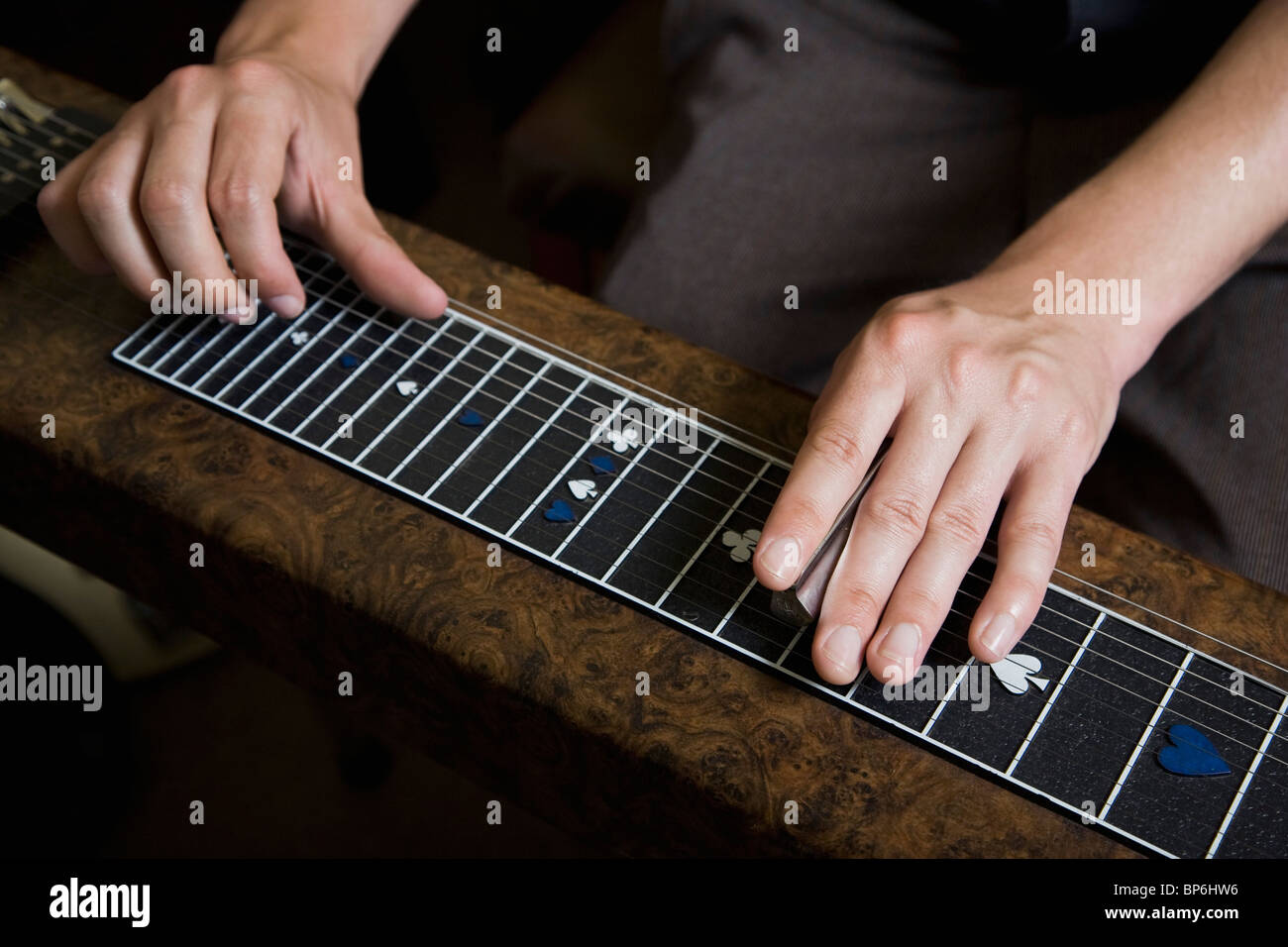
A lap steel guitar rests flat across the player’s legs. The player uses a solid steel bar rather than a hollow finger slide.
Lap steel is a different instrument from a regular guitar, even though both use a smooth object to change pitch. It often uses open tunings and a different right-hand technique.
Guitar Slides and Their Materials
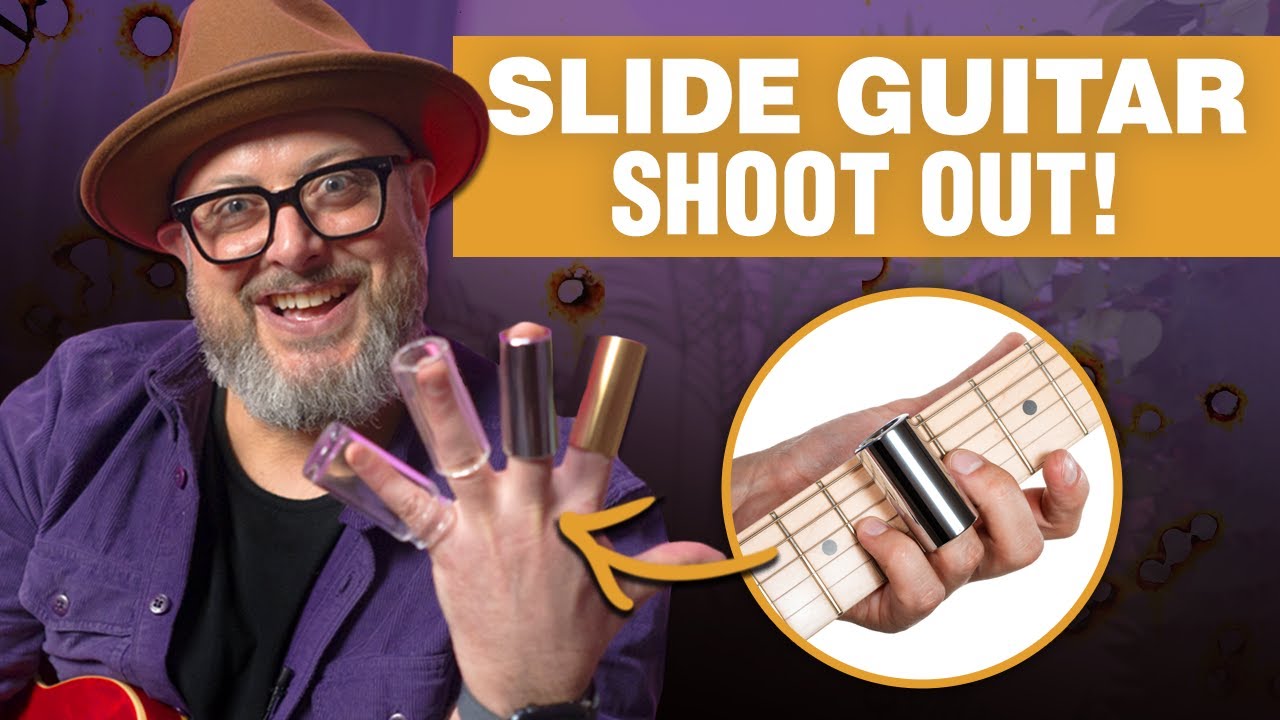
A guitar slide is usually made from glass, metal, ceramic, or brass. The material affects tone, weight, comfort, and sustain.
Glass Slides
Glass slides often produce a smooth, warm, and rounded tone. They are popular in blues and roots music.
They can feel gentle against the strings, but they may break if dropped. Thick glass usually provides more sustain than thin glass.
Metal Slides
Metal slides create a bright, sharp, and powerful sound. Steel, brass, and chrome slides are common choices.
Metal slides are durable and work well for electric guitar. They can sound harsh if the player uses too much pressure, so a light touch matters.
Ceramic Slides
Ceramic slides often sit between glass and metal in tone. They can offer warmth with useful clarity.
Their texture may feel slightly different from a polished glass or metal slide. Some players enjoy that extra grip.
Choosing the Right Size
A slide should fit securely without cutting off circulation. It should not wobble when you move your hand.
You can wear a slide on the:
• Ring finger
• Little finger
• Middle finger
Many beginners prefer the ring finger because it leaves the index and middle fingers free for regular fretting. Players who switch often between normal guitar and slide may prefer the little finger.

Slide Guitar Tunings
Standard tuning works well for learning basic slide control. However, open tunings make it easier to play full chords with one straight slide position.
Common open tunings include:
• Open G: D, G, D, G, B, D
• Open D: D, A, D, F-sharp, A, D
• Open E: E, B, E, G-sharp, B, E
In an open tuning, strumming the open strings creates a major chord. A straight slide across one fret can then create another major chord.
Open G is strongly linked with blues and roots guitar. Open D and open E can produce a full, powerful sound, but open E places more tension on the guitar neck. Some players tune to open D and use a capo to reach higher keys.
Before changing tuning, check your string tension. A sudden increase in tension can cause tuning problems or, in rare cases, stress the instrument. A guitar technician can help if you plan to use unusual tunings often.

How to Play Slide Guitar
Learning what is a slide guitar is simple. Playing one well takes patience because pitch and touch must replace the firm pressure used in normal fretting.
Follow these steps:
-
Choose a comfortable slide.
-
Start with standard tuning.
-
Rest the slide above the 12th fret.
-
Pick one string at a time.
-
Keep the slide parallel to the frets.
-
Move slowly until the note reaches the correct pitch.
-
Use your picking hand to mute extra strings.
-
Practice short, clean phrases.
The slide should touch the strings lightly. Pressing hard can pull the note sharp and create unnecessary friction.
Think of the fret as a target rather than a barrier. Place the center of the slide directly above the fret wire. This position gives the clearest pitch.
Vibrato is another key skill. After reaching a note, move the slide slightly from side to side along the string. Use a small movement at first. Wide, uncontrolled vibrato can make the note sound out of tune.
Common Slide Guitar Mistakes
Most beginners struggle with the same few problems. The good news is that each problem has a clear solution.
Pressing Too Hard
Heavy pressure can push the strings out of tune. It can also make the slide feel slow.
Use only enough pressure to produce a clean note. The slide should float over the strings rather than crush them.
Holding the Slide at an Angle
The slide should stay parallel to the fret. If one side touches the fret before the other, the note may sound uneven.
Practice in front of a mirror. This simple method helps you notice hand position.
Ignoring Muting
Open strings can ring in unwanted ways. This is one of the main differences between a clean slide sound and a messy one.
Use the fingers behind the slide to mute strings. Let the palm or unused fingers of the picking hand control noise near the bridge.
Moving Too Fast
Speed does not create emotion. Accurate pitch and good timing matter more.
Start with slow notes. Record yourself on a phone and listen back. You may hear small pitch problems that are hard to notice while playing.
Using Heavy Distortion
Distortion can make slide guitar sound exciting, but it also increases noise. Begin with a clean or mildly overdriven tone.
Add effects only after your basic control is reliable.
Benefits and Limitations of Slide Guitar
Slide guitar offers a special musical voice. It can imitate a singer, add tension to a blues phrase, or create a wide, floating sound in an instrumental track.
Key benefits include:
• Expressive pitch bends
• Strong emotional tone
• Simple chord shapes in open tunings
• Useful sounds for blues and roots music
• A fresh way to explore familiar guitar chords
Slide guitar also has limits. Precise intonation can be difficult because the player must place every note by ear. Fast chord changes are harder than on a normally fretted guitar.
Some guitars need a setup before they work well with slide. Low action may cause fret buzz, while very high action can make normal playing less comfortable.
The best approach is to treat slide guitar as a new technique, not as a shortcut. It simplifies some musical tasks while making pitch control more demanding.
Slide Guitar Tone and Equipment
Your hands shape the sound more than expensive equipment. Still, a few gear choices can make learning easier.
A clean electric guitar tone reveals pitch and noise. A small amount of compression can help sustain notes. Reverb may add space, but too much can blur your timing.
For acoustic guitar, fresh strings often make a clear difference. Phosphor bronze strings create a warm sound, while 80/20 bronze strings often sound brighter.
A heavier string set may provide more volume and sustain. However, heavier strings can feel harder to bend and may require a setup.
Useful equipment includes:
• A glass, metal, or ceramic slide
• A guitar tuner
• A clean amplifier setting
• A phone or recorder for practice
• A capo for open tuning experiments
• A soft cloth for cleaning strings
The most useful tool is careful listening. If a note sounds sharp, flat, noisy, or weak, identify the cause before changing your equipment.
A Simple Slide Guitar Practice Plan
A short daily routine can build control without making practice feel tiring.
Minutes One to Five: Single Notes
Play one string at a time. Move between the 5th, 7th, and 12th frets. Stop and correct each note before moving on.
Minutes Six to Ten: Vibrato
Hold a note above the 7th fret. Add a small side-to-side movement. Keep the pitch centered.
Minutes Eleven to Fifteen: Two-String Patterns
Play two neighboring strings. Mute the strings you do not want to hear. This develops picking accuracy.
Minutes Sixteen to Twenty: Simple Phrases
Use a slow blues backing track or metronome. Play short phrases with space between them.
A common lesson from hands-on practice is that silence matters as much as sound. New players often fill every space with movement. Strong slide guitar phrases usually breathe, pause, and answer one another like a conversation.
Frequently Asked Questions About What Is a Slide Guitar
What is a slide guitar used for?
A slide guitar is used to create smooth pitch changes, vocal sounds, and expressive bends. It is common in blues, country, gospel, rock, Hawaiian music, and roots styles.
Can you play slide guitar on a regular guitar?
Yes, you can play slide guitar on most acoustic and electric guitars. A guitar with slightly higher action may reduce buzzing, but many players begin with a standard instrument.
Is slide guitar hard to learn?
The basic technique is easy to try, but accurate pitch and clean muting take practice. Beginners usually improve faster by playing slowly and listening closely.
Which finger should hold a guitar slide?
Many players use the ring finger or little finger. The ring finger offers control, while the little finger leaves more fingers free for normal fretting.
Do you need an open tuning for slide guitar?
No. Standard tuning works well for single-note melodies and basic exercises. Open tunings make major chords easier to play with one straight slide position.
What is the best slide for a beginner?
A medium-sized glass or metal slide is a practical starting choice. Pick one that fits securely and feels comfortable without squeezing your finger.
Why does my slide guitar sound out of tune?
The slide may not be directly above the fret, or you may be pressing too hard. Check the guitar’s tuning, use light pressure, and practice matching each note to a tuner or reference pitch.
Conclusion
A slide guitar is not always a special instrument. It is often a standard guitar played with a smooth slide that glides over the strings and changes pitch. Glass, metal, ceramic, acoustic, electric, resonator, and lap steel options all offer different sounds.
The core skills are simple: use light pressure, place the slide above the fret, mute unwanted strings, and listen carefully. Start with a few minutes of slow practice each day, then explore open tunings and blues phrases as your control improves.
Pick up a slide, try the 12th-fret exercise, and discover how your guitar can sing. Explore more guitar guides, practice with a backing track, and share your first slide guitar experience in the comments.

Senior Music Reviewer
Alex Carter is a seasoned music reviewer with over a decade of experience in the world of sound and instruments. Passionate about helping musicians and enthusiasts make informed choices, he brings sharp insights and in-depth knowledge to every review. From classical instruments to modern gear, Alex combines technical expertise with a love for music to deliver content that resonates with readers.
As a Senior Music Reviewer and expert author on Tuneluma.com, Alex is dedicated to sharing honest evaluations, practical advice, and thoughtful commentary to guide readers in their musical journey.