How To Rewire Guitar Volume And Tone Knobs Correctly: Guide
Rewire guitar volume and tone knobs correctly by wiring pots, caps, grounds, and switches cleanly.
I’ve rewired guitars for stage players and hobbyists for years. In this guide I’ll show how to rewire guitar volume and tone knobs correctly with clear steps, safe tips, and real-world examples. Read on to learn the right parts, wiring habits, tests, and mods that keep your tone tight and noise low.

Tools and parts you need to rewire guitar volume and tone knobs correctly
Start with the right tools. Good tools save time and protect parts. You will need:
- Soldering iron with a fine tip and steady temperature control.
- Rosin-core solder, 60/40 or lead-free for electronics.
- Wire stripper, small pliers, and flush cutters.
- Multimeter for continuity and resistance checks.
- Heat shrink or electrical tape for neat insulation.
- Replacement potentiometers: common values are 250k, 500k, audio (log) taper or linear taper.
- Capacitors for tone circuits: common values are 0.022µF and 0.047µF paper-in-oil or ceramic.
These parts help you rewire guitar volume and tone knobs correctly without guesswork. Ensure you buy quality pots and caps to reduce noise and failure.
 controls: pots, capacitors, and wiring basics”
style=”max-width: 100%; height: auto; border: 2px solid black; border-radius: 10px; display: block; margin: 0 auto;”
loading=”lazy”
/>Source: reddit.com
Understanding guitar controls: pots, capacitors, and wiring basics
Know what each part does before you solder. A pot is a variable resistor that controls volume or tone. A tone pot works with a capacitor to bleed high frequencies to ground. Pot values change the brightness and response. Log taper pots feel natural for volume. Linear pots suit some tone circuits.
Wiring basics you should memorize:
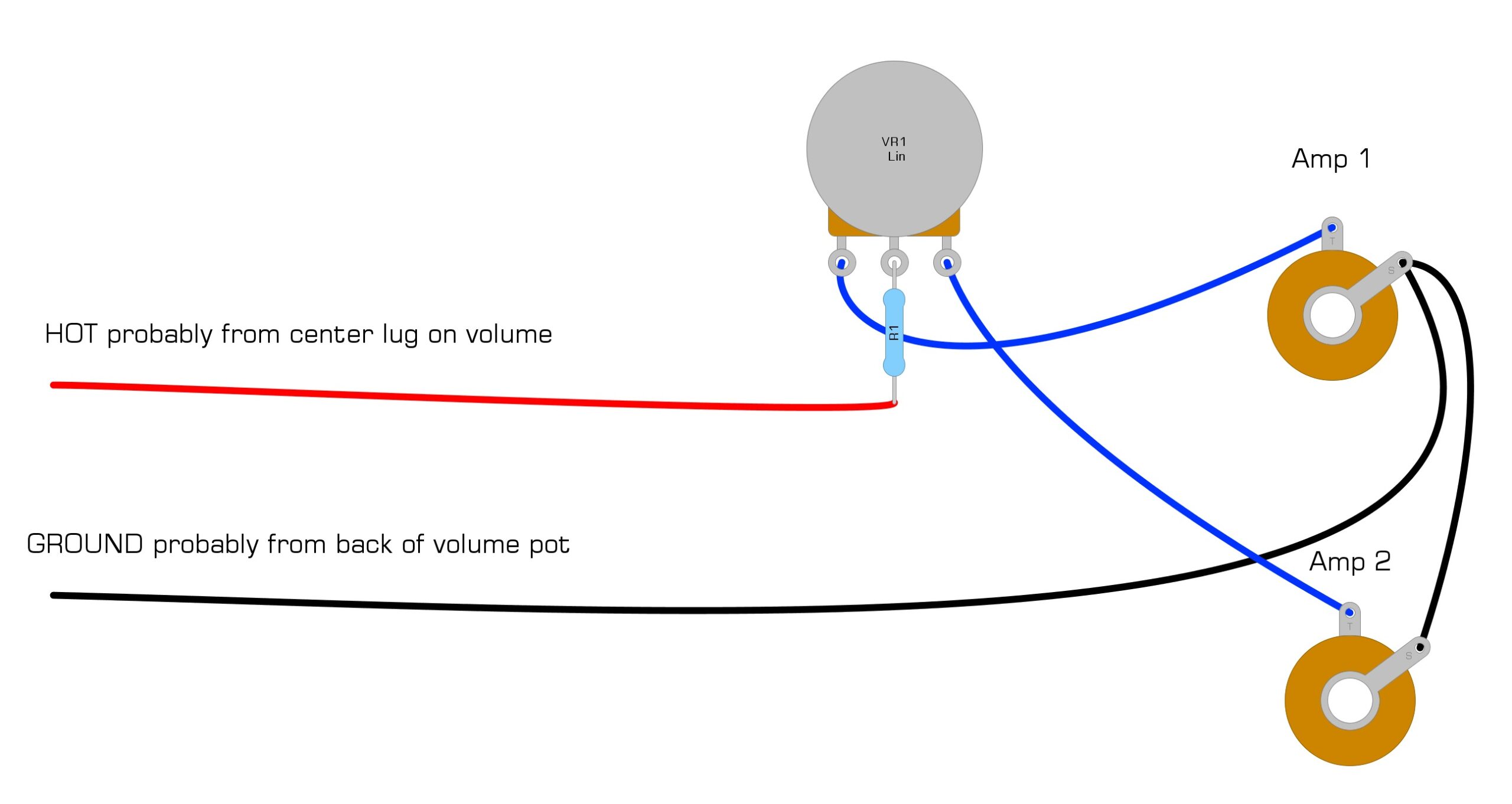
- Hot lead: carries pickup signal to the pot input.
- Pot wiper: sends the variable signal to the output jack.
- Ground: ties pickup ground, pot casings, and bridge to earth.
- Tone cap: wired from pot to ground to remove highs.
If you understand these roles, you will rewire guitar volume and tone knobs correctly and predict results.
Source: humbuckersoup.com
Step-by-step guide: how to rewire guitar volume and tone knobs correctly
Follow steps slowly. Work on a clean bench. Label wires if needed.
- Remove strings and pickguard or control plate.
- Take photos of existing wiring. Photos are your map.
- Desolder old connections one at a time. Keep parts separate.
- Test pots and caps with a multimeter. Replace any out-of-spec parts.
- Solder the hot pickup lead to the pot input lug (usually left lug facing pot shaft).
- Solder the wiper (middle lug) to the output jack or next stage.
- Solder pot casings to the common ground ring. Tie bridge ground to this ring.
- Solder the tone cap between the tone pot wiper or lug and ground as per your wiring choice.
- Add a treble-bleed network if you want tone clarity when lowering volume.
- Reassemble and test through an amp at low volume before restringing.
Keep joints shiny and minimal. Cold solder joints and messy grounds cause crackle and hum. If you follow these steps you will rewire guitar volume and tone knobs correctly and cleanly.

Source: loviesguitars.com
Common wiring configurations and wiring diagrams
Different guitars use different layouts. Know the common patterns before you change anything.
- Single pickup with one volume and one tone: pickup hot to volume input, volume wiper to output, tone cap to tone pot to ground.
- Stratocaster (1 volume, 2 tone): master volume controls output from selector; tone pots usually control neck and middle pickups via selector routing.
- Les Paul style (2 volume, 2 tone, 3-way switch): each pickup has its own volume and tone; switch routes pickup hot to master output.
- Treble-bleed mod: small cap or cap+resistor across volume input and wiper to retain treble at low volume.
When you learn these patterns, you can rewire guitar volume and tone knobs correctly to match original specs. Always consult a wiring diagram for your model and verify connections.

Source: reddit.com
Testing, troubleshooting, and fine-tuning tone
Testing prevents surprises on stage. Do these checks after wiring.
- Continuity test: ensure ground is continuous from bridge to jack sleeve.
- Pot sweep: measure resistance from input to wiper as you turn the knob.
- Cap check: verify tone cap value with an LCR meter or by listening for expected rolloff.
Common problems and fixes: - Crackle or dead spots: likely dirty pots or cold solder joints. Clean or replace pot and reflow solder.
- Hum: check grounding loops, shield control cavities, and ensure jack wiring is correct.
- Weak output: verify pickup hot is connected to the correct lug and that volume wiper connects to the output.
With proper testing you will rewire guitar volume and tone knobs correctly and catch issues before finishing the job.

Source: guitarfetish.com
Personal tips, mistakes to avoid, and advanced mods
I’ve rewired dozens of guitars. Here’s what I learned the hard way.
- Label wires before removing anything. Photos helped me multiple times.
- Don’t overheat pots. Heat can warp the plastic parts and damage wax caps.
- Use star ground techniques for hum reduction when possible. Tie grounds at a single point near the output jack or pot casing.
Advanced mods I recommend: - Push-pull pots for coil-splitting or phase switching.
- Treble-bleed networks to keep clarity at low volume.
- Vintage wiring for warmer response on Les Pauls.
Avoid rushing and avoid using too much solder. Rushing leads to sloppy grounds and noisy controls. These tips will help you rewire guitar volume and tone knobs correctly with pro results.

Source: reddit.com
Frequently Asked Questions of how to rewire guitar volume and tone knobs correctly
How do I choose the right pot value for my guitar?
Choose 250k pots for single-coil pickups to tame brightness, and 500k pots for humbuckers to preserve highs. Audio (log) taper works well for volume; linear is okay for tone.
What capacitor value should I use for tone controls?
Common values are 0.022µF for a balanced rolloff and 0.047µF for a darker tone. Try both to hear which fits your pickups and amp.
How do I ground the bridge when rewiring controls?
Run a wire from the bridge ground to the common ground point on the control cavity or pot casing. Make a secure solder joint to avoid hum.
What is a treble-bleed mod and do I need it?
A treble-bleed mod keeps treble when lowering volume by adding a small cap or cap+resistor between input and wiper. It’s handy if your tone loses clarity when you roll back the volume.
Can I replace pots without changing the wiring layout?
Yes. You can replace pots with the same value and taper. Keep the original wiring pattern and replicate where each wire connects.
How do I test a pot before soldering it in?
Use a multimeter to check resistance between lugs while turning the shaft. The resistance should change smoothly without jumps or noise.
Is it safe to do wiring with strings on the guitar?
It’s safer to remove or slacken strings to access the cavity and avoid damaging strings or scratching the finish. Remove them when possible for a neater job.
Conclusion
Rewiring your guitar volume and tone knobs correctly is a simple skill that improves tone, reliability, and playability. Start with good tools, learn pot and cap roles, and follow a clear step-by-step plan. Test thoroughly and take your time to avoid common mistakes. Try a small mod like a treble-bleed or push-pull switch after you master the basics. If you liked this guide, leave a comment, subscribe for more gear how-tos, or try rewiring a spare guitar today.

Senior Music Reviewer
Alex Carter is a seasoned music reviewer with over a decade of experience in the world of sound and instruments. Passionate about helping musicians and enthusiasts make informed choices, he brings sharp insights and in-depth knowledge to every review. From classical instruments to modern gear, Alex combines technical expertise with a love for music to deliver content that resonates with readers.
As a Senior Music Reviewer and expert author on Tuneluma.com, Alex is dedicated to sharing honest evaluations, practical advice, and thoughtful commentary to guide readers in their musical journey.