Introduction
A violin bow is not sharp like a knife, but its pointed tip can still prick skin, scratch a finish, or damage another instrument. The bow hair is soft and flexible, while the wooden or carbon-fiber stick has a rounded body. The main risk comes from the pointed tip, hard fittings, and careless handling.
For violin players in the United States, the safest rule is simple: hold a bow by the frog, keep the tip away from people, and store it in a case when you are not playing.

What Does “Sharp” Mean on a Violin Bow?
A violin bow has no cutting edge. Its tip is pointed because of the way the bow is shaped and built. This point helps protect and support the end of the bow hair, but it is not meant to cut, pierce, or scrape objects.
The word “sharp” may describe three different parts:
- The bow tip: A pointed end that can cause a small puncture.
- The frog: The lower part held by the player. It may have small hard edges or metal fittings.
- The bow hair: Long strands that grip the strings. They are not sharp, even when tightened.
The bow stick is usually made from pernambuco, another hardwood, or carbon fiber. It is shaped to flex and balance well. It does not have a blade edge.
The tip is the part that needs the most care. Some bows have a pointed tip plate made from bone, ivory substitute, plastic, or another hard material. The exact shape varies by maker and bow type.
Is a violin bow sharper than a cello bow?
A violin bow and a cello bow can both have pointed tips. A cello bow is usually larger and heavier, so it may cause more damage if used carelessly. However, neither bow is designed as a sharp tool.
The risk depends on the bow’s shape, condition, and force of contact. A damaged tip may have a rough edge or a loose plate. That condition can be more dangerous than a smooth, well-maintained tip.

Can a Violin Bow Hurt You?
Yes. A violin bow can cause a minor puncture, scratch, or bruise if it hits someone with force. The tip can be especially painful near the eyes, face, or hands.
Most normal playing does not create a safety problem. The bow moves above the strings, and the player controls it with the right hand. Problems are more likely when someone:
- Waves the bow near another person
- Carries the bow with the tip facing forward
- Leaves the bow outside its case
- Pushes the tip into furniture or a music stand
- Lets a child play with the bow as a toy
- Tries to test the tip against skin
Never use your hand or finger to test whether the tip is pointed. You can inspect it by sight under good light. If the tip looks cracked, loose, rough, or unusually thin, stop using the bow until a qualified violin repair professional checks it.
A bow tip can also harm the violin itself. If the bow falls onto the instrument, the tip or frog may scratch the varnish. Even a small scratch can reduce the instrument’s appearance and may require professional repair.

Which Parts of a Violin Bow Are Most Dangerous?
The tip is the sharpest part, but several parts deserve care.
| Bow part | How sharp or hard it is | Main risk |
|---|---|---|
| Tip plate | Pointed and hard | Punctures, scratches, impact damage |
| Stick | Smooth and rounded | Bruising or impact damage |
| Frog | Hard, squared, or curved | Scratches and small bumps |
| Metal winding | Firm and sometimes ridged | Skin irritation or scratches |
| Screw and button | Small and hard | Scratches if loose or damaged |
| Bow hair | Flexible and soft | Tangling, not cutting |
The bow hair may look like a thin wire when it is tight. It is still not sharp. Bow hair is made from many strands, usually horsehair, and it works by creating friction against the strings. It does not slice the strings or the player’s fingers.
The frog contains the mechanism that holds and tightens the hair. Its edges should feel smooth and stable. A loose metal part, damaged grip, or exposed screw can create a scratch hazard.
A violin bow also contains rosin. Rosin helps the hair grip the strings, but it can make surfaces dusty and slippery. Wipe rosin dust from the instrument with a soft, dry cloth. Do not use household cleaners on the violin or bow.

How Should You Handle a Violin Bow Safely?
Handle the bow by the frog when you are carrying it. Keep the tip pointed down or toward an open area, not toward a person.
Follow these steps:
- Loosen the bow after playing. Turn the screw until the hair has slack, but do not force the screw.
- Hold the bow at the frog. Avoid gripping the hair or pressing the tip against anything.
- Place it in a proper case. The case should support the bow and keep it away from the violin.
- Close the case before moving. A loose bow can fall out and damage the instrument.
- Keep the bow away from children and pets. A bow is a musical tool, not a toy.
- Use a certified repair shop for damage. Do not glue a cracked tip or replace parts with household materials.
Do not carry a bow by the tip. Do not rest it tip-down on the floor. Do not use it to point, tap music stands, open cases, or move objects.
When tightening the bow, stop when the hair is firm and the stick has a healthy curve. The bow should not look straight or stiff. Over-tightening can stress the stick, tip, frog, or screw.
What should you do if the bow tip breaks?
Stop playing and place the bow in its case. Do not pull on loose hair or touch splintered wood. A broken tip can make the bow unstable and may cause more damage if you continue playing.
Take the bow to a violin shop or trained bow repairer. A professional can assess the tip, hair mortise, head, and stick. The repair may involve a new tip plate, head repair, or complete restoration.

Can a Violin Bow Scratch a Violin?
Yes. A bow can scratch a violin if the tip, frog, metal parts, or loose debris contacts the varnish. The risk increases when the bow is dropped, stored poorly, or moved across the instrument.
Rosin dust is not a sharp object, but it can build up on the strings and finish. Heavy buildup may make cleaning harder and can affect the look of the instrument. Use a clean, soft cloth after playing.
Avoid these common mistakes:
- Placing the bow on top of the violin
- Putting the bow in a case with a broken holder
- Letting the bow hair touch the violin’s varnish
- Carrying the violin and bow loose in the same bag
- Using alcohol, furniture polish, or glass cleaner
- Pressing hard when wiping the instrument
If the varnish has a deep scratch, cloudy area, crack, or dent, ask a violin repair professional for advice. Home polishing can spread the damage or affect the finish.
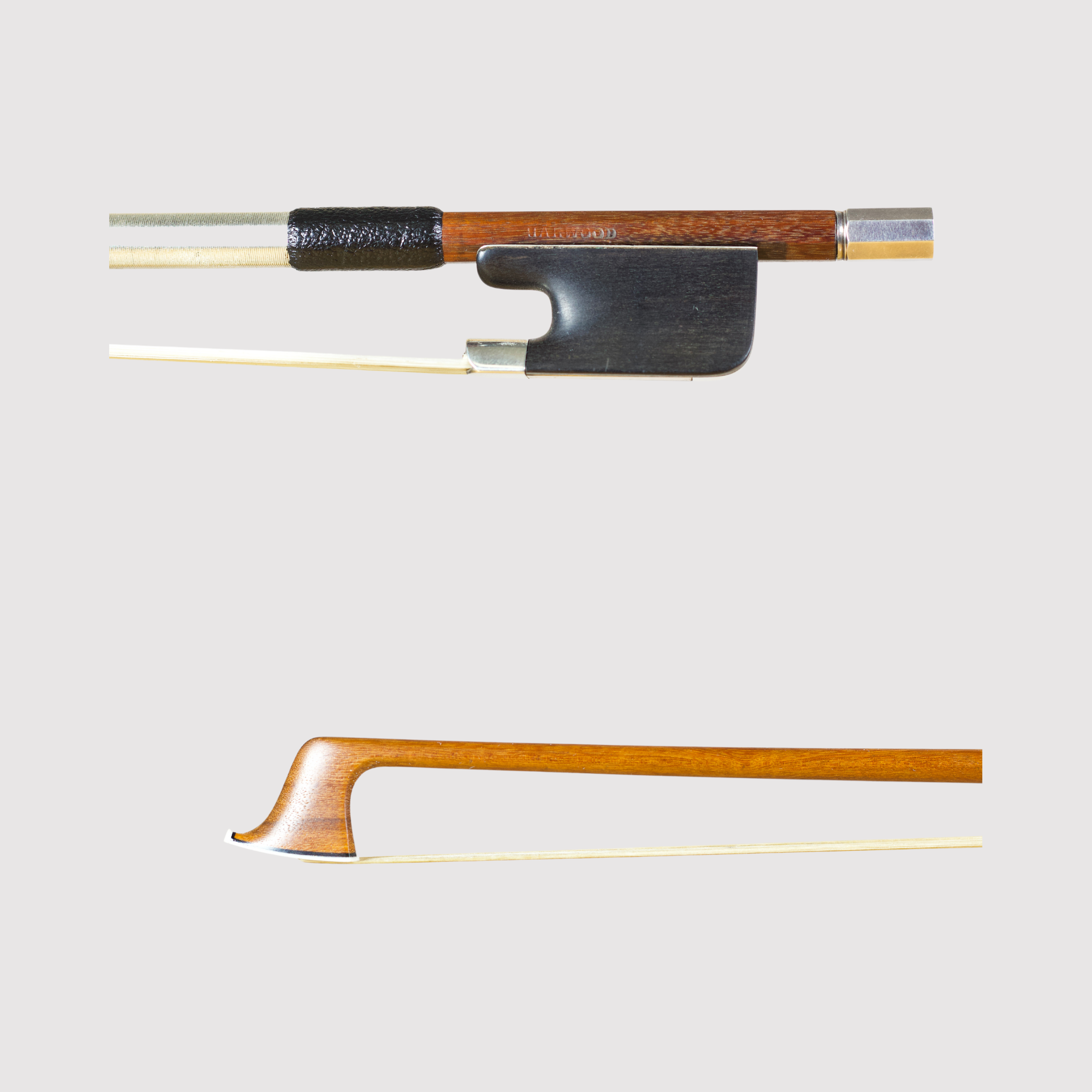
How Do You Know if a Bow Needs Repair?
A bow may need repair when its tip, hair, stick, or frog shows visible damage. Stop using it if you notice:
- A cracked or loose tip
- Splinters near the head
- A bent or twisted stick
- Hair that will not loosen
- Hair that falls out in large groups
- A screw that slips or will not turn
- A frog that moves sideways
- A missing winding or grip
- A sharp metal edge
- A sudden change in balance or feel
Some changes are normal. Bow hair wears out, and a bow may need rehairing after regular use. A repairer can decide whether the problem is routine maintenance or structural damage.
Do not judge a bow only by how sharp the tip looks. A bow with a blunt-looking tip may still have a crack. A bow with a pointed tip may be perfectly safe when the tip is smooth, secure, and undamaged.
A qualified luthier or bow specialist should handle structural repairs. In the United States, many violin shops offer bow rehairing and basic inspection, while more complex work may be sent to a specialist.

Violin Bow Safety: Common Questions
Can a violin bow cut your finger?
A normal violin bow cannot cut like a knife. However, a pointed tip, splinter, broken metal fitting, or damaged wood can puncture or scratch skin. Inspect damaged bows before touching or playing them.
Is violin bow hair sharp?
No. Bow hair is flexible and blunt. Tight hair can feel firm, but it does not have a cutting edge. Its job is to grip the strings with help from rosin.
Can you touch the tip of a violin bow?
You can inspect the tip visually, but avoid pressing it against your finger. If the tip is cracked, loose, or splintered, place the bow in its case and seek professional repair.
Why does a violin bow have a pointed tip?
The pointed head supports the end of the bow hair and helps create the correct balance and shape. The tip is part of the bow’s design, not a cutting tool.
Should violin bow hair be loose after playing?
Yes. Loosen the hair after each playing session. Leaving it tight for long periods can stress the bow and may cause damage over time. Do not loosen it so far that the hair becomes tangled.
Final Answer: How Sharp Is a Violin Bow?
A violin bow is not blade-sharp, but its pointed tip can prick skin and scratch a violin. The bow hair is soft, and the main stick is rounded. The safest practice is to hold the bow by the frog, keep the tip away from people and surfaces, loosen the hair after playing, and have any damaged bow inspected by a qualified repair professional.
If your bow has a loose tip, splinter, sharp metal edge, or bent head, stop using it until it has been checked.

Senior Music Reviewer
Alex Carter is a seasoned music reviewer with over a decade of experience in the world of sound and instruments. Passionate about helping musicians and enthusiasts make informed choices, he brings sharp insights and in-depth knowledge to every review. From classical instruments to modern gear, Alex combines technical expertise with a love for music to deliver content that resonates with readers.
As a Senior Music Reviewer and expert author on Tuneluma.com, Alex is dedicated to sharing honest evaluations, practical advice, and thoughtful commentary to guide readers in their musical journey.