Introduction
For readers in the United States helping a student, family member, or music program buy a violin in the Philippines, the short answer is this: a violin usually costs about ₱3,000 to ₱15,000 for a beginner instrument, ₱15,000 to ₱50,000 for a better student violin, and ₱50,000 or more for advanced or professional models.
The final price depends on the violin’s build, brand, size, condition, included accessories, and place of purchase. A low-priced violin may look affordable but need a new bow, better strings, or professional setup before it plays well.
This guide explains typical violin prices in the Philippines, the extra costs buyers often miss, and how to choose a useful instrument without overpaying.

Typical Violin Prices in the Philippines
Most buyers should budget ₱5,000 to ₱20,000 for a complete beginner violin outfit. This often includes the violin, bow, case, and rosin.
The table below gives practical planning ranges. These are estimates, not fixed price quotes. Retail prices can change with brand, stock, import costs, promotions, and exchange rates.
| Violin type | Typical price in the Philippines | Best for |
|---|---|---|
| Basic student violin | ₱3,000–₱8,000 | Casual use and first lessons |
| Better beginner violin | ₱8,000–₱15,000 | New students who want a more reliable instrument |
| Intermediate student violin | ₱15,000–₱35,000 | Players with regular lessons and several years of practice |
| Advanced violin | ₱35,000–₱100,000+ | Serious students, performers, and music majors |
| Professional violin | ₱100,000–₱500,000+ | Advanced performers and professional musicians |
| Antique or master-made violin | ₱500,000 to several million pesos | Collectors and specialist players |
A complete outfit may cost less than buying each part separately. However, very cheap sets sometimes include weak bows, poor strings, or cases that offer little protection.
Basic student violins: ₱3,000 to ₱8,000
This is the lowest common price range for a playable violin outfit. These instruments are often mass-produced and made for beginners.
A violin in this range may work for:
- A child trying violin for the first time
- A student with a limited budget
- Occasional home practice
- A short-term rental replacement
The main risk is inconsistent setup. The bridge may be too high, the strings may be poor, or the pegs may slip. A teacher or violin repair shop should inspect the instrument before serious use.
Better beginner violins: ₱8,000 to ₱15,000
This range is often the best starting point for a student who plans to take lessons for at least one year.
These violins may offer:
- More stable tuning
- Better-quality strings
- A stronger bow
- Cleaner fingerboard work
- A more useful case
- More consistent sound
A higher price does not guarantee a better violin. The seller’s setup work matters just as much as the label.
Intermediate violins: ₱15,000 to ₱35,000
Intermediate players usually need better response and tone than a basic factory violin can provide.
At this level, buyers often look for:
- A more even sound across all four strings
- Easier shifting into higher positions
- A bow with better balance
- Improved projection
- More reliable tuning hardware
A violin teacher should help select an instrument in this range. Small differences in tone and playability can matter more than brand reputation alone.
Advanced and professional violins: ₱35,000 and above
Advanced instruments can cost tens or hundreds of thousands of pesos. Some are factory-made; others are handmade by individual makers.
Prices may reflect:
- The maker’s reputation
- Wood quality and age
- Craftsmanship
- Historical value
- Condition and restoration history
- Sound quality
- Documentation and ownership records
A high price does not automatically mean that a violin will suit every player. Professional buyers often compare several instruments with a teacher, performer, or trained violin dealer.

What Is Included in a Violin Set?
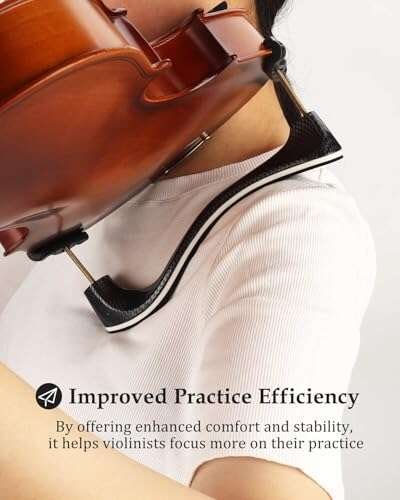
A violin set commonly includes a violin, bow, case, and rosin. Some sellers also include a shoulder rest, extra strings, a tuner, or a cleaning cloth.
Before comparing prices, check the exact contents of the package.
Common items in a beginner outfit
| Item | Usually included? | Why it matters |
|---|---|---|
| Violin | Yes | Main instrument |
| Bow | Yes | Needed to produce sound |
| Case | Usually | Protects the violin during transport |
| Rosin | Often | Helps the bow grip the strings |
| Shoulder rest | Sometimes | Supports comfort and posture |
| Extra strings | Rarely | Useful if a string breaks |
| Tuner | Sometimes | Helps with tuning |
| Fine tuners | Sometimes | Make small tuning changes easier |
A package that costs ₱4,000 may not be a better deal than one that costs ₱6,000. The cheaper set may need immediate repairs or replacement parts.
The bow can change the playing experience
The bow affects tone, control, and comfort. A weak or warped bow can make it hard for a beginner to produce a clear sound.
A complete beginner outfit may include a basic bow made with inexpensive materials. That is acceptable for early practice, but a student who continues may eventually need a better bow.
The case protects the instrument
A soft case may be light and easy to carry, but it offers less protection from impact. A shaped hard case usually costs more and may be a better choice for students who travel by public transport or carry the violin often.
Never store a violin in a hot car or near direct sunlight. Heat can damage the glue and cause the instrument to open at its seams.

Extra Costs to Include in Your Budget
The purchase price is only part of the cost of owning a violin in the Philippines. A realistic first-year budget should include setup, maintenance, lessons, and replacement items.
Typical additional expenses
| Expense | Approximate planning range |
|---|---|
| Basic violin setup | ₱500–₱3,000+ |
| Replacement student strings | ₱500–₱2,500+ |
| Beginner shoulder rest | ₱300–₱1,500 |
| Replacement bow | ₱1,000–₱10,000+ |
| Better case | ₱1,500–₱8,000+ |
| Rosin | ₱150–₱1,000 |
| Music stand | ₱500–₱2,000 |
| Private lessons | Varies widely by teacher and location |
| Violin rental | Often cheaper than buying for short-term use |
These ranges are for planning only. Local shops, imported products, and premium brands may cost more.
Violin setup
Setup is one of the most overlooked costs. A technician may adjust the bridge, soundpost, pegs, strings, and fingerboard.
A proper setup can improve:
- Tuning stability
- String height
- Ease of fingering
- Bow response
- Comfort
- Overall sound
If a new violin feels unusually hard to play, do not assume the student lacks skill. The instrument may need adjustment.
Strings
Factory strings included with low-cost violins may sound thin or harsh. A new set of strings can improve the sound, but expensive strings will not fix a badly made or poorly adjusted violin.
Replace strings when they become dull, frayed, difficult to tune, or damaged. A teacher or shop technician can recommend a suitable set.
Lessons
Lessons often cost more over time than the violin itself. A low-cost instrument with good instruction can be more useful than an expensive instrument without guidance.
Ask the teacher:
- Which violin size does the student need?
- Is a rental better at first?
- Can the teacher inspect the violin before purchase?
- Which accessories are necessary?
- How often should the instrument receive maintenance?

New vs. Used Violins in the Philippines
A used violin can offer better value, but only if its condition is checked carefully. A low price may hide repair costs.
Advantages of buying used
- Lower purchase price
- Possible access to a better-quality instrument
- Existing setup may already be complete
- Less depreciation than a new mass-produced violin
Risks of buying used
- Cracks in the top, back, or ribs
- Open seams
- A warped neck
- Loose or damaged pegs
- Poor bridge placement
- Signs of water or heat damage
- Unclear repair history
- Missing or mismatched parts
A used violin should be inspected by a qualified violin technician or experienced teacher before payment.
Questions to ask a used seller
Ask for clear photos of:
- The front and back
- The scroll and pegbox
- The bridge
- The fingerboard
- The tailpiece
- Any cracks or repaired areas
- The label inside the violin
- The case and bow
Do not treat an internal label as proof of the violin’s maker. Many factory instruments carry labels that resemble the names of famous makers.
Online marketplace precautions
Online marketplaces can offer low prices, but the buyer may not be able to test the instrument. Confirm the return policy before ordering.
Be careful when a listing:
- Uses only stock photos
- Claims a famous maker without documents
- Promises professional quality at an unusually low price
- Does not show the bridge or bow
- Refuses inspection or return
- Gives no clear information about size
Use protected payment methods when possible. Record the unboxing if the platform requires evidence for a return claim.

Is a Cheap Violin Worth Buying?
A cheap violin can be worth buying for a short trial, but the lowest price is not always the lowest total cost.
A ₱3,000 violin that needs a ₱2,000 setup and new strings may cost nearly as much as a better ₱5,000 or ₱6,000 instrument. It may still have poor tone or unstable tuning after the repair.
A cheap violin may be suitable when:
- The student is unsure about continuing
- The violin is properly set up
- A teacher has checked it
- The seller offers a return period
- The buyer needs a temporary instrument
- The instrument is the correct size
Spend more when:
- The student has regular lessons
- The player practices several times each week
- The instrument will be used for school performances
- The first violin causes pain or frustration
- The teacher identifies a clear limitation
- The buyer expects to use the violin for several years
The best value is usually a playable, correctly sized violin with reliable tuning and a usable bow—not simply the cheapest listing.

What Violin Size Should You Buy?
The right violin size depends mainly on the player’s arm length and physical comfort. Children may need fractional sizes, while most teens and adults use a full-size 4/4 violin.
Common sizes include:
| Violin size | Typical user |
|---|---|
| 1/16, 1/10, 1/8 | Very young children |
| 1/4, 1/2, 3/4 | Growing children |
| 4/4 | Most teens and adults |
Age ranges are only rough guides. Two children of the same age may need different sizes.
A violin that is too large can cause:
- Shoulder tension
- Poor posture
- Reaching problems
- Pain in the wrist or neck
- Slow progress
A violin teacher should measure the student or test several sizes. Do not buy a fractional violin based only on age.

Where Can You Buy a Violin in the Philippines?
Buyers can find violins through music stores, specialist violin shops, school music suppliers, online marketplaces, and private sellers.
Music stores
A physical music store lets the buyer inspect the violin and ask about setup, warranty, and repairs. Some stores also provide accessories and maintenance.
Before visiting, ask whether the store has:
- The needed violin size
- Student and intermediate models
- A return or exchange policy
- In-house setup services
- Replacement strings and bows
- Repair support
Specialist violin shops
Specialist shops may provide more useful advice for intermediate and advanced players. They may also allow comparisons between several instruments.
For a serious purchase, ask whether the price includes:
- Setup
- A trial period
- A certificate or invoice
- Adjustments after purchase
- Repair support
Online marketplaces
Online marketplaces may have a wider range of prices. They can be useful for basic accessories, but buying the violin itself carries more risk.
Compare the seller’s reviews, return rules, photos, warranty terms, and shipping method. A violin needs careful packaging because the bridge, pegs, and tailpiece can shift during delivery.
Private sellers
Private sellers may offer good instruments at fair prices, but buyers receive less protection. Take a teacher or technician when possible.

How to Check a Violin Before Buying
A quick inspection can identify many problems, although it cannot replace a professional evaluation.
Check the body
Look for:
- Large cracks
- Open seams
- Loose purfling
- Warped or detached parts
- Deep impact marks
- Signs of water damage
Small repaired cracks are not always serious, but they should be assessed by a technician.
Check the neck and fingerboard
The neck should feel straight and secure. The fingerboard should not have deep grooves or rough edges.
The strings should not sit so high that pressing them becomes painful. They should also not buzz heavily against the fingerboard.
Check the bridge
The bridge should stand upright and align correctly with the violin. It should not lean sharply toward the fingerboard or tailpiece.
Do not force the bridge into place if it has fallen. Incorrect handling can damage the instrument.
Check the pegs and fine tuners
The pegs should turn smoothly and hold their position. If they slip constantly, tuning will become frustrating.
Fine tuners can help beginners make small adjustments, but they should not be loose or damaged.
Check the bow
The bow should be reasonably straight when viewed from the side. The hair should tighten and loosen properly.
Do not over-tighten the bow. Always loosen the hair after playing to reduce stress on the stick.
Test the sound
Play each open string and listen for:
- Clear response
- Excessive buzzing
- Rattling
- Sudden volume changes
- Weak or dead notes
A teacher can test the violin more accurately than a new player.

How Much Should a Beginner Spend?
For most beginners in the Philippines, ₱5,000 to ₱15,000 is a practical starting budget for the violin outfit. Add another amount for setup, lessons, transportation, and replacement accessories.
A simple budget may look like this:
| Item | Example budget |
|---|---|
| Beginner violin outfit | ₱8,000 |
| Initial setup | ₱1,500 |
| Shoulder rest | ₱700 |
| Spare rosin and music supplies | ₱500 |
| Estimated starting total | ₱10,700 |
This is a hypothetical calculation. Actual prices vary by store and model.
If the student may stop after a few weeks, renting can reduce the risk. If the student already has a teacher and plans to practice for years, buying a better beginner violin may save money over time.

Buying a Violin for a Child
For a child, size and comfort matter more than appearance. A beautiful violin that is too large can make lessons difficult and may lead to poor posture.
Parents should ask the teacher to confirm:
- The correct size
- Whether to rent or buy
- A suitable price range
- The minimum accessory list
- How often the child will need a larger violin
Children may outgrow fractional violins. Renting can be practical when the child is still growing quickly.
A rental program may also allow size exchanges. Check whether the rental fee applies toward a later purchase, but read the terms carefully.

Are Electric Violins Cheaper Than Acoustic Violins?
Electric violins are not automatically cheaper. A basic electric violin may cost about the same as, or more than, a basic acoustic violin.
An electric violin also needs related equipment, such as:
- An amplifier or powered speaker
- Instrument cable
- Headphones or audio equipment
- Batteries, depending on the model
- Effects or recording equipment
Electric violins can help with amplified performance or quiet practice when used with headphones. They may not feel or sound like an acoustic violin, especially for traditional lessons.
For a beginner learning standard violin technique, an acoustic violin is usually the safer first choice unless the teacher recommends an electric model.

Common Mistakes When Buying a Violin
The most common mistake is judging a violin by its finish or price alone. A shiny instrument can still have poor setup, and a higher price can reflect branding rather than useful playability.
Avoid these mistakes:
- Buying the wrong size
- Assuming every included bow is usable
- Ignoring setup costs
- Choosing based only on color or appearance
- Buying a famous-looking label without proof
- Skipping the return policy
- Storing the violin in heat or damp conditions
- Tightening the bow too much
- Using household cleaners on the finish
- Buying expensive strings before checking the instrument’s basic condition
When in doubt, pay for an inspection. A small inspection fee can prevent a much larger repair bill.

How to Save Money on a Violin in the Philippines
You can reduce the total cost without choosing the lowest-quality instrument.
Try these steps:
- Ask a teacher to recommend a price range before shopping.
- Compare the complete outfit, not only the violin price.
- Ask whether setup is included.
- Consider a reliable used violin from a specialist seller.
- Rent if the student may stop soon or needs a temporary size.
- Buy only the accessories needed for the first lessons.
- Compare warranty and repair support.
- Avoid unusually cheap listings with unclear photos or return terms.
- Set aside money for strings and maintenance.
- Test the violin before buying whenever possible.
The goal is a stable instrument that supports learning. Spending more on a better setup may help more than spending more on decoration or brand name.

Key Takeaways
- A beginner violin in the Philippines commonly costs ₱3,000 to ₱15,000.
- A complete beginner budget is often ₱5,000 to ₱20,000 after allowing for setup and accessories.
- Intermediate violins often cost ₱15,000 to ₱35,000.
- Advanced and professional violins may cost ₱35,000 to ₱500,000 or more.
- Setup, strings, lessons, and repairs can add substantially to the ownership cost.
- A teacher or violin technician should check the instrument before purchase.
- For children, the correct size is more important than appearance.
- Renting may be the best option for a short trial or a rapidly growing child.
Frequently Asked Questions
How much is a beginner violin in the Philippines?
A beginner violin usually costs about ₱3,000 to ₱15,000, depending on the brand, size, setup, and included accessories. A reliable starter budget is often around ₱8,000 to ₱12,000, plus any needed setup or lessons.
Is a ₱3,000 violin good enough for a beginner?
It can be, but quality varies widely. A ₱3,000 violin may need setup work, better strings, or a replacement bow. Have a teacher or technician inspect it before using it for regular lessons.
Should I buy or rent a violin in the Philippines?
Rent if the student is still deciding, needs a temporary size, or may outgrow the instrument soon. Buying may be better when the student has committed to regular lessons and can use the violin for several years.
How much does a full violin set cost?
A basic full set may cost about ₱3,000 to ₱15,000. Better student outfits can cost ₱15,000 to ₱35,000 or more. Check whether the package includes a bow, case, rosin, shoulder rest, and setup.
What is the best violin brand for a beginner?
There is no single best brand for every beginner. A properly set-up instrument from a reputable music store is often more useful than a poorly adjusted violin with a famous-looking label. The correct size, stable tuning, usable bow, and return support matter most.
How often should violin strings be replaced?
The timing depends on playing hours, string quality, sweat, and condition. Replace strings when they sound dull, feel rough, fray, or become difficult to tune. Ask a teacher or technician to recommend strings for the player’s level.
Conclusion
The cost of a violin in the Philippines ranges from about ₱3,000 for a basic student instrument to more than ₱100,000 for advanced and professional models. For most beginners, a practical total budget is ₱5,000 to ₱20,000, including the outfit and basic setup.
Before buying, confirm the size, inspect the bow and bridge, ask about setup, and review the return policy. If possible, bring a violin teacher or technician. A well-adjusted, modestly priced violin can help a new player progress more than an expensive instrument chosen without inspection.

Senior Music Reviewer
Alex Carter is a seasoned music reviewer with over a decade of experience in the world of sound and instruments. Passionate about helping musicians and enthusiasts make informed choices, he brings sharp insights and in-depth knowledge to every review. From classical instruments to modern gear, Alex combines technical expertise with a love for music to deliver content that resonates with readers.
As a Senior Music Reviewer and expert author on Tuneluma.com, Alex is dedicated to sharing honest evaluations, practical advice, and thoughtful commentary to guide readers in their musical journey.