Pernambuco is the finest violin bow wood, while quality Brazilwood offers the best value for most players.
You may have a violin that sounds fine, yet your bow feels weak, bouncy, or hard to control. The right bow can make clean strokes easier and help your tone feel more even. Wood choice matters, but so do balance, camber, stiffness, hair, and workmanship. In this guide, I compare practical Brazilwood bows, wood options, and carbon-fiber alternatives. I also explain what to look for before you buy, so you can choose the best wood for violin bows for your size, skill, and budget.
See the differences between my top picks at a glance.
LMS Brazilwood Bow 4/4

The LMS full-size bow uses Brazilwood, a common choice for student violin bows. It comes with an ebony frog and Mongolian white horsehair. The listing also highlights a lightweight and well-balanced design. Those features matter because a bow that feels too heavy can make long practice sessions tiring.
This bow fits a standard 4/4 violin, so it suits most adult players and older students. It offers a sensible way to replace a damaged school bow without spending heavily. Like any factory-made bow, the exact feel may vary from one piece to the next.
Pros:
- Full-size fit for most adult violinists
- Brazilwood keeps the price accessible
- Ebony frog gives a familiar hand feel
- Mongolian horsehair supports normal rosin grip
- Lightweight design may feel easy during practice
Cons:
- Brazilwood does not offer the refinement of fine pernambuco
- Factory setup may need checking by a violin shop
- Hair tension and balance can vary between bows
What Amazon Buyers Are Saying
Buyer feedback for this type of bow often focuses on its low price, usable balance, and value as a student replacement. Some buyers may find it ready to use, while others may need fresh rosin or a small setup check. I would treat online comments as useful clues, not a substitute for testing the bow in person.
My Recommendation
I recommend this LMS bow for a student who needs a practical 4/4 replacement. It is a strong value pick, but advanced players may want a more responsive bow from a specialist shop.
AMZZ Brazilwood Violin Bow With Case

The AMZZ bow targets adults and students who want a full-size bow with a case. Its Brazilwood stick, ebony frog, and white horsehair follow a familiar student-bow design. The included case adds useful protection when you carry the bow to lessons or rehearsals.
This model makes sense for a new player who needs a simple package. It may also work as a backup for a more experienced violinist. I would still inspect the stick, screw, hair, and tip before regular use.
Pros:
- Includes a case for easier transport
- Full 4/4 size suits adult violins
- Ebony frog offers a traditional design
- Brazilwood provides budget-friendly access
- White horsehair supports everyday playing
Cons:
- The case may not replace a full violin case
- It may feel basic for advanced technique
- Individual setup quality should be checked after delivery
What Amazon Buyers Are Saying
Common buyer interest centers on the complete package and the convenience of receiving a case with the bow. Reviews of low-cost bows can differ because players have different skill levels and instruments. Look closely at recent comments about hair, balance, and shipping condition before ordering.
My Recommendation
This is a worthwhile starter option when the case adds value for you. I would choose it for lessons, home practice, or backup use rather than demanding solo work.
LMS Brazilwood Bow 1/2 Size
This LMS model uses the same basic Brazilwood approach in a 1/2 size. That smaller format suits a child who has moved beyond a 1/4 violin but is not ready for 3/4 or 4/4. It includes an ebony frog and Mongolian white horsehair.
Size matters more than wood prestige for a young player. A full-size bow can feel awkward and may make bow control harder. This smaller LMS option gives families a low-cost way to match the bow to a growing player.
Pros:
- 1/2 size supports smaller violins
- Useful choice for young learners
- Brazilwood keeps replacement costs low
- Ebony frog follows a familiar layout
- Horsehair offers normal bow-string contact
Cons:
- It will not fit a full-size violin properly
- Children may outgrow it soon
- Budget materials may limit advanced response
What Amazon Buyers Are Saying
Parents usually look for a correct size, fair price, and a bow that arrives usable. Buyer experiences can vary with the condition of the hair and the fit of the frog. Confirm the child’s violin size with the teacher before ordering.
My Recommendation
I recommend this bow when your child needs a 1/2-size replacement. It is a better choice than forcing a full-size bow onto a small violinist.
JYR Handcrafted Brazilwood Bow

The JYR bow is a full-size Brazilwood model made for beginners. Its handcrafted positioning may appeal to a player who wants a more traditional-looking bow. Brazilwood remains a sensible material for early study because it can deliver a usable feel at a modest cost.
A beginner needs a bow that makes basic détaché and slow scales feel manageable. This model may fill that role, but no online listing can guarantee the exact stiffness or balance of a single bow. A teacher or repair shop can help confirm whether the bow suits your instrument.
Pros:
- Full 4/4 size for standard adult violins
- Beginner-focused design
- Brazilwood offers practical value
- Handcrafted style may appeal to new players
- Useful for lessons and basic exercises
Cons:
- It may not satisfy advanced players
- “Handcrafted” does not ensure professional bow setup
- Amazon listings may not show the bow’s exact stiffness
What Amazon Buyers Are Saying
Buyers who choose beginner bows often value low cost and easy replacement. Some may like the traditional look, while others may compare the bow with one supplied by a teacher. Since bow feel is personal, read comments about balance and hair rather than relying only on star ratings.
My Recommendation
This JYR bow is worth considering for a new 4/4 player. I would keep expectations realistic and have it inspected if the bow feels uneven or slips during playing.
VINGOBOW Wood and Carbon Fiber Hybrid
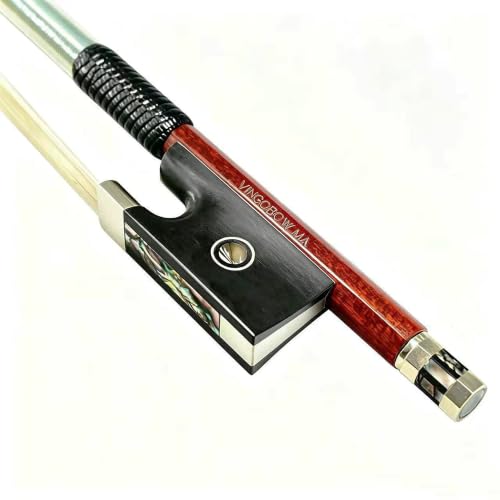
The VINGOBOW combines wood and carbon fiber in a 4/4 violin bow. This design aims to blend the familiar feel of wood with added shaft stability. It may appeal to players who want a practical alternative to a fully wooden bow.
Hybrid bows can make sense for rehearsals, travel, and regular practice. They are not automatically better than pernambuco, but they can offer consistent handling at a more accessible price. Check the frog, hair, screw action, and straightness before you commit to daily use.
Pros:
- Hybrid construction offers a useful middle option
- Full-size fit suits standard violins
- Carbon fiber may help shaft stability
- Good choice for practice or backup use
- Wood content may feel familiar in the hand
Cons:
- It does not provide the full feel of a fine wooden bow
- Hybrid construction details may vary by model
- Players seeking a classic bow may prefer all wood
What Amazon Buyers Are Saying
Hybrid bow buyers often compare durability, control, and value with standard student bows. Reviews can be mixed because some players prefer the response of wood, while others value a stable shaft. Pay attention to comments about smooth bow changes and the condition on arrival.
My Recommendation
I recommend this VINGOBOW for a player who wants a dependable practice or backup bow. It is a smart alternative when pure wood is not the only priority.
LMS Brazilwood Bow 3/4 Size
This LMS model brings its Brazilwood design to a 3/4-size violin. It includes an ebony frog and Mongolian white horsehair. The smaller size helps a growing player use a bow that matches the instrument instead of reaching for a full-size model too early.
The 3/4 stage can last for a while, so a usable bow matters. This model fits families who want a low-cost spare or lesson bow. As with other student bows, check the hair and balance when it arrives.
Pros:
- Correct size for many growing violinists
- Lightweight format may reduce hand fatigue
- Brazilwood offers a low-cost solution
- Ebony frog provides a standard grip area
- Horsehair suits normal rosin use
Cons:
- It is not suitable for a full-size violin
- Growing players may later need a 4/4 bow
- Advanced players may want a more refined response
What Amazon Buyers Are Saying
Families shopping for 3/4 bows tend to focus on fit, price, and whether the bow works for lessons. Experiences may differ based on the violin and the player’s technique. A teacher can quickly spot problems such as poor camber, weak hair tension, or an uneven stick.
My Recommendation
This LMS bow is a sensible 3/4 replacement for a young player. I would buy it for practice and lessons, with a setup check if the child struggles to control it.
Viotti Carbon Fiber Violin Bow
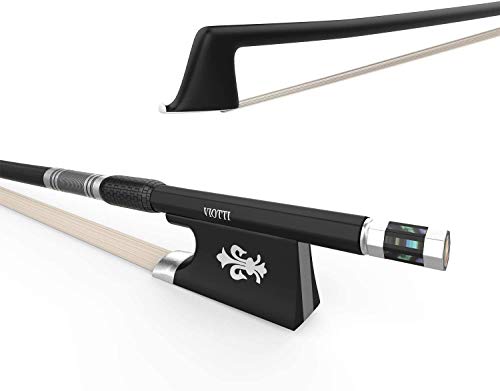
The Viotti is a full-size carbon-fiber bow rather than a wood bow. The listing describes it as strong, stiff, and well balanced, with Mongolian horsehair. Carbon fiber does not have the same natural grain as pernambuco, but it can offer a consistent option for daily playing.
This bow suits players who travel, practice often, or want a backup that handles changes in weather with less concern than many wooden bows. Its response will still depend on the individual bow and setup. I would compare it with your current bow before using it for important performances.
Pros:
- Carbon fiber offers a stable alternative to wood
- Full 4/4 size fits standard adult violins
- Strong shaft suits regular practice
- Mongolian horsehair supports clear contact
- Useful as a travel or backup bow
Cons:
- It cannot reproduce the feel of fine pernambuco
- Some players prefer the warmth of wood
- Stiffness may feel firm for light bow technique
What Amazon Buyers Are Saying
Carbon-fiber buyers commonly compare strength, balance, and sound response with wooden bows. Some players value a reliable backup, while others notice that synthetic construction feels different under the hand. Read buyer comments for details on comfort, hair quality, and return experiences.
My Recommendation
I recommend the Viotti for travel, outdoor playing, and backup use. If you specifically want the best wood for violin bows, choose a wooden model instead, but this is a strong practical alternative.
Holibanna Wooden Replacement Bow

The Holibanna bow is a simple wooden replacement with natural horsetail hair. The listed length is about 17.3 inches, so it is not a standard full-size adult bow. Its simple design may suit a beginner, a craft project, or someone who needs an inexpensive spare.
Measure your violin and current bow before ordering this model. The assorted finish colors add visual choice, but appearance should come after correct size and safe construction. I would not choose it for demanding orchestra work without first testing its balance.
Pros:
- Simple wooden replacement design
- Natural horsetail hair is listed
- Compact length may suit smaller instruments
- Low-cost option for basic use
- Useful as an emergency spare
Cons:
- Listed length may not fit a standard 4/4 violin
- Assorted finishes mean you may not select the exact color
- It may lack the control needed for advanced playing
What Amazon Buyers Are Saying
Shoppers considering a replacement bow usually care about size, basic function, and delivery condition. Review patterns for small replacement bows can vary widely because buyers use them on different instruments. Confirm measurements and inspect the tip, frog, and hair before applying strong tension.
My Recommendation
Buy this Holibanna bow only after confirming the length. It can work as a basic spare, but it is not my first choice for a serious 4/4 violinist.
MI&VI NB-510 Brazilwood Bow

The MI&VI NB-510 is a full-size Brazilwood bow with an ebony frog, octagonal silver mount, and Mongolian horsehair. Its octagonal shape may appeal to players who like a clear edge and defined hand position. The listing also describes it as light and well balanced.
This bow looks more detailed than a very basic student model. Still, fittings do not tell the whole story. The stick’s camber, stiffness, and balance control the playing feel, so I would judge those points first.
Pros:
- Full 4/4 size for adult violins
- Octagonal mount gives a traditional visual detail
- Ebony frog provides a familiar grip
- Mongolian horsehair suits regular playing
- Lightweight, balanced design is listed
Cons:
- Brazilwood remains below fine pernambuco in prestige
- Online buyers cannot test the exact balance first
- It may need professional setup after shipping
What Amazon Buyers Are Saying
Buyers interested in the NB-510 tend to notice its fittings, low weight, and price. As with other online bows, comments may differ on stiffness and sound because each violin responds in its own way. Focus on detailed reviews that mention bow control rather than appearance alone.
My Recommendation
This is one of my better Brazilwood picks for an adult student. It offers useful fittings and a balanced design at a practical price, though advanced players should compare it with a shop-tested bow.
How to Choose Best Wood for Violin Bows
Choosing the best wood for violin bows takes more than reading the word “Brazilwood” on a listing. A bow must match the violin, player, and playing goal. I look at the wood, the bow’s shape, the hair, and the seller’s return policy before I buy.
1. Understand Pernambuco, Brazilwood, and Carbon Fiber
Pernambuco, also called pernambuco wood, has long been prized by professional bow makers. It can offer a strong yet lively stick with a refined response. Good pernambuco bows can cost far more than student bows, and legal trade rules may apply because the tree is protected.
“Brazilwood” usually describes less costly bow woods used for student models. The name does not guarantee one exact species or one fixed quality level. A well-made Brazilwood bow can work very well for a beginner, but it normally does not match a top pernambuco bow in feel and resale value.
Carbon fiber is not wood, but it deserves comparison. It often gives players a stable and durable option. It may suit travel, outdoor use, or a backup role. I would choose the material based on response and use, not on marketing words alone.
2. Match the Bow Size and Balance to the Violin
Start with size. A 4/4 bow belongs with a full-size violin. A 3/4 bow belongs with a 3/4 violin, and a 1/2 bow belongs with a 1/2 violin. Ask the teacher or measure the current bow if you are unsure.
Next, check balance. A bow should not feel like it pulls hard toward the tip or frog. The player should move it with relaxed fingers. A lightweight bow can help a child, but very light does not always mean better. The stick still needs enough strength for steady contact.
Look at the camber, too. Camber means the gentle curve of the stick when the hair is loose. The stick should look straight from end to end when viewed from above. Do not use a bow with a warped stick, loose fittings, or a cracked tip.
3. Judge Hair, Frog, Setup, and Long-Term Value
Horsehair creates the grip between bow and string. New hair needs suitable violin rosin. Tighten the hair only enough for normal playing, then loosen it after each session. Leaving the hair tight can damage the bow over time.
The frog should slide smoothly when you turn the screw. The button should not wobble. Check the winding, thumb leather, tip plate, and eyelet. These small parts affect comfort and repair cost.
Finally, compare the return policy and seller support. Online bow listings cannot show every detail of a single stick. A return option gives you time to test the bow with your violin. For a child, ask the teacher to check it. For an advanced player, compare several bows in person.
Final Verdict: Which Should You Buy?
For most students, I would choose the MI&VI NB-510 or LMS 4/4 Brazilwood bow. The NB-510 offers the most polished student package, while the LMS gives excellent basic value. The Viotti is my pick for a durable carbon-fiber alternative.
Pernambuco remains the best wood for violin bows when budget and access allow. For affordable online shopping, choose a well-sized Brazilwood bow with good balance, fresh hair, and a clear return policy.
FAQs Of best wood for violin bows
What is the best wood for violin bows?
Pernambuco is the traditional top choice for professional bows. Quality Brazilwood is a practical and affordable choice for students.
Is Brazilwood good for a beginner violin bow?
Yes. A well-made Brazilwood bow can provide useful control for lessons and practice at a lower price than pernambuco.
Is pernambuco better than Brazilwood?
Often, yes. Pernambuco can offer a more refined response, but bow quality and setup still matter more than the label alone.
Should I buy a carbon-fiber violin bow instead?
Carbon fiber is useful for travel, outdoor playing, and backup use. Choose it when durability and stability matter more than a traditional wood feel.
How do I choose the correct violin bow size?
Match the bow to the violin size. Use a 4/4 bow for a full-size violin and smaller bows for 3/4, 1/2, and other youth sizes.

Senior Music Reviewer
Alex Carter is a seasoned music reviewer with over a decade of experience in the world of sound and instruments. Passionate about helping musicians and enthusiasts make informed choices, he brings sharp insights and in-depth knowledge to every review. From classical instruments to modern gear, Alex combines technical expertise with a love for music to deliver content that resonates with readers.
As a Senior Music Reviewer and expert author on Tuneluma.com, Alex is dedicated to sharing honest evaluations, practical advice, and thoughtful commentary to guide readers in their musical journey.