Best Clip On Tuner For Bass Guitar: Top Picks For Accuracy
The Fender FCT-2 is my top pick for clear, fast, and reliable bass tuning in any setting.
A bass can sound wrong even when your hands feel right. Low strings also create less obvious pitch movement, so tuning by ear can take time, especially in a loud room. A clip-on tuner solves that problem by reading the vibration from the headstock, not the noise from an amp or speaker. I tested the key features that matter most, including display size, bass response, clamp grip, screen angle, battery life, and ease of use. This guide will help you choose the best clip on tuner for bass guitar for practice, rehearsal, recording, or live work.
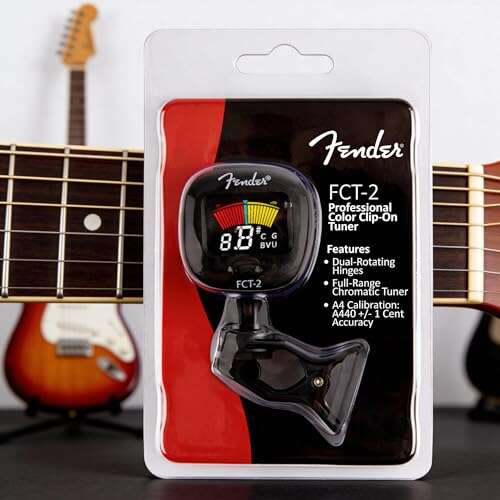
Fender FCT-2 Clip-On Tuner

The Fender FCT-2 is a strong all-around choice for bass players who want a simple tuner with a clear screen. Its color display makes the tuning direction easy to read at a glance. The multi-instrument design also works for guitar, ukulele, violin, and other common string instruments. I like its balanced mix of useful features and compact size.
This tuner responds to vibration through the clip, so nearby amps and talking do not confuse it as easily as a microphone tuner can. The rotating head lets you set the screen where it is easy to see from a seated or standing position. The clamp feels suited to normal headstocks and does not require much force. For many players, this is the best clip on tuner for bass guitar because it feels polished without adding needless steps.
Pros:
- Clear color screen is easy to read
- Works well with bass and other string instruments
- Rotating display supports flexible viewing angles
- Vibration sensing helps in noisy rooms
- Compact body stays out of the way
- Recognizable Fender build and design
Cons:
- It may cost more than basic generic tuners
- The screen is small for players with poor eyesight
- The included battery will need replacement over time
Snark SN5X Clip-On Tuner

The Snark SN5X has earned a place in many gig bags because it is direct and easy to use. It supports guitar, bass, and violin modes, which helps the tuner focus on the right pitch range. The buttons are simple, and the screen gives a quick visual cue as you approach the note. This makes it a friendly pick for a new bass player.
On bass, I recommend plucking one string at a time and allowing the note to ring. The SN5X can then show whether the note is flat or sharp without forcing you to play hard. Its clip attaches to the headstock and its swivel design helps reduce awkward viewing angles. If you want the best clip on tuner for bass guitar at a sensible price, this Snark model deserves serious attention.
Pros:
- Simple controls suit beginners
- Dedicated bass mode improves note tracking
- Swivel head makes the display easier to view
- Small body fits most gig bags
- Quick visual feedback speeds up tuning
- Usually offers good value for the money
Cons:
- The display can feel modest on a dark stage
- Battery power means you need a spare cell
- The plastic body may not feel as premium as metal designs
New Bee Rechargeable Color Screen Tuner

The New Bee rechargeable tuner brings modern convenience to a familiar clip-on format. Instead of keeping coin batteries nearby, you can charge the tuner when its power runs low. Its color screen gives a strong contrast between the note name and the tuning indicator. The 360-degree rotating design lets you place the display in a comfortable position.
This model supports chromatic tuning and several string instruments, including bass. It can also help players who use alternate or open tunings because chromatic mode does not limit you to standard tuning. I find rechargeable power useful for students who practice often and do not want to buy batteries every few weeks. For flexible features at a modest price, it can be the best clip on tuner for bass guitar for home practice and casual performance.
Pros:
- Rechargeable design reduces battery waste
- Color screen is easy to understand
- 360-degree rotation supports many headstock positions
- Chromatic mode works with alternate tunings
- Supports bass and several other instruments
- Useful for regular practice sessions
Cons:
- Charging adds one more item to remember
- Battery life can change with screen brightness and use
- Some players may prefer the long-term simplicity of replaceable batteries
New Bee Rechargeable Color Screen Tuner
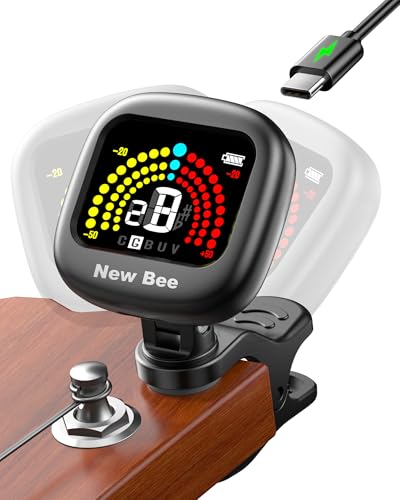
This New Bee clip-on tuner focuses on the features most players use each day. It has a rechargeable power system, a color display, and a compact clip for headstock mounting. The controls are not complicated, which helps you tune quickly before a lesson or rehearsal. The screen design also makes the center note easy to spot.
For bass, a tuner must sense a low note without making you pluck so hard that the pitch rises. This type of vibration tuner works best when you mute the other strings and let each note settle. The swivel screen can help when your bass has a large headstock or an unusual shape. I would consider this option when the best clip on tuner for bass guitar must be affordable, rechargeable, and simple.
Pros:
- Rechargeable battery is convenient for frequent use
- Color display gives clear tuning feedback
- Small design adds little weight to the instrument
- Clip-on operation keeps tuning private and quiet
- Works with bass and other common instruments
- Good feature set for home and school use
Cons:
- It may need charging before an important show
- Generic construction may not match premium brand durability
- Very bright stage lighting may affect screen comfort
D’Addario Nexxus 360 Rechargeable Tuner

The D’Addario Nexxus 360 is made for players who want a clean, modern tuner that stays out of the way. Its rechargeable design removes the need for regular coin-cell changes. The rotating body gives you a broad range of screen positions, which is useful on basses with different headstock layouts. D’Addario also has deep experience making strings and other tools for working musicians.
The display is easy to monitor while you turn a tuning key, and the clip holds the tuner close to the instrument. I prefer this style when I need to tune between songs without taking my bass off. Like any clip-on tuner, it reads vibration best when the bass is not resting against a loud speaker cabinet. This is a strong candidate for the best clip on tuner for bass guitar if you value a rechargeable design and a low-profile look.
Pros:
- Rechargeable operation is convenient for regular gigs
- 360-degree adjustment helps with screen visibility
- Low-profile shape looks tidy on a bass headstock
- Trusted music accessory brand
- Silent vibration tuning works well backstage
- Useful for players who own several instruments
Cons:
- It cannot run forever without charging
- Small text may be less clear from a distance
- It may be more expensive than entry-level tuners
D’Addario Eclipse Rechargeable Tuner

The D’Addario Eclipse takes a discreet approach to clip-on tuning. Its black finish blends with many bass headstocks, and the compact body does not distract from the instrument. It uses rechargeable power, so it suits players who tune often at home, in the studio, or at a show. The headstock clip gives the tuner direct contact with the instrument’s vibration.
I like the Eclipse when I want a tuner that can remain attached during a set without looking bulky. Its screen can be adjusted to help you check pitch from different playing positions. Bassists should still mute unused strings because sympathetic vibration can make any tuner work harder. If subtle design and easy charging matter to you, this model may be the best clip on tuner for bass guitar for a tidy pedalboard-free setup.
Pros:
- Discreet black finish suits many instruments
- Rechargeable battery reduces ongoing battery costs
- Compact headstock design feels unobtrusive
- Useful for quiet tuning before and during a set
- Brand has strong experience in music accessories
- Simple operation helps reduce setup time
Cons:
- Black styling may be harder to see in low light
- Charging is required before long sessions
- Its compact display may not suit every player
Fender FT-1 Clip-On Tuner

The Fender FT-1 is a compact chromatic tuner for players who want a familiar brand and a basic control layout. It clips to the headstock and uses instrument vibration rather than room sound. That makes it useful in a band room, where an open microphone tuner could hear several instruments at once. Its straightforward design keeps the learning curve short.
For bass, I would use the FT-1 with a gentle pluck and a short pause between notes. Low E and low B strings need time to settle, and rushing the process can lead to false readings. The tuner is small enough to stay in a case pocket or accessory pouch. It is a practical choice for students and casual players searching for the best clip on tuner for bass guitar from a well-known guitar brand.
Pros:
- Easy-to-learn chromatic tuning controls
- Vibration sensing works without a cable
- Compact body stores easily
- Suitable for bass, guitar, and general practice
- Fender name may appeal to brand-focused players
- Useful for lessons and rehearsals
Cons:
- It may have fewer advanced features than premium models
- Small screens can be tough to read on stage
- Battery replacement adds a small upkeep task
Generic Clip-On Chromatic Tuner

This compact chromatic tuner is aimed at players who need a low-cost tool for basic tuning. It supports several instruments, including acoustic guitar, electric guitar, bass, ukulele, violin, and banjo. The clip-on format lets you tune without connecting a cable or using a phone app. That makes it a useful spare for a student, beginner, or family music room.
I would keep a tuner like this in a backup pocket of my gig bag. It can handle everyday tuning, but I would check its reading twice before a paid recording session or major performance. A clip should make firm contact with the headstock without crushing the finish, so always attach it with care. For buyers on a tight budget, it may be the best clip on tuner for bass guitar when low price matters most.
Pros:
- Low-cost option for basic tuning
- Supports many popular string instruments
- Clip-on design works without a cable
- Small enough for a spare instrument case
- Chromatic mode supports standard and alternate tuning
- Good choice for beginners and occasional players
Cons:
- Build quality may vary more than branded models
- The display may be less refined in bright light
- Serious performers may want faster or more stable tracking
Snark ST-2 Chromatic Tuner

The Snark ST-2 is a multi-instrument tuner with a larger feel than many tiny headstock units. It can read vibration and also provide flexibility for different instruments. That makes it useful for a bassist who also plays guitar or helps tune instruments for family members. Its chromatic approach allows you to tune beyond basic factory settings.
I find a multi-instrument tuner helpful when I move between a four-string bass, a five-string bass, and guitar during practice. The key is to isolate one string and use a steady pluck so the tuner receives a clean signal. The adjustable clip helps place the screen where your hand or shoulder does not block it. This Snark model is a good best clip on tuner for bass guitar contender for players who want one tuner for a whole instrument collection.
Pros:
- Multi-instrument design adds useful flexibility
- Chromatic tuning supports alternate tunings
- Vibration reading works in noisy spaces
- Good fit for players with several instruments
- Swivel adjustment improves viewing comfort
- Simple display keeps tuning easy to follow
Cons:
- Its larger design may feel less hidden on a headstock
- Battery power requires a spare for travel
- It may offer more functions than a beginner needs
Ranch Clip-On Chromatic Tuner
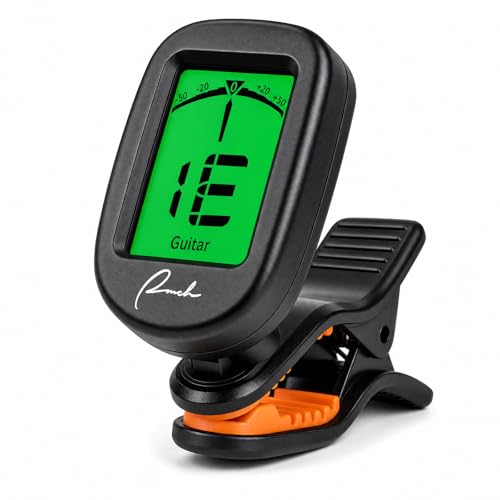
The Ranch clip-on tuner is a simple chromatic model for guitar, bass, ukulele, violin, and banjo. It is designed for quick checks rather than deep menu work. The clip attaches directly to the instrument, and the display shows whether the note sits below or above pitch. This simple format works well for players who want less gear in their setup.
On a bass, I would use it before every practice session because tuning drift can change the feel of a whole song. Temperature, fresh strings, playing force, and tuning key movement can all affect pitch. A small tuner in the case makes it easier to correct those changes before they become a habit. It can be the best clip on tuner for bass guitar for a budget-minded player who wants a basic and portable tool.
Pros:
- Simple controls are easy for new players
- Works with several string instruments
- Portable design fits in most accessory bags
- Quiet headstock tuning suits shared rooms
- Chromatic operation supports many tunings
- Useful as an inexpensive backup tuner
Cons:
- It may lack rechargeable power
- Display visibility can depend on the room light
- Advanced players may prefer a more refined response
How I Choose a Bass Clip-On Tuner
Picking a tuner for bass is not the same as picking one for a high-pitched instrument. Bass strings move more slowly, and their fundamental notes sit lower. That can challenge a tuner with weak vibration sensing. I look for a model that holds the reading long enough for the note to settle.
I also check the clip. A good clip grips the headstock firmly, but it should not feel like it is biting into the finish. The rubber or padded contact points should protect the instrument during normal use. If the clip slips, even an accurate tuner becomes frustrating.
Screen design matters more than many buyers expect. A player may need to look at the tuner from a standing position, under a rehearsal light, or between songs. A bright color display can help, but brightness alone does not guarantee easy reading. Clear note letters and a large tuning guide matter just as much.
Chromatic Mode Versus Bass Mode
A bass mode tells the tuner to expect common bass notes. This can make note recognition feel faster. A chromatic mode reads the note across the musical scale and works well for alternate tunings, dropped tunings, and five-string basses.
For a four-string bass in standard tuning, either mode can work. For a five-string bass, low B tracking becomes more important. If you use a high C string, unusual intervals, or open tunings, chromatic mode gives you more freedom. I prefer a tuner that offers a useful instrument mode plus chromatic flexibility.
Why Vibration Sensing Helps Bassists
A microphone tuner listens to sound in the air. A clip-on tuner reads the vibration that travels through the instrument. This difference is valuable when other musicians are warming up nearby. It also helps when you tune an unplugged electric bass in a room with background noise.
Vibration sensing is not magic. The clip still needs a solid connection, and the note needs to ring clearly. Mute the strings you are not tuning. Then pluck near the end of the fingerboard with a steady touch. These small habits can improve any tuner’s response.
Rechargeable or Replaceable Battery?
Rechargeable tuners are convenient for players who use them often. You can charge one from a USB cable and avoid buying small batteries. This design also creates less battery waste. However, you must remember to charge it before a lesson, rehearsal, or show.
Replaceable-battery models suit players who want quick backup power. A spare coin cell weighs little and can save a performance. If you travel often, check the battery type and keep one in your case. I recommend rechargeable power for daily practice and replaceable batteries for emergency readiness.
Display Angle and Headstock Shape
Bass headstocks vary in length, width, and angle. Some have four tuners in a line. Others use two tuners on each side. A 360-degree or swivel display can make a major difference because you can aim the screen toward your eyes.
Before buying, think about where you stand when you tune. If you tune while holding the bass in playing position, the tuner may point away from you. An adjustable screen fixes that small but common problem. The best clip on tuner for bass guitar should be easy to see without twisting your neck or moving the instrument.
Accuracy and Real-World Tuning
Most modern chromatic tuners can guide a bass into normal playing tune. Accuracy claims matter, but response and stability matter too. A tuner that jumps between readings can waste more time than a tuner with a slightly smaller specification.
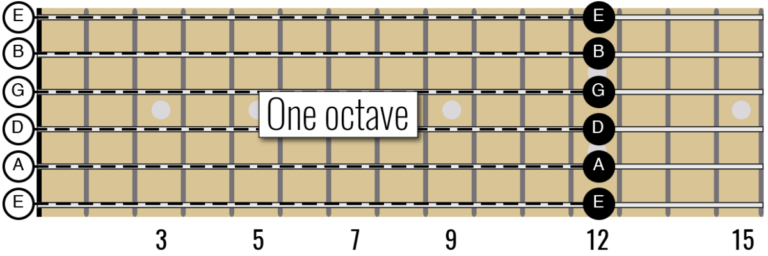
I tune the open string first, then compare it with the fretted octave at the twelfth fret. If the octave is sharp or flat, the issue may involve intonation, not the tuner. This check helps separate a setup problem from a tuning problem. A clip-on tuner gives you a reference, but it cannot repair the bridge or neck.
How to Tune a Bass With a Clip-On Tuner
Start by attaching the tuner to the headstock. The top or side of the headstock often gives a strong vibration signal. Turn the tuner on and select bass mode if the model includes it.
Mute the other strings with your fretting hand or palm. Pluck the string with a medium touch, then let it ring. If the note reads flat, raise it slowly with the tuning key; if it reads sharp, lower it below the target and return upward.
Always tune up to the note when possible. This helps reduce slack around the tuning post. After tuning all strings, check them again because changing one string can slightly alter neck tension. Finally, play a chord or short bass line and listen for beats between notes.
Using a Clip-On Tuner on a Five-String Bass
A five-string bass adds a low B string, which can expose weak tuner tracking. Pluck the low B near the bridge with a steady touch if the open note feels too soft. Let the note ring, but stop it before other strings create extra vibration.
If the tuner struggles, try moving the clip to another part of the headstock. Make sure the clip sits firmly and that the tuner does not touch a loose string or hardware part. A fresh string may also need several tuning cycles before it becomes stable. These steps often help more than simply plucking harder.
Clip-On Tuner Versus Phone App
A phone app can be accurate and useful, but it depends on the phone microphone. Room noise, amp sound, and low bass can make the app work harder. A clip-on tuner stays attached to the instrument and reads its vibration directly.
A phone also brings distractions. A text alert or call can interrupt the tuning process. I still use apps for quick checks, but I prefer a clip-on tuner for rehearsals, lessons, and stage work. It is faster to grab and does not require a quiet room.
What Bass Players Should Avoid
Avoid clamping a tuner onto a thin or delicate finish with excessive force. Do not leave a bulky tuner attached inside a crowded case. Pressure and movement can damage accessories or mark the instrument over time.
Also avoid tuning by the first unstable reading. Bass strings need time to settle, especially after a strong pluck. Wait for the indicator to calm down. If the note keeps moving, check your technique, the string condition, and the bridge or nut before blaming the tuner.
Best Uses for These Tuners
The Fender FCT-2 and Snark SN5X suit players who want proven, simple operation. The rechargeable New Bee and D’Addario models fit players who dislike replacing batteries. The generic and Ranch tuners make sense as low-cost choices or backup tools.
The Snark ST-2 stands out for multi-instrument use. The D’Addario Eclipse appeals to players who want a discreet black tuner. No single tuner fits every bassist. The right choice depends on how often you play, where you play, and how much screen flexibility you need.
My Recommendation
I recommend the Fender FCT-2 for most bass players. It offers a clear display, useful instrument support, flexible positioning, and dependable vibration-based tuning in a small package. Beginners can understand it quickly, while experienced players can use it for quiet checks before rehearsal or a show.
The Snark SN5X is my value pick for a first bass tuner. Choose the D’Addario Nexxus 360 or Eclipse if you prefer rechargeable power and a more refined design. The New Bee models work well for budget buyers who want color screens and charging. For a low-cost spare, the generic tuner or Ranch model can do the job.
In short, the best clip on tuner for bass guitar should read low notes with confidence, stay secure on the headstock, and show pitch clearly. Choose the Fender for the best balance, Snark for simple value, or D’Addario for rechargeable convenience. Prices and stock can change, so check the current Amazon listing before ordering.
| Best for | Why |
|---|---|
| Most bass players | The Fender FCT-2 balances clear viewing, flexible use, and simple controls. |
| Rechargeable convenience | The D’Addario Nexxus 360 and Eclipse reduce the need for spare coin batteries. |
| Lowest-cost backup | The generic and Ranch tuners provide portable chromatic tuning at a budget price. |
FAQs Of best clip on tuner for bass guitar
Do clip-on tuners work well for bass guitar?
Yes. A clip-on tuner reads vibration through the bass, so it can work well in a noisy room. Pluck one string at a time and let the note ring. Low B strings may need a softer, longer note for a stable reading.
Where should I place a clip-on tuner on my bass?
Attach it to the headstock where the clip feels secure. The top or side often gives a strong vibration signal. Adjust the screen so you can read it without turning the bass too far.
Are rechargeable bass tuners better than battery tuners?
Rechargeable tuners are convenient for frequent players. Battery models are useful when you want instant backup power. The better choice depends on whether you prefer charging a tuner or carrying a spare battery.
Can I use a guitar tuner on bass?
Many guitar tuners also work on bass, especially if they include bass mode or chromatic mode. Always confirm that the tuner supports low bass notes. A tuner made for several instruments is often the safest choice.
Why does my tuner show a different note each time?
Muted strings, weak plucks, room vibration, or a loose clip can cause unstable readings. Pluck with a steady touch and mute the other strings. If the note still moves, inspect the string, tuning key, bridge, and instrument setup.
Final Verdict: Which Should You Buy?
The Fender FCT-2 is my top choice because it combines clear feedback, flexible viewing, and reliable everyday use. The Snark SN5X is a smart value pick, while D’Addario models suit players who want rechargeable power.
The best clip on tuner for bass guitar is the one you will use before every session. Keep it in your case, tune slowly, and your bass will feel more stable and sound more musical.

Senior Music Reviewer
Alex Carter is a seasoned music reviewer with over a decade of experience in the world of sound and instruments. Passionate about helping musicians and enthusiasts make informed choices, he brings sharp insights and in-depth knowledge to every review. From classical instruments to modern gear, Alex combines technical expertise with a love for music to deliver content that resonates with readers.
As a Senior Music Reviewer and expert author on Tuneluma.com, Alex is dedicated to sharing honest evaluations, practical advice, and thoughtful commentary to guide readers in their musical journey.