A Major 7th Chord Guitar: Easy Shapes And Tips
An A major 7th chord guitar shape combines A, C#, E, and G# for a warm, smooth sound.
The a major 7th chord guitar sound is bright, rich, and gentle. It adds color without the strong pull of a dominant seventh chord. In this guide, you will learn the notes, shapes, theory, strumming ideas, common mistakes, and practical ways to use this beautiful chord in real music.

What Is an A Major 7th Chord on Guitar?
An A major 7th chord contains four notes:
• A, the root
• C#, the major third
• E, the perfect fifth
• G#, the major seventh
The chord symbol is usually written as Amaj7, A major 7, or AΔ7. These names mean the same thing in most guitar charts.
The major seventh is one semitone below the root. In this case, G# sits one fret below A. That close distance gives the chord its soft tension. It sounds settled, but it also feels open and slightly dreamy.
The a major 7th chord guitar shape is common in jazz, pop, soul, R&B, folk, and acoustic music. It works well when you want a more refined sound than a plain A major chord.
A basic A major chord uses A, C#, and E. Adding G# changes the mood. Think of it as adding a soft glow to a familiar color.

Easy A Major 7th Chord Guitar Shapes
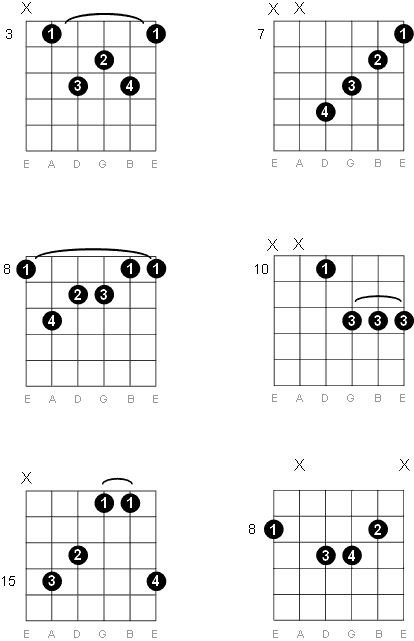
There are several useful ways to play the a major 7th chord guitar shape. Start with the easiest version, then try the shapes that fit your style.
Open Amaj7 shape
A simple open shape is:
e|--0--  E
B|--2--  C#
G|--1--  G#
D|--2--  E
A|--0--  A
E|--x--
Use these fingers:
• Index finger on the G string, first fret
• Middle finger on the D string, second fret
• Ring finger on the B string, second fret
• Open A and high E strings
• Do not play the low E string
This is one of the best starting points for an a major 7th chord guitar lesson. It is easy to fret and sounds clear on both acoustic and electric guitar.
Compact three-string shape
You can also play a small version on the top three strings:
e|--0--
B|--2--
G|--1--
D|--x--
A|--x--
E|--x--
This shape is useful for quiet rhythm parts. It also works well when another instrument is playing the bass note.
Amaj7 barre shape at the fifth fret
A movable shape begins at the fifth fret:
e|--5--  A
B|--5--  E
G|--6--  C#
D|--6--  G#
A|--7--  E
E|--5--  A
This shape can be played with a partial barre or a full barre, depending on your hand size and comfort. It gives you a fuller sound than the open shape.
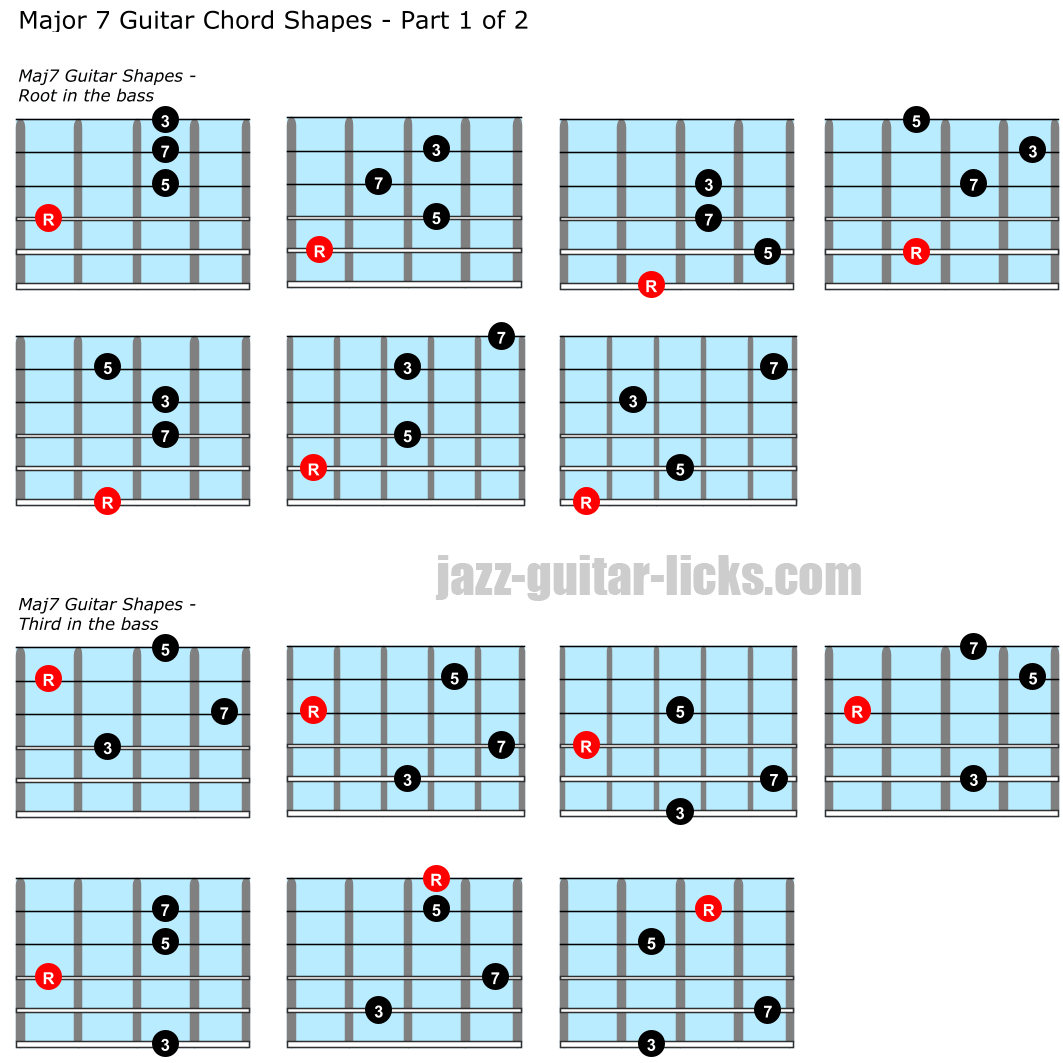
The notes may appear in a different order, but the chord is still Amaj7. Chord names depend on the notes present, not only on their order.

How to Fret the A Major 7th Chord Cleanly
Clean fretting matters more than speed. A beautiful chord can sound weak if one finger mutes a nearby string.
Try these steps:
- Place your fingers one at a time.
- Keep each finger close to the fret wire.
- Use the tips of your fingers, not the flat pads.
- Pick each string slowly.
- Fix any muted or buzzing note before strumming.
- Relax your thumb and wrist.
For the open a major 7th chord guitar shape, keep your index finger curved. Many beginners accidentally touch the high E string while fretting the G string.
Do not squeeze the neck too hard. Extra pressure can make your hand tired and push notes sharp. A light grip usually gives you a cleaner tone.
Practice the chord in short bursts. Hold it for five seconds, release it, and repeat. This builds muscle memory without creating too much hand tension.

A Major 7th Chord Guitar Theory Made Simple
The formula for a major seventh chord is:
- Root
- Major third
- Perfect fifth
- Major seventh
For Amaj7, the formula creates:
• A as the root
• C# as the major third
• E as the perfect fifth
• G# as the major seventh
You can find these notes on the fretboard in many places. Each voicing uses the same chord tones, but the order and spacing change.
The major third tells us that the chord is major. The seventh adds its special color. If you replace G# with G, you get A7, a dominant seventh chord. A7 sounds more tense and wants to resolve, while Amaj7 sounds smoother and more stable.
This difference is important. The a major 7th chord guitar sound is not simply an A chord with an extra finger. It has a different musical function and emotional effect.
Amaj7 compared with other A chords
| Chord | Notes | General sound |
|---|---|---|
| A major | A, C#, E | Clear and strong |
| Amaj7 | A, C#, E, G# | Warm and elegant |
| A7 | A, C#, E, G | Tense and bluesy |
| Am7 | A, C, E, G | Dark and relaxed |
| A6 | A, C#, E, F# | Sweet and open |
Learning these differences will help you choose the right chord for a song instead of relying on guesswork.
A Major 7th Chord Guitar Progressions
Amaj7 sounds especially good in chord progressions that move smoothly. Try these examples slowly.
Progression 1: Amaj7 to Dmaj7
| Amaj7 | Dmaj7 | Amaj7 | Dmaj7 |
This progression has a bright, peaceful sound. Both chords contain major seventh colors, so the mood stays soft and polished.
Progression 2: Amaj7 to F#m7 to Dmaj7 to E7
| Amaj7 | F#m7 | Dmaj7 | E7 |
This progression works well in pop, soul, and acoustic music. The E7 chord creates movement back to Amaj7.
Progression 3: Amaj7 to C#m7 to Bm7 to E7
| Amaj7 | C#m7 | Bm7 | E7 |
This progression uses chords from the A major scale. It has a smooth, modern sound and gives you useful practice with seventh chords.
Progression 4: Amaj7 to A6
| Amaj7 | A6 | Amaj7 | A6 |
This is a small change with a big effect. Moving between G# and F# changes the emotional tone while keeping the root, third, and fifth the same.
Play each progression with a slow quarter-note strum first. Then try light eighth notes. Let the chord ring so you can hear how each note blends.

Strumming and Picking the A Major 7th Chord
The a major 7th chord guitar sound can disappear if you strum too hard. Its charm comes from detail and space.
Try this gentle pattern:
Down, down-up, up, down-up
Count it as:
1, 2-and, and-4-and
Keep your wrist loose. Aim for the middle strings first, then add the higher strings for a brighter sound.
Fingerpicking also suits Amaj7. Try this simple pattern:
Thumb, index, middle, ring, middle, index
Use the thumb for the bass note and your fingers for the G, B, and high E strings. Let each note ring into the next one.
For a more modern sound, use selective strumming. Play the bass note first, then brush the upper strings. This creates space and lets the major seventh stand out.
A useful practice routine is:
• Play the chord once
• Let it ring for four beats
• Pick each string slowly
• Repeat with a softer touch
• Try the same pattern in a progression

Common Mistakes With the A Major 7th Chord Guitar Shape
Many players struggle with Amaj7 for simple reasons. Most problems can be fixed with a small adjustment.
Muting the high E string
In the open shape, the high E string should ring. If your index finger leans too far, it may touch that string.
Lift the finger slightly and place it closer to the fret wire. Then test the string on its own.
Playing the low E string
The low E string is not part of the basic open Amaj7 shape. Accidentally playing it can make the chord sound muddy.
Rest your picking-hand thumb lightly against the low E string. This gives you a simple form of muting.
Confusing Amaj7 with A7
Amaj7 uses G#. A7 uses G natural. The difference is only one fret, but the sound changes a lot.
Check the chord chart before practicing. This small detail is one of the most important lessons in an a major 7th chord guitar tutorial.
Pressing too hard
Too much pressure can cause pain and poor intonation. Use only enough force to make each note ring clearly.