The AUPHY Universal Mechanical Metronome is my top pick for piano practice, thanks to its clear sound and useful beat controls.
Many piano players lose steady time when they practice without a strong beat. A phone app can help, but alerts, low volume, and screen time often get in the way. A mechanical metronome solves that problem with a visible pendulum and a steady ticking sound. I compared eight popular models for sound, controls, ease of use, design, and value. This guide will help you find the best mechanical metronome for piano practice at home, in lessons, or during daily scale work.
See the differences between my top picks at a glance.
| Model | Sound | Beat Controls | Best For | Battery | Buy |
|---|---|---|---|---|---|
| AUPHY Universal | Clear | Adjustable modes | Best overall | None | View on Amazon |
| Ueteto Wood Grain | Loud | Multiple beat options | Classic piano use | None | View on Amazon |
| Walnut Multiple-Beat Model | Loud | Multiple modes | Style and function | None | View on Amazon |
| Defabee Black | Loud | Simple beat setup | Beginners | None | View on Amazon |
| AUPHY Classic Black | Clear | 40–208 BPM | Wide tempo practice | None | View on Amazon |
| HOSEYIN Standard Black | Classic tick | Basic | Simple practice | None | View on Amazon |
| Ueteto Tower Wood Grain | Loud | Basic | Traditional decor | None | View on Amazon |
| HOSEYIN Standard Green | Classic tick | Basic | Color choice | None | View on Amazon |
AUPHY Universal Mechanical Metronome

The AUPHY Universal Mechanical Metronome is a strong all-around choice for piano students. Its classic shape fits well beside an upright or digital piano. The listed tempo range runs from 40 to 208 beats per minute, which covers slow practice and faster technical work. It also includes adjustable beat modes for players who want more than a plain tick.
I like this model for daily practice because it does not need batteries or a charging cable. The pendulum gives your eyes a clear motion to follow, while the sound gives your hands a firm time guide. It also works with guitar, drums, saxophone, flute, and trumpet. The plastic construction may not feel like a premium wooden unit, but it should suit most home practice rooms.
Pros:
- Wide 40–208 BPM tempo range
- Adjustable beat modes
- No batteries or charging needed
- Useful for many instruments
- Clear visual pendulum motion
- Simple controls for new players
Cons:
- Plastic body may feel less luxurious than wood
- The sound may not suit very loud playing spaces
- Users should confirm the current listing for exact size and finish
What Amazon Buyers Are Saying
Current buyer feedback should always be checked on the live Amazon page, since ratings and reviews can change. The main points shoppers tend to assess with this type of model are sound volume, tempo accuracy, smooth pendulum movement, and ease of setup. Some buyers may prefer a heavier wood case, while others value the lighter body and simple controls.
My Recommendation
I recommend the AUPHY as the best mechanical metronome for piano for most beginners and intermediate players. It offers a useful tempo range and more beat flexibility than a very basic model. It is worth buying when you want a practical, battery-free metronome with broad instrument use.
| Category | Rating |
|---|---|
| Tempo Range | 4.5/5 |
| Sound and Beat Control | 4.4/5 |
| Ease of Use | 4.6/5 |
| Value | 4.5/5 |
| Overall Rating | 4.5/5 |
Ueteto Wood Grain Mechanical Metronome

This Ueteto model targets players who want a traditional wood-grain look without a complicated setup. The product listing highlights loud sound and high-precision beat tracking. It supports piano, guitar, violin, bass, drums, and other instruments. That wide use makes it a useful choice for a family music room.
The wood-grain finish can look more natural beside an acoustic piano than a plain black case. Its mechanical design lets you practice without batteries, which keeps the routine simple. The loud tick may help during strong piano passages, though each room has different sound needs. I would place it on a firm, level surface for the best pendulum movement.
Pros:
- Classic wood-grain appearance
- Loud sound for active practice
- Designed for several instruments
- No battery replacement cost
- Simple visual tempo control
- Good fit for beginner practice
Cons:
- Wood-grain styling may not match every piano
- Mechanical units need careful handling
- Exact tempo range should be checked before purchase
What Amazon Buyers Are Saying
Shoppers comparing this style of metronome often focus on whether the tick remains easy to hear while playing. They also look at the finish, pendulum action, and ease of tempo adjustment. Before ordering, I suggest reading the newest reviews for comments about packaging, long-term movement, and the sound level in a real practice room.
My Recommendation
This Ueteto is a good pick for pianists who value a warm wood-grain look and a strong mechanical beat. It is especially appealing for home lessons and beginner practice. I rate it slightly below the AUPHY because the listing gives less detail about its tempo range.
| Category | Rating |
|---|---|
| Sound | 4.5/5 |
| Design | 4.5/5 |
| Ease of Use | 4.3/5 |
| Value | 4.3/5 |
| Overall Rating | 4.4/5 |
Walnut Multiple-Beat Mechanical Metronome

This walnut-color mechanical metronome combines a traditional tower shape with multiple beat modes. It is listed for piano, guitar, drums, violin, and other musical instruments. The loud sound can make the beat easier to follow during scales, chords, and full pieces. The walnut color also gives it a more polished look than a basic plastic design.
Multiple beat modes can help piano students feel the first beat of a measure. That can support work in common time and other simple meter patterns. The mechanical movement keeps the focus on the music instead of a phone screen. As with any wind-up unit, I recommend setting the tempo before playing and keeping the case on a stable surface.
Pros:
- Multiple beat modes
- Walnut-style finish
- Loud sound for piano practice
- Works with several instruments
- Battery-free mechanical design
- Helpful for meter awareness
Cons:
- May be more visual than needed for basic practice
- Color and finish may vary from screen images
- Verify the exact control layout on the current listing
What Amazon Buyers Are Saying
Buyers who choose this kind of model usually care about beat options, sound strength, and the look of the case. Reviewers may also comment on whether the pendulum starts smoothly and whether the product stays stable during use. I would check recent feedback for details on long-term durability, since mechanical parts need proper care.
My Recommendation
I recommend this model for pianists who want more beat control and a decorative walnut color. It offers a useful middle ground between a plain beginner metronome and a more expensive traditional unit. My rating reflects its helpful controls, but I would confirm all specifications before checkout.
| Category | Rating |
|---|---|
| Beat Modes | 4.5/5 |
| Sound | 4.4/5 |
| Appearance | 4.5/5 |
| Value | 4.2/5 |
| Overall Rating | 4.4/5 |
Defabee Loud Mechanical Metronome
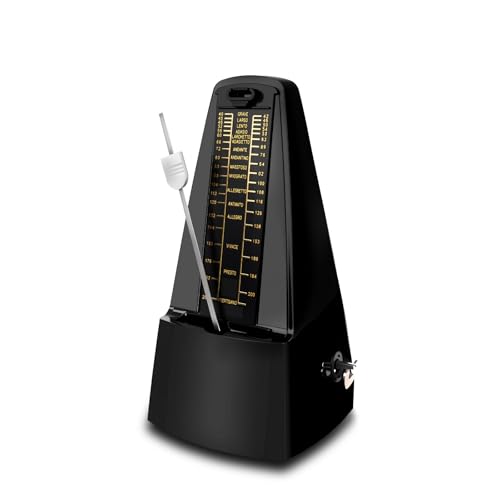
The Defabee mechanical metronome focuses on the core job: keeping a clear and accurate rhythm. Its listing highlights loud sound and simple operation. That makes it a sensible option for beginners who do not want many controls. It is made for piano, guitar, drums, violin, and other instruments.
A simple design can help new players build a steady practice habit. You can set the tempo, wind the mechanism, and begin without pairing or menus. The black finish should blend with most keyboards and pianos. Advanced players may want more beat modes, but many piano exercises need only a reliable pulse.
Pros:
- Simple operation
- Loud sound for practice
- Useful for beginners and professionals
- Works with several instruments
- No batteries required
- Plain black finish fits most rooms
Cons:
- May offer fewer controls than feature-rich models
- Limited listing details require careful checking
- Not ideal for players who need advanced rhythm patterns
What Amazon Buyers Are Saying
When buyers review a simple mechanical metronome, they tend to discuss the volume, the steady tick, and how easy it is to set. Some also assess whether the unit feels stable and whether the mechanism winds smoothly. I recommend reading the newest customer comments to confirm the current product experience.
My Recommendation
The Defabee is worth considering if you want a direct, low-fuss rhythm tool. It may suit a first-time piano student better than a model with many settings. I would choose it for basic timing work, not for complex rhythm training.
| Category | Rating |
|---|---|
| Simplicity | 4.6/5 |
| Sound | 4.3/5 |
| Build Impression | 4.1/5 |
| Value | 4.3/5 |
| Overall Rating | 4.3/5 |
AUPHY Classic Black Metronome
This AUPHY listing is a versatile mechanical metronome with a classic black look. The stated 40–208 BPM range supports slow pieces, warmups, scales, and faster passages. Its adjustable beat modes add more control than a plain pendulum. It also works with many instruments beyond piano.
The wide tempo range is the main reason I place this model high in the guide. Piano students often need very slow practice when learning notes, then a gradual increase as accuracy improves. The visual pendulum can also expose rushing or dragging in a way that a phone screen may not. Its plastic construction keeps the design practical, though buyers seeking a wood body may prefer another pick.
Pros:
- 40–208 BPM range
- Adjustable beat modes
- Classic black appearance
- No battery dependence
- Useful across many instruments
- Good for both slow and fast practice
Cons:
- Plastic body lacks a solid wood feel
- Sound preference varies by room
- Confirm current listing details before ordering
What Amazon Buyers Are Saying
Customer reviews for this type of metronome commonly center on tempo adjustment, tick clarity, and the usefulness of beat modes. Buyers may also compare its body and finish with wooden metronomes. Since marketplace feedback changes over time, I suggest checking the latest reviews and the seller information before purchase.
My Recommendation
This is effectively the same strong AUPHY choice listed earlier and remains one of my top recommendations. It is a smart buy for players who want a broad tempo range in a compact, simple design. I rate it highly for value and practice flexibility.
| Category | Rating |
|---|---|
| Tempo Range | 4.5/5 |
| Beat Options | 4.4/5 |
| Ease of Use | 4.6/5 |
| Value | 4.5/5 |
| Overall Rating | 4.5/5 |
HOSEYIN Standard Black Metronome

The HOSEYIN Standard Black model offers a traditional mechanical approach for piano and other instruments. Its standard design keeps the focus on the pendulum and the beat. It may appeal to shoppers who want a familiar shape without extra digital functions. The black finish also gives it a neutral look.
This model makes sense for basic scales, sight reading, and slow practice. A mechanical metronome can help a student hear even spacing between notes. I would use it on a stable table and keep the sound level suitable for the room. Buyers who need detailed beat settings should compare the controls with the AUPHY models.
Pros:
- Traditional mechanical format
- Black finish suits most pianos
- Works with piano, guitar, violin, and drums
- Easy concept for beginners
- No batteries required
- Useful for routine timing work
Cons:
- Fewer listed features than some rivals
- Exact tempo range should be confirmed
- May not provide enough sound for large rooms
What Amazon Buyers Are Saying
Buyers usually judge a standard model by its tick, tempo slider, and overall ease of use. Reviews may also mention the case finish and whether the pendulum moves in a steady way. I advise checking recent feedback for comments about stability and setup before you buy.
My Recommendation
The HOSEYIN black model is a reasonable choice for simple home piano practice. It is best for users who prefer fewer controls and a classic look. I would select it when the current price is clearly lower than models with a wider tempo range.
| Category | Rating |
|---|---|
| Basic Timing | 4.2/5 |
| Ease of Use | 4.4/5 |
| Sound | 4.1/5 |
| Value | 4.2/5 |
| Overall Rating | 4.2/5 |
Ueteto Tower Wood-Grain Metronome

The Ueteto Tower model has a wood-grained finish, loud sound, and a classic tower design. The listing highlights high precision and a battery-free mechanism. It is made for piano, guitar, violin, and drums. This design may look at home beside an acoustic piano or in a traditional music room.
The tower shape gives the pendulum a clear visual path. That helps children and adult learners connect the moving arm with the beat. The loud mechanical tick can help during piano practice, though you should keep the instrument and metronome at a comfortable level. Its main appeal is its simple, classic format rather than advanced controls.
Pros:
- Classic tower design
- Wood-grain appearance
- Loud sound
- High-precision focus in the listing
- No batteries needed
- Suitable for several instruments
Cons:
- Tower shape may take more desk space
- Fewer feature details than newer models
- Finish may not match every keyboard
What Amazon Buyers Are Saying
Review themes for this kind of product often include its traditional look, loud tick, and ease of use. Buyers may also discuss whether the unit feels stable on a table and whether the wood-grain finish looks as expected. I recommend reading current reviews for shipping and durability details.
My Recommendation
I recommend this Ueteto for players who want a classic tower metronome with a decorative finish. It is a good fit for basic piano timing and family music spaces. Choose another model if adjustable beat modes are important to your practice.
| Category | Rating |
|---|---|
| Design | 4.6/5 |
| Sound | 4.4/5 |
| Ease of Use | 4.3/5 |
| Value | 4.2/5 |
| Overall Rating | 4.4/5 |
HOSEYIN Standard Green Metronome
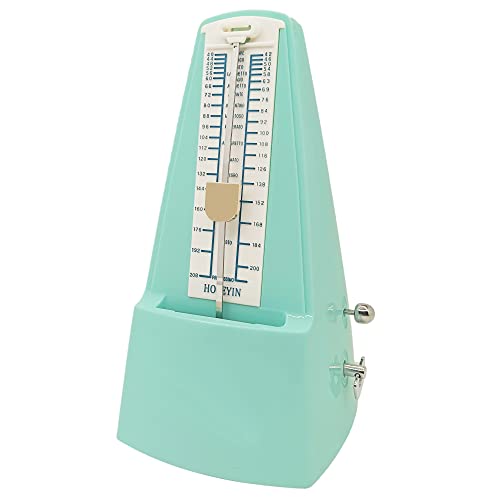
The HOSEYIN Green model uses the same familiar idea as a standard mechanical metronome, but adds a distinct color. It is listed for piano, guitar, violin, drums, and other instruments. The design suits players who want a simple practice tool with a more noticeable finish. It avoids the need for batteries and digital menus.
A bright case can also make the metronome easy to spot in a busy lesson room. The pendulum provides a clear visual beat, while the ticking sound supports ear training. This model should work well for scales, chord changes, and beginner songs. Its appeal depends more on color and basic function than on advanced rhythm features.
Pros:
- Distinct green finish
- Traditional mechanical operation
- Suitable for several instruments
- Easy visual beat tracking
- No charging or batteries
- Simple option for students
Cons:
- Green may not suit every room
- Basic design may limit advanced practice
- Confirm current sound and tempo details
What Amazon Buyers Are Saying
Shoppers who choose this version often compare the color, sound, and ease of use with other standard models. Reviews may also mention the quality of the pendulum movement and the case. Since product feedback can change, I suggest checking the newest Amazon comments before making a final choice.
My Recommendation
This HOSEYIN model is a practical choice when you want a standard mechanical metronome in a less common color. It suits beginner piano practice and simple rhythm work. I would buy it when the green finish matters to you and the current price offers good value.
| Category | Rating |
|---|---|
| Ease of Use | 4.3/5 |
| Design | 4.4/5 |
| Sound | 4.1/5 |
| Value | 4.2/5 |
| Overall Rating | 4.2/5 |
Ueteto Black Loud-Sound Metronome

This newer Ueteto black model is designed for piano, drums, violin, and guitar. Its product title highlights loud sound and high-precision timing. The black case gives it a clean and neutral look. It is a good candidate for players who want a straightforward mechanical beat tool.
The loud sound may help a student hear the pulse under active piano playing. A clear pendulum also gives the eyes a second way to track time. I prefer this type of device for focused practice because it keeps the phone away from the music stand. Check the current listing for full range, beat settings, and dimensions before ordering.
Pros:
- Loud-sound design
- Black finish looks neutral
- Made for several instruments
- Mechanical operation needs no battery
- Useful for visual and audio timing
- Suitable for home practice
Cons:
- Newer listing may have less long-term review data
- Loudness can vary by room and placement
- Full specifications should be verified before purchase
What Amazon Buyers Are Saying
For a newer marketplace listing, I would pay close attention to the most recent verified reviews. Useful points include sound strength, smooth winding, tempo consistency, and whether the unit arrives well packed. Buyers should also compare the current seller details with the product specifications.
My Recommendation
The Ueteto black model is worth considering if loud sound is your main need. It can suit piano students who play with a strong tone or practice in a shared room. I rate it as a promising practical option, but buyers should verify current feedback first.
| Category | Rating |
|---|---|
| Sound Potential | 4.4/5 |
| Design | 4.3/5 |
| Versatility | 4.3/5 |
| Value | 4.1/5 |
| Overall Rating | 4.2/5 |
How to Choose the Best Mechanical Metronome for Piano
Choosing the best mechanical metronome for piano takes more than picking the cheapest tower. Think about your room, playing level, practice goals, and need for beat control. The right model should make steady time easy, not add another task.
1. Match the Sound to Your Piano Room
Sound matters first. A soft tick may disappear under a grand piano or a strong digital piano setting. A loud model can help, but too much volume may feel harsh in a small room. Place the metronome close to the music desk, then test whether you can hear each beat without losing focus.
2. Check Tempo Range and Beat Options
Look for a wide BPM range if you practice both slow melodies and fast scales. A range such as 40–208 BPM gives a student room to grow. Adjustable beat modes can mark the first beat in a measure. This helps with meter and phrasing. If you only need a plain pulse, a basic model may offer better value.
3. Compare Stability, Design, and Long-Term Value
A mechanical metronome should sit flat and move smoothly. Use it on a firm surface, away from the edge of the piano. Wood-grain cases often look warmer, while black plastic cases may cost less and feel easy to maintain. Also check current dimensions, return terms, seller details, and recent reviews. A good price matters, but reliable practice value matters more.
Final Verdict: Which Should You Buy?
For most players, I recommend the AUPHY Universal Mechanical Metronome. Its 40–208 BPM range, adjustable beat modes, clear design, and battery-free use make it the best mechanical metronome for piano overall.
Choose a Ueteto wood-grain model for classic style, or Defabee for simple beginner use. Any of these picks can support better timing when you practice with patience and consistency.
FAQs Of best mechanical metronome for piano
Is a mechanical metronome good for piano practice?
Yes. It gives you a steady sound and a visible pendulum, which can help you control speed and keep even rhythm.
What tempo range should a piano metronome have?
A broad range is useful. A model around 40–208 BPM can support slow learning, scales, chord work, and faster passages.
Do mechanical metronomes need batteries?
No. They use a wind-up mechanism, so you do not need batteries, charging, or a phone app.
Are loud mechanical metronomes better for piano?
They can be better when your piano sound covers a soft tick. In a small room, however, a very loud beat may feel distracting.
Which is the best mechanical metronome for piano beginners?
The AUPHY Universal model is my top beginner pick because it offers a wide tempo range, adjustable beat modes, and simple operation.

Senior Music Reviewer
Alex Carter is a seasoned music reviewer with over a decade of experience in the world of sound and instruments. Passionate about helping musicians and enthusiasts make informed choices, he brings sharp insights and in-depth knowledge to every review. From classical instruments to modern gear, Alex combines technical expertise with a love for music to deliver content that resonates with readers.
As a Senior Music Reviewer and expert author on Tuneluma.com, Alex is dedicated to sharing honest evaluations, practical advice, and thoughtful commentary to guide readers in their musical journey.