The best guitar strings depend on your guitar type, playing style, tone goals, and preferred string tension.
You may have a guitar that sounds dull, feels hard to play, or breaks strings too often. The right set can make the instrument feel easier and sound more alive. I compared popular acoustic, electric, and classical guitar strings to help you choose with less guesswork. My picks include light, medium-light, extra-light, nickel-wound, phosphor bronze, 80/20 bronze, and nylon sets. The key is matching the string material and gauge to your guitar, not simply choosing the most expensive pack.
See the differences between my top picks at a glance.
| String set | Guitar type | Gauge / tension | Tone and feel | Best for | Buy |
|---|---|---|---|---|---|
| Ernie Ball Earthwood Medium Light | Acoustic | 12-54 | Warm, balanced | Strumming and picking | View on Amazon |
| Ernie Ball Regular Slinky | Electric | 10-46 | Bright, smooth | All-purpose electric playing | View on Amazon |
| D’Addario Pro-Arté Nylon | Classical | Normal tension | Warm and clear | Classical and fingerstyle | View on Amazon |
| Ernie Ball Super Slinky | Electric | 9-42 | Easy and bright | Beginners and bends | View on Amazon |
| D’Addario EJ16 Light | Acoustic | 12-53 | Warm and bright | Versatile acoustic use | View on Amazon |
| Ernie Ball Regular Slinky 3-Pack | Electric | 10-46 | Balanced and punchy | Frequent players | View on Amazon |
| D’Addario EJ16 3-Pack | Acoustic | 12-53 | Balanced phosphor bronze | Best acoustic value | View on Amazon |
| BELFORT Phosphor Bronze | Acoustic | Not stated | Warm and rich | Budget extras | View on Amazon |
| Ernie Ball Earthwood Extra Light | Acoustic | 10-50 | Bright and easy | Light touch and beginners | View on Amazon |
| Zager Easy Play | Acoustic | Not stated | Warm and comfortable | Players with sore fingers | View on Amazon |
Ernie Ball Earthwood Medium Light Acoustic Strings

Ernie Ball Earthwood Medium Light strings use a phosphor bronze wrap and a 12-54 gauge set. This design gives an acoustic guitar a warm tone with enough brightness for clear chords. The medium-light setup sits between a very soft light set and a heavier medium set. I find that balance useful for players who want stronger bass without a stiff feel.
This set suits strumming, folk, country, and general acoustic playing. The wound strings feel solid under the pick, while the plain steel strings keep the top notes clear. They can also work well for players who switch between rhythm and simple lead parts. As with any acoustic string, wipe them after playing to slow sweat and dirt buildup.
Pros:
- Warm phosphor bronze tone
- Useful 12-54 medium-light gauge
- Good balance for strumming and picking
- Firm feel without a full medium set
- Well-known, easy-to-find string line
Cons:
- May feel too firm for new players
- Not the best choice for a classical guitar
- Bright tone can fade as the strings age
What Amazon Buyers Are Saying
Amazon buyers commonly like the familiar Earthwood sound, easy installation, and useful balance between comfort and volume. Many players use them as a regular replacement set for everyday acoustic playing. Some buyers report that the tone changes after extended use, while others prefer a lighter gauge for easier bends. These comments reflect normal differences in playing style, hand strength, guitar setup, and storage.
My Recommendation
I recommend this set for acoustic players who want a full sound but do not want the extra resistance of heavy strings. It is one of the safest all-purpose choices in this guide. It is worth buying when your guitar accepts a 12-54 set and you enjoy a warm, steady response.
Ernie Ball Regular Slinky Electric Strings

Ernie Ball Regular Slinky strings are nickel-wound electric guitar strings in a popular 10-46 gauge. This gauge offers a familiar middle ground for many electric players. It gives chords enough body and still allows bends, vibrato, and lead work. The nickel wrap works well with common electric guitar pickups and amps.
I see this set as a strong starting point for rock, blues, pop, and worship guitar. The tension feels more substantial than a 9-42 set, but it remains manageable for most players. The sound often starts with a clear attack and solid midrange. Your guitar setup still matters, especially if you change from a very different gauge.
Pros:
- Popular 10-46 electric gauge
- Balanced feel for rhythm and lead
- Clear attack with useful midrange
- Works with many electric guitar styles
- Easy to replace and widely available
Cons:
- Can feel stiff to players used to 9s
- Not designed for acoustic or classical guitars
- Uncoated strings need good hand care
What Amazon Buyers Are Saying
Buyers often praise the familiar Slinky feel, reliable tuning after installation, and broad use across many electric guitars. Many musicians keep this gauge as their normal set. Common complaints focus on personal preference, such as strings feeling too heavy or losing their fresh tone after long use. Some reviews also stress the need to confirm the gauge before ordering.
My Recommendation
This is my best standard electric pick for players who want one set that can handle both chords and lead guitar. Choose it if 10-46 matches your current setup. It offers strong value and a proven feel without adding unusual features.
D’Addario Pro-Arté Nylon Classical Strings
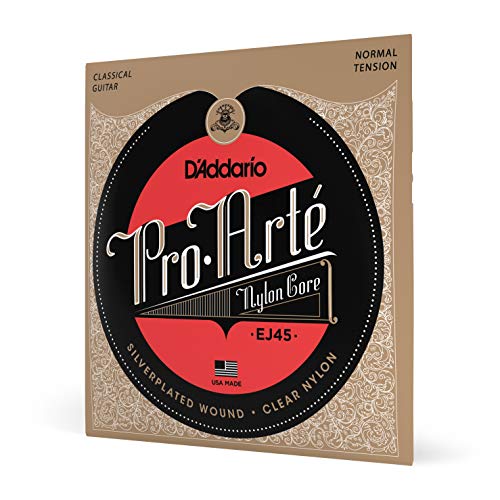
D’Addario Pro-Arté is made for classical guitars and uses nylon trebles with wound bass strings. This normal-tension setup aims for a warm tone and a controlled feel. It suits classical study, Spanish guitar, and gentle fingerstyle work. The string design also supports the softer response that nylon players expect.
This set is not a substitute for steel strings. A classical guitar needs nylon strings because its construction and bracing differ from those of a steel-string guitar. I like this set for students who need a dependable normal-tension option. It also makes sense for experienced players who want a balanced response instead of a high-tension feel.
Pros:
- Made for classical guitar use
- Comfortable normal-tension feel
- Warm and controlled nylon tone
- Good choice for study and fingerstyle
- Established string design from D’Addario
Cons:
- Not suitable for standard steel-string guitars
- Nylon strings need a settling period
- May feel too soft for players seeking a hard attack
What Amazon Buyers Are Saying
Amazon customers commonly mention the warm tone, comfortable tension, and usefulness for classical lessons. Buyers also note that nylon strings may need repeated tuning during the first adjustment period. A few players prefer a different tension or a brighter treble response. Those differences are normal because classical players often have strong personal preferences.
My Recommendation
I recommend Pro-Arté Normal Tension for classical players who want a safe, familiar set. It is especially suitable for students and fingerstyle guitarists. Buy it only for a nylon-string instrument designed for classical strings.
Ernie Ball Super Slinky Electric Strings

Ernie Ball Super Slinky strings use a light 9-42 gauge for electric guitar. The thinner design reduces finger pressure and makes bends feel easier. It also supports quick vibrato and comfortable practice sessions. Players often choose this gauge when they want a flexible, lively response.
The trade-off is a slightly lighter feel under the picking hand. Heavy strummers may prefer the firmer response of 10-46 strings. I think Super Slinky is a smart choice for beginners, lead players, and anyone with smaller hands. Check your guitar setup if you move from heavier strings, since the change can affect neck relief and intonation.
Pros:
- Easy-to-play 9-42 gauge
- Helpful for bends and vibrato
- Good fit for newer electric players
- Bright, lively response
- Comfortable for long practice sessions
Cons:
- Thinner strings can feel less full
- May not suit aggressive strumming
- Can feel too loose for lower tunings
What Amazon Buyers Are Saying
Buyers often like the easy bends and familiar light feel. Many use this set for rock, blues, and beginner electric guitars. Some customers say the strings feel too thin, especially when they use a strong pick or lower tuning. Others prefer a heavier set for a fuller rhythm sound.
My Recommendation
Super Slinky is worth buying if comfort and easy bending matter most. I recommend it for beginners and lead-focused players. It is less ideal if you hit the strings hard or need a firm feel.
D’Addario EJ16 Light Acoustic Strings
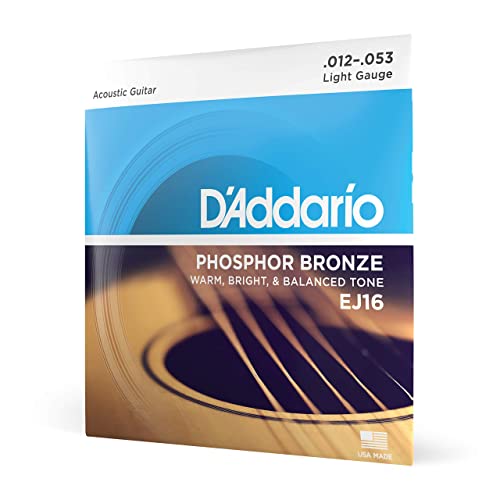
D’Addario EJ16 strings are light-gauge phosphor bronze strings for six-string acoustic guitars. The 12-53 set offers a balanced mix of comfort, volume, and tone. Phosphor bronze tends to sound warm while retaining enough high-end detail for clear chords. This makes EJ16 a useful choice for many common acoustic styles.
I especially like this set for players who want a dependable daily string without moving to extra-light tension. It handles flatpicking, strumming, and basic fingerstyle well. The light gauge remains friendly to the fretting hand, yet it does not feel overly soft. Always compare the new gauge with the string size recommended for your guitar.
Pros:
- Versatile 12-53 light gauge
- Warm phosphor bronze tone
- Good balance of comfort and volume
- Works across many acoustic styles
- Strong everyday replacement option
Cons:
- May not provide enough power for some heavy strummers
- Fresh tone changes with use
- Not intended for electric or classical guitars
What Amazon Buyers Are Saying
Amazon buyers often praise the balanced sound, familiar feel, and dependable fit. Many use EJ16 as a standard replacement set for dreadnought and other steel-string acoustics. Some reviewers find the tone less bright after regular playing, while others prefer more volume from a heavier gauge. These are common string-life and preference issues.
My Recommendation
EJ16 is one of my strongest acoustic recommendations. It offers a reliable mix of tone and comfort at a sensible price. Choose it when you want a flexible light set for daily playing.
Ernie Ball Regular Slinky Electric 3-Pack

This three-pack includes the same useful 10-46 Regular Slinky gauge in a larger supply. The nickel-wound design gives electric guitar players a clear attack and familiar feel. Buying three sets makes sense if you play often or want replacement strings ready for gigs. The gauge remains suitable for rhythm, chords, bends, and general lead work.
The main benefit here is value over time, not a new tone formula. I would choose this pack for a regular player who already knows that 10-46 feels right. It can also help students avoid waiting for a single replacement set. Store unopened sets in a dry place so they remain ready when needed.
Pros:
- Three 10-46 electric string sets
- Useful for frequent players
- Lower cost per set may improve value
- Balanced rhythm and lead feel
- Convenient backup supply
Cons:
- Less useful if you are still testing gauges
- Uncoated strings need proper storage
- Not suitable for acoustic or classical guitars
What Amazon Buyers Are Saying
Buyers often like the convenience of having several sets on hand. Regular players also mention the familiar Slinky tone and the value of a multi-pack. Some complaints relate to individual string life or a preference for another gauge. A three-pack is only a good deal if you already enjoy 10-46 strings.
My Recommendation
I recommend this pack for electric guitarists who change strings often. It gives the same practical performance as the single set while adding convenience. It is not my first pick for a beginner who has not chosen a gauge yet.
D’Addario EJ16 Phosphor Bronze 3-Pack
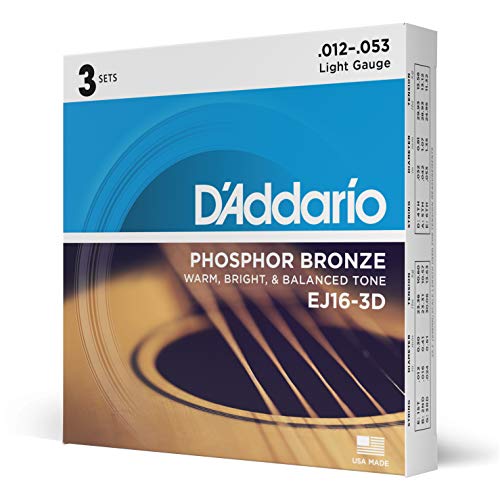
This D’Addario pack gives you three EJ16 light-gauge acoustic sets. Each set uses 12-53 phosphor bronze strings. The tone aims for a warm and balanced sound, while the light gauge keeps the guitar fairly easy to play. It is a practical option for players who want a known string type in reserve.
The three-pack can lower the cost per change and reduce last-minute shopping. I also like it for teachers, active hobby players, and musicians who keep more than one acoustic guitar. The main question is simple: do you already like EJ16? If yes, this pack offers more convenience without changing the playing experience.
Pros:
- Three complete EJ16 sets
- Warm, balanced acoustic tone
- Useful 12-53 light gauge
- Good choice for frequent restringing
- Strong long-term value
Cons:
- Too much supply for occasional players
- May not suit guitars that need heavier strings
- Fresh tone will still fade with use
What Amazon Buyers Are Saying
Customers commonly appreciate the multi-pack format, consistent gauge, and familiar D’Addario sound. Many say the sets work well for regular maintenance and practice. Some buyers mention that storage matters when keeping extra packs for later. A few players want a brighter or heavier sound, but that reflects a different string preference rather than a flaw in this set.
My Recommendation
This is my best value choice for acoustic players who already prefer EJ16. The three-pack is convenient and cost-effective for regular use. I would choose it over a single set when you know the gauge fits your guitar.
BELFORT Phosphor Bronze Acoustic Strings

BELFORT acoustic strings use a phosphor bronze design and come with useful extras, including picks and a spare high E string. The set aims for a warm, rich acoustic tone. Those extras can help a new player who does not yet have basic accessories. The product is positioned as a convenient single-set purchase.
The listed information does not provide the same clear gauge detail as the D’Addario and Ernie Ball sets in this guide. I would confirm the gauge before ordering if your guitar has a strict setup requirement. For casual acoustic use, the package offers a practical entry point. Still, experienced players may prefer a set with more detailed tension information.
Pros:
- Phosphor bronze acoustic string design
- Includes a spare high E string
- Includes four picks
- Warm tone target
- Helpful accessory bundle for beginners
Cons:
- Gauge information should be confirmed before purchase
- Less established choice than major long-running lines
- Extras may not matter to experienced players
What Amazon Buyers Are Saying
Amazon buyers often focus on the included accessories, warm sound, and low-cost convenience. Some customers like having a spare high E string available. Other reviews may differ on brightness, durability, or exact feel. Since string gauge affects comfort and setup, I suggest checking the current listing details before ordering.
My Recommendation
BELFORT is worth considering for a casual player or beginner who wants accessories with a single acoustic set. I would not make it my first choice for a recording session or a precise setup without confirming the gauge. It offers good convenience, but the larger brands provide clearer long-term benchmarks.
Ernie Ball Earthwood Extra Light Strings

Ernie Ball Earthwood Extra Light strings use an 80/20 bronze wrap and a 10-50 gauge. The lighter tension can make fretting easier and reduce hand fatigue. 80/20 bronze often gives a crisp, bright acoustic voice. That sound can add sparkle to simple chords and light picking.
This set is a good match for beginners, players with a soft touch, and guitarists who dislike stiff strings. The thinner bass strings may not deliver the same strong low-end push as a heavier set. I would also take care with hard picking, since extra-light strings can feel less substantial. Confirm that your guitar supports this gauge before changing.
Pros:
- Easy 10-50 extra-light gauge
- Bright 80/20 bronze character
- Comfortable for newer players
- Helpful for light fingerstyle
- Reduces resistance under the fretting hand
Cons:
- Less full for heavy strumming
- May feel too loose for some players
- Bright tone may not suit warm-sounding guitars
What Amazon Buyers Are Saying
Buyers often like the softer feel and bright initial tone. Beginners commonly choose this type of gauge because chords can feel easier to form. Some customers find the strings too light for strong strumming, while others enjoy the reduced tension. The best result depends on your touch and the guitar’s setup.
My Recommendation
I recommend this set for comfort-first acoustic players. It is one of the better choices for someone moving away from stiff strings. Choose another set if you want strong bass, firm pick attack, or a darker tone.
Zager Easy Play Acoustic Guitar Strings
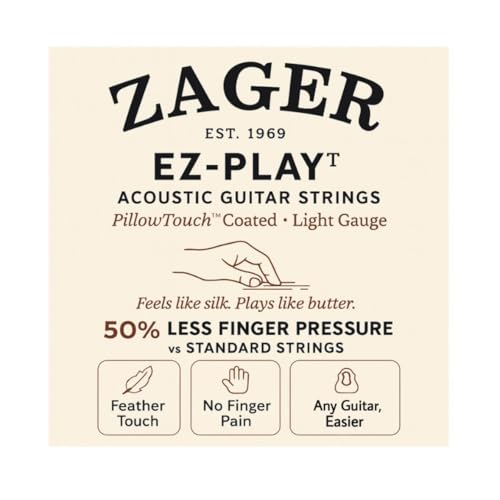
Zager Easy Play acoustic strings focus on a comfortable playing feel and a warm tone. The product listing states that they fit many popular acoustic guitar brands, including Martin, Taylor, Yamaha, Fender, and Gibson. It also highlights anti-rust features and includes a spare high E string. These details target players who want easier playing and added peace of mind.
The exact gauge is important, yet the provided product details do not state it clearly. I would verify the current listing and compare it with your guitar’s existing set before buying. The comfort-focused design may appeal to players with sore fingers or reduced hand strength. It may be less useful for players who already know they prefer a specific gauge and tension.
Pros:
- Designed around an easy-play feel
- Warm tone focus
- Anti-rust feature listed
- Includes a spare high E string
- Listed as fitting many common acoustic brands
Cons:
- Gauge should be confirmed before ordering
- Less suitable for players seeking a known exact tension
- Long-term string life depends on sweat and storage
What Amazon Buyers Are Saying
Amazon customers commonly look for the easier feel, warm tone, and anti-rust claim. Players with finger discomfort may value the comfort focus. Some buyers may want more detail about gauge and tension before making a choice. Reviews can also vary because fit depends on the guitar model and the player’s setup.
My Recommendation
Zager Easy Play is worth considering if comfort is your main concern. I would confirm the gauge and compatibility first. It is a thoughtful option for players who find standard acoustic strings uncomfortable, but it is not the clearest choice for technical string matching.
How to Choose Which String Is Best for Guitar
Choosing which string is best for guitar starts with the instrument itself. Acoustic, electric, and classical guitars need different string designs. After that, consider gauge, material, tone, hand comfort, and price. A good match should feel natural and support the music you play.
1. Match the Strings to Your Guitar
Use steel strings on a steel-string acoustic or electric guitar, unless the maker gives different instructions. Use nylon strings on a classical guitar. Do not put steel strings on a classical guitar. The higher pull can harm the neck, bridge, or top.
Electric strings usually use nickel or another metal wrap that works with magnetic pickups. Acoustic strings often use phosphor bronze or 80/20 bronze. Classical sets use nylon or similar treble materials with wound bass strings. This basic match matters more than brand names.
2. Choose the Right Gauge and Feel
Gauge describes string thickness. On electric guitars, 9-42 feels light and bends easily. A 10-46 set feels firmer and often gives chords more body. On acoustic guitars, 10-50 is extra light, 12-53 is light, and 12-54 is medium light in the sets reviewed here.
Lighter strings can help beginners and players with sore fingers. Heavier strings can add a firm response and may work better for strong strumming. The best string gauge also depends on tuning. Lower tunings often need more tension, while standard tuning gives you more options.
3. Compare Material, Tone, and Long-Term Value
Phosphor bronze strings often offer a warm, balanced sound. 80/20 bronze tends to sound brighter and more crisp. Nickel-wound electric strings give a clear response that suits many pickup and amp setups. Nylon strings provide the softer response linked with classical guitar.
Also consider how often you play. A single set may suit an occasional guitarist. A three-pack can save money for someone who changes strings often. Wipe strings after each session and wash your hands before playing. Good care helps preserve tone, no matter which brand you choose.
Final Verdict: Which Should You Buy?
For most steel-string acoustic players, I recommend D’Addario EJ16. For electric guitar, Ernie Ball Regular Slinky 10-46 is the safest all-purpose choice. Classical players should choose D’Addario Pro-Arté Normal Tension.
The answer to which string is best for guitar depends on fit, gauge, and tone. Match the set to your instrument, then choose the feel that helps you play more often.
FAQs Of which string is best for guitar
Which string is best for guitar beginners?
For acoustic beginners, a light or extra-light set can feel easier. For electric beginners, 9-42 Super Slinky strings offer easy bends and low resistance.
Are phosphor bronze strings better than 80/20 bronze strings?
Neither is always better. Phosphor bronze often sounds warm and balanced, while 80/20 bronze usually sounds brighter and more crisp. Choose based on your tone goal.
What guitar string gauge should I use?
Use the gauge already recommended for your guitar when possible. Light sets improve comfort, while heavier sets offer a firmer feel and more resistance.
Can I use steel strings on a classical guitar?
No. Classical guitars are built for nylon strings. Steel strings can create unsafe tension and may damage the instrument.
How often should I change guitar strings?
Change them when they sound dull, feel rough, lose tuning stability, or show corrosion. Frequent players may need changes more often than casual players.
Are coated guitar strings worth the extra cost?
They can be worthwhile for players whose sweat quickly dulls strings. Uncoated strings may offer a more direct feel and lower cost, but they need regular cleaning.

Senior Music Reviewer
Alex Carter is a seasoned music reviewer with over a decade of experience in the world of sound and instruments. Passionate about helping musicians and enthusiasts make informed choices, he brings sharp insights and in-depth knowledge to every review. From classical instruments to modern gear, Alex combines technical expertise with a love for music to deliver content that resonates with readers.
As a Senior Music Reviewer and expert author on Tuneluma.com, Alex is dedicated to sharing honest evaluations, practical advice, and thoughtful commentary to guide readers in their musical journey.