In the United States, most new players should plan to spend $300 to $1,000 for a reliable student violin outfit. This usually includes the violin, bow, case, and basic setup. A very low-cost violin may sell for $100 to $250, but it can need costly repairs and may make learning harder.
For a better student instrument, expect $800 to $2,000. Intermediate violins often cost $2,000 to $5,000, while advanced and professional instruments can range from $5,000 to well over $20,000.
The right price depends on your age, skill, playing goals, budget, and whether you buy new or used. The cheapest violin is not always the best value. A well-set-up instrument that stays in tune and responds easily can help a new player learn with less frustration.
Violin Price Ranges in the United States
The price of a violin usually reflects its materials, workmanship, setup, sound, condition, and maker. Price alone does not prove that one instrument sounds better than another.
The following ranges are practical estimates for the U.S. market. They are not fixed retail rules, and prices can change by brand, shop, location, and availability.
| Player level | Typical price for violin only | Typical price for a complete outfit | Best for |
|---|---|---|---|
| Basic beginner | $100–$300 | $150–$500 | Casual use or early lessons |
| Reliable student | $300–$800 | $400–$1,000 | Most children and adult beginners |
| Advanced student | $800–$2,000 | $1,000–$2,500 | Serious study and school ensembles |
| Intermediate | $2,000–$5,000 | $2,300–$5,500 | Strong players and advanced programs |
| Advanced or pre-professional | $5,000–$15,000+ | $5,500–$16,000+ | Conservatory study and auditions |
| Professional | $15,000–$100,000+ | Varies widely | Professional performance and collecting |
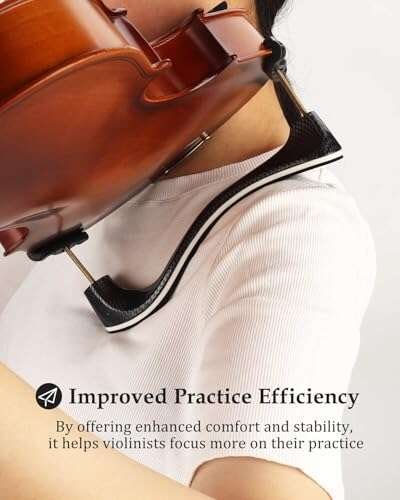
A complete outfit normally includes the violin, bow, case, and sometimes rosin. Shoulder rests, extra strings, a tuner, and music may cost more.
A $200 violin with poor setup may be harder to play than a $500 violin that has been adjusted by a qualified luthier. That difference matters more than a small change in wood or decoration.
What Should a Beginner Spend on a Violin?
Most beginners should spend $400 to $1,000 on a complete violin outfit. This range often provides a useful balance between playability, sound, durability, and price.
A budget below $300 can work for a short trial period, but quality varies greatly. Some very cheap violins have rough fingerboards, weak bows, poor bridges, stiff tuning pegs, or strings that do not hold pitch well.
A practical beginner budget
Use this guide when setting your first budget:
- Under $300: Buy only if you can inspect the instrument or use a strong return policy.
- $300 to $600: A reasonable starting range for a child or adult beginner.
- $600 to $1,000: A safer range for regular lessons and long-term study.
- $1,000 to $2,000: Suitable for a committed student who expects to play for several years.
A beginner does not need an expensive Italian violin or a rare antique instrument. A dependable student violin is usually the better choice.
The instrument should have an easy response, stable tuning, comfortable string height, and a bow that grips the strings well. These features support good technique and reduce avoidable problems during lessons.
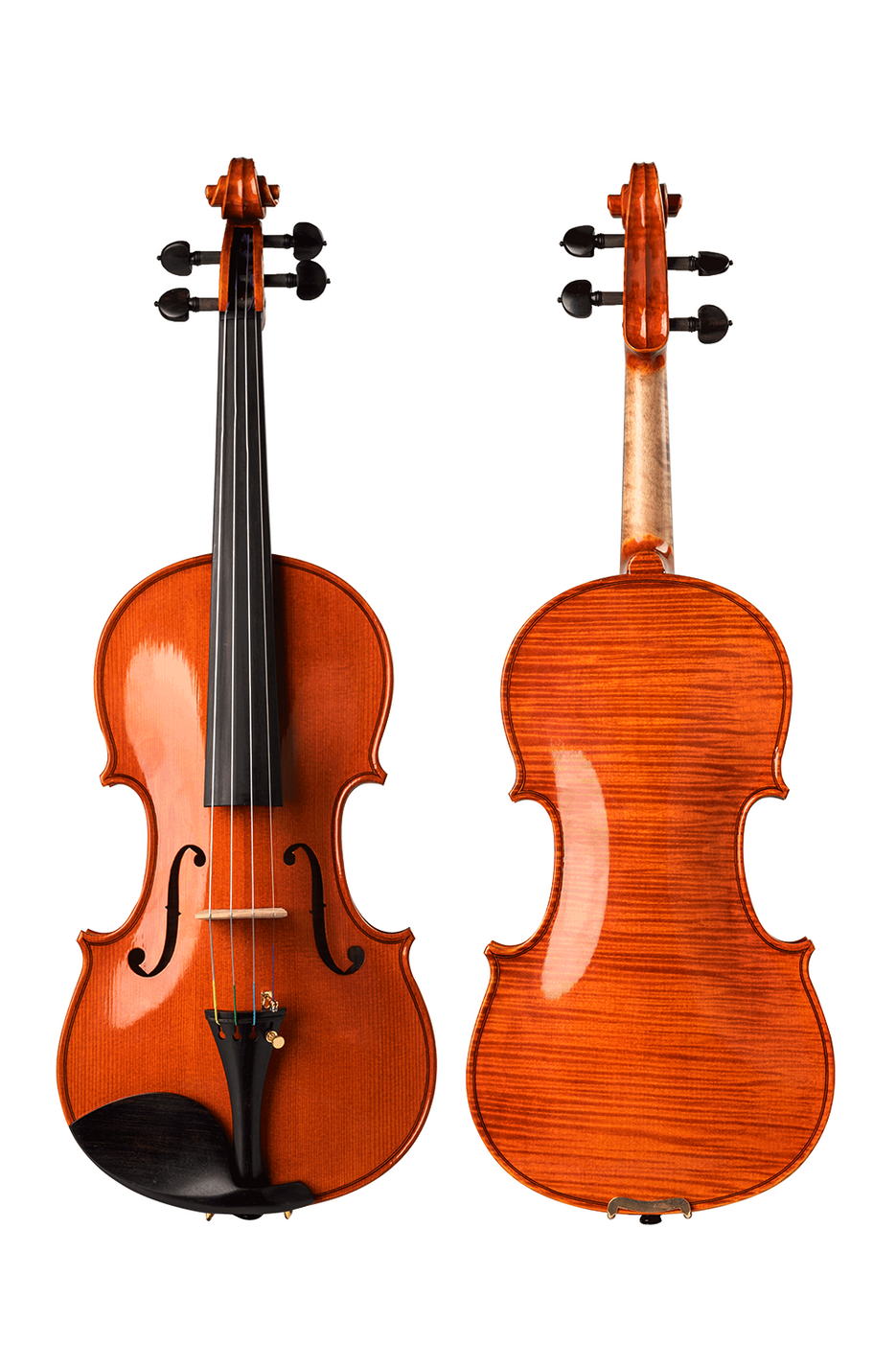
How Much Does a Student Violin Cost?
A student violin typically costs $300 to $2,000, depending on the player’s level and the instrument’s quality.
Student violins are made for regular practice, lessons, school orchestras, and youth ensembles. They are often produced in workshops and sold through music stores, violin shops, or specialist dealers.
Early student violins: $300 to $800
This range suits many children and adults who are starting lessons. Look for:
- A solid spruce top and maple back, ribs, and neck
- Properly fitted tuning pegs
- A straight bridge with suitable height
- A smooth fingerboard
- Quality strings
- A bow that is straight and properly haired
- A case that protects the instrument from normal travel
Advanced student violins: $800 to $2,000
This range may suit a player who practices often and has outgrown a basic instrument. A more advanced student violin may offer:
- Faster response
- More even tone across all four strings
- Greater volume
- Better control at soft and loud dynamics
- More room for improvement as technique develops
A teacher should help decide whether an upgrade is needed. A new violin may sound different without actually helping the player. The best test is whether the player can control it more easily.

Is a Cheap Violin Worth Buying?
A cheap violin can be worth buying for a short trial period, but the lowest price is rarely the best measure of value.
Some low-cost instruments are playable after professional setup. Others have defects that cost more to correct than the violin is worth. Online photos cannot show whether the bridge, fingerboard, soundpost, pegs, and neck are properly fitted.
Problems often found in very cheap violins
Watch for:
- A bridge that is too thick, too low, or badly shaped
- Tuning pegs that slip or will not turn smoothly
- Strings that sit too high above the fingerboard
- A fingerboard with deep grooves or an uneven surface
- Open seams in the body
- Cracks near the bridge or soundpost
- A neck that is loose or misaligned
- A bow that is warped or poorly balanced
- A case with little protection
- Decorative features used to hide weak construction
A low price is less risky when the seller offers a meaningful trial period and the instrument has been checked by a violin shop. It is more risky when the seller gives no return option and provides no details about setup.
Do not confuse a cheap violin with a student violin. “Student” can describe a useful instrument, but it can also be used as a loose marketing term.
New vs. Used Violins: Which Is the Better Value?
A used violin can offer better value than a new violin at the same price, but only when its condition is clear.
Older violins may have mature materials, good workmanship, and a proven playing history. They may also have repaired cracks, worn parts, poor past repairs, or hidden structural problems.
Benefits of buying new
A new violin may provide:
- A clear warranty or return policy
- Predictable condition
- Fresh setup
- Easier replacement or exchange
- Less risk of hidden damage
New does not always mean better sound. A new instrument may need time to settle, and its tone may change with use.
Benefits of buying used
A used violin may offer:
- Better materials for the price
- A more developed sound
- A known maker or workshop history
- Lower depreciation in some cases
- A chance to buy a previously upgraded instrument
The main risk is repair cost. For example, a used violin that costs $600 may need $300 or more in work. That makes the real cost $900 before buying a bow, case, or strings.
When buying used, ask for a condition report. For a valuable instrument, have an independent violin maker or qualified luthier inspect it before you commit.

How Much Do Violin Accessories and Setup Cost?
The purchase price is only part of the cost. A realistic U.S. budget should include setup, strings, accessories, lessons, and future maintenance.
Typical costs may include:
| Item | Common U.S. price range |
|---|---|
| Basic shoulder rest | $15–$60 |
| Quality student bow | $75–$400 |
| Replacement bow hair | $60–$120 |
| Student violin strings | $30–$100 per set |
| Violin case | $50–$300 |
| Rosin | $5–$30 |
| Electronic tuner | $10–$50 |
| Basic setup | $75–$250 |
| Bridge replacement or fitting | $75–$200 |
| Fingerboard work | $100–$300+ |
| Bow repair or adjustment | Varies by work needed |
These figures are broad estimates. Labor rates differ by city, shop, and repair complexity.
The first-year budget
A beginner who buys a $500 outfit might also spend:
- $40 for a shoulder rest
- $50 for a tuner and rosin
- $75 to $150 for extra or better strings
- $100 for a checkup or setup
- $400 to $1,200 for lessons, depending on lesson length and frequency
A practical first-year total may therefore reach $1,100 to $2,000, not including travel or ensemble fees. Renting can cost less while you decide whether violin study will continue.

Should I Rent or Buy a Violin?
Renting is often the safest choice for a young beginner or anyone unsure about continuing. Buying may cost less over several years if the player practices regularly and needs the instrument for a long time.
Renting may be better when:
- A child may change violin sizes
- The player has never tried violin
- The rental includes maintenance
- The shop offers a rent-to-own plan
- You need a quick replacement if the instrument has a problem
Many children begin on fractional violins, such as 1/16, 1/10, 1/8, 1/4, 1/2, or 3/4 sizes. They may need larger instruments as they grow.
Buying may be better when:
- The player is ready for a full-size violin
- Lessons and practice are likely to continue
- The purchase includes a trial period
- A teacher approves the instrument
- The buyer can afford repairs and accessories
Read the rental agreement carefully. Check the monthly price, insurance terms, repair coverage, ownership credit, replacement rules, and return conditions.

What Makes a Violin Worth More?
A violin’s price usually reflects several factors rather than one feature.
Maker and origin
A respected maker with a documented history can increase value. However, a label inside a violin does not prove who made it. Many old violins carry copied or false labels.
A label that says “Stradivarius” does not mean the violin was made by Antonio Stradivari. Authentic historic instruments are rare and require expert certification.
Materials and workmanship
Good spruce and maple, careful arching, clean carving, and strong varnish can support value. These details matter only when they contribute to sound, stability, and long-term condition.
Setup
Setup has a direct effect on playability. It includes work on the bridge, soundpost, pegs, fingerboard, strings, and sometimes the nut.
A well-made violin with poor setup may sound dull or feel hard to play. A modest violin with excellent setup can perform much better than its price suggests.
Condition
Cracks, open seams, neck problems, replaced parts, and poor repairs can lower value. Some repairs are normal for older instruments. The key questions are whether the repair is stable, who completed it, and how it affects sound and resale value.
Sound and response
Players often pay more for a violin that has:
- A clear sound
- Even response across the strings
- Enough power for the intended setting
- Easy control at different volumes
- A tone that suits the player’s style
Sound is partly personal. A teacher may prefer a different tone from a soloist, chamber musician, or beginner.

How to Test a Violin Before You Buy
Test the violin with a teacher or experienced player whenever possible. A beginner may not yet have the technique needed to compare instruments fairly.
Check the physical condition
Look for:
- Cracks in the top, back, ribs, and scroll
- Open seams along the body
- A bridge that stands straight
- Tuning pegs that turn smoothly
- A fingerboard without deep grooves
- A tailpiece that is not damaged
- A soundpost that is standing correctly
- A neck that feels secure
- Fine tuners that work properly
Do not press, move, or remove the soundpost. It is a small internal post that supports the top and affects the instrument’s sound. A shop should handle soundpost adjustments.
Listen for useful signs
Ask the player to test:
- Open strings.
- Slow scales.
- Notes in first position.
- Soft playing.
- Louder playing.
- Long bows.
- A short piece the player knows well.
Listen for a response that starts easily, a sound that stays even, and notes that do not buzz or choke. The violin should not require excessive force to produce a clear tone.
Compare without seeing the price
If possible, have someone play two or three violins without telling you their prices. This reduces the chance that a higher price will influence your judgment.
A proper trial should last long enough to reveal comfort and response. Ask the shop about the trial period, return shipping, restocking fees, insurance, and damage rules before taking the violin home.
A Simple Way to Set Your Violin Budget
Use the following four-step method before shopping.
1. Define the playing goal
Choose the closest goal:
- Trying violin for the first time
- Taking weekly lessons
- Playing in a school orchestra
- Preparing for auditions
- Studying at a conservatory
- Performing professionally
- Collecting an instrument
A casual beginner does not need the same instrument as a conservatory student.
2. Set the total budget
Include the violin, bow, case, setup, accessories, shipping, sales tax, and possible repairs.
For example, this is a hypothetical beginner budget:
| Cost | Example amount |
|---|---|
| Violin outfit | $600 |
| Shoulder rest | $35 |
| Tuner and rosin | $30 |
| Setup check | $100 |
| Sales tax and shipping | $70 |
| Estimated total | $835 |
The example is not a quote. Your actual total will depend on the seller and state.
3. Choose a safe buying route
The safest options are usually:
- A violin shop with a trial period
- A reputable music store with trained staff
- A teacher-recommended dealer
- A rental program with maintenance
- A private seller who allows independent inspection
Be cautious with listings that use dramatic claims, unclear photos, pressure to pay quickly, or labels presented as proof of value.
4. Compare instruments at the same price
Do not compare only brands. Compare several instruments within your budget and ask:
- Which one responds most easily?
- Which has the most even sound?
- Which feels comfortable?
- Which has the best setup?
- Which has the clearest condition report?
- Which includes the strongest return policy?
The best value is usually the instrument that meets the player’s needs with the least repair risk.
Common Violin-Buying Mistakes
Avoiding a few mistakes can save more money than choosing a slightly cheaper instrument.
Buying by appearance alone
Flames in the maple, dark varnish, ornate fittings, and an old-looking label do not prove quality. Sound, setup, condition, and seller reliability matter more.
Spending the whole budget on the violin
A violin without a usable bow is not a complete solution. Reserve money for a bow, case, strings, shoulder rest, and setup.
Assuming expensive means professional
A high price may reflect a famous name, rarity, history, or decoration. It does not guarantee that the instrument suits a particular player.
Buying without a return policy
The violin may feel different after several days of practice. A return period gives the player time to test comfort, tuning, and response.
Skipping a teacher’s advice
A teacher can often identify problems that a beginner cannot hear or feel. Their help may prevent an expensive mistake.
Ignoring repair costs
Ask whether the violin has cracks, replaced parts, open seams, or recent repairs. Request written details for valuable used instruments.
Frequently Asked Questions
Is a $100 violin good enough for a beginner?
Sometimes, but it is a high-risk purchase. A $100 violin may work for a brief trial if it is properly set up and has a return policy. Many instruments at this price have problems that make them hard to tune or play.
Is $500 enough for a good violin?
Yes. A budget of $500 can often buy a useful beginner outfit in the United States, especially from a reputable shop or rental program. Compare setup quality and return terms, not just the label or finish.
How much should I spend on a violin for a child?
For a child who is starting lessons, consider $300 to $800 for a complete outfit, or rent first. The correct size matters more than buying a costly full-size violin too early.
How much should I spend on a violin for an adult beginner?
Most adult beginners can start well with $400 to $1,000 for a complete outfit. A player who expects to study for years may choose an instrument closer to $800 to $2,000.
Are old violins better than new violins?
Not automatically. Some old violins are excellent, while others need major repairs or have weak construction. Buy based on sound, condition, setup, and documented history rather than age alone.
Should I buy a violin online?
Online buying can work when the seller offers a clear trial period, accurate condition details, and a reliable return policy. Avoid expensive purchases that cannot be inspected or returned.
Final Recommendation
For most people in the United States, a $400 to $1,000 beginner violin outfit is a sensible starting point. Choose a reputable shop, confirm that the violin has been professionally set up, and test it with a teacher when possible.
If you are unsure whether you will continue, rent first. If you already play regularly, compare instruments in the $1,000 to $2,000 range before considering a larger upgrade.
Your next step is to set an all-in budget, decide whether to rent or buy, and arrange a side-by-side trial of at least two or three violins.

Senior Music Reviewer
Alex Carter is a seasoned music reviewer with over a decade of experience in the world of sound and instruments. Passionate about helping musicians and enthusiasts make informed choices, he brings sharp insights and in-depth knowledge to every review. From classical instruments to modern gear, Alex combines technical expertise with a love for music to deliver content that resonates with readers.
As a Senior Music Reviewer and expert author on Tuneluma.com, Alex is dedicated to sharing honest evaluations, practical advice, and thoughtful commentary to guide readers in their musical journey.