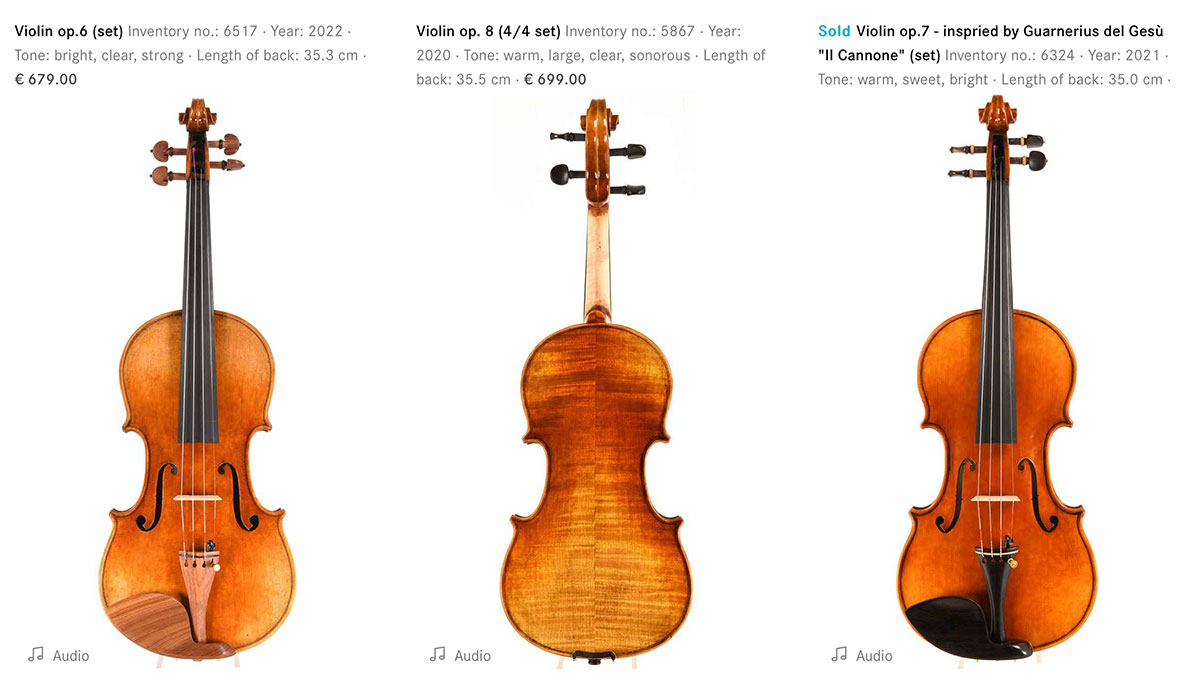
In the United States, a violin can cost about $100 for a basic beginner model, $300 to $1,500 for a dependable student violin, $1,500 to $10,000 for an intermediate instrument, and $10,000 or more for a professional violin. Rare antique and master-made violins may cost tens of thousands to millions of dollars.
For most new players in the U.S., a realistic starting budget is $500 to $1,200 for the violin outfit, including the violin, bow, case, and basic setup. Renting can cost around $20 to $50 per month, depending on the size, quality, insurance, and rental program.
The right price depends on your playing level, the violin’s condition, its size, its setup, and whether you buy new or used.

Violin price ranges in the United States
The table below gives broad U.S. market ranges. These are practical estimates, not fixed prices. Local taxes, shipping, brand, condition, and included accessories can change the final cost.
| Violin type | Typical U.S. price | Best for |
|---|---|---|
| Very basic outfit | $100–$300 | Casual use or short-term trial |
| Entry-level student violin | $300–$800 | New players and young students |
| Better student violin | $800–$1,500 | Students taking regular lessons |
| Intermediate violin | $1,500–$5,000 | Advancing players |
| High-quality intermediate violin | $5,000–$10,000 | Serious students and performers |
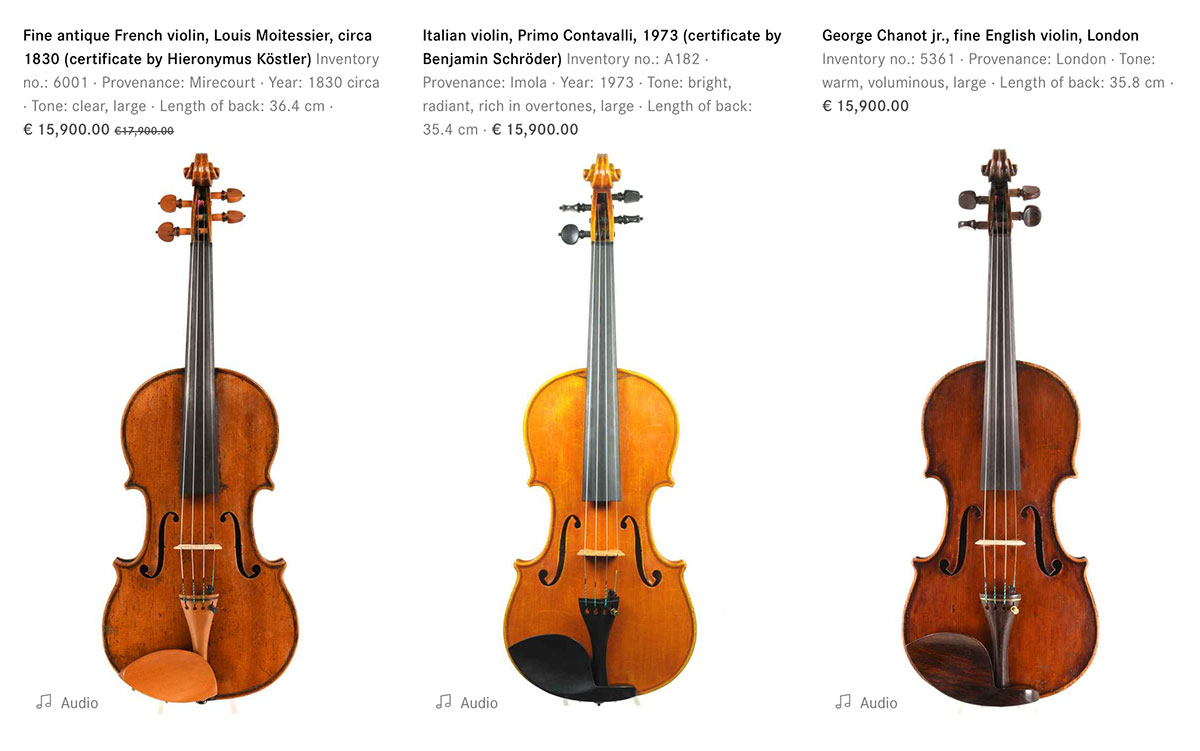
| Professional violin | $10,000–$50,000+ | Conservatory students and working musicians |
| Fine Italian or historical violin | $50,000 to several million dollars | Collectors and elite professionals |
A low-cost violin may be playable, but price alone does not tell you whether it is a good instrument. A $300 violin with a proper bridge, fitted soundpost, and smooth pegs may be more useful than a $700 violin that has not been set up correctly.
The largest price jump comes when the violin offers better tone, easier response, stronger projection, and more reliable construction. These benefits matter most after a player develops enough skill to notice and use them.
What does a beginner violin cost?
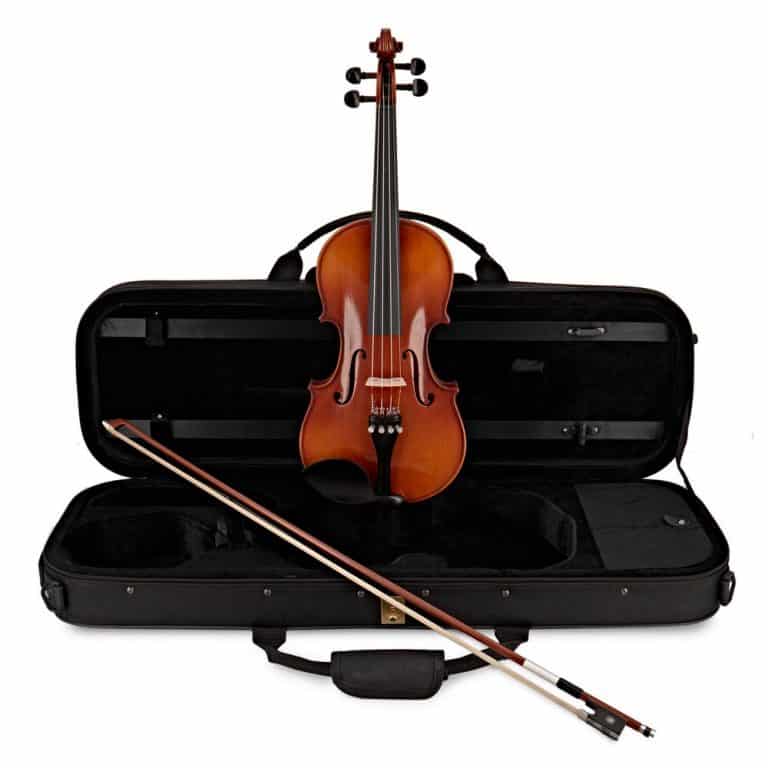
A beginner violin usually costs $300 to $800 for a usable outfit in the United States. This often includes the violin, bow, case, and rosin. Some outfits cost less, but the cheapest options may need repairs or professional setup before they are comfortable to play.
For a child who may quickly outgrow a fractional-size violin, renting can be a better choice. Many U.S. music stores and specialty violin shops offer rent-to-own plans. These plans may let you exchange a small violin for a larger size as the child grows.
A beginner outfit should have:
- A properly fitted bridge
- Pegs that turn without slipping
- A straight neck
- A fingerboard with a smooth, correct shape
- A soundpost in the correct position
- Four strings that hold pitch
- A bow with usable hair
- A case that protects the instrument
- Basic rosin
A violin sold as a “complete outfit” does not always include a good setup. Ask the seller what work was done before shipping and whether adjustments are included after purchase.
Is it better to rent or buy a violin?
Renting is often the safer first step for a young player or a beginner who is unsure about continuing. Buying may cost less over time when the player is committed and the instrument will remain useful for several years.
Renting a violin
A U.S. violin rental may cost roughly $20 to $50 per month. Higher-quality rentals, insurance, and rent-to-own plans may cost more.
Renting can help when:
- The player needs a fractional-size instrument
- The student is starting lessons for the first time
- The family wants an easy exchange when the player grows
- The buyer cannot inspect used violins
- Repairs and maintenance are included in the plan
Read the rental agreement before signing. Check the replacement value, damage rules, late fees, insurance, ownership terms, and exchange policy.
Buying a violin
Buying can make sense when:
- The student has played long enough to stay committed
- The instrument fits the player’s body
- A teacher approves the choice
- The seller offers a trial period
- The buyer can budget for repairs and maintenance
A rent-to-own plan can combine both options. However, compare the final purchase cost with the normal retail price. A low monthly payment may still lead to a high total cost.

What affects the price of a violin?
Several factors control the cost of a violin. The most important are workmanship, materials, condition, sound, maker, age, and setup.
Workmanship and materials
A violin’s body is usually made from spruce and maple. Better instruments tend to use well-seasoned wood and careful carving. Skilled work can improve the instrument’s strength, response, and tone.
Good materials do not guarantee a good violin. The design, construction, varnish, repairs, and setup also affect how the instrument plays.
Sound and response
Players often pay more for a violin that responds quickly and produces a useful range of tone colors. A violin that sounds rich under the ear may not project well in a concert hall. A violin with strong projection may sound bright or harsh to the player.
This is why a teacher or experienced player should test the instrument. Online descriptions cannot replace an in-person trial.
Maker and history
A violin by a known maker may cost more because of documented history, demand, and resale value. A label inside the violin does not prove who made it. Many older violins carry labels that name a model or famous maker but were made by someone else.
Certificates, appraisals, and records can support a violin’s identity, but they should come from qualified specialists. A seller’s claim alone is not enough for an expensive purchase.
Condition and repairs
Cracks, open seams, worn fingerboards, damaged varnish, poor neck angles, and previous repairs can affect both sound and value. Some repairs are normal for older instruments. Others may cost thousands of dollars or reduce resale value.
Before buying a used violin, ask for a written condition report. For an expensive instrument, have an independent violin specialist inspect it.
Setup
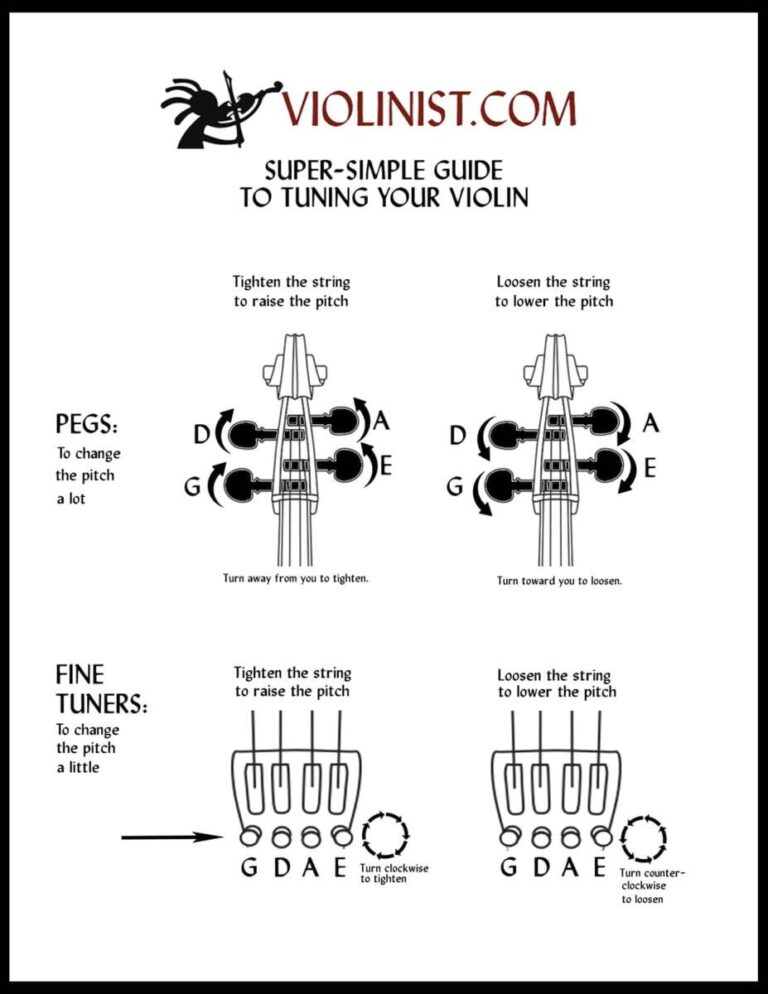
Setup is the adjustment of parts such as the bridge, soundpost, pegs, nut, strings, and fingerboard. It affects playability more than many beginners expect.
A poor setup can cause:
- Strings that sit too high
- Notes that buzz
- Pegs that slip
- A bridge that leans or warps
- Difficult tuning
- Uncomfortable left-hand movement
- Weak or uneven response
A basic professional setup may cost around $75 to $200 or more, depending on the shop and the work needed. Major repairs cost much more.
How much do violin accessories cost?
The violin is only part of the first purchase. A realistic budget should include accessories and regular care.
| Item | Typical U.S. price |
|---|---|
| Bow | Included with some outfits; $75–$500+ when purchased separately |
| Case | $50–$500+ |
| Rosin | $5–$30 |
| Shoulder rest | $20–$80 |
| Extra string set | $30–$150+ |
| Music stand | $20–$100 |
| Clip-on tuner | $10–$50 |
| Practice mute | $5–$30 |
| Professional setup | $75–$200+ |
| Private lessons | Often $30–$100+ per lesson |
Prices vary widely by brand, region, teacher, and quality. Professional strings can cost more than basic student strings, but the most expensive strings are not always the best match for a particular violin.
A shoulder rest is optional. Some players use one, while others prefer a different setup. Comfort and relaxed posture matter more than choosing the most expensive accessory.
What is the total cost of owning a violin?
A practical first-year budget includes the instrument, accessories, lessons, maintenance, and travel costs.
Example: beginner who buys
This is a hypothetical U.S. budget:
| Expense | Example cost |
|---|---|
| Student violin outfit | $600 |
| Better shoulder rest | $40 |
| Extra strings | $60 |
| Music and supplies | $50 |
| Four professional setups or adjustments | $150 |
| Twelve monthly lessons at $50 | $600 |
| Estimated first-year total | $1,500 |
The total can be lower if the buyer chooses group lessons or a rental. It can be much higher with weekly private lessons, premium strings, travel, or repair work.
Example: beginner who rents
A hypothetical rental budget might look like this:
- Twelve months of rental at $30 per month: $360
- Rosin and small supplies: $25
- Lessons at $50 each for 12 lessons: $600
- Estimated first-year total: $985
These examples are not quotes. They show why the purchase price is only one part of the cost.

Are cheap violins worth buying?
The cheapest violins are not always a good value. Some are suitable for decoration, occasional use, or a short trial. Others are difficult to tune and may discourage a new player.
Be cautious when a violin:
- Has no clear return policy
- Includes many accessories but no setup details
- Uses vague claims such as “professional quality”
- Has visible cracks or loose parts
- Comes with a bow that will not hold hair tension
- Is sold as antique without documentation
- Has a bridge that is flat, leaning, or poorly cut
- Cannot be tested before the return period ends
A very cheap violin can become expensive after a bridge replacement, peg repair, new strings, and soundpost work. Ask a violin teacher or luthier to inspect it before the return period expires.
The best value is usually not the lowest sticker price. It is the lowest total cost for an instrument that is comfortable, stable, and suitable for the player’s goals.
New or used: which violin costs less?
A used violin can offer better quality for the money, but it carries more risk. A new violin usually gives the buyer clearer warranty terms and a simpler return process.
Advantages of a new violin
- Easier to find a return policy
- Less uncertainty about hidden damage
- Possible warranty coverage
- Fresh setup from a reputable shop
- Clearer ownership history
Advantages of a used violin
- More choices at the same budget
- Potentially better materials or workmanship
- Less initial depreciation in some cases
- Access to older instruments with mature sound
Buy used from a shop that provides a trial period and written condition details. Private sales can save money, but they provide fewer protections. For a violin priced in the thousands, the cost of an independent inspection is small compared with the cost of a bad purchase.

How much should you spend on a violin?
Most beginners should spend enough to get a reliable, well-set-up instrument, but not so much that the purchase creates financial pressure.
A useful starting guide is:
- Young child: Rent first or buy a $300–$800 student outfit.
- Adult beginner: Consider a $400–$1,200 outfit or a reputable rental.
- Committed student: Consider $1,000–$3,000 after testing several instruments.
- Advanced student: Compare instruments from about $2,500 upward with a teacher or specialist.
- Professional player: Choose based on response, projection, style, and long-term value rather than a simple price bracket.
These ranges are not rules. A talented player may do well on a modest violin, while a beginner may prefer a more responsive instrument. The player’s level should guide the purchase, not the label alone.
Do not spend your entire budget on the violin body. Reserve money for the bow, case, strings, setup, lessons, and possible repairs.
How to test a violin before buying
A short test can reveal problems that photos cannot show. If possible, bring a teacher or experienced player.
- Check the size. The player should be able to hold the instrument without strain.
- Inspect the body. Look for cracks, open seams, loose parts, and signs of impact.
- Turn the pegs. They should move smoothly and hold the strings in tune.
- Examine the bridge. It should stand straight and fit the top correctly.
- Play open strings. Listen for rattles, buzzing, and uneven response.
- Play across the fingerboard. Check whether the notes speak easily.
- Compare it with other violins. Use the same bow and similar strings when possible.
- Ask about the return period. Test the violin at home before the deadline.
- Get a written condition report. This matters most for used or expensive instruments.
- Compare the bow too. A weak or poorly balanced bow can limit the instrument.
A violin may sound different in a shop, a small room, and a performance space. If the price is high, ask whether you can take it to a lesson or have a professional evaluate it.

Common violin-buying mistakes
Many poor purchases happen because buyers focus on the label or the package rather than the instrument’s condition.
Buying by appearance
A highly decorated violin may look attractive but still play poorly. Decoration does not prove quality.
Trusting the label
A label is not the same as proof of authorship. If a seller claims that a violin was made by a famous maker, request documentation from a qualified expert.
Ignoring the bow
The bow controls articulation, tone, and control. A weak bow can make a good violin feel difficult to play.
Skipping setup
A violin that has not been adjusted may seem defective when it only needs professional setup. However, setup cannot fix every construction problem.
Choosing by price alone
A higher price may reflect a famous maker, rare history, or collector demand. It does not guarantee that the instrument will suit every player.
Forgetting taxes and shipping
U.S. sales tax, shipping, insurance, and return shipping can add substantially to the final cost. Ask for the full delivered price before paying.
Buying without a return option
New players often need time to compare the violin with one tested by a teacher. A return period reduces risk.
Frequently asked questions
How much is a good violin for a beginner?
A good beginner violin usually costs $300 to $800, while a higher-quality student outfit may cost $800 to $1,500. Look for proper setup, stable tuning, a reasonable return policy, and advice from a teacher.
Can you get a decent violin for $100?
You can find violins near $100, but quality varies greatly. Some may work for a short trial, while others need enough repairs that the final cost exceeds the price of a better student instrument.
Is a $1,000 violin good?
A $1,000 violin can be a strong choice for a serious beginner or advancing student. Its value depends on the maker, setup, condition, sound, and return policy rather than the price alone.
How much does a professional violin cost?
Professional violins often cost $10,000 to $50,000 or more. Fine historical instruments may cost far more. Professional players usually compare sound, projection, response, provenance, condition, and resale value.
Do violins become more valuable with age?
Age alone does not guarantee higher value. Maker, condition, sound, documentation, rarity, repairs, and market demand matter. An old violin without reliable history may be worth less than a well-made modern instrument.
Should I buy a violin online?
You can buy online, but use a specialist seller with clear photos, setup information, a meaningful trial period, and a return policy. For expensive instruments, arrange an independent inspection before the return period ends.
Bottom line: what should you budget?
For most people in the United States, plan on $500 to $1,200 for a reliable beginner outfit, or $20 to $50 per month to rent. Serious students may eventually spend $1,500 to $10,000, while professional and collectible violins occupy a much higher range.
The best next step is to ask a violin teacher or reputable violin shop to help you compare two or three instruments at your budget. Test the complete setup—including the bow—and calculate the cost of accessories, lessons, maintenance, tax, and repairs before you buy.

Senior Music Reviewer
Alex Carter is a seasoned music reviewer with over a decade of experience in the world of sound and instruments. Passionate about helping musicians and enthusiasts make informed choices, he brings sharp insights and in-depth knowledge to every review. From classical instruments to modern gear, Alex combines technical expertise with a love for music to deliver content that resonates with readers.
As a Senior Music Reviewer and expert author on Tuneluma.com, Alex is dedicated to sharing honest evaluations, practical advice, and thoughtful commentary to guide readers in their musical journey.