What Key Is The Harmonica In Piano Man: Easy Answer
The harmonica in Billy Joel’s “Piano Man” is most commonly played in the key of C. If you want to play along with the original recording, start with a C major diatonic harmonica.
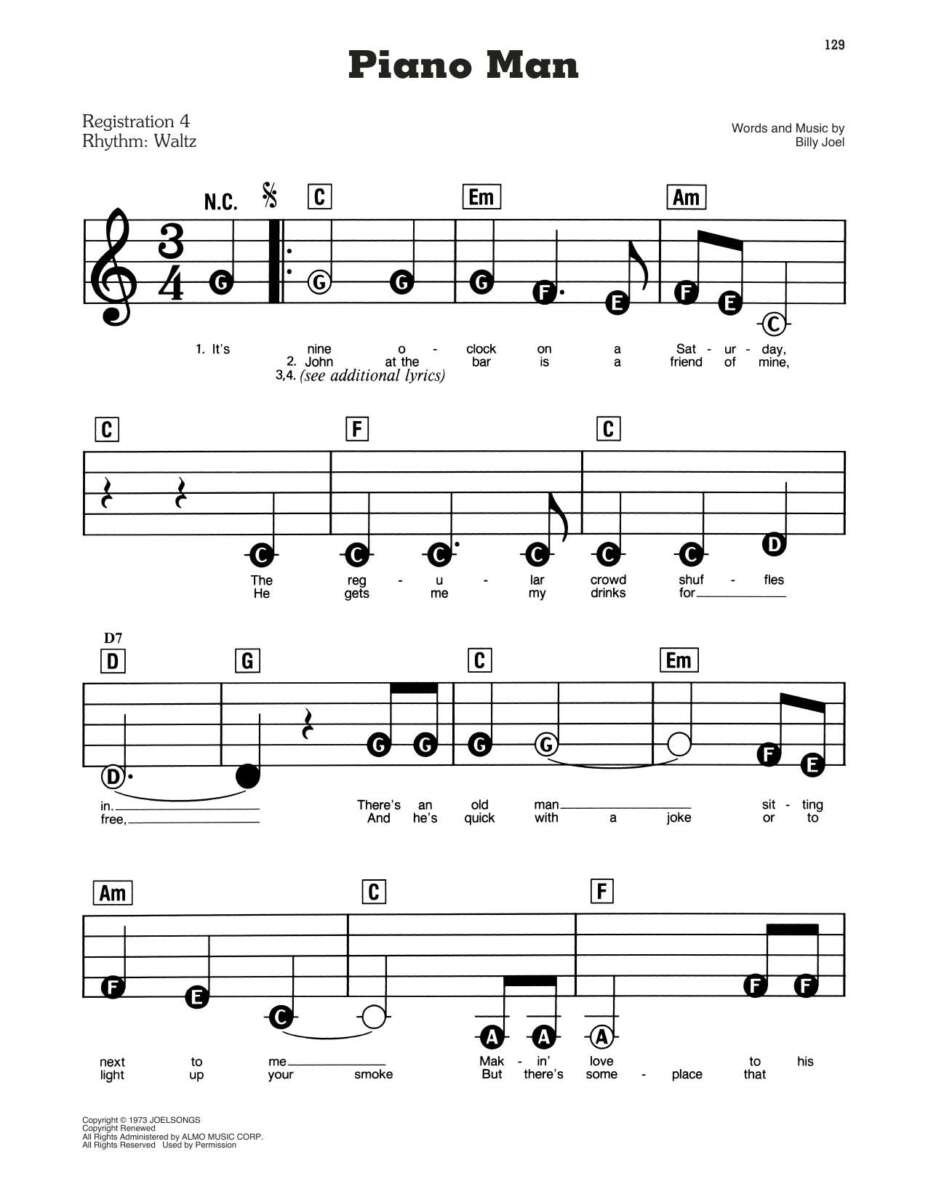
The song itself is also generally transcribed in C major. That makes a C harmonica the natural choice for the familiar opening melody and the short harmonica fills between vocal lines.
The short answer: Use a C harmonica
A C harmonica is the best match for the original studio version of “Piano Man.” The song’s main tonal center is C, and the melody fits well on a standard 10-hole diatonic harmonica in the key of C.
For a quick setup:
- Song key: C major
- Recommended harmonica: C major diatonic
- Playing position: First position, also called straight harp
- Best starting point: The middle holes, especially holes 4 through 7
- Main skill needed: Clean single notes and smooth bends are helpful, but beginners can play much of the melody without advanced bends
The key question has two possible meanings:
- What key is the song in? Usually C major.
- What harmonica should I use? A C harmonica.
Those answers point to the same instrument for most players.
The original recording was released in the United States in 1973 as part of Billy Joel’s album Piano Man. Standard chord charts and songbook arrangements commonly place the song in C major. The exact pitch of an older recording may vary slightly because of studio tuning, tape speed, or the arrangement used for a live performance.
That small difference does not change the practical answer: try a C harmonica first.

Why a C harmonica works for “Piano Man”
A harmonica is labeled by its home key. A C harmonica is built around the notes of the C major scale:
C–D–E–F–G–A–B
When you play it in first position, the instrument naturally supports music centered on C major. That is why it fits the main melody of “Piano Man” without requiring a large number of bends or altered notes.
The opening harmonica line has a folk and country sound. A standard C diatonic harmonica gives you that sound with a direct, bright tone. It also lets you play many of the melody notes in the middle register, where the instrument responds clearly.
First position versus second position
Players often use the terms first position and second position:


- First position: A C harmonica plays mainly in C.
- Second position: A C harmonica plays mainly in G.
For “Piano Man,” first position is the simple starting point because the song is centered on C. Many blues songs use second position, but that does not mean every harmonica song should use it.
The position affects more than the note layout. It changes the available bends, chord sounds, and overall character. If you use a C harmonica in second position, parts of the song may feel less natural and may require more bending.

How to play along with the original recording
Use a C major harmonica and begin by finding the melody around holes 4 through 7. This area is easier to control than the very low or very high register.
Follow these steps:
-
Get a standard C diatonic harmonica.
A 10-hole harmonica is the usual choice. A chromatic harmonica is not required. -
Play the recording at a slower speed.
Use a legal playback tool that can slow the track without changing its pitch. This helps you hear where each phrase begins and ends. -
Listen for the opening phrase.
The harmonica starts the song with a clear melodic line. Do not try to copy every detail at once. First match the rhythm. -
Find the melody by ear.
Start with clean blows and draws in the middle holes. Move one hole at a time until the pitch matches the recording. -
Add the pauses.
The rests are part of the sound. Holding every note too long can make the line feel crowded. -
Practice the vocal fills separately.
The harmonica returns between sung phrases. Treat each short fill as its own musical idea. -
Play with the full track.
Once the notes are close, focus on timing, breath control, and volume.
You do not need to copy Billy Joel’s tone exactly to sound convincing. A clean melody with the right timing will usually sound better than a technically complex performance that loses the rhythm.
A simple practice pattern
Practice in three stages:
- Play only the first few notes.
- Add the next phrase after the first one feels steady.
- Join the phrases without stopping.
This approach works well because the song contains recognizable melodic phrases. You can build the part like a short chain rather than trying to learn the whole performance in one pass.


What if your harmonica does not sound right?
If a C harmonica seems out of tune with “Piano Man,” check the setup before buying another key. The problem may not be the harmonica’s key.
Check the recording speed
Older recordings can play slightly sharp or flat if the tape speed was not perfectly matched during recording or playback. Digital versions may also differ in pitch because of mastering choices.
If your C harmonica sounds almost right but not quite, compare a sustained note from the recording with your instrument. A small pitch difference may come from the recording rather than from your harmonica.
Check the version of the song
Live performances, karaoke tracks, lessons, and cover versions may use a different key. A singer may move the song higher or lower to fit their voice.
If the track is in a different key, the harmonica must change too. For example:
| Song key | Likely diatonic harmonica for first position |
|---|---|
| C major | C |
| D major | D |
| E major | E |
| F major | F |
| G major | G |
| A major | A |
This table assumes the arrangement is played in first position. A performer using another position may choose a different harmonica.
Check whether you have a low or high model
A low-C harmonica is still in the key of C, but it sounds one octave lower than a regular C model. It may fit the notes but produce a darker tone than the recording.
A high-C harmonica sounds brighter and higher. It may also feel more sensitive under the mouth. For most beginners, a regular standard C harmonica is the safest starting point.
Check your note technique
A weak or airy sound often comes from an incomplete seal around the mouth. Try to:
- Relax your lips.
- Cover one hole at a time.
- Keep your breath gentle.
- Avoid blowing too hard.
- Listen for unwanted neighboring notes.
A harmonica is a small instrument, so excess air can make the tone harsh. Soft, controlled breath usually gives better results.

Do you need a special harmonica for the song?
No. You do not need a custom harmonica, a chromatic harmonica, or a special Billy Joel model.
A regular 10-hole C diatonic harmonica is enough for learning the main part. A chromatic harmonica can play more notes because it has a slide, but that extra range is not necessary for the basic “Piano Man” melody.
A diatonic harmonica also matches the style of the recording more closely. Its natural note layout and slight pitch movement give the part a warm, human sound.


Choose a harmonica with:
- A standard C tuning
- Ten holes
- Comfortable mouthpiece edges
- Reeds that respond evenly
- A design intended for single-note melody playing
The brand matters less than the key, condition, and your ability to play clean notes. A damaged or poorly tuned harmonica can make practice frustrating, but an expensive model is not required for a beginner to learn the song.

Common mistakes when choosing the key
The most common mistake is buying a harmonica based on the key of the album title or the performer rather than the key of the song. Billy Joel’s name does not tell you which harmonica to use.
Other mistakes include:
- Buying a G harmonica because the song has G chords
- Assuming every harmonica part uses second position
- Using a karaoke track without checking its key
- Confusing a low-C harmonica with a different musical key
- Copying a live version without checking for transposition
- Playing too loudly and masking the melody
- Ignoring pauses between phrases
A song can contain several chords while still being in one main key. “Piano Man” includes chord changes beyond C, but that does not automatically mean you need several harmonicas.
The C harmonica is the practical starting point because the song’s main tonal center and common arrangements point to C major. Use another harmonica only when the specific backing track is in another key or when you deliberately choose a different playing position.

Frequently asked questions
Is “Piano Man” in C major?
Yes. The song is commonly arranged and transcribed in C major. Some live or cover versions may be moved to another key.
What harmonica did Billy Joel use in “Piano Man”?
The part is commonly associated with a C harmonica, but public descriptions do not always document the exact brand, model, or tuning of the original studio instrument. The key is more useful for players than the brand.
Can I play “Piano Man” on a harmonica in G?
You can play a version on a G harmonica, but it will not match the original C-major backing track in the usual first-position layout. It may work if you transpose the song or use another playing position.
Do I need to bend notes to play the song?
Not for the basic melody. Some expressive details may use bends or subtle pitch changes, but beginners can learn the main line with clean single notes first.
What if my C harmonica sounds too high?
You may have a high-C model, or the problem may be your playing technique or the recording pitch. A standard regular C harmonica is usually the best choice for matching the familiar arrangement.
Final answer
For the original-style arrangement of Billy Joel’s “Piano Man,” use a standard C major diatonic harmonica. The song is generally in C major, and first position is the most direct way to approach the harmonica melody.
Start with clean notes in the middle register, practice the pauses, and check the key of any live or karaoke version before changing instruments.



Senior Music Reviewer
Alex Carter is a seasoned music reviewer with over a decade of experience in the world of sound and instruments. Passionate about helping musicians and enthusiasts make informed choices, he brings sharp insights and in-depth knowledge to every review. From classical instruments to modern gear, Alex combines technical expertise with a love for music to deliver content that resonates with readers.
As a Senior Music Reviewer and expert author on Tuneluma.com, Alex is dedicated to sharing honest evaluations, practical advice, and thoughtful commentary to guide readers in their musical journey.