Introduction
A well-built acoustic piano can last 40 to 80 years, and many can remain playable for 100 years or more with good care. A digital piano usually lasts 10 to 30 years, depending on its electronics, use, repairs, and parts support.
There is no single expiration date for a piano. Its lifespan depends on the type of piano, build quality, climate, playing time, maintenance, storage, and past repairs. In the United States, indoor heating, air conditioning, dry winters, humid summers, and frequent moves can all affect a piano’s condition.
The better question is not only, “How old is this piano?” It is also, “How well has it been kept, and what will it cost to keep it useful?”


How Long Do Acoustic Pianos Last?
Acoustic pianos often last 40 to 80 years in normal home use. A high-quality piano that receives regular service may last 100 years or longer, although it may need major work during that time.
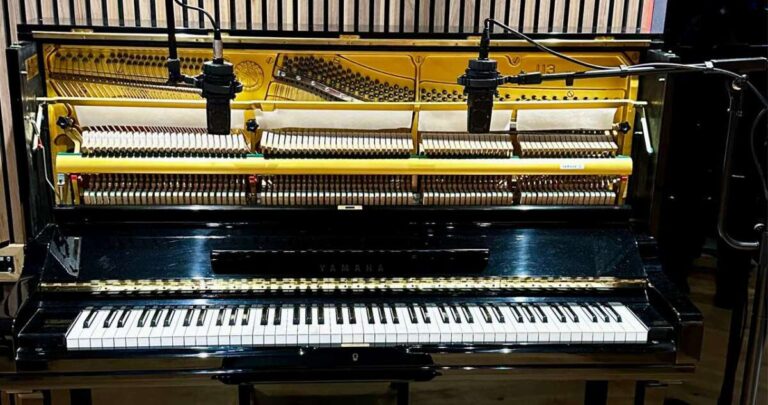
An acoustic piano creates sound with felt-covered hammers striking metal strings. The strings, bridges, soundboard, action, pedals, and cabinet all age at different rates. One part may need repair while the rest of the piano remains in good condition.
Typical lifespan by acoustic piano type
| Piano type | Typical useful life | What can extend its life |
|---|---|---|
| Spinet piano | 25–50 years | Light use, stable humidity, good repairs |
| Console piano | 40–60 years | Regular tuning and action service |
| Studio upright | 40–70 years | Strong construction and controlled conditions |
| Full-size upright | 50–80 years | Quality materials and periodic rebuilding |
| Baby grand piano | 50–80 years | Professional care and careful regulation |
| Larger grand piano | 60–100+ years | Rebuilding, climate control, and low wear |
These ranges are estimates, not guarantees. A neglected 20-year-old piano may be in worse shape than a carefully maintained 70-year-old piano.
What does “last” mean?
A piano can “last” in several different ways:
- Playable: It makes music and can be used for practice.
- Tunable: A technician can bring it close to standard pitch.
- Musically useful: It responds well enough for a student, teacher, or performer.
- Restorable: Its major parts can be repaired or replaced.
- Economically sensible: Its repair cost makes sense compared with buying another piano.
A piano may still produce sound but no longer offer a good playing experience. Sticky keys, weak tone, poor tuning stability, and uneven touch often signal that the instrument needs more than a basic tuning.

How Long Do Digital Pianos Last?
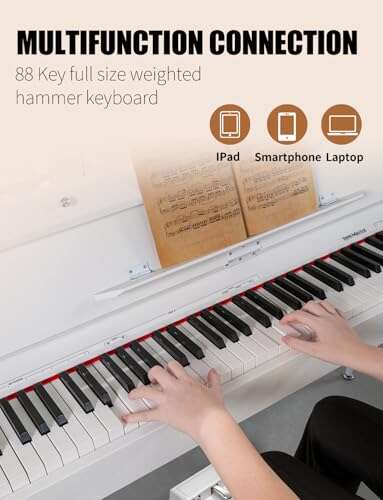
Most digital pianos last about 10 to 30 years. Some fail sooner, while others remain useful for longer when kept clean, dry, and protected from electrical problems.
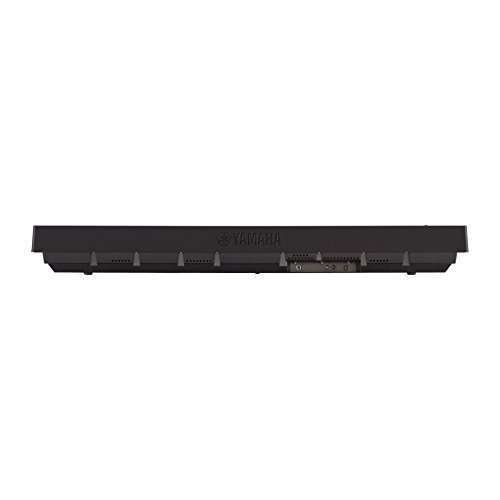
Digital pianos use electronic parts such as circuit boards, sensors, speakers, displays, power supplies, and key mechanisms. These parts do not wear in exactly the same way as acoustic piano parts. A digital piano may need little routine maintenance, but a single failed board or discontinued part can make repair difficult.
What affects digital piano lifespan?
The main factors include:
- Build quality: Key sensors and moving parts vary by model.
- Daily use: Heavy playing creates more wear on keys and pedals.
- Heat and moisture: Excess heat and humidity can damage electronics.
- Power problems: Surges and unstable power may harm internal circuits.
- Parts availability: Older models may become difficult to repair.
- Software support: Some features depend on apps, operating systems, or connection standards.
- Physical damage: Broken keys, damaged screens, and cracked plastic can be costly to replace.
A digital piano does not need regular tuning. However, it still benefits from gentle cleaning, safe placement, and protection from spills. Unplug the instrument before cleaning it, and follow the manufacturer’s instructions for the keys and display.
When does a digital piano become outdated?
A digital piano can become outdated before it stops working. Newer models may offer better key sensors, speakers, connectivity, recording features, and sound engines.


This does not mean an older digital piano is unusable. If the keys work well and the sound meets your needs, age alone is not a reason to replace it. Replacement becomes more reasonable when repair parts are unavailable or the instrument no longer supports the way you play.

What Determines a Piano’s Lifespan?
The largest factors are humidity, use, maintenance, construction, and movement. These factors affect both acoustic and digital pianos, though acoustic pianos are usually more sensitive to climate changes.
1. Humidity and temperature
Wood expands and contracts as moisture levels change. Acoustic pianos contain many wooden parts, including the soundboard, bridges, pinblock, action parts, and cabinet.
Very dry air can cause:
- Cracks in the soundboard
- Loose tuning pins
- Shrinking wooden parts
- Changes in touch and tone
- Loose joints and action problems
Excess humidity can cause:
- Rust on strings and hardware
- Swollen wooden parts
- Sticking keys
- Mold or finish damage
- Unstable tuning
The Piano Technicians Guild commonly advises keeping indoor relative humidity near 42%, with a practical range often stated as 42% to 50% for piano care. A home hygrometer can help you track conditions. A piano technician can advise whether a room or instrument needs a humidity-control system.
Avoid placing a piano near:
- A radiator or furnace vent
- A fireplace
- A drafty door
- Direct sunlight
- An air conditioner
- A humidifier that blows directly toward the piano
- A wall with major temperature swings
2. Playing time and force
A piano used for one hour a week faces much less wear than one used for several hours each day. Hard playing also increases wear on hammers, key bushings, dampers, strings, and pedals.
This does not mean you should play gently all the time. Pianos are made to be played. The key is to service heavily used instruments more often and repair small problems before they spread.
3. Maintenance
Regular tuning does more than improve pitch. It allows a technician to find loose parts, worn action components, damaged strings, and climate-related problems before they become severe.
For many home acoustic pianos, a useful starting point is:
- Tune the piano at least once or twice a year
- Tune it more often during the first year after moving
- Schedule regulation when touch becomes uneven
- Have the piano inspected when buying used
- Clean the cabinet and keys using safe methods
- Address sticking keys, buzzing, or changes in touch promptly
The exact schedule depends on use, climate, age, and the piano’s condition.
4. Construction quality
Materials and design affect how well a piano ages. A strong soundboard, stable pinblock, durable action parts, and careful manufacturing can support a longer service life.
Still, brand name alone does not determine condition. A respected piano can suffer from poor storage, flooding, long neglect, or repeated moves. A less expensive piano may remain useful if it has been treated well.


How to Tell How Much Life a Used Piano Has Left
The best way to estimate a used piano’s remaining life is to inspect its condition, not just its age. A piano technician can provide the most useful assessment before you buy.
Check the piano’s history
Ask for:
- The approximate purchase date
- The original owner
- Service and tuning records
- The reason for sale
- Any history of water or fire damage
- Details about moves
- Major repairs or rebuilding
- Whether the piano was stored in a garage, basement, or unheated space
A missing history does not prove that a piano is bad. It simply increases uncertainty.
Inspect the exterior
Look for:
- Cracks in the cabinet
- Water marks
- Veneer lifting
- Rust
- Missing hardware
- Damage near the pedals
- Signs of insects or mold
- Uneven gaps around the case
Cosmetic damage may not affect the sound. However, water damage and severe warping can point to deeper problems.
Test every key and pedal
Play each key softly and firmly. Listen for:
- Notes that do not sound
- Notes that sound much louder or softer than others
- Buzzing or rattling
- Keys that stick or return slowly
- Uneven resistance
- Pedals that squeak, stick, or fail to work
A short test can reveal symptoms, but it cannot confirm the cause. A sticking key may need a simple adjustment, or it may reflect worn or swollen parts.
Look inside only when safe
With an acoustic piano, check for:
- Rust on strings
- Cracks in the soundboard
- Loose or damaged bridges
- Missing or broken action parts
- Evidence of rodents or insects
- Tuning pins that appear loose
- Repairs that look incomplete
Do not remove covers or reach into the action unless you know how to do so safely. Internal parts can be fragile, and some piano components are under tension.
Have a technician inspect it
A pre-purchase inspection is often one of the best ways to avoid a costly mistake. The technician can assess:
- Tuning stability
- Action wear
- Soundboard and bridge condition
- Pinblock strength
- String and hammer condition
- Repair priorities
- Likely near-term costs
A technician may not be able to predict an exact remaining lifespan. The useful result is a condition report and a clearer estimate of what the piano needs now.

Does an Old Piano Need to Be Rebuilt?
An old piano does not automatically need rebuilding. Rebuilding is usually considered when several major systems are worn and the instrument has enough structural value to justify the work.
A rebuild may involve:


- New strings
- New tuning pins
- Soundboard repair or replacement
- Bridge repair
- New hammers
- Action replacement
- Damper work
- Cabinet restoration
Signs that rebuilding may be needed
Possible signs include:
- The piano will not hold a stable tune
- Many strings are rusty or broken
- Tuning pins are loose
- The action feels uneven or unreliable
- Hammers are deeply worn
- The soundboard has serious damage
- The piano has a history of long neglect
- Repair needs affect several major systems
A piano can sometimes receive partial repairs instead. For example, a technician may replace worn action parts without rebuilding the soundboard. The right choice depends on the instrument’s condition, intended use, and repair budget.
Is rebuilding financially sensible?
The answer depends on the piano’s quality, local labor costs, sentimental value, and the price of a comparable replacement.
A useful comparison is:
- Get a written repair estimate.
- Compare it with the cost of another piano in similar condition.
- Include moving, tuning, delivery, and inspection costs.
- Consider whether the current piano fits the player’s needs.
- Decide whether the goal is performance, practice, family use, or preservation.
A repair can be worthwhile even when it does not increase resale value. Sentimental value and playing quality are valid reasons to restore an instrument. The decision should be clear about those goals.

How to Make a Piano Last Longer
The most effective steps are simple: control the room, service the instrument, and avoid preventable damage.
For acoustic pianos
- Keep indoor humidity reasonably stable.
- Use a hygrometer in the piano room.
- Keep the piano away from heat sources and direct sunlight.
- Schedule regular tuning.
- Close the fallboard when the piano is not in use.
- Keep drinks, plants, and decorations off the piano.
- Dust with a soft cloth approved for the finish.
- Do not use household polish unless the manufacturer permits it.
- Avoid storing items inside the piano.
- Hire trained piano movers for relocation.
- Tune the piano after it has adjusted to a new home.
- Have unusual noises or sticking keys checked early.
For digital pianos
- Keep liquids away from the keys and control panel.
- Use a suitable surge protector if recommended by the manufacturer.
- Do not block vents.
- Keep the instrument away from high heat and moisture.
- Clean keys with a soft, slightly damp cloth only when appropriate.
- Avoid forcing keys, pedals, knobs, or connectors.
- Keep manuals and model information for future repairs.
- Check whether replacement parts and service are available.
- Update software only through the manufacturer’s instructions.
A stable home environment helps more than occasional deep cleaning. Prevention is usually cheaper than correcting climate damage or neglected wear.

Acoustic Piano vs. Digital Piano Lifespan
Acoustic and digital pianos age in different ways. Acoustic pianos often have a longer repairable life, while digital pianos usually require less routine care.
| Factor | Acoustic piano | Digital piano |
|---|---|---|
| Typical lifespan | 40–80 years; sometimes longer | 10–30 years |
| Main wear | Strings, hammers, action, soundboard | Keys, sensors, speakers, circuit boards |
| Routine tuning | Required | Not required |
| Climate sensitivity | High | Moderate to high |
| Repair pattern | Parts may be rebuilt or replaced | Electronics may be hard to source |
| Sound production | Strings and soundboard | Digital sound engine and speakers |
| Main long-term risk | Structural and action wear | Obsolete or unavailable electronics |
An acoustic piano is often a better long-term instrument when the owner values touch, resonance, and repairability. A digital piano may be more practical for apartment living, headphone use, recording, or players who want low routine maintenance.
Neither type is automatically better. The right choice depends on space, sound, touch, budget, noise limits, and expected use.

Common Mistakes That Shorten Piano Life
Several common mistakes can cause avoidable damage.
Treating a piano as furniture
Heavy objects can damage the lid or case. Items may also fall into the action or scratch the finish. Keep the top clear, especially when children or pets are nearby.


Placing it against a problem wall
An outside wall, sunny window, heater, or air-conditioning vent can create rapid temperature and humidity changes. Choose the most stable room available.
Skipping tuning for years
A piano that is badly out of tune may require more than one visit to return to normal pitch. Long neglect can also hide mechanical problems.
Moving it without proper equipment
Pianos are heavy and difficult to balance. Improper moving can injure people and damage legs, casters, pedals, floors, or internal parts. Use professional piano movers, especially for stairs or tight turns.
Assuming a low price means a good deal
A free or cheap piano may still require thousands of dollars in moving, repairs, and rebuilding. Always account for total cost.
Using the wrong cleaner
Some household cleaners can damage lacquer, polyester, ivory substitutes, plastics, or painted surfaces. Use the product maker’s care instructions or ask a piano technician.

When Should You Repair, Replace, or Keep a Piano?
Repair the piano when its structure is sound, the needed work is manageable, and the instrument meets your musical needs.
Consider replacing it when:
- The repair estimate is far beyond the value you place on the piano.
- The instrument has major structural damage.
- Parts are unavailable.
- The touch or tone cannot meet your needs.
- A better-condition replacement is easy to find.
- The piano is the wrong size or type for your home.
Keep the piano as it is when the problems are minor and it remains useful. A piano does not need to look new or perform like a concert instrument to serve a beginner or family.
For a used acoustic piano, the safest sequence is:
- Inspect the piano before purchase.
- Estimate moving and immediate service costs.
- Identify urgent repairs.
- Compare the total with other available pianos.
- Buy only when the condition and cost are clear.

Key Takeaways
- An acoustic piano commonly lasts 40 to 80 years.
- A carefully maintained acoustic piano may remain useful for 100 years or more.
- A digital piano commonly lasts 10 to 30 years.
- Climate, use, maintenance, construction, and moving history matter more than age alone.
- A piano technician can identify costly problems that a short playing test may miss.
- A low purchase price does not always mean a low total cost.
- Stable humidity and regular service are among the best ways to extend piano life.
Frequently Asked Questions
Can a piano last 100 years?
Yes. Some acoustic pianos remain playable for 100 years or more, especially when they have been protected from severe humidity changes and receive suitable repairs. Age alone does not determine whether a piano is worth keeping.
How often should an acoustic piano be tuned?
Many home pianos need tuning once or twice a year. A new piano, heavily used piano, recently moved piano, or piano in an unstable climate may need more frequent tuning.
Is a 50-year-old piano too old to buy?
Not necessarily. A 50-year-old piano may be an excellent instrument or a poor purchase. Have a qualified piano technician inspect it before you buy, and ask for a repair estimate.
Does humidity really damage pianos?
Yes. Large or repeated humidity changes can affect wood, strings, tuning stability, action parts, and the soundboard. A hygrometer can show whether the room stays within a reasonable range.


Are old pianos worth anything?
Some are valuable, but many old pianos have limited resale value because moving and repair costs are high. Condition, brand, model, size, location, and local demand all affect value.
Can a digital piano last 20 years?
Yes. Many digital pianos remain useful for 20 years or more when kept dry, clean, and protected from damage. The main concern is whether key parts, circuit boards, and service support remain available.
Should I repair an old piano or buy a new one?
Compare the repair estimate with the cost of a similar replacement. Repair often makes sense when the piano has strong construction, good tone, sentimental value, or a soundboard and structure in good condition.
Conclusion
A piano can last for decades, but its useful life depends on more than the year it was made. A well-maintained acoustic piano may serve several generations, while a digital piano may provide reliable use for 10 to 30 years before electronics or parts support become limiting factors.
If you are evaluating a used piano, focus on condition, repair history, climate exposure, and total cost. Before making a major purchase or restoration decision, arrange an inspection with a qualified piano technician and request a clear estimate of immediate and likely future work.
Sources and Further Reading
- Piano Technicians Guild — piano care, tuning, technician guidance, and humidity information
- Steinway & Sons: Piano Care — manufacturer guidance on acoustic piano maintenance
- Yamaha Music USA Support — manufacturer manuals and care information for acoustic and digital pianos
- Kawai America Support — piano care and product support resources

Senior Music Reviewer
Alex Carter is a seasoned music reviewer with over a decade of experience in the world of sound and instruments. Passionate about helping musicians and enthusiasts make informed choices, he brings sharp insights and in-depth knowledge to every review. From classical instruments to modern gear, Alex combines technical expertise with a love for music to deliver content that resonates with readers.
As a Senior Music Reviewer and expert author on Tuneluma.com, Alex is dedicated to sharing honest evaluations, practical advice, and thoughtful commentary to guide readers in their musical journey.