For most beginners in the United States, the Pearl Roadshow is the best starter drum kit if you want a complete acoustic package at a reasonable cost. It includes the main drums, hardware, cymbals, and a throne, so you can begin without buying every part separately.
If you want a higher-quality kit that can support years of growth, choose the Yamaha Stage Custom. It has better long-term value, but many packages do not include cymbals, stands, or a throne.
For apartment living, late-night practice, or noise control, an electronic kit such as the Alesis Nitro Max may be the better choice. The right kit depends less on brand name and more on your space, budget, noise limits, and plans to play with other musicians.
Introduction
Buying a first drum kit in the United States can feel confusing. Drum kits use many parts, package names vary, and a low price does not always mean a good deal.
A useful beginner kit should be easy to tune, stable during play, adjustable to the player, and complete enough to use without costly surprises. It should also leave room to improve as your skills grow.
This guide compares acoustic and electronic kits, explains which parts matter, and shows how to choose a beginner drum set without overspending.

Quick Answer: Which Beginner Drum Kit Should You Buy?
The best choice depends on your main need:
| Your situation | Best type | Strong starting choice | Why |
|---|---|---|---|
| You want a complete acoustic package | Acoustic | Pearl Roadshow | Usually sold with core hardware and cymbals |
| You want long-term acoustic value | Acoustic | Yamaha Stage Custom | Strong shell quality and flexible sizes |
| You want a full-size starter kit | Acoustic | TAMA Imperialstar | Broad setup and many package options |
| You need quiet practice | Electronic | Alesis Nitro Max | Headphones, built-in sounds, and mesh-style playing surfaces |
| You want a compact electronic kit | Electronic | Roland TD-07 series | Good control and practice features, depending on the exact model |
| You are buying for a young child | Compact acoustic or electronic | A smaller shell setup | Full-size drums may be hard to reach and control |
Best overall acoustic package: Pearl Roadshow
The Pearl Roadshow is a practical first choice because it is commonly sold as a complete set. A typical package includes a bass drum, snare drum, toms, cymbals, stands, bass drum pedal, and throne. Check the exact package before buying because included parts can change by size and seller.
Its main advantage is convenience. A beginner can set it up and start playing without building a kit piece by piece.
Its limits are also clear. The included cymbals and hardware are entry-level, and a serious player may replace them later.
Best acoustic kit for long-term growth: Yamaha Stage Custom
The Yamaha Stage Custom is a better choice when sound, shell quality, and future upgrades matter more than getting every accessory in one box.
Yamaha lists the Stage Custom with birch shells and several configuration choices. Birch drums often provide a clear, focused sound, though tuning, heads, room acoustics, and playing style affect the result.
The main catch is package completeness. Many Stage Custom sets require separate cymbals, stands, a throne, and a pedal. Add those parts to the total cost before comparing it with a complete beginner package.
Best electronic option: Alesis Nitro Max
The Alesis Nitro Max is a sensible electronic choice for home practice. You can use headphones, adjust the volume, and play without the full sound level of an acoustic kit.
Electronic drums are not silent. The kick pedal can transmit impact through a floor, and pad sounds can still be heard in nearby rooms. A rug, isolation pad, and considerate practice schedule can help.
An electronic kit also needs power and may need a separate drum amplifier if you want room-filling sound. Check whether the exact package includes a throne, headphones, and pedals.

Acoustic or Electronic Drums: Which Is Better for a Beginner?
Choose acoustic drums if you want the traditional playing feel, plan to play with a band, and have a suitable place to make noise. Choose electronic drums if volume control is your first concern.
Acoustic drum kits
An acoustic kit creates sound through vibrating drumheads and cymbals. It teaches important skills such as:
- Controlling stick rebound
- Balancing the hands and feet
- Playing different cymbal surfaces
- Tuning and maintaining drums
- Responding to the natural sound of a room
Acoustic drums are usually more demanding in a home. They take up space, need tuning, and can be very loud. Some apartment buildings, dorms, and rental homes may have strict noise rules.
Electronic drum kits
An electronic kit uses pads and sensors. The module changes each hit into a drum sound. Most models offer headphone use, metronomes, play-along tracks, and recording functions.
Electronic kits work well for structured practice. You can repeat a lesson with a click track and control the sound level. However, the feel of an electronic pad is not identical to an acoustic drumhead and cymbal.
The kick pedal is the key noise issue. Headphones reduce airborne sound, but they do not remove mechanical impact. Ask your landlord or housing manager about noise rules when needed.
A simple decision rule
Use this test:
- Choose acoustic if noise is acceptable and you want the most traditional setup.
- Choose electronic if you share walls, practice late, or need headphones.
- Choose a compact kit if floor space is limited.
- Choose a full-size kit if the player is tall enough to sit comfortably and reach the pedals without strain.

What Should a Beginner Look for in a Drum Kit?
A beginner drum kit should have usable sizes, strong stands, a stable throne, a reliable bass drum pedal, and parts that can be replaced easily.
1. Drum size
Full-size beginner kits often use a 22-inch bass drum. This can produce a deep sound, but it takes more room.
A 20-inch bass drum is easier to manage in a small room. A 16- or 18-inch bass drum can work well for younger players or compact setups.
Drum size does not decide quality by itself. A smaller kit can sound full when tuned well.
2. Shell material
The shell is the main body of an acoustic drum. Common materials include:
- Poplar: Often used in affordable kits; it can provide a warm, balanced sound.
- Basswood: Common in entry-level drums and usually easy to control.
- Birch: Often gives a clear and focused tone.
- Maple: Known for a broad, warm sound, though the rest of the kit still matters.
Shell wood is only one factor. Drumhead quality, bearing edges, tuning, room size, and microphone use can change the result.
3. Hardware
Hardware includes stands, mounts, pedals, and the throne. Beginners often focus on the drums and overlook these parts.
Look for:
- Double-braced stands when available
- Smooth stand adjustment
- A bass pedal with a firm footboard
- A throne that locks securely
- Cymbal stands that do not wobble
- Tom mounts that hold their position
Weak hardware can make a good drum sound frustrating to play.
4. Cymbals
Cymbals are often the weakest part of a complete beginner package. Thin, harsh cymbals can make the kit sound unpleasant even when the drums are decent.
A basic set may include a hi-hat and one crash-ride cymbal. This is enough to begin, but many players later upgrade the cymbals before replacing the drums.
Do not assume that a kit with more cymbals is better. One usable ride or crash cymbal is more valuable than several poor ones.
5. Drumheads
Drumheads are the surfaces you hit. They affect tone, attack, rebound, and durability.
A kit with replaceable standard-size heads is easier to maintain. Avoid a used kit if the heads are deeply dented, cracked, or unable to hold tension.
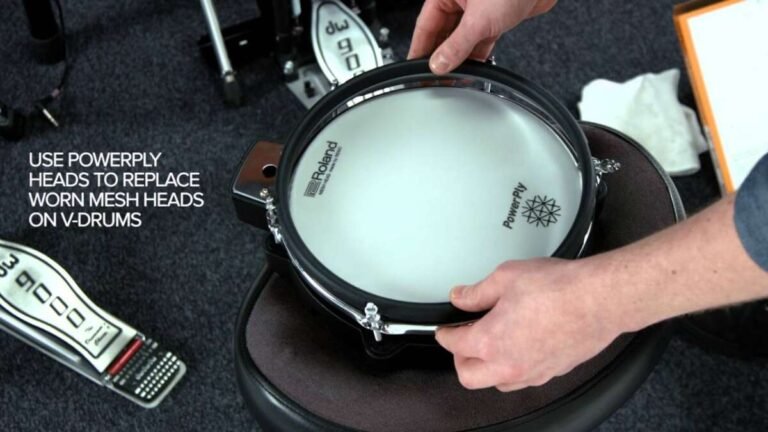
Electronic kits also have playing surfaces that can wear. Confirm that replacement pads and parts are available in the United States.
6. Adjustability
The player should be able to sit with a relaxed posture. The knees should not be forced too high, and the feet should reach the pedals naturally.
A stable throne matters more than many new players expect. Poor seating can make balance and foot control harder.
For children, a junior kit may fit better at first. A full-size kit can still work if the throne, pedal, and tom positions adjust enough for safe reach.

How Much Does a Beginner Drum Kit Cost?
The total cost depends on whether the kit includes cymbals, stands, a throne, and pedals. A drum shell pack is not the same as a complete drum set.
A useful budget plan looks like this:
| Budget level | What you may get | Main limitation |
|---|---|---|
| Low entry budget | Basic acoustic kit or compact electronic kit | Hardware and cymbals may need early upgrades |
| Mid-range beginner budget | Better complete acoustic set or stronger electronic kit | Some accessories may still be separate |
| Higher beginner budget | Quality shell pack plus selected hardware and cymbals | Greater initial cost, but fewer immediate replacements |
These categories are intentionally broad because US prices change by seller, package, finish, promotions, and model revision.
Before buying, add the cost of:
- Drum throne
- Bass drum pedal
- Hi-hat stand
- Cymbals
- Headphones or amplifier
- Drumsticks
- Rug or isolation mat
- Replacement heads
- Delivery or assembly
A simple comparison calculation
Suppose Kit A costs less but needs a throne, pedal, and cymbals. Kit B costs more but includes all three.
The real cost is:
Drum kit price + missing accessories + shipping = usable setup cost
This calculation often changes which kit is the better value.
Do not spend your whole budget on the drums alone. A stable throne and working pedal directly affect comfort and control.

Recommended Beginner Drum Kits by Use Case
No single kit is best for every new drummer. These choices fit different needs.
Pearl Roadshow: best complete acoustic starter set
Choose the Pearl Roadshow when you want a conventional acoustic kit with the main accessories included.
Best for:
- First-time players
- Families buying one complete package
- Players who do not want to select hardware separately
- Basic lessons and home practice
Watch for:
- Exact configuration
- Cymbal quality
- Hardware strength
- Bass drum size
- Whether the package includes a throne and pedal
Yamaha Stage Custom: best upgrade-friendly acoustic choice
Choose the Yamaha Stage Custom when you care about shell quality and expect to keep the kit for years.
Best for:
- Adult beginners
- Students who plan regular lessons
- Players who may join a band
- Buyers willing to choose cymbals and hardware separately
Watch for:
- Shell pack versus complete set
- Extra cost of cymbals and stands
- Available drum sizes
- Room needed for the selected configuration
TAMA Imperialstar: best full acoustic configuration for many players
The TAMA Imperialstar is designed as an accessible full kit and is available in several configurations.
Best for:
- Players who want a familiar five-piece layout
- Beginners who prefer a broad package selection
- Students who want room to add cymbals later
Watch for:
- Different package contents
- Cymbal quality
- Whether the selected size suits the player and room
Alesis Nitro Max: best for quiet home practice
Choose the Alesis Nitro Max when headphones and practice tools matter more than acoustic feel.
Best for:
- Apartments and shared homes
- Late practice
- Players who want metronome and recording tools
- Beginners who need volume control
Watch for:
- Kick-pedal vibration
- Need for a separate throne
- Headphone compatibility
- Available replacement parts
- Whether the included module has the features you need
Roland TD-07 series: best for a more refined electronic setup
Roland offers several TD-07 configurations. The exact pad layout and included hardware vary, so compare the model code rather than relying only on the series name.
Best for:
- Players who value detailed practice control
- Buyers who want a compact electronic setup
- Beginners who may continue with electronic drums
Watch for:
- Pad sizes
- Kick-pad design
- Included stand or rack
- Pedals and throne
- The cost of an amplifier if headphones are not enough

New or Used: Which Is Better for a Beginner?
A new kit offers clearer warranty coverage and less risk of hidden damage. A used kit can offer better value, but you need to inspect it before paying.
Check a used acoustic kit for:
- Cracks around lug holes
- Warped hoops
- Rust that affects movement
- Bent stand tubes
- Missing tension rods
- Damaged bearing edges
- A bass pedal that sticks
- Cymbals with cracks near the edge or center hole
Small scratches are usually cosmetic. Cracks, bent hardware, and damaged bearing edges can cost much more to repair.
Check a used electronic kit for:
- Dead trigger zones
- Faulty cables
- Broken rack joints
- Worn pedal sensors
- Missing power supplies
- A module that does not save settings
- Pads with uneven response
Ask the seller to let you test every pad and pedal. If they cannot, treat the kit as a repair project rather than a ready-to-play set.

Common Beginner Buying Mistakes
The most common mistake is buying a shell pack and assuming it is a complete drum set. Always read the included-items list.
Other mistakes include:
- Choosing a kit only by the number of drums
- Ignoring cymbal quality
- Buying a full-size kit for a very small room
- Forgetting the throne and bass pedal
- Placing an electronic kit directly on a hard floor
- Buying a used kit without testing every part
- Assuming headphones remove all electronic drum noise
- Spending the full budget before buying sticks and a practice mat
- Choosing a very cheap kit with no clear replacement parts
A beginner does not need extra toms or many cymbals. Good setup, comfort, and reliable hardware matter more.
How to set up the kit safely
Place the throne first. Set its height so your thighs slope slightly downward toward your knees.
Keep the bass pedal directly in front of the bass drum. Place the hi-hat pedal close enough that your left foot can rest naturally.
Keep toms and cymbals within a relaxed reach. If you must lift your shoulders or twist your back to hit them, lower or move them.
Use a rug under an acoustic kit. For electronic drums, use a rug and consider an isolation platform if pedal impact travels through the floor.
If you have pain, numbness, or repeated strain, stop playing and review your posture with a qualified music teacher or health professional.

What Accessories Does a Beginner Need?
Start with the basics:
- Two pairs of 5A drumsticks
- A drum throne
- A metronome or metronome app
- A rug
- A drum key
- Hearing protection for acoustic playing
- Headphones for electronic playing
- A music stand for lessons or sheet music
A drum key adjusts tension rods. It is small, inexpensive, and easy to lose, so keep one in the drum hardware bag.
Hearing protection is useful near acoustic drums, especially during long practice sessions. The CDC warns that loud sound can damage hearing, and drummers may face high sound levels during practice and performance. Use properly fitted hearing protection and take breaks when needed.

Frequently Asked Questions
Is a five-piece drum set best for beginners?
A five-piece kit is a common starting point because it usually includes a bass drum, snare, two rack toms, and a floor tom. A four-piece kit can be just as useful and may take less space. More drums do not automatically improve learning.
Should a beginner buy an acoustic or electronic drum set?
Buy acoustic drums when traditional feel and band playing are priorities. Buy electronic drums when volume control, headphones, and practice features are more important. Remember that electronic kick pedals can still transmit vibration.
Are cheap beginner drum kits worth buying?
Some affordable kits work well for basic practice. The risk is poor hardware, weak cymbals, and limited replacement support. Compare the full usable cost rather than the sticker price.
What drum size is best for an adult beginner?
A standard 20- or 22-inch bass drum can suit many adults. Choose based on available space and comfort. A 20-inch bass drum is often easier to place in a small US bedroom or home studio.
Can a child use a full-size drum kit?
A child can use a full-size kit if the throne, pedals, and drums adjust safely. If the player must stretch or sit too high, choose a smaller kit. Comfort supports better control and reduces strain.
Final Recommendation
For most first-time buyers in the United States, the Pearl Roadshow is the safest all-around starting point because it is designed as a complete acoustic package.
Choose the Yamaha Stage Custom if you can buy cymbals and hardware separately and want a kit with stronger long-term potential. Choose the Alesis Nitro Max if you need headphone practice and flexible volume.
Before ordering, confirm the exact package contents, measure your practice space, and calculate the total cost of every missing accessory. The best beginner drum kit is the one you can set up safely, play comfortably, and use often.
Sources and product documentation
- Pearl Roadshow Series
- Yamaha Stage Custom Birch
- TAMA Imperialstar
- Alesis Nitro Max
- Roland V-Drums TD-07 Series
- CDC: Preventing Noise-Induced Hearing Loss

Senior Music Reviewer
Alex Carter is a seasoned music reviewer with over a decade of experience in the world of sound and instruments. Passionate about helping musicians and enthusiasts make informed choices, he brings sharp insights and in-depth knowledge to every review. From classical instruments to modern gear, Alex combines technical expertise with a love for music to deliver content that resonates with readers.
As a Senior Music Reviewer and expert author on Tuneluma.com, Alex is dedicated to sharing honest evaluations, practical advice, and thoughtful commentary to guide readers in their musical journey.