Best Violin Brand For Intermediate Players: Buying Guide
For intermediate violinists, reputable books from trusted music publishers offer the best path to stronger technique and musical growth.
You may already play scales, read basic music, and perform simple songs, yet still feel stuck when shifting, bowing, or shaping a phrase. That stage is normal. The right study book can give your practice a clear plan without making every session feel like a chore. In this guide, I review seven useful violin resources for intermediate players, from focused etudes to popular songs and solo repertoire. These are not violin brands or physical instruments. They are learning tools that can help you choose a better practice path.
See the differences between my top picks at a glance.
Franz Wohlfahrt 60 Studies for Violin

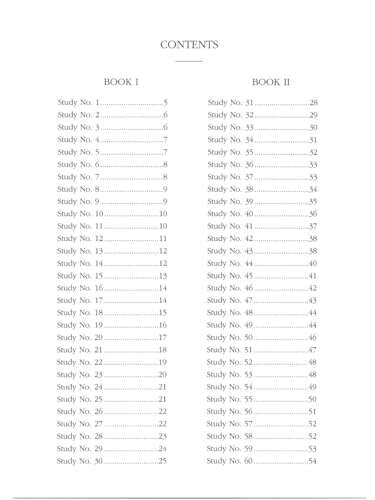
Franz Wohlfahrt’s 60 Studies, Op. 45 is a classic set of violin etudes. It gives players short studies that focus on clean notes, steady rhythm, and basic bow control. The book suits late beginners and intermediate players who need a simple, ordered routine. It works best when you study each line slowly instead of rushing through the pages.
I like this book because it supports daily work without demanding a long practice session. A teacher can assign selected studies, or a self-guided player can choose one that matches a current weakness. It will not replace scales, shifting work, or a good lesson plan. Still, it remains one of the most useful low-cost technique books for building a sound base.
Pros:
- Clear studies with a gradual feel
- Useful for bow control and intonation work
- Short exercises fit into busy practice sessions
- Works well with teacher-led study
- Helpful for building a regular routine
- Suitable for both late beginners and intermediate students
Cons:
- Some players may find the studies dry
- It offers little modern or popular music
- Players may need a teacher to correct poor habits
What Amazon Buyers Are Saying
Buyer feedback for established study books often focuses on usefulness, print quality, and how well the exercises support lessons. This edition appeals to shoppers who want a known violin method rather than a song collection. As with any printed music listing, check the current edition details and customer photos before ordering. The main limitation is simple: this book asks for focused practice, so it may not satisfy players who want instant performance pieces.
My Recommendation
I recommend this book as the strongest all-purpose technique choice in this review. It is especially useful if your playing feels uneven or your teacher wants more disciplined bow work. It is worth buying when you want steady progress rather than only new songs. My overall rating is 4.6 out of 5.
101 Hit Songs for Violin

101 Hit Songs for Violin takes a different approach from a traditional etude book. It gives players a broad set of pop and rock songs arranged for solo violin. That variety can make practice feel more personal and less repetitive. It is a useful choice for a student who wants to play recognizable music at home, in school, or at an informal event.
This book can also help with musical phrasing and rhythm. Familiar melodies make it easier to hear when a note sounds wrong or when a phrase lacks shape. The arrangements may not provide the deep technical work found in Wohlfahrt or Dont. I would pair it with scales and etudes rather than use it as a complete intermediate course.
Pros:
- Large mix of pop and rock material
- Helps keep practice fresh
- Good for players who enjoy familiar tunes
- Useful for casual performances and school settings
- Supports melody, rhythm, and phrasing practice
- Can help younger players stay motivated
Cons:
- Song difficulty may vary from one arrangement to another
- It does not provide a full technical method
- Some players may want piano or backing support
What Amazon Buyers Are Saying
Shoppers who choose large song collections usually value song choice and easy access to familiar melodies. Buyers should review the listing and sample pages to confirm that the included songs match their taste. Arrangement level can feel uneven in a large collection, so one title may suit you more than another. That is normal for a book built around variety.
My Recommendation
This is my top pick for motivation. I would buy it for an intermediate player who avoids practice because traditional exercises feel dull. It becomes more effective when you use one song for enjoyment and one etude for technique each day. My overall rating is 4.4 out of 5.
Kreisler Praeludium and Allegro

Kreisler’s Praeludium and Allegro is a serious step into violin recital repertoire. This edition presents a work for violin and piano, so it suits players who want to move beyond short study pieces. The music calls for control, contrast, and a clear sense of style. It is best for a strong intermediate player or someone preparing for more advanced study.
This is not a casual sight-reading book. You will need slow practice, careful rhythm work, and likely help from a teacher or pianist. The piece can expose weak intonation and tense bow technique, but that also makes it a useful growth project. Players should confirm the edition and accompaniment details before buying.
Pros:
- Offers a meaningful recital goal
- Develops musical contrast and phrasing
- Introduces players to Romantic violin style
- Works with a piano partner
- Useful for auditions, lessons, and performance study
- Encourages more mature musical expression
Cons:
- Too demanding for a new intermediate player
- Requires access to a capable pianist or accompaniment
- Needs close attention to edition and part details
What Amazon Buyers Are Saying
Customers shopping for this score tend to look for a usable edition and a serious piece for study or performance. The key buying concern is often not the music itself, but whether the edition includes the material the player expects. Read the product description and inspect available page previews before ordering. This score is a focused purchase, not a broad collection.
My Recommendation
I recommend it for an ambitious intermediate violinist with teacher support. I would not choose it as the first book for someone still learning basic shifts or clean bow changes. For the right player, it offers strong artistic value and a clear next goal. My overall rating is 4.3 out of 5.
Intermediate Classic Violin and Cello Duets

Intermediate Classic Duets for Violin and Cello gives players a chance to learn through shared music. The collection contains 22 classical and traditional pieces arranged for equal intermediate players. That equal-part design matters because neither musician must carry the full arrangement alone. It can suit lessons, family music sessions, chamber practice, and small recitals.
Duet playing teaches skills that solo practice cannot fully cover. You must listen, count, match rhythm, and adjust your sound to another player. The book makes a strong choice for a violinist with a cellist in the family, school, or local music group. It is less useful if you have no regular partner.
Pros:
- Encourages active listening
- Builds rhythm and ensemble skills
- Gives both players meaningful parts
- Includes classical and traditional selections
- Useful for lessons and informal concerts
- Can make practice more social
Cons:
- Needs a cello partner for full use
- Progress depends on both players’ schedules
- May not suit players focused only on solo repertoire
What Amazon Buyers Are Saying
Buyers interested in duet books commonly care about balanced parts, readable music, and whether the pieces suit both players. Before ordering, confirm the arrangement and page format shown in the listing. A duet book cannot deliver its full value when one part remains unused. Players with a reliable partner are more likely to gain the most from this type of purchase.
My Recommendation
I recommend this book when you can play with a cellist at least once or twice a week. It is one of the most practical choices for developing ensemble confidence. I would skip it if you mainly practice alone. My overall rating is 4.5 out of 5 for paired players.
101 Christmas Songs for Violin
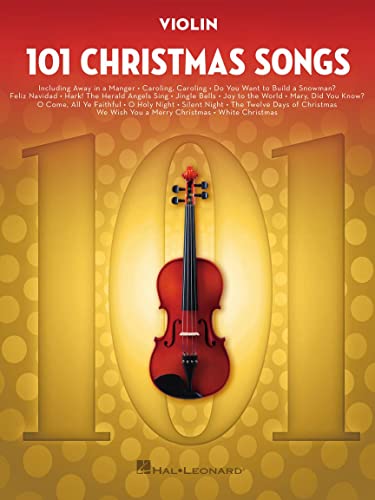
101 Christmas Songs for Violin offers a large set of seasonal tunes in one book. It targets beginner and intermediate players who want familiar carols for home use, school events, or holiday gatherings. Seasonal music can give a student a clear reason to practice. It also lets a developing player perform something recognizable without waiting to master a long sonata.
The book has a narrow use window, but that does not make it a poor buy. Many players return to holiday music each year, and the collection can serve several seasons. I would use it alongside a year-round method book. Check the song list before ordering, since personal taste matters with large themed collections.
Pros:
- Large selection of holiday songs
- Useful for seasonal performances
- Supports sight-reading of familiar melodies
- Good option for family and school events
- Can motivate younger or casual players
- Easy to store and reuse each year
Cons:
- Most useful during one season of the year
- Does not replace technical studies
- Difficulty may differ across songs
What Amazon Buyers Are Saying
Customers who buy holiday songbooks tend to value the number of songs and the chance to play for family or community events. They also often check whether the book includes favorite carols before purchase. Because arrangements can vary, use the listing preview when available. This type of book works best as a fun supplement, not as the main intermediate curriculum.
My Recommendation
I recommend it for a player who wants a simple way to prepare holiday music. It offers good seasonal value, but I would not select it as my only violin book. Pair it with Wohlfahrt or another technique guide for balanced progress. My overall rating is 4.2 out of 5.
Dont 24 Exercises for Violin
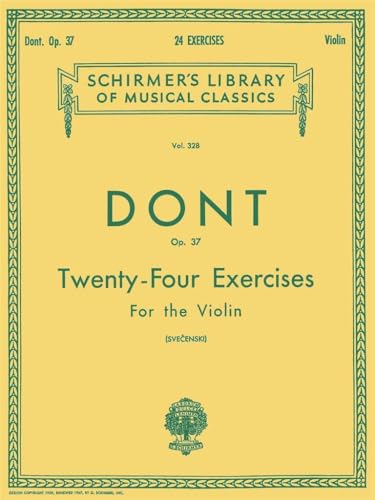
Jakob Dont’s 24 Exercises, Op. 37 is aimed at players moving toward harder violin technique. The book belongs to the more serious study side of this review. Its exercises can support left-hand control, coordination, and clean execution when practiced with care. It is better suited to an intermediate-to-advanced student than to a player still learning the basic setup.
I would use this book with guidance. Technical exercises can help a great deal, but poor posture or excess hand tension can become worse when a player repeats them alone. A teacher can select the right exercises and set a safe pace. For a focused student, this book can become a strong bridge toward more demanding repertoire.
Pros:
- Provides focused technical challenges
- Useful for players preparing for advanced work
- Supports left-hand accuracy and coordination
- Fits structured lesson plans
- Encourages careful, measured practice
- Offers more depth than a basic songbook
Cons:
- May feel too difficult for some intermediates
- Benefits greatly from teacher supervision
- Can feel repetitive without a clear practice goal
What Amazon Buyers Are Saying
Shoppers seeking established technical books usually care about the edition, print clarity, and usefulness in formal study. This is a specialist purchase, so buyers should match the level to their current skills. A player who expects songs may find the content demanding. Review the product details and ask a teacher before choosing it for a younger or less experienced student.
My Recommendation
I recommend Dont for a disciplined intermediate player who already has reliable basic technique. It is not my first choice for casual practice, but it can help a serious student prepare for the next level. Buy it when you have a clear reason to study it. My overall rating is 4.4 out of 5.
All Time Favorite Violin Solos
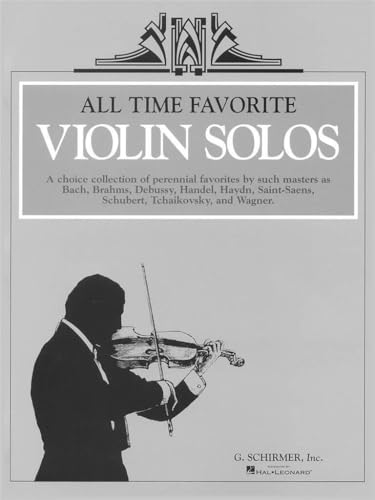
All Time Favorite Violin Solos collects classical and Romantic pieces for violin with piano accompaniment. It gives an intermediate player more choice than a single-work edition. The collection can support lessons, recitals, auditions, and home playing. It also lets a teacher select a piece that fits the student’s current ability and musical taste.
This book sits between fun songbooks and focused technical studies. It may include pieces with different demands, so do not assume every selection has the same level. A pianist or backing track may be needed for the full experience. I suggest checking the included repertoire before purchase and choosing pieces that match your current shifting and bow skills.
Pros:
- Offers a broad classical solo selection
- Useful for recitals and lesson planning
- Includes piano-accompanied repertoire
- Supports musical style and expression
- Gives teachers several piece options
- Can grow with a developing player
Cons:
- Piece difficulty may vary
- Full use may require a pianist
- Some selections may need teacher guidance
What Amazon Buyers Are Saying
Buyers who choose a collection like this usually want many recognizable classical works in one volume. They often compare the song list, arrangement level, and page layout before buying. Since a collection can contain easy and harder selections, the listing details matter. This book is most useful when a player has a teacher or mentor who can help choose suitable pieces.
My Recommendation
I recommend this collection for an intermediate player who wants recital options instead of one fixed piece. It gives better long-term value than a single score for many students. It is not a technique method, so keep using scales and etudes. My overall rating is 4.5 out of 5.
How to Choose the Best Violin Brand for Intermediate Players
The phrase “best violin brand for intermediate players” often points to an instrument brand. However, the products in this review are music books, not violins. If you are choosing learning material, focus on the book’s level, purpose, and fit with your practice plan. If you are also shopping for a violin, ask a teacher or luthier to test the instrument. A brand name alone does not guarantee good setup, comfort, or sound.
1. Match the Book to Your Main Skill Gap
Start with the problem you want to fix. Choose Wohlfahrt for steady basic studies and a clear practice path. Choose Dont when your core technique is stable and you need harder exercises. Choose a songbook when motivation is the main issue. A good choice should solve a real problem, not simply add more pages to your music shelf.
Intermediate players often need several types of work. A useful weekly plan may include scales, one technical study, and one piece you enjoy. This mix supports intonation, rhythm, bow control, and musical expression. It also reduces the risk of practicing only what feels easy.
2. Check the Playing Format and Support You Have
Look at how you will use the book. A solo collection works well for independent practice. A piano score needs an accompanist for its full effect. The violin and cello duet requires a regular partner. If you buy a format you cannot use, the book may sit untouched.
Also consider teacher support. A teacher can mark bowings, suggest a slower speed, and stop tension before it becomes a habit. This matters most with advanced exercise books and challenging recital pieces. Clear guidance helps an intermediate player make safe, steady progress.
3. Compare Repertoire, Print Details, and Total Value
Before you buy, inspect the song list or sample pages. Confirm that the edition includes the part you need. Check whether the book contains violin only, violin with piano, or separate duet parts. These small details affect the real value far more than a dramatic cover or a long title.
Think about how often you will use the book. A technique book may support months of practice. A holiday book may return each year. A recital collection may offer several possible pieces. The best violin brand for intermediate players is not a single answer when the real need is a good learning plan. Choose the resource that fits your goals, level, and available practice time.
Final Verdict: Which Should You Buy?
For the strongest all-around progress, I would choose Wohlfahrt’s 60 Studies. It builds a clear technical base and suits many intermediate practice plans. Choose 101 Hit Songs if motivation matters most, or All Time Favorite Violin Solos for recital variety.
The best violin brand for intermediate players depends on the instrument and the player. For these books, match the level and purpose first. A trusted teacher, good setup, and steady practice will matter more than a famous label.
FAQs Of best violin brand for intermediate players
What is the best violin brand for intermediate players?
For a physical violin, the best brand depends on your budget, comfort, setup, and sound preference. A teacher or luthier should help you test the instrument. The products reviewed here are learning books, not violin brands.
Which violin book is best for improving technique?
Franz Wohlfahrt’s 60 Studies, Op. 45 is the best starting choice in this review. Dont’s exercises suit players who already have solid basics and want a greater challenge.
What should an intermediate violinist practice every day?
Use a short warm-up, scales, one technical study, and a piece you enjoy. Keep the pace slow enough to protect clean rhythm, intonation, and relaxed movement.
Are songbooks useful for intermediate violin players?
Yes. Songbooks can improve motivation, rhythm, phrasing, and confidence. They should supplement technique work rather than replace scales and focused studies.
Do I need a teacher for intermediate violin books?
A teacher is not required for every book, but guidance helps with difficult etudes and advanced repertoire. A teacher can also spot tension and poor technique early.

Senior Music Reviewer
Alex Carter is a seasoned music reviewer with over a decade of experience in the world of sound and instruments. Passionate about helping musicians and enthusiasts make informed choices, he brings sharp insights and in-depth knowledge to every review. From classical instruments to modern gear, Alex combines technical expertise with a love for music to deliver content that resonates with readers.
As a Senior Music Reviewer and expert author on Tuneluma.com, Alex is dedicated to sharing honest evaluations, practical advice, and thoughtful commentary to guide readers in their musical journey.