What Guitar Does Zach Bryan Use: His Favorite Acoustic
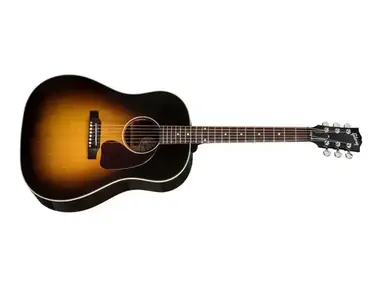
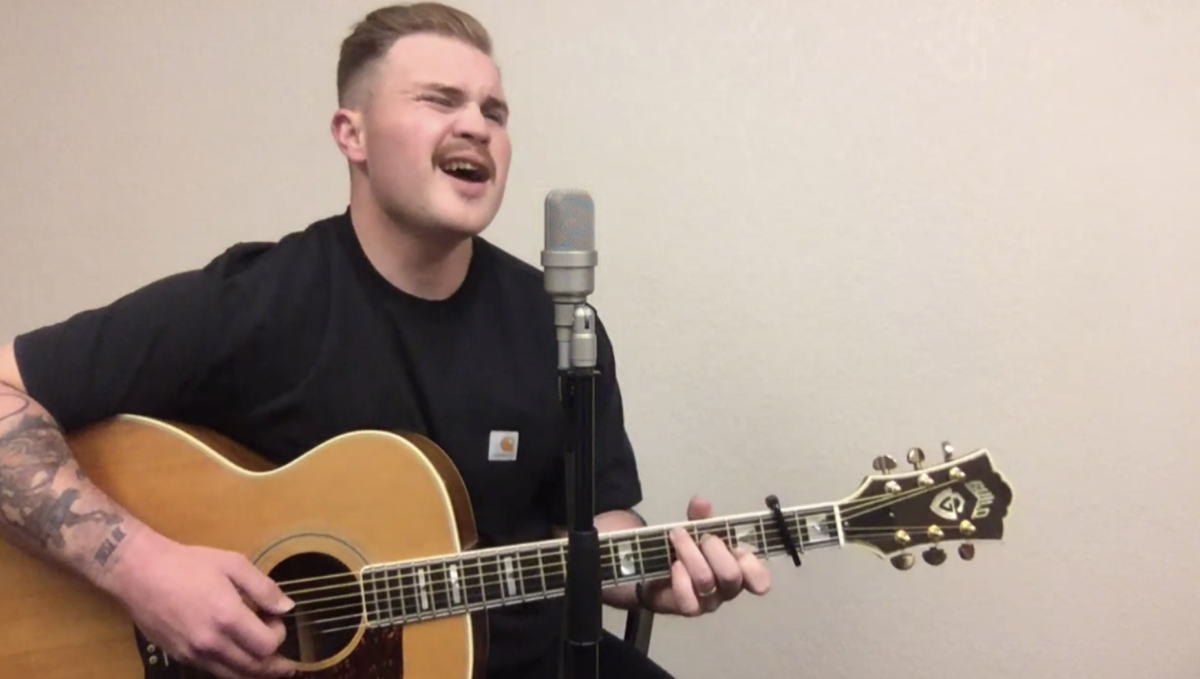
Zach Bryan most often plays a Gibson J-45 acoustic guitar, though he has used several other guitars.
If you have watched Zach Bryan perform, you have likely noticed his plain, worn-in acoustic sound. The answer to “what guitar does Zach Bryan use” is not limited to one model, but the Gibson J-45 is the clearest match for his main stage identity. This guide explains his best-known guitars, why they fit his music, and what players can learn from his setup.
What guitar does Zach Bryan use?
Zach Bryan is best known for playing a Gibson J-45 acoustic guitar. The J-45 is a classic slope-shoulder dreadnought with a warm tone, strong midrange, and clear vocal support. Those traits suit Bryan’s raw country sound and stripped-back songwriting style.
However, Zach Bryan does not use only one guitar. Photos, live videos, studio appearances, and public performances show him using different Gibson and Martin acoustic guitars. His instrument can change based on the song, venue, recording, or tour setup.
The main guitars linked with Zach Bryan include:
• Gibson J-45 acoustic guitars
• Martin D-28 acoustic guitars
• Gibson SJ-200 acoustic guitars
• Other vintage-style Gibson acoustics
• Occasional electric guitars for band performances and special appearances
The Gibson J-45 remains the safest answer for fans who want to understand his signature acoustic sound. It is the guitar most closely tied to his live image and simple performance style.

Zach Bryan’s Gibson J-45
The Gibson J-45 first appeared in the 1940s and is one of Gibson’s most famous acoustic models. It has a sloped shoulder design, a spruce top, and mahogany back and sides on many versions.
This guitar is known for a warm and balanced tone. It does not sound overly bright or sharp. Instead, it produces a thick middle range that works well beneath a strong singing voice.
That sound makes sense for Zach Bryan. His music often depends on the link between voice, lyrics, and guitar. The J-45 fills out the sound without taking attention away from the words.
A typical J-45 offers:
• A warm, woody tone
• Strong bass without excessive boom
• Clear mids for rhythm playing
• A soft high end
• Good volume for live acoustic performance
Many J-45 guitars also use a shorter 24.75-inch scale length. This can make the guitar feel slightly easier to play than a long-scale dreadnought. The result is a relaxed feel that works well for steady strumming and open-chord songs.
Why the Gibson J-45 suits Zach Bryan’s music
Zach Bryan’s songs often use simple chord patterns, strong rhythm, and direct lyrics. He does not need a guitar with an overly complex voice. He needs an instrument that sounds full when played with a pick or bare fingers.
The J-45 works like a strong frame around a painting. It supports the song while allowing the vocal and story to remain in focus.
There are several reasons the Gibson J-45 fits his style:
Warmth under the vocal
The J-45 has a rich midrange. This helps the guitar sit below a singer without fighting the vocal frequencies.
Strong strumming response
Many Zach Bryan songs use constant downstrokes or driving rhythm patterns. A J-45 can handle this style without sounding thin.
Comfortable body shape
The slope-shoulder body feels less boxy than some square-shoulder dreadnoughts. That can help during long sets.
Natural stage character
The J-45 has a classic look. Its simple design matches Bryan’s low-key performance image better than a flashy modern instrument.
Recording flexibility
A J-45 can sound intimate with one close microphone. It can also provide enough body for a full studio arrangement.
When people ask what guitar Zach Bryan uses, they are often asking why his acoustic tone feels so personal. The answer is partly the J-45, but his right-hand attack, chord choices, tuning, vocal delivery, and recording technique matter just as much.

Does Zach Bryan use a Martin D-28?
Yes, Zach Bryan has also been seen with Martin acoustic guitars, including D-28-style instruments. The Martin D-28 is one of the most respected dreadnought guitars in country, folk, and bluegrass music.
The D-28 usually has a spruce top and rosewood back and sides. Compared with a mahogany J-45, it often produces more deep bass, sparkle, and harmonic detail.
A Martin D-28 can offer:
• Powerful projection
• Deep low notes
• Clear treble response
• Strong separation between notes
• A broad sound for solo or band playing
This tone can work well when Bryan wants a larger, more open acoustic sound. It may also suit songs that need more volume and low-end power.
Still, seeing Zach Bryan with a Martin does not mean the Martin is his main guitar. Artists often change guitars during a set for tonal contrast, comfort, or visual reasons. A guitar used in one video may not represent the instrument used across an entire tour.
The most accurate answer is that the Gibson J-45 is his most recognized acoustic, while Martin guitars are also part of his wider collection and performance history.

Does Zach Bryan use a Gibson SJ-200?
Zach Bryan has also appeared with larger Gibson acoustic models, including the SJ-200. The Gibson SJ-200 is sometimes called the “King of the Flat Tops.” It has a large body, bold projection, and a more powerful voice than a J-45.
The SJ-200 is useful when a player needs an acoustic guitar to stand out in a full band. Its large body can produce strong bass and wide harmonic range.
Compared with the J-45, an SJ-200 usually feels:
• Larger against the body
• Louder in an unplugged setting
• More dramatic in the low end
• Brighter and more spacious in some versions
This does not make it better than the J-45. It simply gives a different response. The J-45 may feel more direct and close, while the SJ-200 can sound more open and commanding.
For fans researching what guitar Zach Bryan uses, the SJ-200 is best viewed as one of his alternate Gibson acoustics rather than the single answer.

Zach Bryan guitar tone and setup
A guitar model alone does not create Zach Bryan’s sound. His tone comes from several parts working together.
The most important factors include:
• A warm acoustic guitar
• Firm, steady strumming
• Open chords and simple voicings
• Slightly rough pick attack
• Natural vocal and guitar dynamics
• Quality microphones or acoustic pickups
• Light use of effects
Bryan’s playing often sounds direct because he does not hide every mistake or string noise. Small noises can make an acoustic performance feel human. That quality is important in country and folk music, where emotional detail often matters more than technical perfection.
His setup may also change from show to show. Touring guitars often use internal pickup systems, microphones, or both. A stage technician may add equalization and compression to prevent feedback and keep the instrument clear through a large sound system.
This means a fan can buy the same guitar and still hear a different result. The room, strings, pick, microphone, and player all shape the final tone.
A useful starting setup for a similar sound might include:
-
Use a mahogany-bodied acoustic guitar or a warm J-45-style model.
-
Try light or medium-gauge strings.
-
Use a medium pick with controlled downstrokes.
-
Keep the strumming close to the sound hole for a full tone.
-
Move toward the bridge for more bite.
-
Record with a small-diaphragm microphone placed near the 12th fret.
-
Avoid heavy effects and let the acoustic sound lead.
What strings and picks does Zach Bryan use?
There is no single, fully confirmed public specification for every string and pick Zach Bryan uses. Guitarists often change string brands and gauges based on tuning, comfort, tone, and tour needs.
For a J-45-style guitar, many players begin with phosphor bronze strings. These strings provide a balanced sound with warmth and brightness. Medium strings can produce more volume, while light strings may feel easier during long playing sessions.
Possible choices include:
• Light-gauge phosphor bronze for easier bends
• Medium-gauge phosphor bronze for stronger projection
• 80/20 bronze for extra brightness
• Coated strings for longer life on tour
Pick thickness also changes the sound. A thin pick creates a softer and more flexible attack. A medium or heavy pick creates a stronger pulse and sharper rhythm.
For a sound inspired by Zach Bryan, try a medium pick first. Play firm downstrokes, but do not grip the pick too tightly. A tense hand can make the rhythm harsh and tiring.
One common mistake is copying an artist’s equipment while ignoring technique. In my own guitar testing and gear comparisons, the player’s attack usually makes a bigger difference than a small change in string brand. Start with a comfortable guitar and focus on rhythm before buying expensive upgrades.
How to choose a guitar like Zach Bryan’s
If you want the Zach Bryan sound, you do not need to buy the exact guitar he plays. A good acoustic guitar with a warm voice can take you much closer than an expensive instrument that does not suit your hands.
Consider these points before buying:
Choose the right body size
A dreadnought gives more volume and bass. A concert or auditorium guitar may feel easier to hold and control.
Decide between mahogany and rosewood
Mahogany often sounds warm, focused, and woody. Rosewood often adds more bass, treble shimmer, and harmonic detail.
Check the neck comfort
A guitar should feel natural in your hand. A perfect tone is not useful if the neck causes pain.
Test the guitar while standing
Zach Bryan often performs standing with a strap. A guitar that feels comfortable on your lap may feel different when held against your body.
Listen for unwanted buzz
Play every fret on each string. Buzzing may come from setup issues, but severe problems can be costly to fix.
Consider pickup quality
If you plan to perform, a reliable pickup system matters. A good acoustic pickup should sound natural and resist feedback.
Good alternatives to explore include:
• Gibson J-45 Studio
• Gibson J-45 Standard
• Martin D-18
• Martin D-28
• Yamaha FG series
• Taylor 314ce
• Guild D-40
The exact model matters less than comfort, setup, and practice. A well-adjusted mid-priced guitar can sound better than a costly guitar with poor action or old strings.

Common mistakes when copying Zach Bryan’s guitar sound
Many players focus only on the guitar brand. That can lead to disappointment. Zach Bryan’s sound is also shaped by his songwriting, vocal power, rhythm, and recording choices.
Avoid these common mistakes:
• Buying a large dreadnought without testing its comfort
• Using heavy strings that make playing painful
• Strumming too hard and losing control
• Adding too much reverb or compression
• Ignoring guitar setup and fret condition
• Copying a live tone without considering the room
• Expecting a guitar to create the same vocal and emotional impact
A guitar should help you play more often. If it feels awkward, you will practice less. Comfort is not a small detail. It is one of the main parts of finding the right instrument.
Another mistake is assuming that every photo shows Bryan’s main guitar. Artists use backup guitars, borrowed instruments, session guitars, and different models for different songs. Gear information can also be misidentified online, especially when photos show similar natural-finish acoustics.
That is why the careful answer to what guitar Zach Bryan uses includes both the Gibson J-45 and his other known acoustic instruments.

Frequently asked questions about what guitar Zach Bryan uses
What is Zach Bryan’s main guitar?
Zach Bryan is most closely associated with the Gibson J-45 acoustic guitar. He has also used Martin and other Gibson acoustic models, so the J-45 should be viewed as his best-known guitar rather than his only instrument.
Does Zach Bryan play a Gibson J-45?
Yes, Zach Bryan has frequently been seen playing Gibson J-45 acoustic guitars. The model’s warm tone, strong mids, and comfortable slope-shoulder body fit his vocal-led country style.
Does Zach Bryan use Martin guitars?
Yes, he has also been seen using Martin acoustic guitars, including D-28-style instruments. These guitars can provide more projection, bass, and high-end detail than a typical mahogany J-45.
What makes Zach Bryan’s guitar tone sound different?
His tone comes from more than the guitar. His strumming attack, chord choices, vocal delivery, strings, pick, microphones, and stage processing all affect the final sound.
What is a good affordable alternative to Zach Bryan’s guitar?
A Yamaha FG series, Guild acoustic, or used Gibson or Martin model can be a good starting point. Choose a guitar that feels comfortable, stays in tune, and has a warm tone.
Does Zach Bryan use an electric guitar?
He has used electric guitars in band settings and selected performances, but his public image is mainly linked to acoustic guitars. The Gibson J-45 remains the clearest answer for fans asking about his primary style.
Can beginners use a Gibson J-45?
Yes, beginners can use a Gibson J-45, but its price may be higher than necessary for a first guitar. A well-set-up mid-priced acoustic can offer a similar playing experience while leaving more money for lessons and accessories.
Conclusion
The best answer to what guitar Zach Bryan uses is the Gibson J-45 acoustic guitar. Its warm tone, strong middle range, and classic design match his honest, vocal-first style. He has also used Martin D-28-style guitars, Gibson SJ-200 models, and other acoustics for different sounds and performances.
If you want a similar sound, start with comfort and technique. Try a warm acoustic, use fresh strings, practice steady strumming, and keep your effects simple. Explore J-45, D-18, D-28, and affordable dreadnought options before making a choice, and share your favorite Zach Bryan guitar setup in the comments.

Senior Music Reviewer
Alex Carter is a seasoned music reviewer with over a decade of experience in the world of sound and instruments. Passionate about helping musicians and enthusiasts make informed choices, he brings sharp insights and in-depth knowledge to every review. From classical instruments to modern gear, Alex combines technical expertise with a love for music to deliver content that resonates with readers.
As a Senior Music Reviewer and expert author on Tuneluma.com, Alex is dedicated to sharing honest evaluations, practical advice, and thoughtful commentary to guide readers in their musical journey.