Best Digital Piano For Gigging: Top Live Picks
The Yamaha P225 is my top pick for gigging, with strong piano tone, weighted keys, and an easy portable design.
You know the scene: the venue has a small stage, one shaky stand, and almost no room for a full acoustic piano. You still need rich tone, useful volume, and keys that feel natural under your fingers. The best digital piano for gigging solves that problem without turning load-in into a workout. I looked at key feel, weight, sound, speaker power, controls, connections, and real-world travel needs. The models below cover casual bar gigs, church work, rehearsals, solo sets, and serious stage use.
Digital Piano 88 Key Semi-Weighted Set

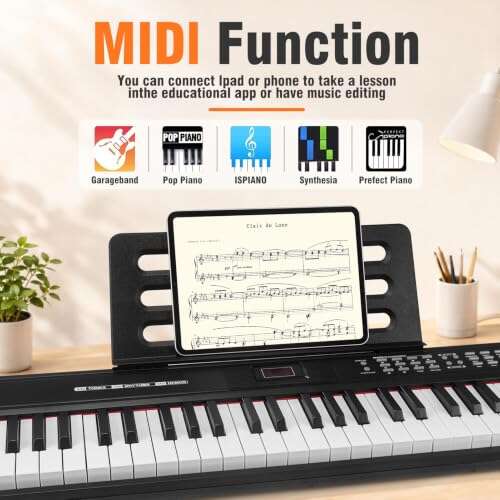
This full-size digital piano offers 88 semi-weighted keys, built-in speakers, Bluetooth, MIDI, USB, and MP3 support. It also includes a stand and sustain pedal, so a new player can start without buying many extra parts. The large key range feels closer to a traditional piano than a small keyboard. For casual gigs, that range gives you room for bass lines, chords, and right-hand fills.
I see this model as a useful starter rig for singers, hobby players, and small venues. Semi-weighted keys do not feel as close to an acoustic piano as fully weighted action, but they keep the instrument lighter and easier to move. Bluetooth can help with backing tracks or practice audio, while USB and MIDI support make recording simple. If you need a low-cost best digital piano for gigging, this set gives you a great deal of gear in one box.
Pros:
- Full 88-key layout for complete songs and wide arrangements
- Includes a stand and sustain pedal
- Bluetooth supports wireless audio playback
- USB and MIDI connections suit home recording
- Built-in speakers work well for small rooms and practice
- Useful all-in-one package for beginners
Cons:
- Semi-weighted action may feel light to advanced pianists
- Built-in speakers may not fill a loud band setting
- Included stand may need careful setup before a show
My Recommendation
I recommend this digital piano for beginners who want to play open mics, coffee shops, school events, or quiet worship sets. It works best when value matters more than premium key action. The included accessories also make it a smart choice for a first gigging setup. For louder stages, plan to connect it to a powered speaker or the venue’s sound system.
Yamaha P71 88-Key Weighted Digital Piano

The Yamaha P71 remains a strong pick for players who want simple controls and weighted action. Its 88-key design gives both hands full piano range, and Yamaha’s Graded Hammer Standard action gives the lower keys a heavier feel than the upper keys. That design helps build good technique and feels more natural than an unweighted keyboard. The P71 also includes a sustain pedal and power supply.
This model does not try to be a workstation. That is part of its appeal on stage. I can set it up, select a piano sound, connect the outputs, and play without digging through menus. It is light enough for many gigging pianists to carry with a soft case, though it still needs a proper stand. The P71 is one of the safest choices for the best digital piano for gigging when reliable piano feel matters more than many extra sounds.
Pros:
- Weighted 88-key action supports traditional piano technique
- Graded key response feels natural across the keyboard
- Simple control layout reduces setup time
- Clear Yamaha piano voice suits solo and band work
- Includes sustain pedal and power supply
- Well-known brand with broad accessory support
Cons:
- Limited control options for complex live arrangements
- Does not include a furniture stand
- Built-in speakers are better for practice than loud gigs
My Recommendation
The Yamaha P71 is best for piano players, students, church musicians, and solo performers who want solid weighted keys at a fair price. I would choose it for a player who already owns a stand and wants a dependable stage piano with few distractions. It offers excellent basic value, and its simple design makes it easy to find online and keep in service.
Alesis Recital Play 88-Key Bundle

The Alesis Recital Play bundle targets new musicians who want a complete 88-key instrument for home practice and early performances. Its full-size keyboard gives beginners enough room to learn proper pieces instead of outgrowing a compact model. The bundle format can reduce the need to shop for separate accessories. That matters when a player wants to move from lessons to a first small gig.
I like this type of package for a student who needs a clear path from practice room to stage. The keyboard can support basic piano work, rehearsals, and low-volume events, while a separate amplifier can add power when needed. It may not satisfy a touring pianist who demands a premium action and deep sound control. Still, it can be a practical best digital piano for gigging for beginners who need useful features without a complex learning curve.
Pros:
- Complete 88-key range helps build strong playing habits
- Bundle format can save time and accessory costs
- Beginner-friendly approach suits lessons and home practice
- Portable enough for small events and rehearsals
- Can connect to external sound gear for more volume
- Good entry point for players moving toward live work
Cons:
- Entry-level action may not match a premium stage piano
- Speakers may lack power for a full band
- Advanced players may want more sound and control options
My Recommendation
I recommend the Recital Play bundle for a new adult player, student, or family member who wants one keyboard for practice and first gigs. It is also a useful backup instrument for a casual performer. Choose it when a simple package matters more than advanced live control. Check the included accessories and current package contents before ordering, since bundles can change.
Yamaha P145BT 88-Key Digital Piano
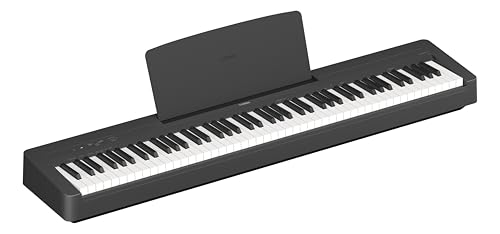
The Yamaha P145BT combines weighted keys with a slim design and Bluetooth audio. That mix makes it useful for practice, rehearsal, lessons, and light gigging. The 88-key layout supports real piano parts, while the compact body is easier to place in a car than a large cabinet piano. A sustain foot switch and built-in speakers add useful basics for a mobile player.
Bluetooth is helpful when I want to play along with a backing track or lesson audio without another cable. It does not replace a wired audio connection for the main piano signal, so I would still use the proper output path for a live show. The weighted action gives the P145BT a more serious feel than many basic keyboards. For players who want a modern and portable best digital piano for gigging, this Yamaha is a balanced option.
Pros:
- Weighted keys provide a more authentic piano response
- Bluetooth audio supports practice tracks and lessons
- Compact body makes transport easier
- 88 keys cover classical and modern piano parts
- Built-in speakers support quick setup
- Yamaha design offers a familiar, clean user experience
Cons:
- Limited panel controls for large live setups
- May require a separate stand and case
- Bluetooth is not a substitute for a wired live output
My Recommendation
The P145BT is best for mobile teachers, solo pianists, worship players, and performers who travel between home and small venues. I would pick it for someone who values weighted keys but cannot carry a bulky digital piano. Its Bluetooth feature adds comfort during practice, while its simple layout keeps gigs calm. It offers strong everyday value if you add a sturdy stand and padded case.
Donner DEP-20 Weighted Digital Piano

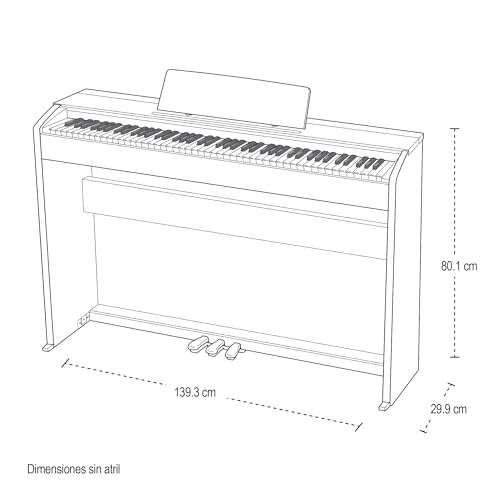
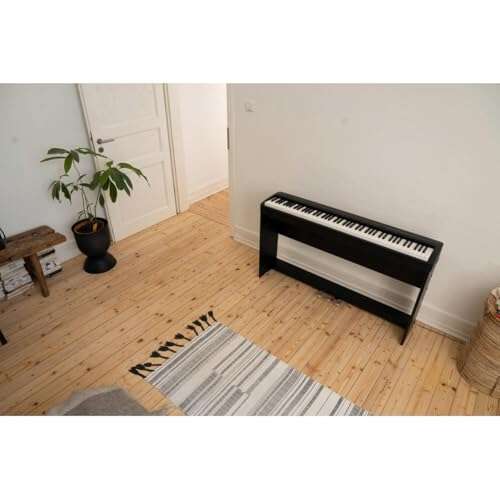
The Donner DEP-20 is an 88-key weighted piano with a furniture-style stand and three-pedal unit. This setup looks more like a home piano than a bare stage keyboard. It can work well for a player who practices at home but also wants to play recitals, church events, or quiet local gigs. The full key range and pedal unit support standard piano study.
The main trade-off is portability. The stand and three-pedal design add comfort at home, but they also add pieces to move and assemble. I would treat this as a home-first instrument that can travel when the event is worth the extra effort. If you need the best digital piano for gigging and also want a fixed home setup, the DEP-20 offers a useful middle ground.
Pros:
- Weighted 88-key layout supports full piano study
- Furniture stand creates a stable playing position
- Three-pedal unit feels closer to an acoustic piano setup
- Good fit for home practice and lessons
- Can handle recitals and modest local performances
- Full-size design offers room for advanced pieces
Cons:
- Furniture stand makes transport less convenient
- Less suited to fast load-ins than a slim keyboard
- Players may need extra audio gear for large venues
My Recommendation
I recommend the DEP-20 for a home pianist who plays a few local gigs each month. It suits students, families, and church players who want a stable three-pedal setup. It is not my first choice for frequent touring, but it can serve well when you value home comfort. Measure your vehicle and storage area before buying the furniture-style stand.
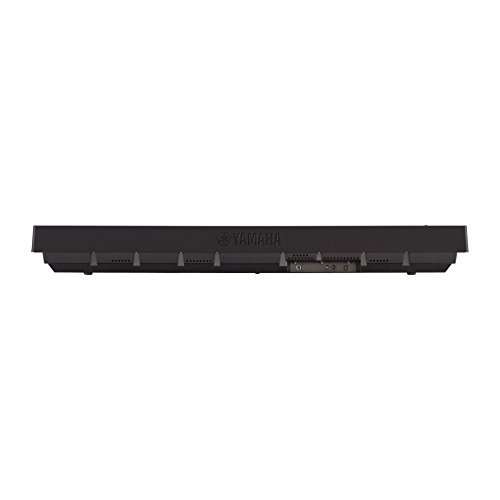
Yamaha P225 88-Key Digital Piano

The Yamaha P225 is my leading choice in this group for many gigging pianists. It has 88 weighted keys, a portable design, built-in speakers, a music rest, and a sustain foot switch. Yamaha designed it as a focused digital piano, so it keeps the main job clear: deliver a good piano playing experience in a compact body. That focus helps during rehearsals and quick stage changes.
The P225 feels more like a serious performance tool than a basic starter keyboard. Its weighted action can support classical work, pop chords, ballads, and worship parts, while the slim case makes transport less painful. I would still use a padded case and a stable stand for regular gigs. Among these models, the P225 is the best digital piano for gigging for players who want the strongest mix of tone, key feel, portability, and everyday reliability.
Pros:
- Excellent balance of weighted action and portable size
- 88 keys suit complex piano parts
- Built-in speakers help with rehearsals and small rooms
- Simple design keeps live setup fast
- Strong choice for solo work, bands, and worship
- Music rest and sustain foot switch add daily convenience
Cons:
- Costs more than many beginner models
- Does not offer workstation-style sequencing features
- Stand and protective case may cost extra
My Recommendation
I recommend the P225 for working musicians, church players, teachers, and serious hobbyists who need one dependable keyboard for home and stage. It is especially good for players who want weighted keys without carrying a heavy console piano. The sound and feel make it a strong main instrument, while the simple controls reduce stage stress. If it fits your budget, this is the best digital piano for gigging in this comparison.
UISCOM 88-Key Weighted Home Digital Piano

The UISCOM digital piano uses a wooden desk-style body and includes a triple-pedal setup. Its design aims to fit a home room while giving the player a more complete piano station. The weighted 88-key format is useful for lessons, practice, and standard repertoire. A stable cabinet can also feel reassuring during long playing sessions.
This piano is better suited to home use than constant gig travel. You can move it for a recital or special event, but the desk body may require more planning than a portable slab keyboard. For a player who performs only now and then, that may be a fair trade. It can be the best digital piano for gigging for someone whose main need is a comfortable home piano with occasional stage duty.
Pros:
- Full 88-key weighted keyboard supports proper technique
- Wooden desk design looks at home in a living space
- Triple-pedal unit adds expression for classical pieces
- Stable cabinet helps prevent movement while playing
- Good fit for students and regular home practice
- Can serve for recitals and occasional performances
Cons:
- Cabinet design is not ideal for frequent gig travel
- May need extra time and help during transport
- Less flexible than a portable stage keyboard
My Recommendation
I recommend the UISCOM for a home pianist who wants a complete furniture-style setup and only occasional gig use. It suits lessons, family rooms, practice spaces, and small recitals. Choose it if comfort and appearance matter more than fast load-in. For weekly gigs, I would select a lighter Yamaha or Roland instead.
88-Key Semi-Weighted Keyboard Bundle

This keyboard bundle includes an 88-key semi-weighted piano, stand, sustain pedal, carrying case, headphones, and power supply. That is a helpful list for beginners because it covers the parts often forgotten during a first purchase. USB-MIDI compatibility also lets you connect to a computer or compatible music app. The case makes this package more gig-ready than a keyboard sold without travel gear.
Semi-weighted action keeps the unit approachable for new players and may reduce fatigue during long casual sets. However, a trained pianist may prefer the resistance and control of fully weighted keys. I would use this model for pop covers, school shows, open mics, and simple backing work. It is a practical best digital piano for gigging when low cost and included accessories lead the decision.
Pros:
- Includes stand, carrying case, headphones, and pedal
- 88 keys provide a full performance range
- Semi-weighted action feels easier for beginners
- USB-MIDI supports computer-based music work
- Carrying case simplifies local transport
- Good starter value for casual live players
Cons:
- Key action may feel too light for advanced pianists
- Small speakers may need support from a PA system
- Included case and stand may be basic
My Recommendation
This bundle is best for a first-time performer who wants nearly everything in one purchase. It works well for small venues, beginner bands, home practice, and community events. I would choose it over a bare keyboard when a carrying case and headphones matter. It delivers good practical value, but serious piano players should test the key feel before committing.
Roland V-STAGE 88 Premium Keyboard

The Roland V-STAGE 88 sits at the serious end of this list. It combines an 88-key weighted keyboard with a performance-focused design made for players who need more than one basic piano sound. Roland products often appeal to musicians who care about expressive control, stage workflow, and a broad range of sounds. This model is built for the player who treats a keyboard as the center of a live rig.
A premium stage keyboard can bring more control to a band, theater show, worship set, or professional cover gig. It may offer deeper sound options and better hands-on access than a simple home piano, but that power also requires more time to learn. It is likely more instrument than a beginner needs. For a working musician, though, the V-STAGE 88 may be the best digital piano for gigging when performance control is the top goal.
Pros:
- Premium weighted 88-key design for expressive playing
- Built for demanding live performance needs
- More suitable for layered sounds and stage changes
- Strong fit for professional bands and theater work
- Roland reputation supports long-term musician use
- Offers more growth room than basic digital pianos
Cons:
- Higher price may not suit beginners
- More features require a longer learning period
- May be heavier than simple portable keyboards
My Recommendation
I recommend the V-STAGE 88 for professional players, touring musicians, theater keyboardists, and advanced church performers. It is the right choice when you need more sounds and control during a live set. Beginners may spend money on features they do not yet use. If your work demands a premium stage tool, this is one of the strongest candidates for the best digital piano for gigging.
Second 88-Key Semi-Weighted Keyboard Bundle

This second 88-key bundle offers a similar beginner-friendly mix of a semi-weighted keyboard, stand, sustain pedal, carrying case, headphones, and USB-MIDI support. It is designed for buyers who want a full kit rather than a keyboard alone. The 88-key range works for piano lessons and live songs with wide bass movement. The carrying case also helps when you travel to rehearsals or small events.
I would place this model in the affordable starter category. It can cover simple piano parts, pop chords, rehearsals, and low-pressure gigs, but it may not give an experienced pianist the control of a weighted stage piano. The extra accessories still add real value for a new player. If your budget is tight, this can serve as the best digital piano for gigging while you build skill and decide what features you truly need.
Pros:
- Full-size key range for lessons and live songs
- Includes several useful gig accessories
- USB-MIDI works with compatible computers and apps
- Headphones support quiet practice before a show
- Carrying case helps protect the keyboard in transit
- Accessible setup for new adult players
Cons:
- Semi-weighted feel is not ideal for every pianist
- Basic speakers may struggle with drums and loud guitars
- Accessory quality may be more entry-level than premium
My Recommendation
This bundle is best for beginners, casual performers, and students who want an affordable path into live music. It makes sense for open mics, small parties, school performances, and home use. I would add a small powered speaker for venues where the built-in sound lacks reach. It is a sensible low-cost option, but compare the current bundle contents before purchase.
How I Chose These Digital Pianos
I judge a gigging piano by more than its sound list. A stage instrument must survive transport, sit securely on a stand, and let the player start quickly. I also look at key response because a piano part can feel stiff or lifeless when the action does not match the player’s style.
Weight matters, but so does the way that weight is used. A light keyboard is easy to carry, yet an overly light key bed may disappoint a trained pianist. A heavier cabinet can feel stable at home but become a burden after three load-ins in one night. The best digital piano for gigging sits at the point where feel, size, and transport make sense for your work.
I also check connection options. A sustain pedal input is essential for most piano music. USB or MIDI can help with recording, apps, and external sound tools. A direct audio output or a practical way to connect to a mixer is important for venues, since built-in speakers are designed mainly for personal listening and small rooms.
What to Look for in the Best Digital Piano for Gigging
Weighted or Semi-Weighted Keys
Weighted keys use resistance to copy the feel of an acoustic piano. They help with control, touch, and dynamic changes. Semi-weighted keys feel lighter and may suit pop players, beginners, and long sets. There is no single right answer, but a pianist who spends years on a weighted acoustic action may want a weighted digital model on stage.
Portability and Case Support
Measure the keyboard, your vehicle, and your storage space. An 88-key piano can be long even when it is slim. A padded case with handles or wheels can save your back and protect the instrument. I also suggest using a strong stand that locks in place, since a moving keyboard can ruin both comfort and timing.
Sound and Volume
Good speakers help at home, but a gig often needs a mixer, monitor, or powered speaker. Do not judge a piano only by its internal volume. Ask whether the sound stays clear through headphones and an external system. A clean direct signal matters more than loud built-in speakers when you play with a band.
Controls for Live Work
Simple controls are useful for a solo piano set. More complex shows may need split sounds, layers, quick program changes, and extra instrument voices. A premium stage keyboard often gives faster access to these tools. A basic digital piano may be better if you prefer to focus on playing instead of managing menus.
Pedal Options
A sustain pedal is a must for most piano parts. Some players also need soft and sostenuto pedals for classical work. Check whether the pedal is included and whether the piano supports a half-pedal response. A three-pedal unit is useful at home, but a single sustain pedal is easier to pack for a gig.
Best For Comparison
| Best for | Why |
|---|---|
| Best overall gigging choice | Yamaha P225 balances weighted keys, piano tone, portable size, and simple controls. |
| Best premium stage option | Roland V-STAGE 88 gives advanced performers more live control and room to grow. |
| Best budget bundle | The semi-weighted bundles include key accessories for beginners starting local gigs. |
Gigging Tips for Digital Piano Players
Use a checklist before every show. Pack the power supply, sustain pedal, audio cables, headphones, case, and a backup cable. I also save the venue address and sound check time in my phone, because a calm arrival helps more than one last rushed practice run.
Label your power supply. Many adapters look alike, and using the wrong one can stop a show before it starts. Keep your main piano sound at a safe level during sound check. Let the sound engineer raise the signal rather than sending a clipped, harsh signal into the PA.
Bring a small backup plan. A compact secondary keyboard, tablet piano app, or even a simple phone recording cannot replace your main instrument, but it can help during a cable or power problem. Surge protection is also wise when you play in old buildings. These small habits turn a good keyboard into a dependable gigging system.
Finally, practice standing and sitting in the same way you will perform. Adjust the stand height so your wrists stay relaxed. Check that the sustain pedal does not slide. When your setup feels like a familiar road, your attention stays on the music instead of the gear.
FAQs Of best digital piano for gigging
What is the best digital piano for gigging?
The Yamaha P225 is my top overall pick for many gigging players. It offers weighted 88-key action, a portable design, built-in speakers, and a simple layout. The Roland V-STAGE 88 is better for advanced performers who need deeper stage control.
Are 88 weighted keys too heavy for gigging?
Not always. A slim 88-key piano can be manageable with a padded case and a good vehicle. If you move gear alone or play short pop sets, a lighter semi-weighted model may be more comfortable.
Do I need an amplifier for a digital piano?
You may not need one for home practice or a quiet room. Most bands and larger venues need a powered speaker, keyboard amp, monitor, or PA connection. Built-in speakers usually cannot compete with drums and electric guitars.
Is Bluetooth important on a gigging piano?
Bluetooth is helpful for practice tracks, lessons, and background audio. It is not the main feature I use for a live piano signal. For stage work, a reliable wired connection remains the safer choice.
Should beginners buy a weighted digital piano?
Weighted keys are useful if the player plans to study piano seriously. They build strength and control that transfer well to an acoustic piano. A semi-weighted model can still be a good first choice when budget, portability, and ease matter most.
Final Verdict: Which Should You Buy?
The Yamaha P225 is the best digital piano for gigging for most players. It blends weighted keys, useful piano tone, portable size, and easy operation. Choose the Roland V-STAGE 88 for advanced stage work, or an affordable bundle for beginner gigs.
Match the keyboard to your travel needs, key preference, and venue size. With the right stand, case, pedal, and audio cable, the best digital piano for gigging can feel like a trusted musical partner.

Senior Music Reviewer
Alex Carter is a seasoned music reviewer with over a decade of experience in the world of sound and instruments. Passionate about helping musicians and enthusiasts make informed choices, he brings sharp insights and in-depth knowledge to every review. From classical instruments to modern gear, Alex combines technical expertise with a love for music to deliver content that resonates with readers.
As a Senior Music Reviewer and expert author on Tuneluma.com, Alex is dedicated to sharing honest evaluations, practical advice, and thoughtful commentary to guide readers in their musical journey.