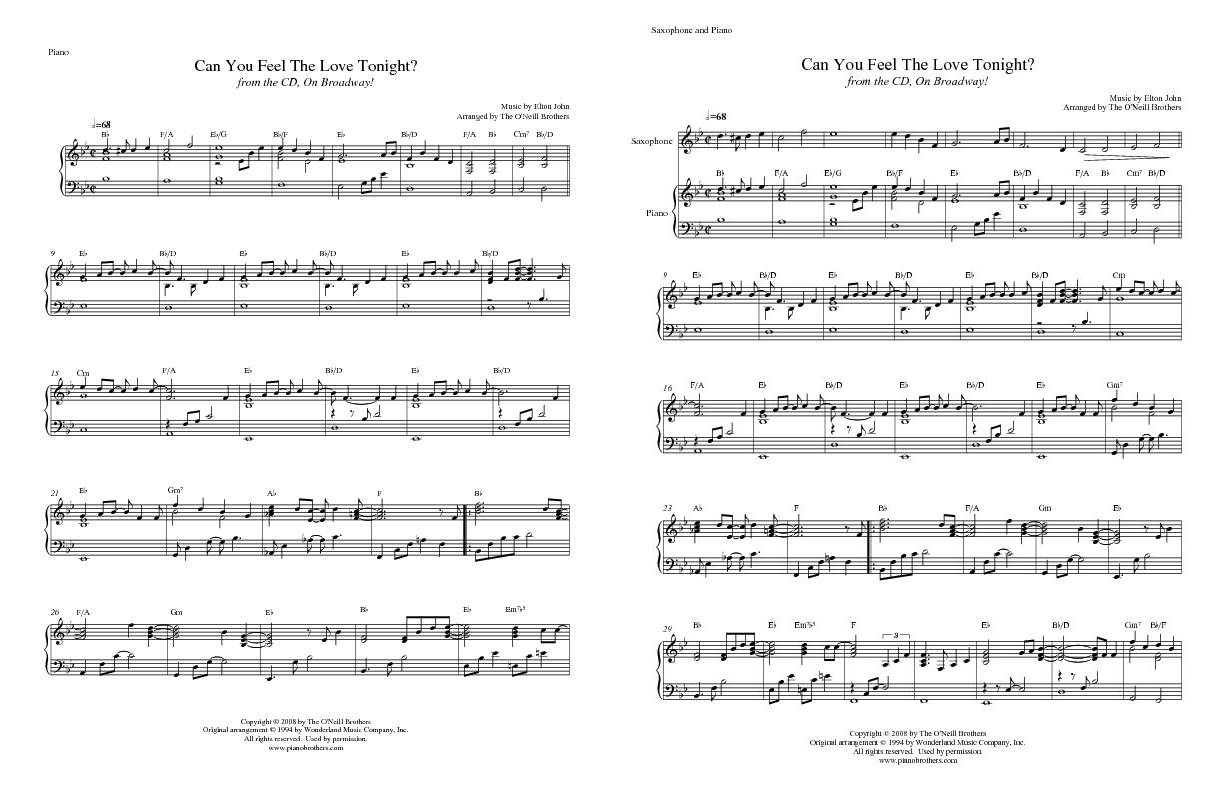
Can You Feel The Love Tonight Partitura Piano: Easy Guide
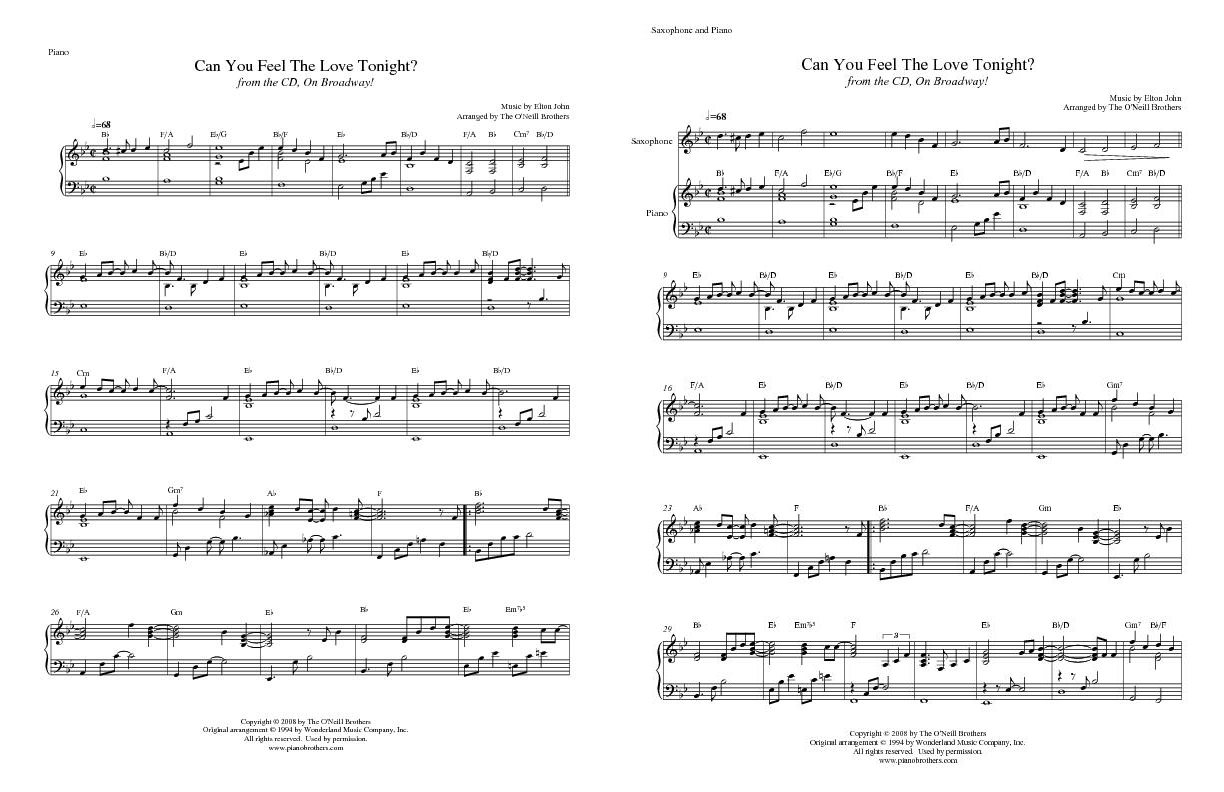
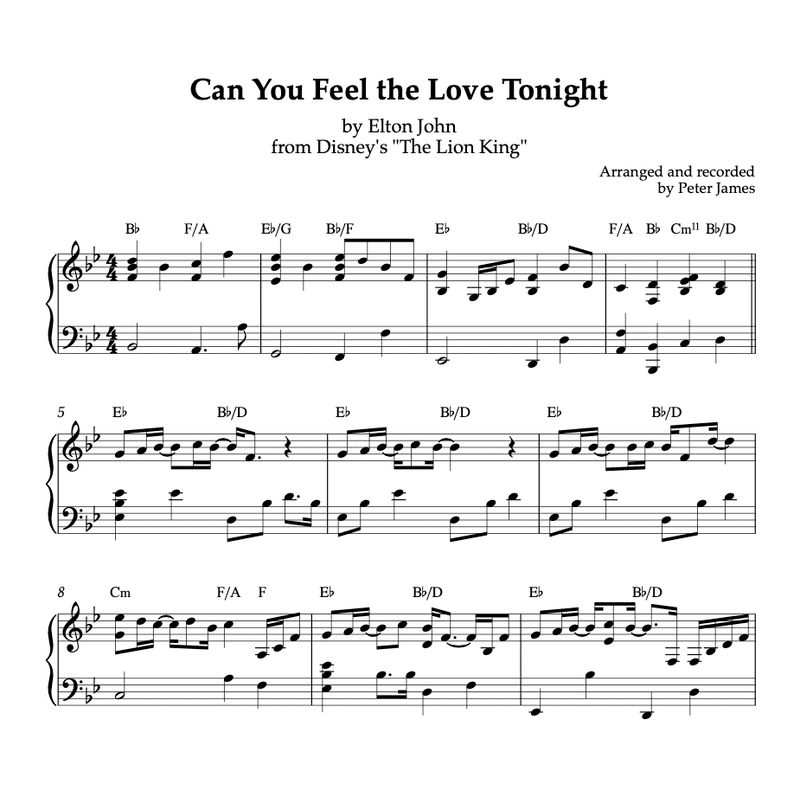
The Can You Feel the Love Tonight partitura piano is a written piano score for Elton John’s beloved Disney song.
Finding the right Can You Feel the Love Tonight partitura piano can turn a familiar film song into a warm, expressive performance. This guide explains what to look for, how to choose the right level, how to practice the piece, and how to find a legal, accurate arrangement without wasting time on poor-quality downloads.
What “Can You Feel the Love Tonight partitura piano” Means
The word “partitura” means “sheet music” or “musical score.” Therefore, a Can You Feel the Love Tonight partitura piano is a written arrangement of the song for piano. It may include the melody, chord symbols, lyrics, rhythm marks, and two piano staves.
The song was written by Elton John, with lyrics by Tim Rice, for Disney’s 1994 animated film The Lion King. Its gentle melody and rich harmony make it popular with beginners, wedding pianists, singers, church musicians, and advanced performers.
A piano score may appear in several forms:
• Easy piano arrangement with a simple left hand
• Piano solo version with melody and harmony
• Piano and vocal score with lyrics
• Lead sheet with melody, chord symbols, and lyrics
• Advanced concert arrangement with fuller harmony and wider movement
The same song can feel very different in each version. A beginner score may use basic triads, while an advanced Can You Feel the Love Tonight partitura piano may include passing chords, extended harmonies, octave lines, and expressive inner voices.

How to Choose the Right Piano Arrangement
The best Can You Feel the Love Tonight partitura piano depends on your skill, purpose, and preferred sound. A score that is too hard may make practice frustrating. A score that is too easy may feel plain after a few plays.
Look for these details before you buy or download a score:
• Difficulty level: Choose beginner, easy, intermediate, or advanced. Do not rely only on the cover image. Read the sample pages if available.
• Key signature: Some versions use the original key, while others transpose the song for easier playing or singing.
• Vocal range: If you plan to sing, check whether the melody sits comfortably in your voice.
• Chord quality: Simple chords are useful for beginners. Richer chords create a more cinematic sound.
• Page layout: Clear spacing, large notes, and good page turns make practice easier.
• Arrangement type: Decide whether you need a piano solo, piano accompaniment, or piano and vocal score.
• Legal status: Use an authorized edition or a properly licensed digital copy.
For a first arrangement, choose one with a steady left-hand pattern and a clear melody. You can always move to a richer arrangement later. This is often faster than starting with a difficult score and struggling with every bar.
Beginner, Intermediate, and Advanced Versions
A beginner arrangement often keeps the melody in the right hand and uses whole notes or simple broken chords in the left hand. It may remove some original harmony, but it lets you learn the song quickly.
An intermediate score usually adds moving bass lines, suspended chords, and more independent hand movement. This level often gives the best balance between musical beauty and manageable technique.
An advanced version may use wide arpeggios, decorative fills, octave passages, and layered textures. These arrangements can sound impressive, but they need careful control. A strong pianist should still protect the melody instead of allowing technical detail to overpower it.
What Makes the Song Effective on Piano?
The emotional power of this song comes from more than its melody. Its harmony, pacing, and gradual rise all help create a feeling of tenderness and release.
The opening often feels spacious. This gives the melody room to breathe. As the song develops, the harmony becomes fuller, and the musical line gains emotional strength.
Important musical features include:
• A lyrical melody with long notes
• Smooth chord changes
• Gentle dynamic growth
• A soft opening texture
• A memorable chorus
• A natural rise toward the final phrases
When playing a Can You Feel the Love Tonight partitura piano, think of the melody as a singer. Long notes need support, not force. Imagine that each phrase is a sentence. The pianist should shape the sentence so that it has a beginning, a high point, and a calm ending.
The left hand should act like a quiet foundation. If it becomes too loud, the song can lose its gentle character. Use less weight in the bass and allow the right-hand melody to remain clear.
How to Read the Score Efficiently
Many players make the mistake of trying to play the full Can You Feel the Love Tonight partitura piano from the first bar to the last. A better approach is to study the score in small sections.
Start with this process:
-
Look through the key signature and time signature.
-
Mark repeated sections.
-
Identify chord patterns in the left hand.
-
Practice the melody alone.
-
Practice the left-hand pattern alone.
-
Join both hands at a slow speed.
-
Add dynamics and pedal only after the notes feel secure.
Do not rush to use the sustain pedal. First, make sure the fingers change chords cleanly. Then add pedal in small amounts. Too much pedal can blur the harmony, especially when the score uses several chord changes in one measure.
A metronome can help, but do not let it make the performance stiff. Use it during technical practice. During musical practice, allow small breaths between phrases.
A Practical Practice Plan
A short, focused plan works better than a long session without structure. Even 20 minutes can produce strong progress when each minute has a clear goal.
Try this routine:
• Five minutes: Warm up with slow scales or gentle five-finger patterns.
• Five minutes: Practice the right-hand melody and mark the main phrases.
• Five minutes: Practice the left-hand chords or bass pattern.
• Five minutes: Play both hands slowly and correct weak transitions.
• Five minutes: Perform one section with expression and record it.
Recording yourself is useful because piano balance can feel different from the listener’s view. You may notice that the melody is too quiet, the bass is too strong, or the tempo changes without intention.
One lesson I often emphasize when guiding pianists is this: do not measure progress only by how much of the song you can play. Measure it by how clearly you can shape one phrase. A beautiful eight-bar section is more valuable than a rushed performance of the whole piece.
Common Mistakes to Avoid
Several problems appear often when people learn this song from a Can You Feel the Love Tonight partitura piano.
• Playing every note at the same volume: This removes the emotional rise and fall.