Where Should The Piano Be Panned In A Mix: Best Guide
Pan the piano near the center by default, then widen or offset it to fit the song’s arrangement.
Knowing where should the piano be panned in a mix can make the instrument feel clear, wide, and natural without stealing space from the vocal, bass, or drums. The best choice depends on the piano recording, stereo width, genre, arrangement, and the role the piano plays in the song. This guide explains practical piano panning methods used in real mixing sessions, along with common mistakes, stereo techniques, and simple tests you can apply today.
The Best Starting Point for Piano Panning
For most mixes, place the piano close to the center first. A mono piano often works well between the center and 20% left or right, while a stereo piano may stay centered with its natural left and right image intact.
The piano usually carries chords, rhythm, melody, or emotional weight. Keeping it near the center gives it a stable position and helps the listener hear the notes clearly. This is especially useful when the lead vocal, kick, and bass also form the main focus of the mix.
When deciding where should the piano be panned in a mix, ask one simple question: what job does the piano perform?
- A main piano part may need a centered position.
- A supporting piano may sit 15% to 40% to one side.
- A wide piano pad may fill both sides of the stereo field.
- A left hand and right hand may be spread to create a natural keyboard image.
- A decorative piano part may move farther from the center to leave room for the vocal.
The center is not always the correct answer. It is simply the safest starting point.
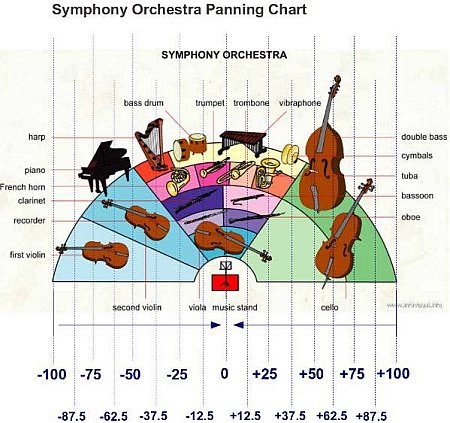
Why Piano Panning Matters
Panning controls where an instrument appears between the left and right speakers. It also affects clarity, depth, groove, and the amount of room available for other sounds.
A piano contains a large range of notes. Low notes can compete with the bass and kick, while high notes can overlap with vocals, guitars, strings, and cymbals. Poor panning can make the mix feel crowded even when the individual tracks sound good alone.
Good piano panning can help you:
- Create space for the lead vocal.
- Separate the piano from guitars and keyboards.
- Make a dense arrangement easier to follow.
- Improve stereo width without using excessive effects.
- Give the mix a more natural sense of movement.
- Keep the piano powerful in mono and stereo playback.
When asking where should the piano be panned in a mix, think about the full soundstage rather than the piano track by itself. A piano that sounds wide and impressive alone may cover too much space once the drums, vocals, and guitars enter.

Should the Piano Be Panned Left or Right?
There is no universal rule that says a piano must go left or right. The correct side depends on the other instruments and the musical balance.
If a rhythm guitar sits on the left, try placing the piano slightly right. If another guitar occupies the right side, try a slight left position. This creates balance instead of stacking several important parts in the same area.
You can use these starting points:
- Piano at center: Best for a main instrument or vocal-based song.
- Piano 10% to 20% left or right: Adds separation while keeping the piano stable.
- Piano 25% to 45% left or right: Works for a supporting part in a busy arrangement.
- Piano hard left or right: Useful for special effects, call-and-response parts, or vintage arrangements.
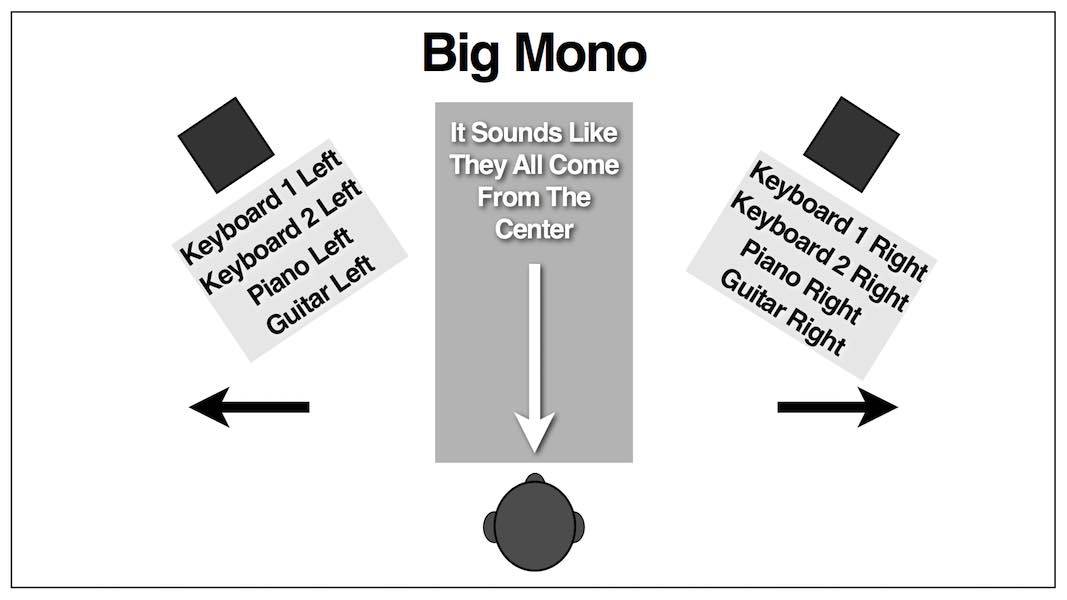
- Piano spread across stereo: Best when the piano should feel wide and immersive.
The answer to where should the piano be panned in a mix may change during the song. For example, a verse piano can sit slightly to the side, then move closer to the center during the chorus when it becomes more important.
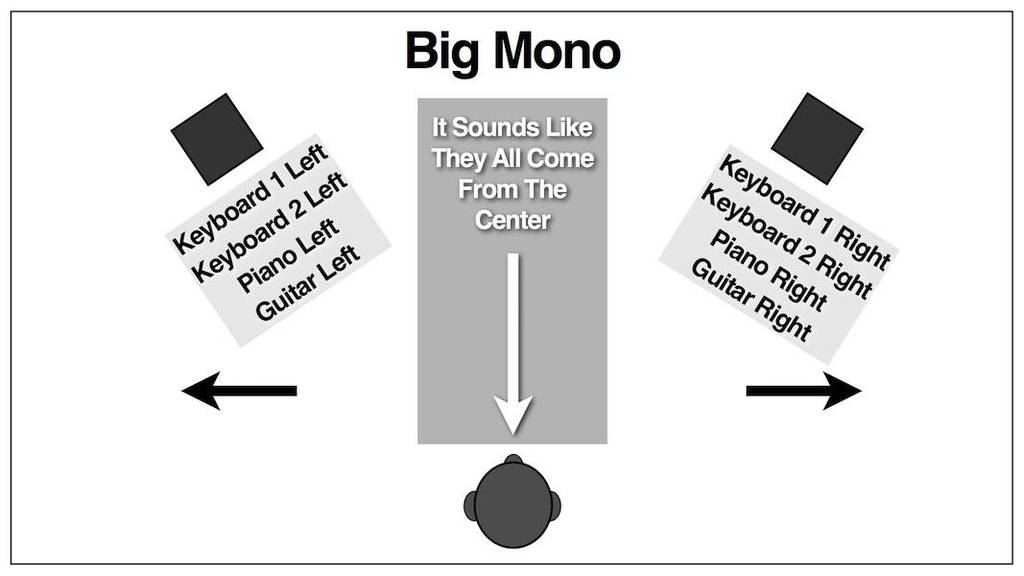
Panning a Mono Piano
A mono piano gives you direct control over its location. Start at the center, then move it in small steps while listening to the vocal and snare.
A mono piano often works well when:
- The mix already has many stereo instruments.
- The piano plays a simple chord part.
- The vocal needs a strong center position.
- You want a focused, intimate sound.
- The piano comes from a mono recording or narrow instrument sample.
Try moving the piano 10% left or right. Then lower the volume slightly and compare it with the centered version. Many mixers pan farther than needed because the piano seems more exciting when it moves, but a small shift often creates enough separation.
If the piano feels thin after panning, check the room sound and low frequencies. A narrow piano can lose weight when it moves away from the center, especially if the recording has little stereo information.

Panning a Stereo Piano
Stereo piano tracks need more care. The left channel often contains more low notes, while the right channel contains more high notes. This layout can sound natural because it matches the player’s view at the keyboard.
A stereo piano may already occupy much of the mix. Before changing its pan, listen to its width and check whether the low end is balanced.
Useful options include:
- Keep the stereo piano centered for a natural keyboard image.
- Narrow the stereo width if it covers too much space.
- Pan the entire stereo track slightly left or right.
- Reverse the stereo image only when the arrangement benefits from it.
- Use mid-side tools to control width without changing the center position.
If the left side sounds heavy, do not immediately pan the whole piano right. First check whether the low notes are causing the imbalance. A small low-frequency cut, gentle compression, or stereo-width adjustment may solve the problem more cleanly.
When deciding where should the piano be panned in a mix, remember that a stereo piano is not the same as two separate mono tracks. Wide panning can make the instrument feel disconnected from the rest of the song.

Match the Piano Pan to the Genre
Genre strongly affects piano placement. Classical, jazz, pop, rock, hip-hop, gospel, and electronic music may use different stereo conventions.
Pop and Singer-Songwriter Music
A centered or slightly offset piano often works best. The vocal remains the main focus, and the piano supports the harmony without distracting from the lyrics.
Try placing the piano 5% to 20% away from the center if the vocal and piano fight for attention.
Rock Music
Rock mixes often have wide guitars, so the piano may sit near the center or in the open space between guitars. A bright piano part can also sit slightly off-center to balance a guitar-heavy arrangement.
Hip-Hop and R&B
The piano may be centered, narrow, or widened depending on the beat. A short piano loop can sit slightly to one side while leaving the kick, bass, and vocal centered.
Jazz and Acoustic Music
A natural stereo piano image often sounds best. Avoid extreme panning unless the recording or arrangement calls for it. The goal is usually to preserve the feel of the performance.
Gospel and Large Ensemble Music
Piano parts may need more width to support vocals, organs, drums, and choir sections. Still, keep the low piano register controlled so it does not cover the bass or kick.

Consider the Vocal Before You Pan the Piano
The lead vocal usually has a strong center role. A piano played in the same register as the vocal can mask words, even when both tracks are centered at reasonable levels.
Instead of immediately moving the piano far left or right, try a combination of small changes:
- Pan the piano slightly away from the vocal.
- Reduce piano volume during vocal lines.
- Use automation to bring the piano forward between phrases.
- Cut a small amount of midrange where the vocal sounds strongest.
- Keep the piano’s low body and high detail while reducing the crowded middle.
A piano may sound clear during an instrumental break but become distracting when the singer enters. This is normal. The best answer to where should the piano be panned in a mix may change between sections.
I have found that gentle automation often sounds more natural than extreme panning. A piano can remain near the center in the verse, move slightly wider in the chorus, and tuck behind the vocal during dense lines.
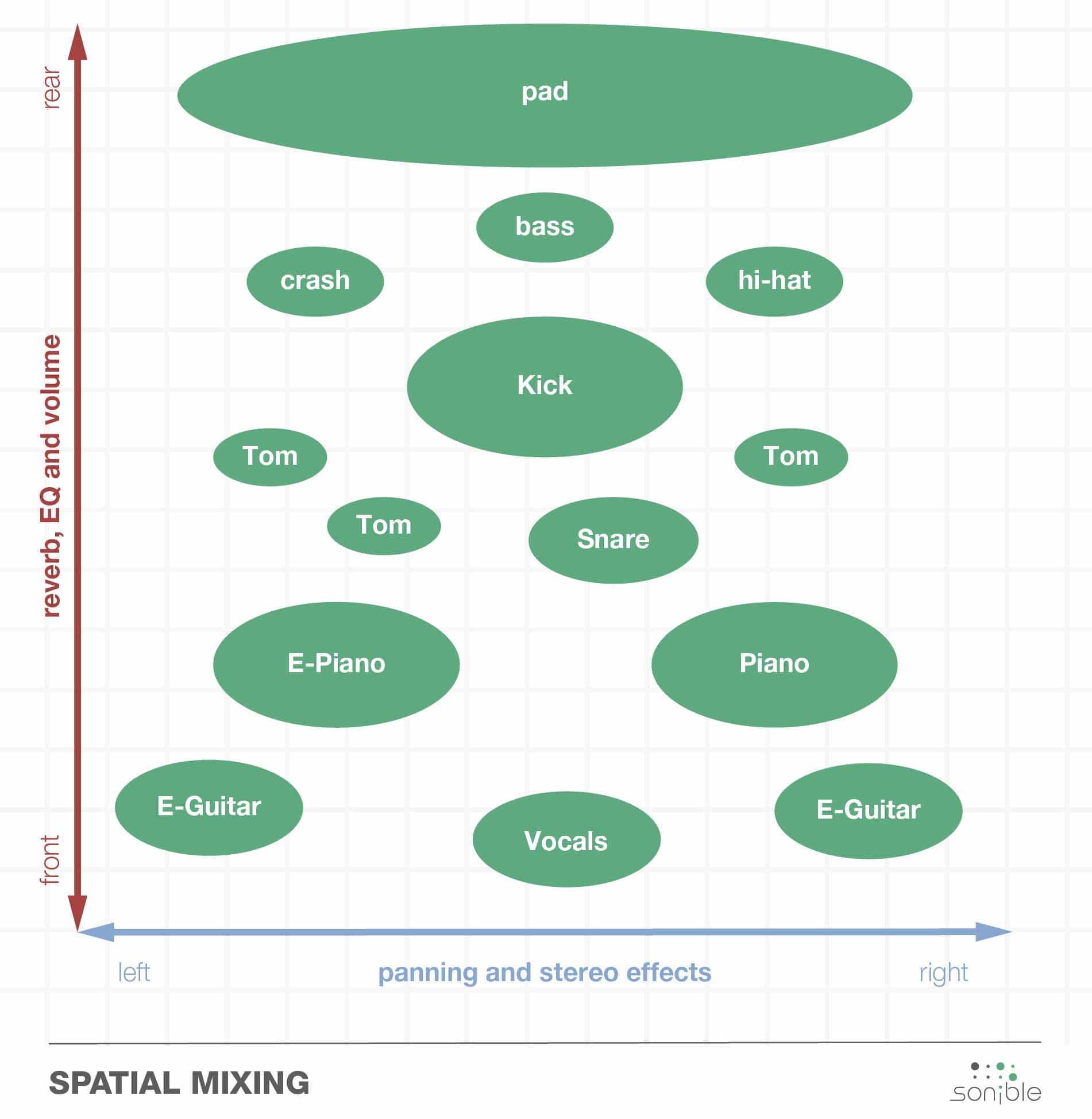
Use the Arrangement to Choose the Piano Position
Panning should support the arrangement, not follow a fixed formula. Look at the full stereo picture before choosing a position.
For example, imagine this layout:
- Lead vocal, kick, snare, and bass near the center.
- Electric guitar around 50% left.
- Acoustic guitar around 50% right.
- Background vocals spread across both sides.
- Piano playing the main chord pattern.
In this case, a centered piano may compete with the vocal, but a wide piano may compete with the guitars. A narrow piano at 15% left or right could fit better.
Now imagine a sparse ballad with only vocal, piano, bass, and light percussion. The piano can remain centered because there is more room around it.
The question where should the piano be panned in a mix is really a question about priorities. Decide which instruments must feel solid and centered, then place supporting parts around them.
Panning the Piano by Register
Some mixes benefit from treating the piano’s low and high registers differently. The left hand may remain closer to the center, while the right hand spreads wider.
This approach can make the piano feel large without making the bass region unstable. It also resembles the natural layout of a piano keyboard.
You can try:
- Keep low piano notes near the center.
- Spread the higher notes slightly wider.
- Check the mix in mono.
- Listen for phase problems.
- Reduce width if the piano loses power.
Do not overdo this method. A piano with very wide high notes and a centered low end can sound unnatural if the separation is too strong. Use the song’s style and tempo as your guide.
How to Pan Piano Without Causing Phase Problems
Stereo widening can create phase issues. These issues may not be obvious on headphones, but they can cause the piano to become weak when the mix plays in mono.
Phase problems often come from:
- Very wide stereo samples.
- Short delays between left and right channels.
- Chorus or modulation effects.
- Artificial stereo expansion.
- Duplicate piano tracks with tiny timing differences.
Check the piano in mono after every major stereo change. If the sound becomes smaller, duller, or hollow, reduce the width or remove the widening effect.
A correlation meter can help, but your ears remain important. A meter shows technical relationships, while your ears tell you whether the piano still feels musical.
When considering where should the piano be panned in a mix, mono compatibility matters because many listeners use phones, smart speakers, club systems, cars, and other playback systems with limited stereo separation.
Panning Versus EQ and Volume
Panning is only one part of creating space. It cannot fix every masking problem.